
Review · CANADA
Québec City: Saint-Louis-Forts-and-Châteaux visit
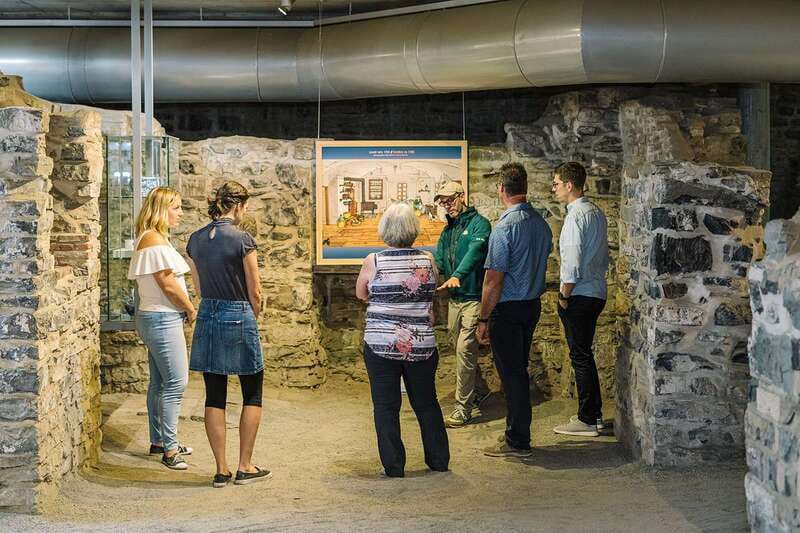
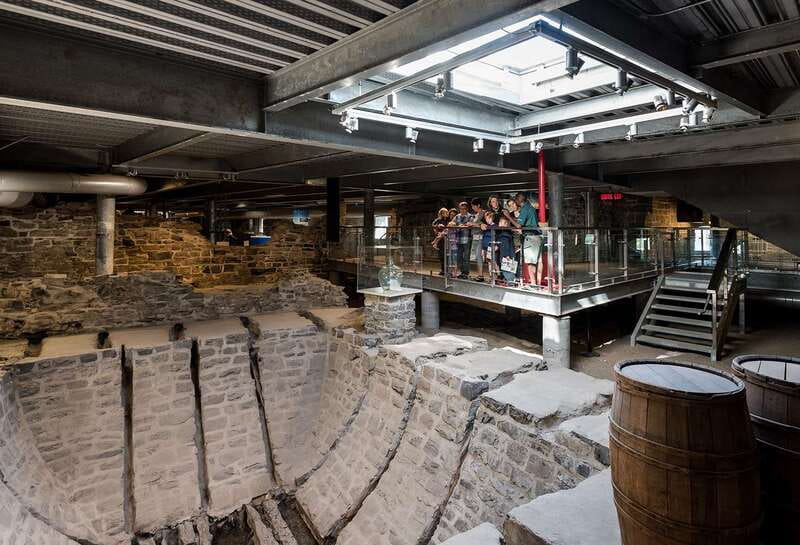
Beneath the grand boardwalk of Dufferin Terrace lies the buried foundation of Québec City’s former seat of power. At the Saint-Louis Forts and Châteaux National Historic Site, you walk among the remains of the residence used by French and British governors from 1620 to 1834, then see more than 120 objects recovered from archaeological digs. It is a fine reminder that Old Québec is not just pretty stonework and postcard views. Much of its story sits under your feet.
I especially like two things here: the clear architectural story, which helps you picture how the fort and château changed over more than 200 years, and the First Nations perspective on diplomacy with the Huron-Wendat Nation. The main drawback is the audio option. Some sections use role-playing, with the listener cast as a governor or servant, and that theatrical style may not suit you if you prefer a straightforward historical explanation.
Key points to know
- The remains sit directly beneath Dufferin Terrace, making this an easy historical stop in the heart of Old Québec.
- The site covers more than 200 years of political history, from French rule through the British period.
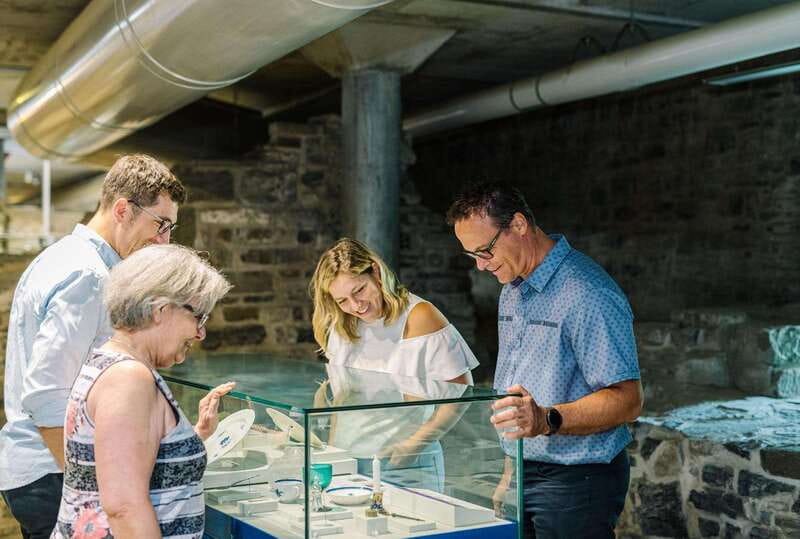
- Over 120 archaeological artifacts help explain architecture, government, food, household routines, and daily life.
- A Huron-Wendat Nation perspective adds important context to the diplomatic alliances formed at the château.
- You can choose a live guide or an audio tour, with live commentary available in five languages.
- The visit lasts about one hour and costs $9 per person, a useful price for a focused indoor attraction.
Beneath Dufferin Terrace, Québec City’s buried seat of power
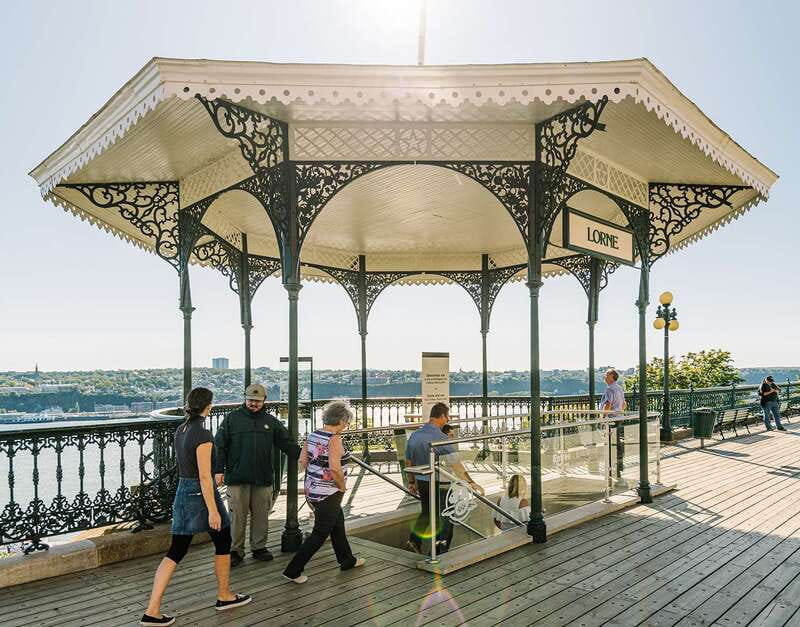
Dufferin Terrace is usually where you go for the sweeping St. Lawrence River view and the grand façade of Château Frontenac. The entrance to this experience begins near that familiar scene, at a green and white kiosk marked Frontenac and flying a Canadian flag.
From there, you descend beneath the terrace. That change in level matters. One moment you are in the open air above Old Québec, and the next you are looking at foundations and archaeological remains that once supported the official residence of the colony’s governors.
The Saint-Louis site served as the French and British governors’ residence and political headquarters between 1620 and 1834. Decisions made here affected alliances, trade, military planning, and the future of communities across North America. The tour does not simply show you old stones. It connects those stones to the people who governed from them.
You should allow about an hour. That is long enough to understand the site without turning it into an exhausting museum visit. It also fits neatly between other Old Québec sights, especially if you are already walking along Dufferin Terrace.
More Fortress and Citadel Tours in Canada:
- Halifax Premium Tour: Peggy’s Cove, Citadel & Titanic Cemetery
★ 4.5 · 368 reviews - Quebec: La Citadelle de Québec Ticket and Guided Tour
★ 4.7 · 227 reviews - Halifax: Peggy’s Cove, Citadel and Titanic Cemetery Tour
★ 4.0 · 180 reviews
Reconstructing a château from foundations and artifacts
The remains cannot give you the full building by themselves. Walls disappear, rooms change use, and centuries of construction leave a complicated footprint. The tour helps you imagine the original layout and explains how the fort and château developed over time.
This is where the experience earns its modest admission price. Instead of asking you to admire a few fragments and guess what they mean, it explains the site’s planning, architecture, government role, and changing use. You gain a sense of how the complex functioned, not just where its walls once stood.
Archaeology supplies the physical evidence. More than 120 artifacts are displayed, giving the tour a welcome human scale. You might see objects that help explain household routines, formal entertaining, storage, food, and the practical work required to keep an official residence running.
Small details can be more memorable than grand political events. One audio-tour segment raises questions about how an icebox worked, what grooves in the bottom were used for, and why women used bottles of ammonia. Those details give the past a pulse. They show that history is also about cleaning, cooling food, carrying supplies, and managing a household.
The artifacts also help correct a common problem with historic sites. Governors and diplomatic decisions can feel remote, but a household object puts ordinary activity back into the picture. You begin to imagine servants working, officials receiving visitors, and residents adapting to the demands of life in an early colonial capital.
French and British governors at the center of power
The château was not simply a private home. It was an official residence and the main political setting for the governors who represented French and later British authority.
The tour follows this change across more than two centuries. You learn how the site developed during the French period, how British rule altered the political setting, and how the complex remained tied to decision-making until 1834.
That long span is useful because it places Québec City within a larger North American story. The people meeting inside the château were not making choices that affected only one building or one town. Their policies influenced relationships with Indigenous nations, colonial administration, military concerns, and the wider contest between European powers.
The setting gives these subjects weight. You are standing where diplomatic meetings and official events took place, not reading about them from a distant gallery. Lavish gatherings are part of the story, but the tour also makes room for the less glamorous business of running government.
I found the balance between formal power and everyday life especially worthwhile. You hear about ceremonies and important decisions, then shift to the objects and routines that kept the residence operating. That movement prevents the experience from becoming a dry list of governors and dates.
A Huron-Wendat view of diplomacy
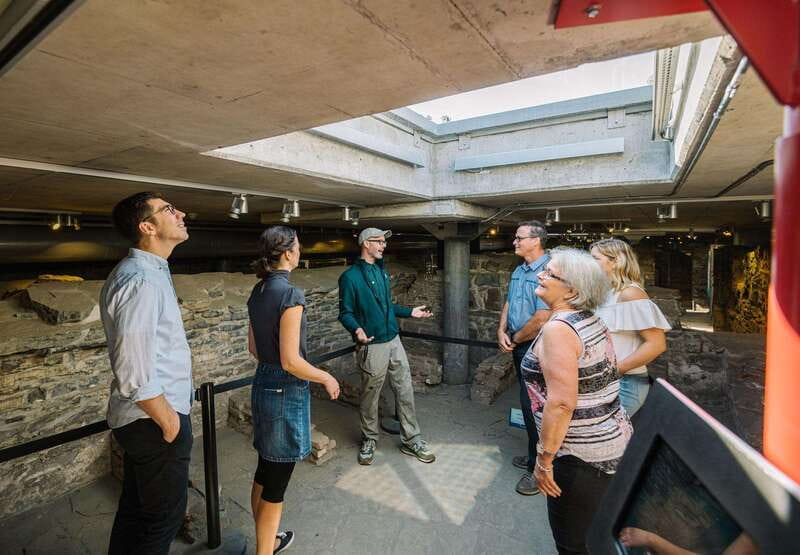
One of the most important parts of the visit is the exhibition presented in collaboration with the Huron-Wendat Nation. It examines diplomatic alliances between the Huron-Wendat and colonial governors from a Huron-Wendat perspective.
This addition matters because colonial history can easily become a story told only through European officials. Here, diplomacy is not presented as something governors managed alone. Indigenous nations had their own political goals, relationships, strategies, and reasons for entering alliances.
You should give this section your full attention. It adds meaning to the official meetings and political decisions discussed elsewhere at the site. The château was a place where colonial authority operated, but it was also a setting for relationships between governments and Indigenous nations.
The Huron-Wendat perspective makes the visit more balanced. It asks you to think about diplomacy as an active relationship rather than a one-sided colonial policy. For a short tour, that is a useful amount of context, and it gives the site relevance beyond architecture.
More Castle Tours in Canada:
- Quebec City: Guided Tour of Fairmont Le Château Frontenac
★ 4.7 · 3,027 reviews - Guided Tour of the Fairmont Le Chateau Frontenac in Quebec City
★ 4.5 · 1,217 reviews - 3-Hour 1000 Islands Cruise from Gananoque with views of Boldt Castle
★ 4.0 · 388 reviews - Boldt Castle and Thousand Islands Helicopter Tour
★ 5.0 · 255 reviews
Choosing the live guide or the Parks Canada audio tour
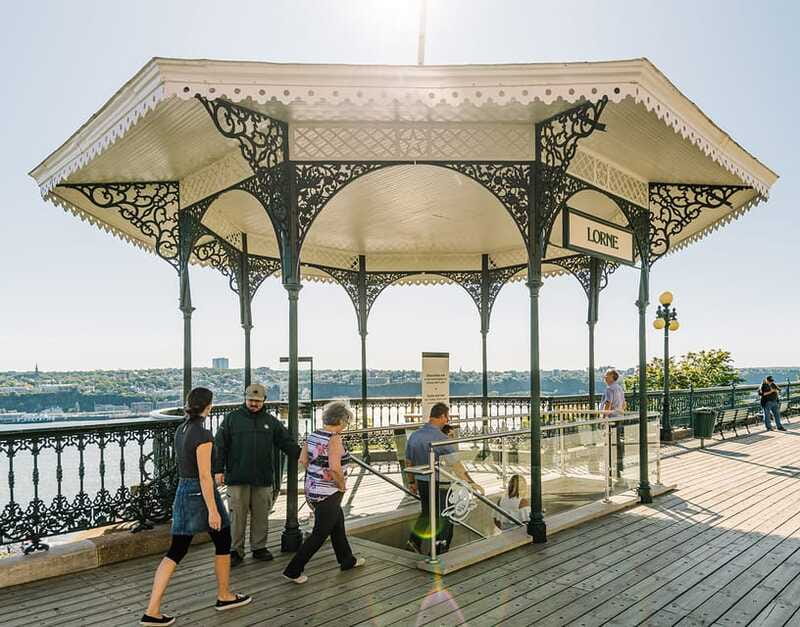
You have two ways to experience the site. A heritage guide can lead you through it, or you can use the downloadable Parks Canada app for a self-guided audio tour.
The live option is likely the better choice if you enjoy asking questions or want a more direct explanation. Guides use the remains and artifacts to explain the architecture, political decisions, diplomatic relationships, and daily routines. A strong guide can also adjust the pace and add energy to a place that might otherwise feel quiet and abstract.
The live tour is offered in English, French, Spanish, German, and Chinese. The guide wears a green and beige uniform and meets visitors near the Frontenac sign at the start of Dufferin Terrace.
The audio option gives you more independence. You can move at your own pace and focus longer on objects that catch your attention. The app is also useful if the available live-tour time does not fit your day.
There is a tradeoff. Parts of the audio presentation use role-play, sometimes placing you in the position of a governor and sometimes a servant. Some listeners will find that engaging and interactive. If you want a plain museum-style narration, it may feel too theatrical. The audio tour still provides useful information, including practical details about the icebox, household objects, and the routines of the château.
If you dislike theatrical narration, ask about the live option before choosing your time. If you prefer to explore independently and do not mind a little role-playing, the app gives you a flexible alternative.
Why the archaeological displays make the visit work
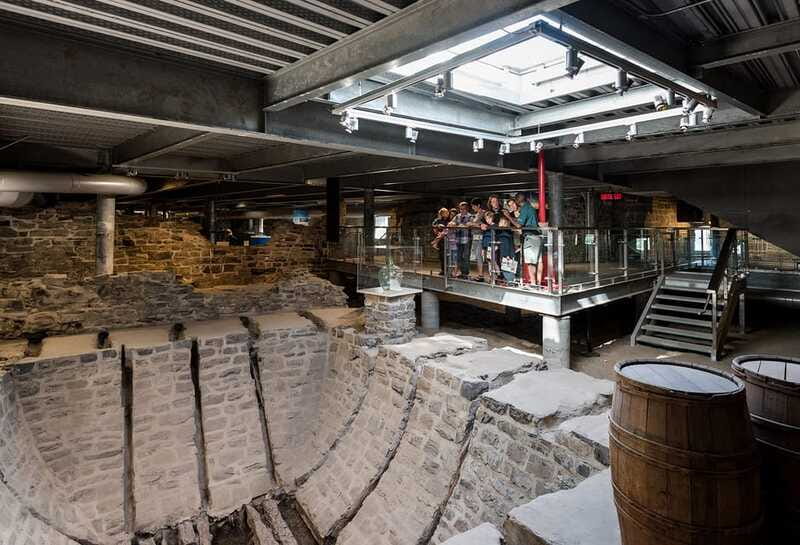
A foundation alone can be difficult to read. Even with signs, you may struggle to picture a vanished room or understand why a particular wall mattered. The artifact displays bridge that gap.
The collection gives you physical evidence of how the site was used. Objects found during archaeological digs reveal more than the official story. They help explain food preparation, storage, household maintenance, entertaining, and the material differences between governors, servants, and other people connected to the residence.
I like this combination of large and small scale. The remains tell you where power operated. The artifacts show how people lived within that system.
The displays also make the experience worthwhile for visitors who are not especially interested in military history. You do not need to memorize every governor or political change to enjoy the household details. Questions about cooling food, cleaning, and the use of ammonia bottles bring the site down to an understandable human level.
At the same time, history fans get the larger story of architecture, governance, and diplomatic decisions. That range makes the one-hour format work for mixed groups.
Price, timing, and practical fit
At $9 per person, this is one of the easier Old Québec admissions to justify. You are paying for a focused hour in a nationally administered historic site, with archaeological remains, more than 120 artifacts, and either a heritage guide or an audio option.
The value is strongest if you are already visiting Dufferin Terrace. There is no need to arrange a separate trip across the city. You simply find the green and white kiosk with the Frontenac sign near the beginning of the boardwalk, then go below the terrace.
You should check the available starting times before arriving. The total visit lasts about one hour, so it is simple to fit into a day of sightseeing. Free cancellation is available up to 24 hours before the visit, and you can reserve now while paying later, which helps if your Québec City schedule is still changing.
Food and drinks are not permitted inside. Large bags and luggage are also not allowed, so do not plan to use the site as a storage stop between hotels or train connections. Pets are not permitted, although assistance dogs are allowed.
The site is not suitable for wheelchair users or people with mobility impairments. The descent beneath the terrace and the nature of the archaeological site make this an important consideration before booking. Bare feet are also not permitted.
Members of the Canadian Armed Forces, Canadian veterans, and their immediate families can receive daily free admission to Parks Canada sites with the appropriate Platinum Une FC card or Veterans Service Card. That benefit does not include a guided tour.
Who will get the most from this one-hour visit
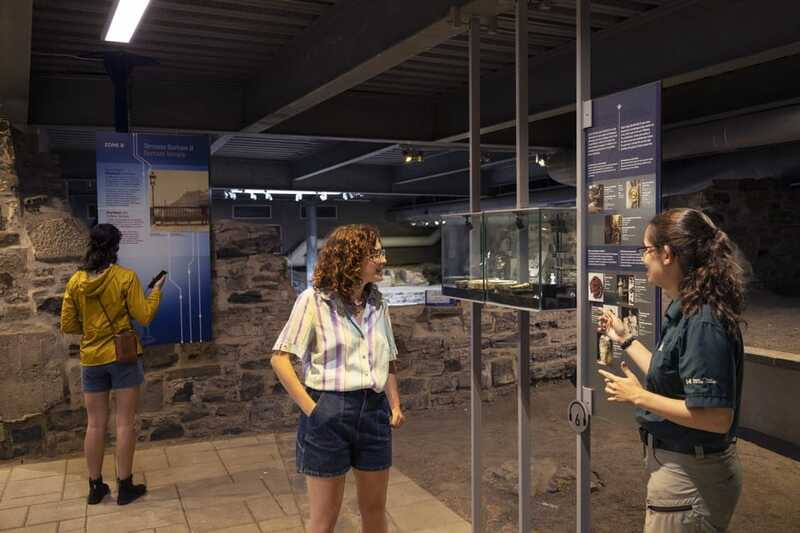
I would recommend the experience to anyone who wants more substance than a quick photograph of Château Frontenac. It suits history fans, families with older children, architecture lovers, and people curious about how government worked in early Québec.
It is also a smart choice for first-time visitors who want context before exploring more of Old Québec. Once you understand that the area around Dufferin Terrace was a working center of government, the nearby streets and fortifications make more sense.
The visit suits you less if you want a large, polished museum with many rooms to wander through. The site is compact and focused. It also may not fit if stairs or mobility limits make the underground remains difficult to reach.
Your choice of format matters. Pick the live guide if you want a lively explanation and the chance to ask questions. Pick the audio tour if flexibility matters more, but be prepared for some role-playing rather than a strictly factual narration.
Should you book the Saint-Louis Forts and Châteaux visit?
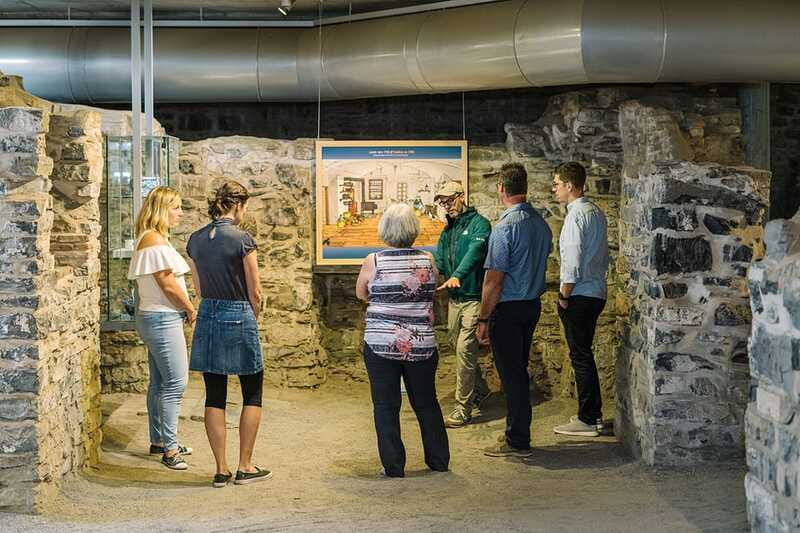
Book it if you want to see the political heart beneath Old Québec rather than simply admire the city from above. The archaeological remains, household objects, and Huron-Wendat perspective give the hour real substance, and $9 is a fair price for that amount of context.
I would make it a priority for a first visit to Québec City, especially if you are already walking Dufferin Terrace. Choose the live tour if you prefer a knowledgeable human guide and direct explanations. Choose the audio version if you want control over your pace and do not mind theatrical touches.
Skip it only if you need step-free access, cannot leave large bags elsewhere, or prefer a broad museum rather than a compact archaeological site. For most visitors who can manage the stairs, this is a short, useful way to understand why Québec City mattered.
FAQ
Where does the Saint-Louis Forts and Châteaux visit begin?
Meet at the beginning of Dufferin Terrace, near a green and white kiosk with a Frontenac sign and a Canadian flag.
How long does the visit last?
The visit lasts about one hour.
How much does admission cost?
Admission costs $9 per person.
Can I choose between a guide and an audio tour?
Yes. You can join a self-guided audio tour using the downloadable Parks Canada app or take part with an on-site heritage guide.
What languages are available for the live tour?
Live tours are available in English, French, Spanish, German, and Chinese.
What can I see at the site?
You can see the remains of Château Saint-Louis and more than 120 artifacts found during archaeological digs. The visit also covers architecture, political decisions, daily life, and diplomacy with the Huron-Wendat Nation.
Is the site accessible to wheelchair users?
No. The experience is not suitable for wheelchair users or people with mobility impairments.
Can I bring food, drinks, luggage, or pets?
Food and drinks, luggage, and large bags are not allowed. Pets are not permitted, but assistance dogs are allowed.
Newly walked in Canada
- Banff Food Tour: Eat the Castle★ 5.0 · 130 reviews
- Rockport, ON: 1000 Islands/Boldt Castle Sightseeing Cruises★ 4.7 · 4 reviews
- Ottawa: Secrets of the Château Laurier – Guided Hotel Tour★ 4.4 · 148 reviews
- Halifax: Peggy’s Cove, Citadel and Titanic Cemetery Tour★ 4.0 · 180 reviews
- Halifax: Small Group Walking Tour with Citadel & Museum★ 4.8 · 16 reviews
- Fortress of Louisbourg Driving Tour from Sydney Nova Scotia★ 3.5 · 10 reviews
- From Sydney, Canada: Walking Tour of Louisbourg Fortress★ 5.0 · 4 reviews
- Banff: Castle Food Experience at Banff Springs Hotel★ 4.9 · 77 reviews
Fortress & Citadel Tours, compared.



From Cairo Alexandria Catacombs, Citadel Day Trip with Lunch
Read our review →
Charleston historical walking tour with a Professor of History at The Citadel
Read our review →
Hue Customizable Tour with Imperial Citadel & Forbidden City
Read our review →
Desert Safari: Luxury Fortress Dinner, Camel Ride & Dune Bashing
Read our review →
Egyptian Museum, Citadel, and Old Cairo Guided Tour
Read our review →Browse the lists this tour appears in