
Review · FRANCE
Château Balestard La Tonnelle : The “Origins” tour
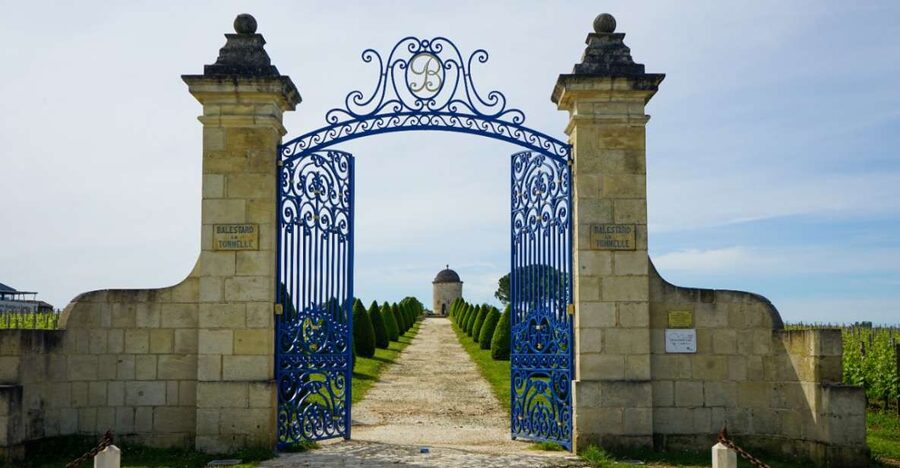
Château Balestard La Tonnelle gives you an unusual Saint-Émilion pairing: a 15th-century watchtower beside a sleek, architect-designed cellar opened in 2019. The one-hour visit moves from vineyard to vat room to barrel cellar, then finishes with three red wines on a terrace high over the village.
I especially like the 400-square-meter panoramic terrace and the small group limit of eight people. You get a clear look at how wine is made, not just a quick sip in a shop. The main drawback is the short visit: one hour gives you a tidy introduction, but not much time for a leisurely look around or a meal, since food and drinks beyond the tasting are not included.
Key points at a glance
- A 400-square-meter terrace: Finish with broad views toward Saint-Émilion and the surrounding wine appellations.
- Old stone and modern design: See a 15th-century watchtower alongside a 2019 bioclimatic cellar.
- Three red wines: The tasting includes a Grand Cru Classé.
- A family estate since 1647: The visit connects present-day winemaking with a long local family story.
- Small groups of up to eight: This is a more personal format than a large coach-style cellar tour.
- Simple logistics: Park by the watchtower, then follow the path to the boutique five minutes before departure.
A Saint-Émilion estate with two very different faces
Château Balestard La Tonnelle sits on the limestone plateau of Saint-Émilion, one of the details that gives the visit more substance than a pretty stop for wine tasting. The property has ties to a winemaking family in Saint-Émilion since 1647, so the setting carries a long connection to the local wine trade.
At the same time, this is not a preserved old building frozen in time. The estate combines its 15th-century watchtower with a modern bioclimatic cellar designed by an architect and dating from 2019. That contrast gives you something useful to look at while the guide explains the wine: old stone represents continuity, while the newer building shows how a château can update its working spaces.
I like this balance. Some winery visits lean heavily on heritage, while others feel like a polished production tour. Here, the interest comes from seeing both parts of the story in one compact visit.
The family background is also worth noting. A date such as 1647 can easily become a decorative fact, but in this setting it helps explain why the tour begins with a sense of place. You are not simply being shown a cellar near Saint-Émilion. You are being introduced to one estate, its ground, its buildings, and its place in a wine-making family’s story.
More Castle Tours in France:
- Loire Valley Castles Day Trip from Paris with Complementary Wine
★ 4.5 · 3,907 reviews - Carcassonne: Castle and Ramparts Entry Ticket
★ 4.6 · 2,884 reviews - Chambord: Entry Ticket to the Castle
★ 4.6 · 1,841 reviews
Arriving by the 15th-century watchtower
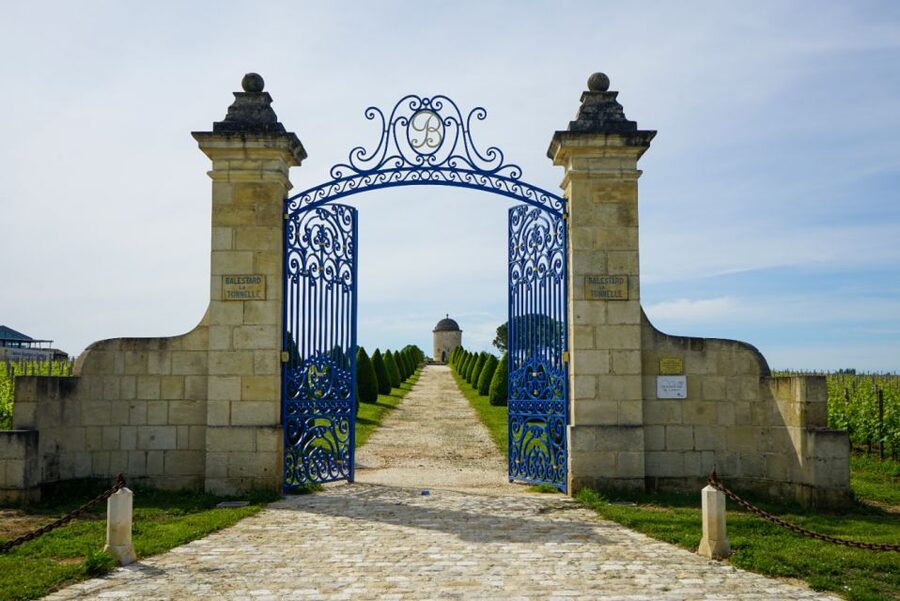
Your arrival point is Château Balestard La Tonnelle. After parking, you need to make your way to the boutique by following the path from the watchtower. This is a small but useful detail: do not wait in the parking area for someone to collect you.
Plan to reach the boutique five minutes before the start time. A delay of more than 20 minutes may lead to cancellation of the visit, so this is not the sort of tour to squeeze between two uncertain stops. Give yourself enough time to park, find the path, and get oriented.
The watchtower is one of the first things that sets the visit apart. It is a surviving 15th-century feature, and its presence gives the property a sense of age before you even enter the newer facilities. You will not be spending the whole hour on medieval architecture, but the tower helps make the transition from the plateau to the cellar feel like part of a larger story.
The estate is wheelchair accessible, which makes this a practical option for many visitors. The supplied information does not detail every surface or route, so anyone needing specific mobility arrangements should confirm those points when booking.
Walking from the vines to the vat room
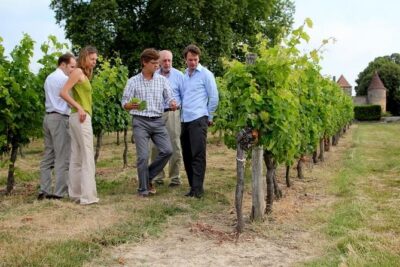
The tour takes you through the vineyard, then into the vat room and barrel cellar. That order matters. It follows the path of the wine itself, from the limestone plateau to the finished bottle.
The vineyard portion gives the guide a chance to explain the setting before discussing production. You can connect the wine to the Saint-Émilion plateau rather than treating the bottle as a product with no physical home. The limestone ground is a key part of the local identity, and seeing the vines in their setting makes later explanations in the cellar easier to follow.
In the vat room, the focus shifts to winemaking. This is where you learn how the harvested grapes are handled before the wine moves on. The information provided does not specify the exact equipment or every technical stage, so do not expect a long specialist lecture on fermentation settings or cellar machinery. Instead, expect a clear introduction to the main process.
The barrel cellar completes the production side of the visit. Here, the guide explains the next stage in the wine’s development and how it reaches the glass you taste later. For a first visit to a Saint-Émilion château, this sequence is helpful because it links three things that are often presented separately: the soil, the working cellar, and the finished wine.
The tour is guided in French or English. A guide named Audre has also conducted the visit in Spanish, according to the supplied experience information, so Spanish speakers may wish to ask about language availability when reserving. English ability has been praised, and the explanations are intended to be accessible rather than overly technical.
The 2019 bioclimatic cellar
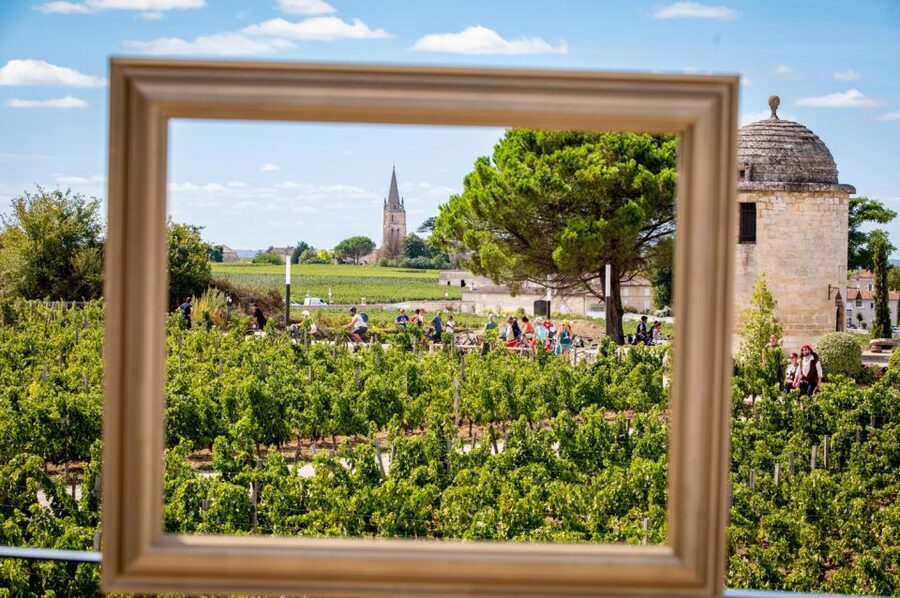
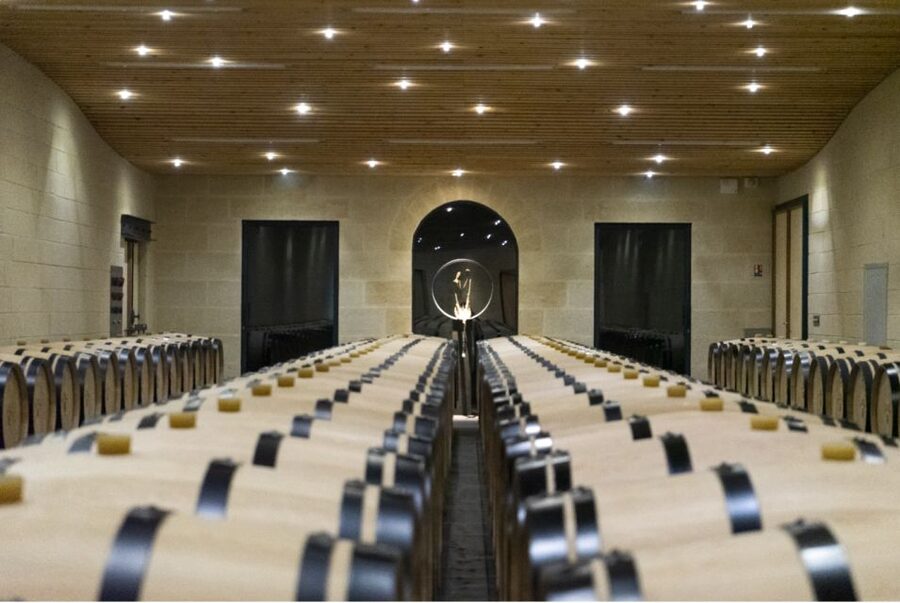
The newer cellar is a major reason to choose this estate over a basic tasting stop. It dates to 2019 and was designed as a bioclimatic building, which means its design is part of the visit, not merely a backdrop for the wine.
You get to see how a historic property can make room for modern winemaking without abandoning its older character. The 15th-century watchtower and the contemporary cellar create a strong visual contrast, but they also show two practical needs of a working château: preserving the past and maintaining suitable spaces for production.
The supplied details do not explain the building’s specific systems, energy performance, or construction materials. I would not book this expecting a full architectural tour. Still, the cellar gives the guide a useful way to discuss how wine estates operate today.
For me, this is one of the most interesting parts of the visit because it adds context without making the tour feel like a museum stop. You see the working side of the property, and the building itself becomes part of the explanation.
Same walls, a different way in:
- From Paris: Loire Valley Castles Day Trip With Wine Tasting
★ 4.6 · 1,727 reviews - Chenonceau Castle Admission Ticket
★ 4.7 · 1,515 reviews - Medoc or Saint Emilion Wine Tasting and Chateau from Bordeaux
★ 5.0 · 1,415 reviews - ★ Walking Tour of Old Nice and Castle Hill
★ 5.0 · 1,318 reviews
Tasting three red wines above Saint-Émilion
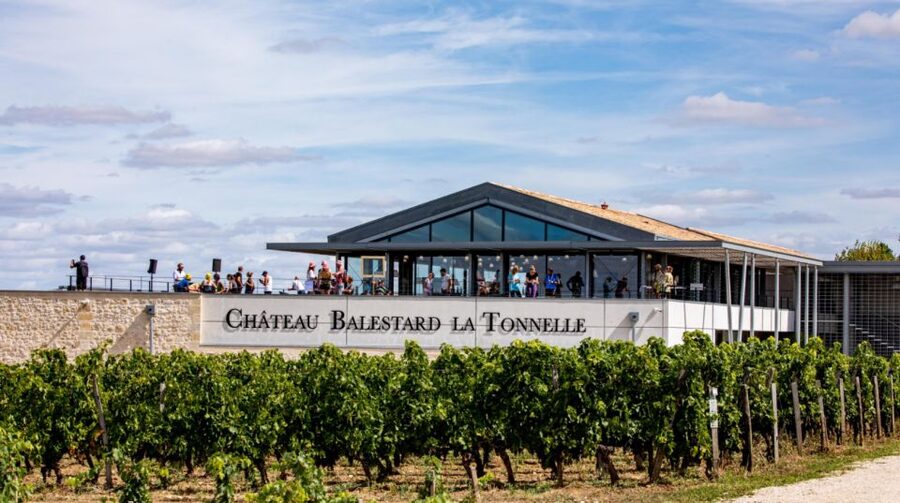
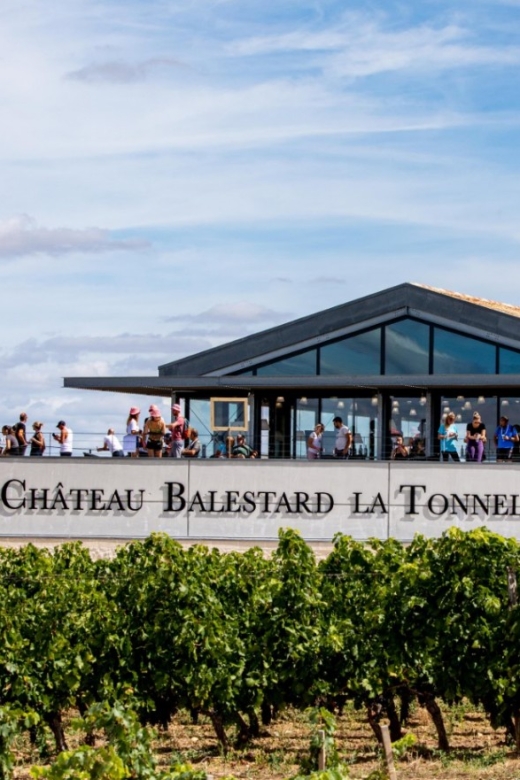
The tasting comes at the end and includes three red wines, one of them a Grand Cru Classé. It takes place on the panoramic terrace rather than in a closed tasting room, which changes the mood completely.
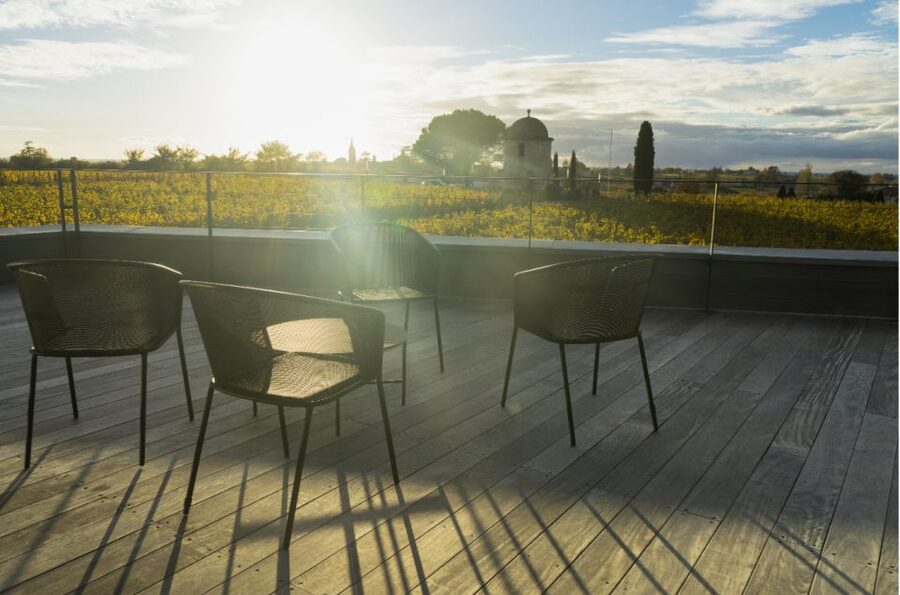
The terrace covers 400 square meters and offers a 360-degree view toward Saint-Émilion and the surrounding appellations. You get to hold the wine while looking across the area that gives the bottles their identity. That visual link is a real advantage, particularly if this is your first introduction to Saint-Émilion wines.
The tasting is included in the $23 price, along with the guided visit. You should expect three wines from the estate’s range, but the supplied details do not identify the labels, vintages, grape varieties, or serving order. If you are seeking a highly technical tasting with detailed vintage comparisons, this may feel brief.
For most visitors, though, three wines is a sensible number in a one-hour format. One glass can give you a taste of the property. Three allow you to notice differences across the selection while keeping the visit focused. The Grand Cru Classé adds extra interest because it gives you a chance to taste a higher-ranking Saint-Émilion wine within the same estate setting.
There is no food included, so treat the tasting as wine education rather than lunch. You can shop at the property afterward, but the available information does not promise a meal, snack, or other drinks. If you need food before continuing your day, make separate plans.
Why the terrace is more than a photo stop
The terrace is likely to be the most memorable part for many people, but its value goes beyond the view. Wine can feel abstract when you encounter it only through labels and tasting notes. From this high terrace, you can look toward Saint-Émilion and the surrounding appellations while the guide connects the wine to its region.
The 360-degree outlook also gives the visit a natural ending. You begin among vines and old stone, move through the production areas, and finish in an open space with a glass in hand. The progression feels complete even though the total visit lasts only an hour.
I would not assume that every moment on the terrace will be private or quiet. The group is small, limited to eight participants, but the property may still have other activity around the boutique and tasting area. The small-group format should make conversation easier, not guarantee solitude.
Weather may also affect how much you enjoy this part. The terrace is a clear selling point, but an outdoor tasting naturally depends on conditions. The experience still includes the cellar visit if the view is less cooperative, yet the terrace is central enough to the format that you should keep it in mind when choosing your day.
How much value do you get for $23?
At $23 per person, the tour offers a good amount for a short Saint-Émilion stop. You receive a guided hour, a visit to the vineyard, vat room, and barrel cellar, and a tasting of three red wines, including a Grand Cru Classé. Parking is free, and you can browse the shop afterward.
The price is strongest for someone who wants a structured introduction rather than a long estate visit. You are paying for the guide’s explanation and the chance to taste the wine in its own setting, not just for three pours.
The limitation is time. At one hour, the tour cannot cover every detail of the estate, every wine-making decision, and every historical chapter. The tasting also does not include food or additional drinks. If you compare this with a longer château program, you should expect less depth here.
I think the value is particularly good for a first-time visitor to the area, someone building a day around Saint-Émilion, or anyone who wants a modestly priced activity between village sightseeing and another appointment. Wine specialists looking for an extended technical session may want something longer.
The small-group format and guide style
The group limit is eight people, which suits the compact estate and the one-hour schedule. A small group means you can hear the guide more easily in the cellar and ask questions without competing with a full coachload.
The strongest praise attached to the experience focuses on the guides’ explanations, English, courtesy, and the clean, well-kept condition of the property. One guide, Audre, has been specifically identified as friendly and polite, and has spoken Spanish during a visit. Those details matter because a winery tour can be spoiled by rushed explanations or language problems.
You should still keep your expectations practical. A small group does not turn this into a private tour, and the guide may need to keep the group moving through the scheduled stops. The format is best for people who want a warm, clear introduction with room for a few questions.
The French and English language options are confirmed. Spanish may be possible with Audre, but you should verify that before booking rather than assume every departure will be in Spanish.
Who will enjoy this château visit most?
I would recommend this tour to you if you want several different elements in a short package:
- A working vineyard visit rather than a tasting with no production context
- A clear look at both historic and modern architecture
- A small group with French or English guidance
- Three red wines, including a Grand Cru Classé
- A broad view of Saint-Émilion from a large terrace
- A price that stays below many longer wine programs
It is also a good fit for couples, small groups of friends, and visitors who are curious about wine but do not want a highly technical class. The gentle pace and one-hour length make it easy to add to a day in the region.
You may want to choose another format if you need a meal included, want a lengthy tasting, or prefer a tour devoted mainly to architectural history. The estate’s 15th-century watchtower is important, but this is a wine-making visit first.
Practical details before you go
Reserve a starting time that leaves room for parking and the walk to the boutique. Arrive five minutes early, since a delay of more than 20 minutes may cancel the visit.
The tour lasts one hour and returns to the château where it begins. Free parking is available, and the property has a shop. Food and drinks beyond the three-wine tasting are not included.
The activity is wheelchair accessible, and groups are limited to eight people. French and English are available, with Spanish language support associated with guide Audre, though you should confirm that when booking.
You can cancel up to 24 hours before the start for a full refund. A reserve-now, pay-later option is also available, which helps if your Saint-Émilion day is still taking shape.
Should you book Château Balestard La Tonnelle?
Book it if you want a compact, well-rounded look at Saint-Émilion wine-making, with an old watchtower, a modern bioclimatic cellar, three red wines, and one of the area’s better viewing points. The $23 price is fair because the tour combines explanation, production spaces, and a Grand Cru Classé tasting.
Skip it only if you need food, a long technical session, or a full afternoon at the estate. For everyone else, this is a smart one-hour addition to a Saint-Émilion itinerary, especially if you value a small group and want the final glass served with a wide view rather than under fluorescent lights.
FAQ
How long does the Château Balestard La Tonnelle tour last?
The guided visit lasts one hour, including the wine tasting.
How many wines are included?
The tasting includes three red wines, including a Grand Cru Classé.
Where does the tasting take place?
The tasting takes place on the estate’s 400-square-meter panoramic terrace, with a 360-degree view toward Saint-Émilion and the surrounding appellations.
What languages are available?
The tour is offered in French and English. The supplied information also identifies a guide named Audre who has spoken Spanish during a visit, so confirm Spanish availability when booking.
Is the tour suitable for wheelchair users?
Yes. The activity is listed as wheelchair accessible.
How large is the tour group?
The experience is limited to eight participants.
Is food included?
No. The tour includes the three-wine tasting, but no food or additional drinks.
Where should I go after parking?
Park by the watchtower, then follow the path to the boutique. You should arrive there five minutes before the tour begins.
Newly walked in France
- Château de Fieuzal, Pessac-Léognan: Visit and Tasting★ 5.0 · 18 reviews
- Full-day Saint-Emilion: Village, Undergrounds and Châteaux★ 4.5 · 55 reviews
- Saint Emilion Castle and Village Wine Tour★ 4.5 · 23 reviews
- Private Wine Lovers – Super St Emilion – behind the scenes visits top chateaux and medieval town★ 5.0 · 25 reviews
- Bordeaux Médoc Region Private Wine Lovers Tour with Chateau Visits & Tastings★ 5.0 · 40 reviews
- Full Day Tour Saint Emilion with lunch two Chateaux and Village★ 5.0 · 49 reviews
- On the Medoc Castle Route on a full day private tour (Premium Sedan)★ 3.0 · 2 reviews
- Bordeaux to Dordogne – Private Tour: Fortified Castles and Medieval Villages★ 4.5 · 4 reviews
France Castle Tours, compared.
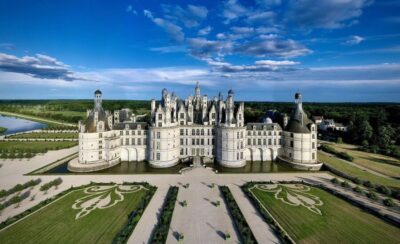
Loire Valley Castles Day Trip from Paris with Complementary Wine
Read our review →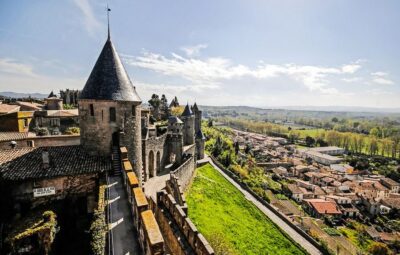
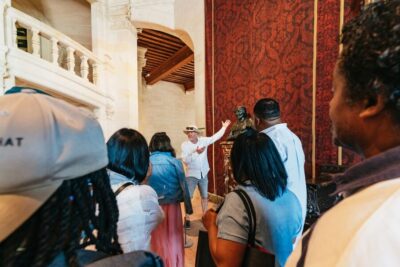
Loire Valley Castles Day Trip With Wine Tasting
Read our review →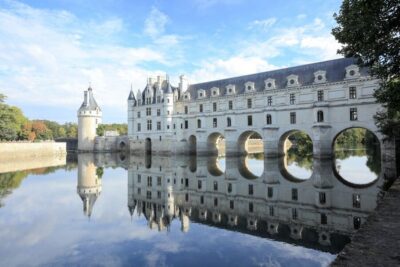
Medoc or Saint Emilion Wine Tasting and Chateau from Bordeaux
Read our review →
Browse the lists this tour appears in