
Review · FRANCE
Château de Luc: Unique visit and wine tasting
The most unusual part of this Château de Luc visit comes below the old house: a 14th-century underground cellar tied to centuries of wine production. Before you taste anything, you follow the story of the estate and the wider Midi wine country, from the prosperous 19th century to the hard-fought revolt of 1907.
I like two things right away. First, this is a family-run working wine business, not just a polished tasting room. Second, the $15 price includes a tour in French, English, or Spanish plus three to six organic wines. The main consideration is access: the underground cellar is not suitable for wheelchair users, and one person found the visit shorter and the wines disappointing.
Key points to know
- A 14th-century cellar: Go underground beneath the historic home to see one of the estate’s most unusual spaces, including aging barrels.
- A wine tour with real regional context: The story covers the Golden Age of 19th-century viticulture and the great wine revolt of 1907.
- Three to six organic wines: Tastings can include IGP Pays d’Oc, AOC Languedoc, Corbières, and Minervois bottles.
- A family-led experience: Jeanne has guided visitors through the château, family story, wine production, and tasting with a relaxed, personal approach.
- Good value at $15: The price combines heritage, cellar access, a live guide, and a broad tasting.
- Check your arrival route: One visitor found the directions to the visitor area could be clearer.
Why Château de Luc is more than a quick wine tasting
Many wine tastings begin and end at a counter. Château de Luc gives you a reason to care about the bottle before it reaches your glass. You walk through historic rooms, hear about the family estate, and go underground into an old cellar before settling into the tasting room.
That order matters. You are not simply asked to judge a wine by its flavor. You first learn about the place that produced it and the long work of growing grapes in the Languedoc. The experience links architecture, local politics, family memory, and modern organic winemaking.
I would choose this visit if you want a short cultural stop with your tasting. It suits people who like wine but do not want a technical lecture lasting half a day. It also works well for anyone interested in Occitan history, since the story reaches beyond the château itself.
The advertised price is $15 per person. For that amount, you receive the guided visit, access to the old cellar, and three to six organic wines. That is strong value if you appreciate both history and tasting. If you only want a long, detailed examination of winemaking methods or an extensive food pairing, this may feel more modest.
More Castle Tours in France:
- Loire Valley Castles Day Trip from Paris with Complementary Wine
★ 4.5 · 3,907 reviews - Carcassonne: Castle and Ramparts Entry Ticket
★ 4.6 · 2,884 reviews - Chambord: Entry Ticket to the Castle
★ 4.6 · 1,841 reviews
Walking through the château’s historic rooms
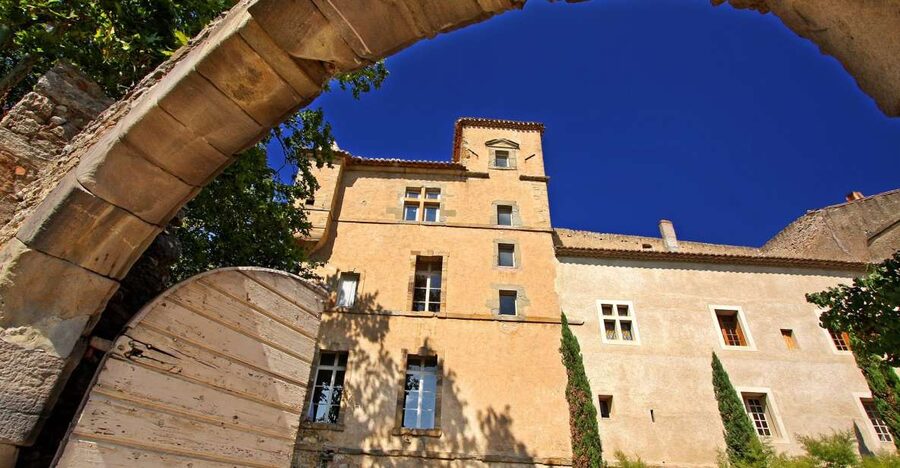
The visit begins inside Château de Luc, where the historic rooms set the scene for the family business. The building is not treated as a decorative backdrop. Its rooms help explain how the estate developed and how wine shaped daily life in this part of southern France.
Your guide leads you through the centuries, connecting the château to the growth of the surrounding wine region. The focus is not only on a family tree or a list of dates. You get a wider story about the rise of commercial viticulture and the pressures that came with it.
This is where the tour earns its historical character. The Languedoc was not always viewed as a source of carefully branded wines. The 19th-century boom brought major production and prosperity, but it also created serious problems when markets, prices, and quality failed to keep pace.
The tour then reaches the great revolt of 1907, a major event in the history of southern French wine. You do not need to arrive with background knowledge. The guide explains why vineyard owners and wine workers were pushed into protest and how that period shaped the identity of the Midi wine region.
I especially like this part because it gives the tasting a human scale. A glass of Corbières or Minervois becomes part of a story about work, money, land, and regional pride. You may not remember every date, but you will better understand why wine matters so much in this corner of France.
Going below the old home into the 14th-century cellar
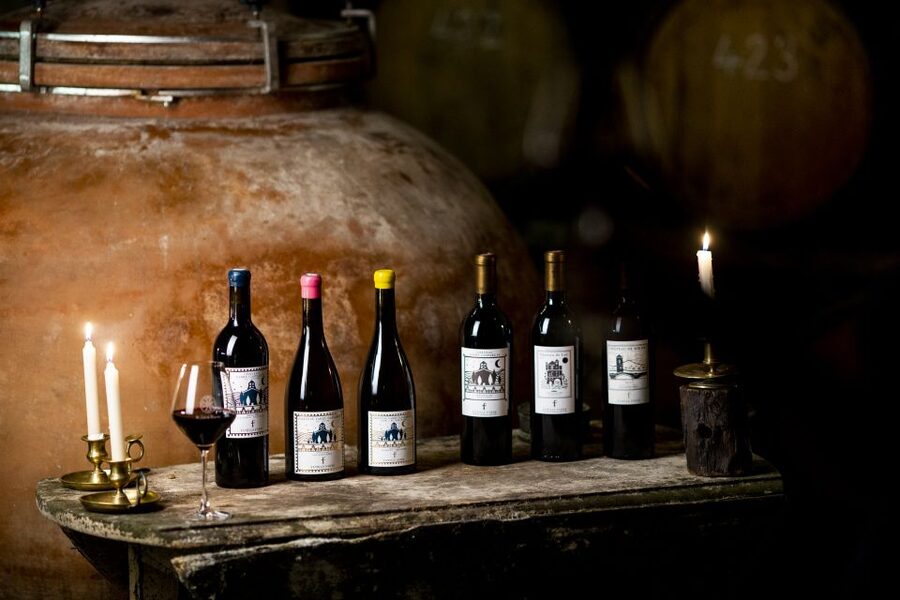
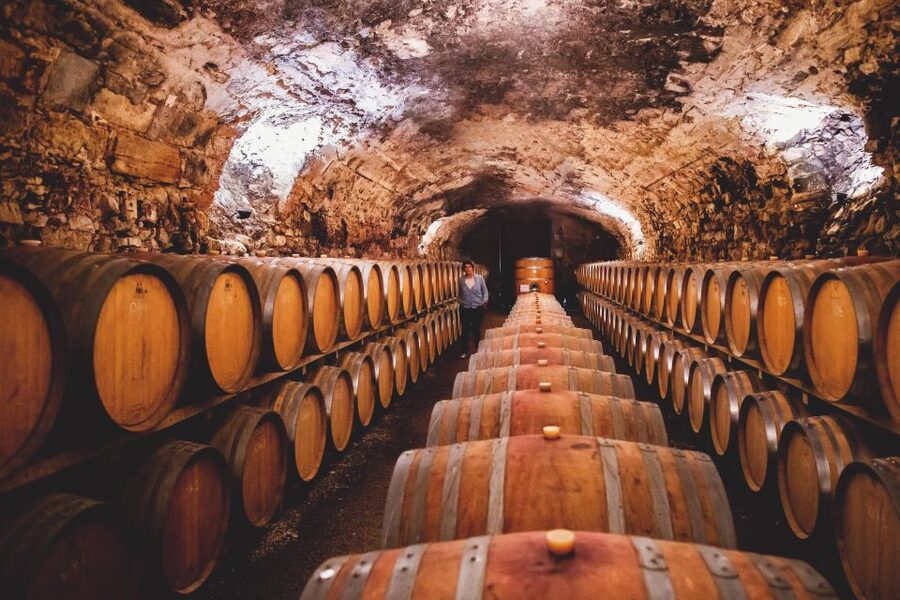
The underground cellar is the strongest physical feature of the visit. It dates to the 14th century and sits beneath the old home, giving you a tangible connection to the château’s earlier years.
The atmosphere changes as you leave the rooms above. Instead of looking at the estate from a social or family angle, you see the practical side of wine production. The cellar has been used for the long process of storing and aging wine, and you may see aging barrels during the visit.
Do not expect a modern winery tour filled with large stainless steel tanks and a long production line. The appeal here is the old stone setting and the sense that the building’s earlier functions remain part of the present-day business. The cellar is valuable because it is a real historic space, not a replica built for tourism.
This portion may be less comfortable for anyone with limited mobility. The experience is specifically listed as unsuitable for wheelchair users. If stairs, uneven surfaces, or underground access are a concern, ask the château about current conditions before booking.
The cellar also gives the guide a natural place to explain how wine is made and stored. The exact technical detail can vary with the guide and the questions you ask. You can ask about vineyard management, fermentation, aging, and the estate’s organic approach.
The story of the Midi wine region and 1907
The historical section is not filler between rooms. It is one of the main reasons to choose this experience over a basic tasting.
The 19th century brought a golden period for wine production in the south of France. Vineyards expanded, wine became a major economic force, and estates such as Château de Luc were tied closely to the fortunes of local communities.
Then the good years became more complicated. Production, pricing, and quality created tension, leading to the great revolt of 1907. The event remains an important reference point in Languedoc wine culture, and the guide uses it to show how economic trouble can affect an entire region.
I find this kind of context useful because it avoids treating wine as a luxury product floating above ordinary life. Wine here was work, income, politics, and identity. Once you understand that, the choice of local appellations at the tasting table carries more weight.
The tour is also a good fit if your interests extend beyond wine. You do not have to be an expert to enjoy the historical story. The visit gives you a compact introduction to a major chapter in southern French life without requiring a separate museum visit.
Same walls, a different way in:
- From Paris: Loire Valley Castles Day Trip With Wine Tasting
★ 4.6 · 1,727 reviews - Chenonceau Castle Admission Ticket
★ 4.7 · 1,515 reviews - Medoc or Saint Emilion Wine Tasting and Chateau from Bordeaux
★ 5.0 · 1,415 reviews - ★ Walking Tour of Old Nice and Castle Hill
★ 5.0 · 1,318 reviews
Tasting organic wines in the old stable
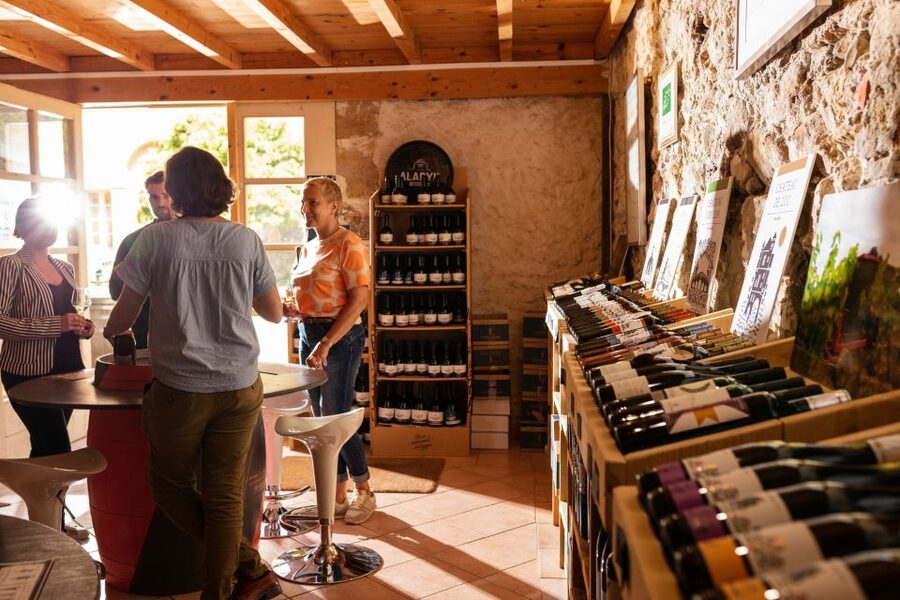
After the château and cellar, you move to the tasting room, which is housed in an old stable. This change of setting keeps the visit connected to the estate’s working past. You are not tasting in an anonymous shop; you are tasting in a building with its own history.
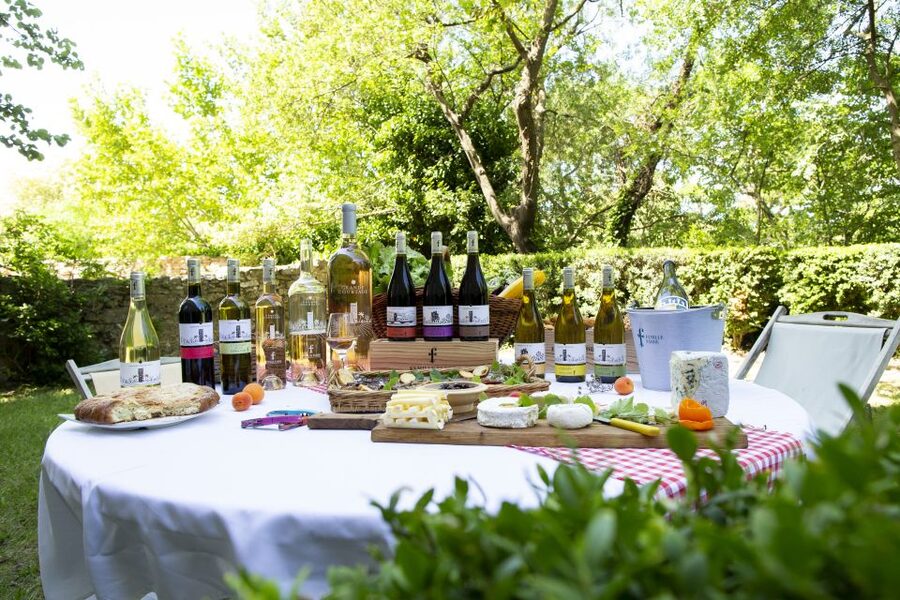
The selection normally includes three to six organic wines. The range can cover IGP Pays d’Oc along with AOC Languedoc, Corbières, and Minervois wines. That gives you a useful comparison between broad regional classification and more specific appellations.
You should expect variety rather than a single house style. The estate produces many wines, and the tasting allows you to compare bottles from different categories. Some people may find several wines they like, while another person may prefer only one or two. Wine is personal, and the experience leaves room for that.
The organic label is important for visitors who want to understand how the estate manages its vineyards. You can ask questions about vineyard care, winemaking, and the choices behind the bottles. The guide is happy to discuss the process rather than simply pour and move on.
The tasting also has a practical side. If you find a wine you like, bottles are available at what one visitor considered a reasonable cost. You do not have to buy anything, but the tasting gives you a chance to identify a bottle that suits your own taste instead of choosing at random from a shelf.
One caution is fair. Not every palate will agree with the selection. One person rated the wines poorly and found the visit too short. That opinion is worth keeping in mind, especially if your main goal is a serious wine evaluation. The strongest case for Château de Luc is the combination of history, place, and tasting, not a guarantee that every bottle will be your favorite.
Guides, languages, and the personal feel
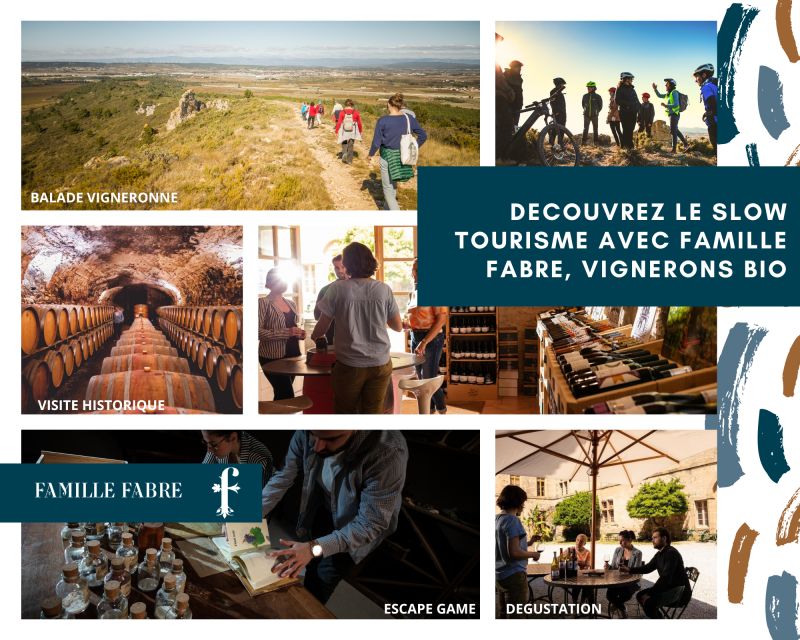
The tour is offered in French, English, and Spanish. That makes it easier to follow the historical explanation and ask detailed questions about the wine.
Jeanne has guided the visit with a personal style, sharing both wine expertise and family involvement in the estate. The family connection matters here. You are hearing about a business that is still active and changing, not a château presented as a frozen monument.
The guide can answer questions about vineyard management, winemaking, local sites, and the wines in your glass. I would use that opportunity. Ask why a particular bottle carries an IGP designation, how the AOC wines differ, or what makes Corbières and Minervois distinct within the wider Languedoc area.
The tone appears to be warm and direct rather than formal. That is useful if you are new to wine. You can ask basic questions without worrying that the tour is aimed only at specialists.
There is also some flexibility in the staff’s approach. One group arrived later because of time problems and was still accommodated. You should not rely on that, but it suggests a human touch when plans go wrong.
How the $15 price compares with the experience
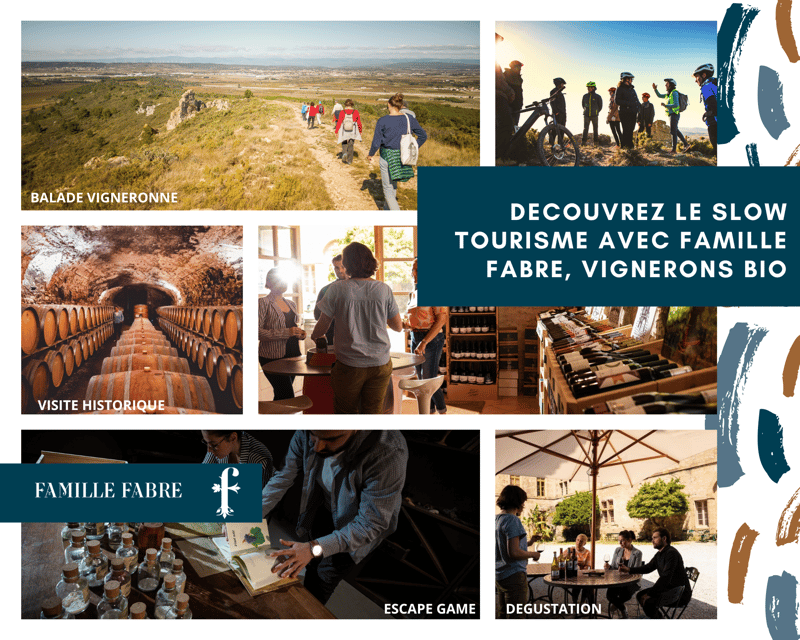
At $15, this is one of the easier wine experiences to justify financially. You receive more than a pour at a shop: historic rooms, an underground cellar, a regional story, a live guide, and three to six organic wines.
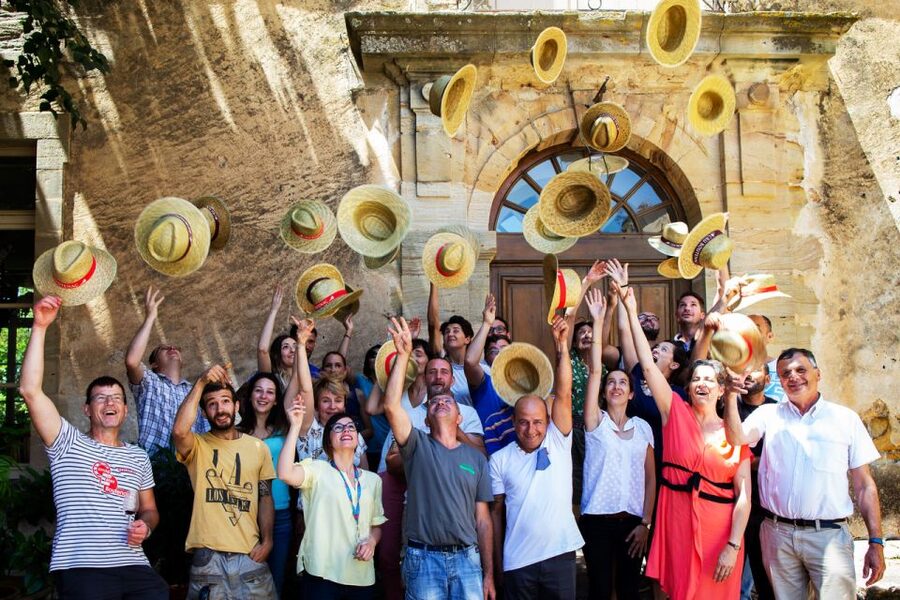
The value is strongest for a mixed-interest group. If one person wants architecture, another wants history, and another wants wine, everyone gets something from the visit. The free admission for under-age children also makes it more practical for families, although only adults take part in the wine tasting.
The value is less clear if you want a long technical winery tour. The visit’s exact length is not provided, and one person found it short. Think of it as a compact château and cellar experience with tasting, not a full-day vineyard course.
The activity is listed as valid for one day, with starting times depending on availability. That describes the booking window rather than a promise that the tour itself lasts all day. Check the available time before planning other activities around it.
Free cancellation up to 24 hours in advance and the option to reserve now and pay later make the booking less risky. These policies are useful if your route through southern France is still shifting.
Practical advice before you go
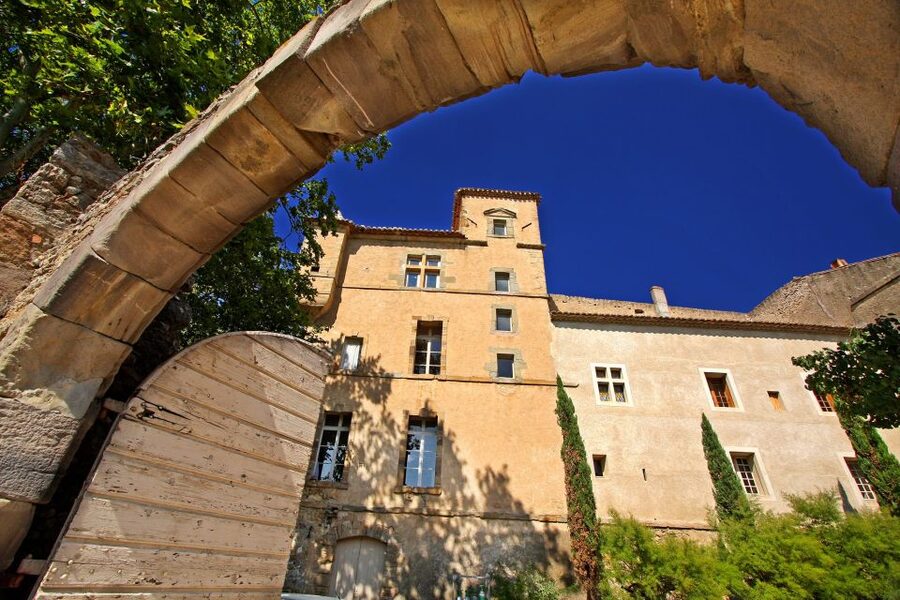
Give yourself enough time to locate the visitor area. One person specifically found the directions less clear than expected. Look carefully at the meeting information before setting out, especially if you are arriving by car.
Wear footwear suitable for an old historic building and cellar. The tour goes underground, and access may not be comfortable for wheelchair users. The supplied information does not give a detailed description of stairs or floor surfaces, so contact the estate if those details affect your decision.
Choose the language that lets you follow the history easily. The wine names and regional classifications can be confusing if you are also trying to translate the guide’s explanation in your head.
If you are bringing children, remember that under-age children can visit for free, but the tasting is intended for adults. The historic rooms and cellar give children something to look at, though the main appeal for them may be the building rather than the wine discussion.
Plan to ask questions. The guide is prepared to talk about the estate, organic vineyard work, winemaking, and nearby places worth visiting. A little curiosity will make the tasting more useful.
Who should book Château de Luc
I would recommend this for wine drinkers who want history with their tasting. It is also a good choice for couples, small groups, and families with older children who are interested in old buildings and regional culture.
It suits a first visit to Languedoc particularly well because it introduces several local wine names in one place. You can taste wines from Pays d’Oc, Languedoc, Corbières, and Minervois, then use that background during later meals or winery visits.
I would be more cautious if you have limited mobility, dislike underground spaces, or want an extensive technical tour. I would also keep expectations realistic about the wine. The tasting offers range, but personal preference will decide how much you enjoy the bottles.
Should you book this visit?
Book Château de Luc if you want a fairly priced, family-run experience that combines a 14th-century cellar, local history, and organic wine. The best parts are the connection between the château and the 1907 wine revolt, the old cellar beneath the home, and the chance to speak directly with a passionate guide such as Jeanne.
Skip it if your only goal is a long vineyard walk, a formal food pairing, or a guaranteed selection of wines that match your taste. For most visitors interested in the story behind Languedoc wine, though, $15 buys a thoughtful introduction to the estate and the region.
FAQ
How much does the Château de Luc visit cost?
The visit costs $15 per person.
How many wines are included in the tasting?
The tasting includes a selection of three to six organic wines.
Which wines might be included?
The selection can include IGP Pays d’Oc, AOC Languedoc, Corbières, and Minervois wines.
What languages is the tour offered in?
The live tour is available in French, English, and Spanish.
Is the visit suitable for children?
Under-age children can visit for free. The wine tasting itself is for adults.
Can wheelchair users take part?
The activity is listed as unsuitable for wheelchair users.
Can I cancel my booking?
You can cancel up to 24 hours in advance for a full refund. The reserve-now, pay-later option is also available.
Newly walked in France
- Château de Fieuzal, Pessac-Léognan: Visit and Tasting★ 5.0 · 18 reviews
- Full-day Saint-Emilion: Village, Undergrounds and Châteaux★ 4.5 · 55 reviews
- Saint Emilion Castle and Village Wine Tour★ 4.5 · 23 reviews
- Private Wine Lovers – Super St Emilion – behind the scenes visits top chateaux and medieval town★ 5.0 · 25 reviews
- Bordeaux Médoc Region Private Wine Lovers Tour with Chateau Visits & Tastings★ 5.0 · 40 reviews
- On the Medoc Castle Route on a full day private tour (Premium Sedan)★ 3.0 · 2 reviews
- Full Day Tour Saint Emilion with lunch two Chateaux and Village★ 5.0 · 49 reviews
- Bordeaux to Dordogne – Private Tour: Fortified Castles and Medieval Villages★ 4.5 · 4 reviews
France Castle Tours, compared.

Loire Valley Castles Day Trip from Paris with Complementary Wine
Read our review →
Loire Valley Castles Day Trip With Wine Tasting
Read our review →
Medoc or Saint Emilion Wine Tasting and Chateau from Bordeaux
Read our review →
Browse the lists this tour appears in