
Review · FRANCE
Château-Thierry: Belleau Wood & the 2nd Battle of the Marne
Belleau Wood is not one neat battlefield behind a single gate. The fighting spread through villages, wheat fields, farms, woods, and hills. This private seven-hour tour helps you connect those scattered places into one hard, human story, with Frederick, a former French army colonel, leading the way.
I like the close look at the actual ground, including foxholes, trenches, village streets, and fortified farm remains. I also like the respectful attention given to Marine history, from the 2nd Division monument to Lieutenant Osborne’s grave and the names of the missing at the Aisne-Marne Cemetery.
The main drawback is the pace. You cover a large area in seven hours, and this is serious military history rather than a light countryside outing. The tour is not suitable for children under 11 or wheelchair users, and food is not included, so plan your day accordingly.
Key points to know before you book
- Belleau Wood is spread across several sites: You visit the wood, nearby villages, farms, cemeteries, and high ground rather than one compact memorial.
- Frederick brings military experience: He is a former French army colonel who has led this tour for years and focuses closely on the battle’s Marine history.
- You see surviving battlefield traces: Foxholes, trenches, fortified farm remains, monuments, and cemetery walls make the events easier to picture.
- The route follows several American units: The 2nd Division, 6th Marine Regiment, 42nd Division, and 167th Infantry Regiment all have a place in the story.
- The private format helps with questions: Transport is provided for your group of up to four, with English or French guiding.
- The price works best for a full group: At $759 per group, the cost is about $190 each when four people share it, before food and personal expenses.
Why Belleau Wood needs a guide
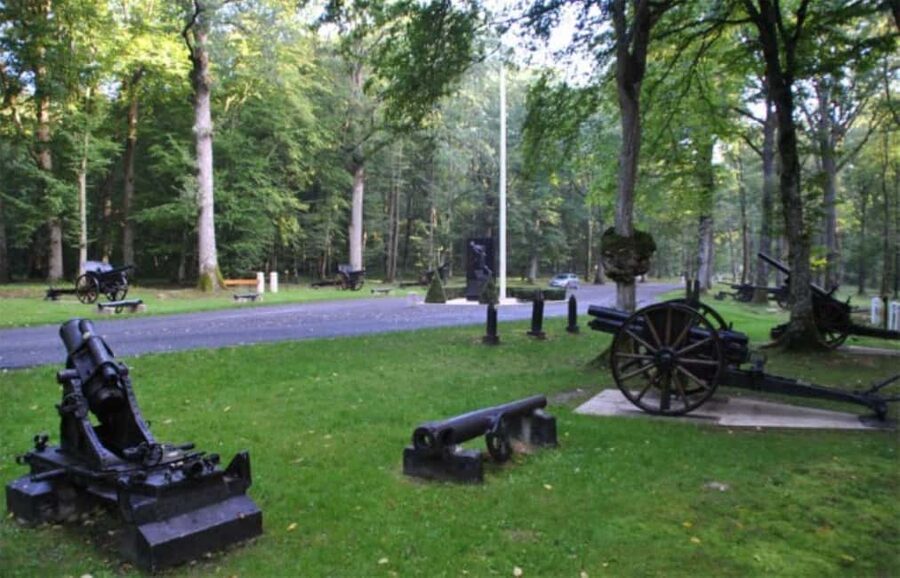
The first thing to understand is the shape of the battlefield. Belleau Wood is not a tidy park where you can walk from one sign to the next and grasp the whole action in an hour. The fighting around Château-Thierry reached into Lucy-le-Bocage, Bouresches, Belleau, farms, hills, and open fields.
That makes a guide especially useful here. On your own, you can visit the cemetery and walk in the wood, but it is harder to understand why one village mattered, how an attack moved across a wheat field, or why Hill 204 mattered to both sides.
Frederick’s background adds a military eye to the visit. He is described as a former French army colonel and a long-time Belleau Wood specialist. You can expect attention to troop movements, terrain, and the small details of Marine history, not just a list of dates.
The subject also carries emotional weight. The cemeteries are quiet and carefully maintained, while the woods and villages give the battle a physical setting. I appreciate that the route treats the ground with respect rather than turning it into a collection of dramatic anecdotes.
More Castle Tours in France:
- Loire Valley Castles Day Trip from Paris with Complementary Wine
★ 4.5 · 3,907 reviews - Carcassonne: Castle and Ramparts Entry Ticket
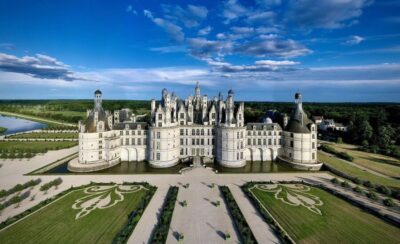
★ 4.6 · 2,884 reviews - Chambord: Entry Ticket to the Castle
★ 4.6 · 1,841 reviews
Lucy-le-Bocage and the 2nd Division monument
The tour begins in the center of Lucy-le-Bocage, where you see the monument to the 2nd Division. From there, you walk across the village and identify the main position of the 6th Marine Regiment.
This opening stop gives you useful orientation. Instead of starting with an isolated memorial, you begin among the places that shaped the fighting. The village helps show how close the action came to homes, roads, and ordinary daily life.
You should expect a walking tour with some time outside the vehicle. Comfortable shoes are sensible, since the day includes village streets, cemetery paths, and a walk through Belleau Wood.
The value here is context. The monument tells you who served, but the village helps you understand where those men had to move and fight. Frederick can use the ground itself to explain distance and direction, something that maps and books do less well.
Bouresches and the Marine attack
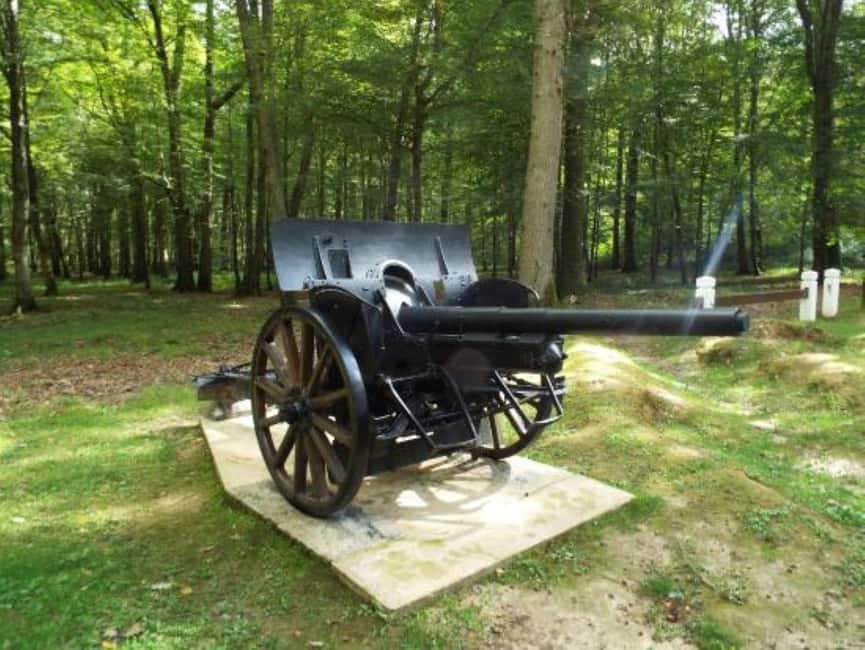
Next comes Bouresches, a village tied to the Marine assault. Here, the story turns from broad battlefield movement to individual acts of courage.
You learn about the attack on the village, the action of Captain Duncan, and Lieutenant Osborne of the US Navy, who received the Medal of Honor. Osborne is buried at the Aisne-Marne American Cemetery, which you visit later in the day.
I like this structure because the tour does not leave heroism floating in the air. You first hear about the action in the village, then later reach the actual grave. That connection gives the cemetery visit more meaning.
Bouresches also shows why this battlefield can be difficult to follow. A village that looks peaceful today once formed part of a violent military operation. You need the guide to point out how the place fit into the wider attack, since modern streets alone will not explain it.
Walking through Belleau Wood
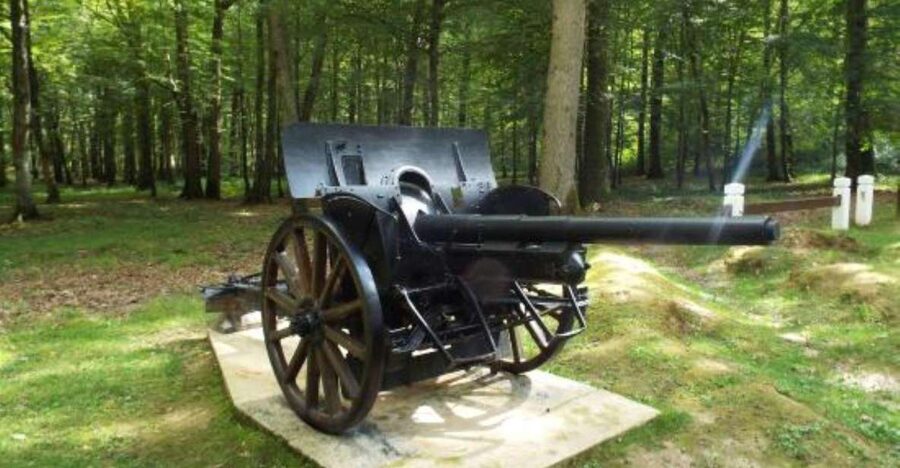
The walk in Belleau Wood is the central physical experience. You see remains of the battle, including foxholes and trenches, and get a sense of the rough ground where soldiers fought.
Do not expect a grand ruin or a preserved trench system on the scale of some famous European battle sites. The importance lies in the surviving traces and in Frederick’s explanation of how they fit together. A shallow depression or line in the ground can mean much more once you understand its purpose.
This is also the part of the day that requires the most practical care. The tour is not suitable for wheelchair users, and the route includes walking outdoors. The supplied details do not give a precise distance or surface condition, so ask about the day’s walking needs before booking if mobility is a concern.
The wood can be especially powerful for people with a family connection to the battle. One participant had a great-grandfather in the 2nd Battalion, 5th Marines, who survived the fighting. If you have a similar family story, bring names, unit details, or old photographs if you have them. They can help make the visit more personal, though the tour remains focused on the historical ground rather than genealogy research.
Same walls, a different way in:
- From Paris: Loire Valley Castles Day Trip With Wine Tasting
★ 4.6 · 1,727 reviews - Chenonceau Castle Admission Ticket
★ 4.7 · 1,515 reviews - Medoc or Saint Emilion Wine Tasting and Chateau from Bordeaux
★ 5.0 · 1,415 reviews - ★ Walking Tour of Old Nice and Castle Hill
★ 5.0 · 1,318 reviews
Belleau village and Aisne-Marne American Cemetery
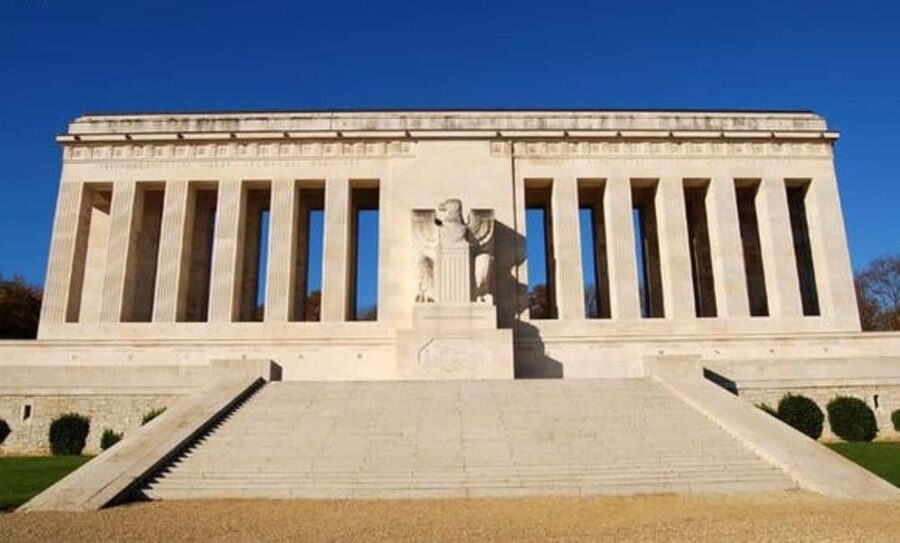
Belleau village follows the walk in the wood. You then visit the Aisne-Marne American Cemetery, where Lieutenant Osborne is buried.
The cemetery also includes a chapel and a wall bearing the names of missing Marines and soldiers. This is one of the strongest stops for understanding the scale of the battle. A grave gives you one known life, while the wall reminds you of those whose remains were not identified or recovered.
I find cemeteries like this most useful when you take time to look beyond the architecture. Notice the names, ranks, and dates. The visit is not rushed into a quick photo stop, since it ties directly to the story already told at Bouresches.
The chapel provides a quiet pause after the outdoor battlefield walk. You should dress for changing weather and bring water, although bottles are supplied in the vehicle. Food, drinks, and snacks beyond that are not included.
The German Cemetery and the view across the fighting
The route then reaches a German Cemetery, followed by a panorama of the battlefield. This changes the point of view in a useful way.
American memorial sites naturally focus on American loss and sacrifice. The German cemetery reminds you that the battle was fought by two armies, and that the dead on both sides were young men caught in the same terrible campaign.
The panorama helps tie the scattered stops together. From higher ground, you can better see the relationship between the wood, villages, farms, and roads. I would pay close attention here to Frederick’s explanation of what each side could observe and why certain areas mattered.
This is one reason a private vehicle is helpful. The sites are spread out, and the day would be difficult to manage efficiently by public transport. You are not spending the whole day trying to find the next village or cemetery.
Hill 204 and the military value of high ground
Hill 204 offers another broad view and a large monument. You also visit its interpretive center.
The hill mattered because of its position above the surrounding area. The panorama allows you to see why it was important to both German and Allied forces. This is the sort of detail that can seem abstract on a map but becomes clear when you look from the actual height.
I like the contrast between Hill 204 and Belleau Wood. In the woods, you focus on cover, trenches, and close combat. On the hill, you think about observation, movement, and control of the wider area.
The interpretive center adds another layer, but the quality of your visit will depend partly on how much time is available after the other stops. Seven hours is enough for a broad route, but not unlimited. If Hill 204 matters most to you, tell Frederick early so you can give it proper attention.
Croix Rouge Farm and the 42nd Division
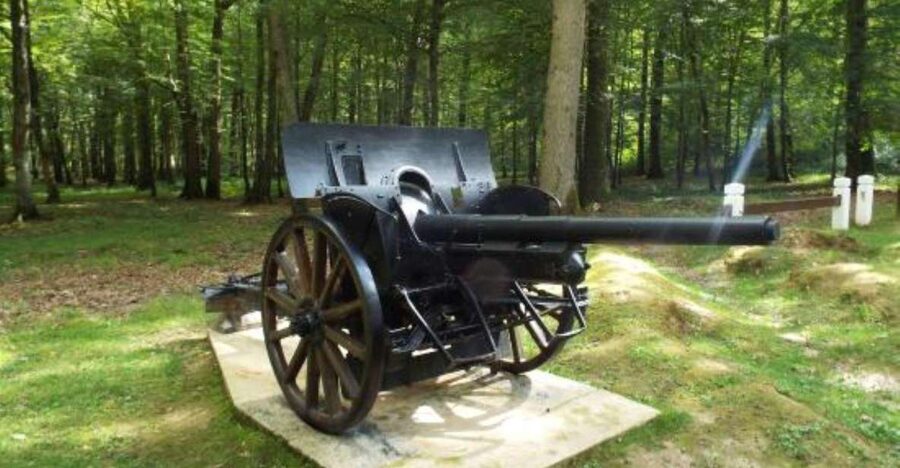
The next stop is the remains of the fortified Croix Rouge Farm. It was occupied by German forces and became part of the action involving the 42nd Division and the 167th Infantry Regiment from Alabama.
This stop brings the battle into a farm setting. Fortified farms were not just rural buildings. They could serve as strongpoints, and taking one could cost many lives. The surviving remains help you picture how an ordinary agricultural site became part of a military defense.
You also see a monument honoring the sacrifice of the 167th Infantry Regiment. That detail matters because the tour does not limit the story to Marines. The route shows how several American units took part in the wider fighting around the Marne.
For me, this is one of the better reasons to choose the full private route instead of visiting only Belleau Wood. You see how the campaign extended beyond the famous name. The story becomes one of coordinated attacks, difficult terrain, and heavy losses across a wider area.
Joyce Kilmer at Oise-Aisne American Cemetery
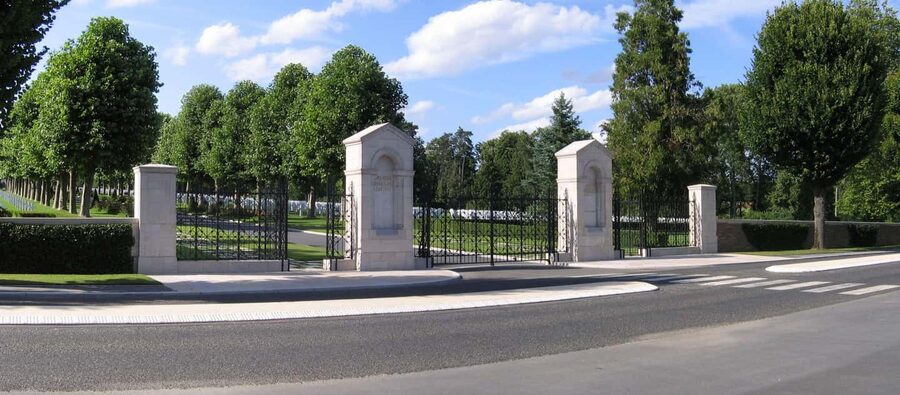
At the Oise-Aisne American Cemetery, you stop at the grave of Joyce Kilmer, the poet and soldier of the 165th Infantry Regiment, 42nd Division. He was killed in action on July 30, 1918.
Kilmer gives the military story a literary connection. You are not only looking at a name associated with a unit, but at a writer whose life ended in the same war the tour has been tracing through farms, villages, and woods.
The cemetery visit also keeps the human scale in view. After hearing about divisions and regiments, you come back to one individual grave. That shift is helpful during a long day of military history.
You may want to read about Kilmer before the tour if he is a particular interest. The information provided confirms the grave and his service, but the day is built around the battlefield rather than a dedicated literary program.
The Quentin Roosevelt Fountain
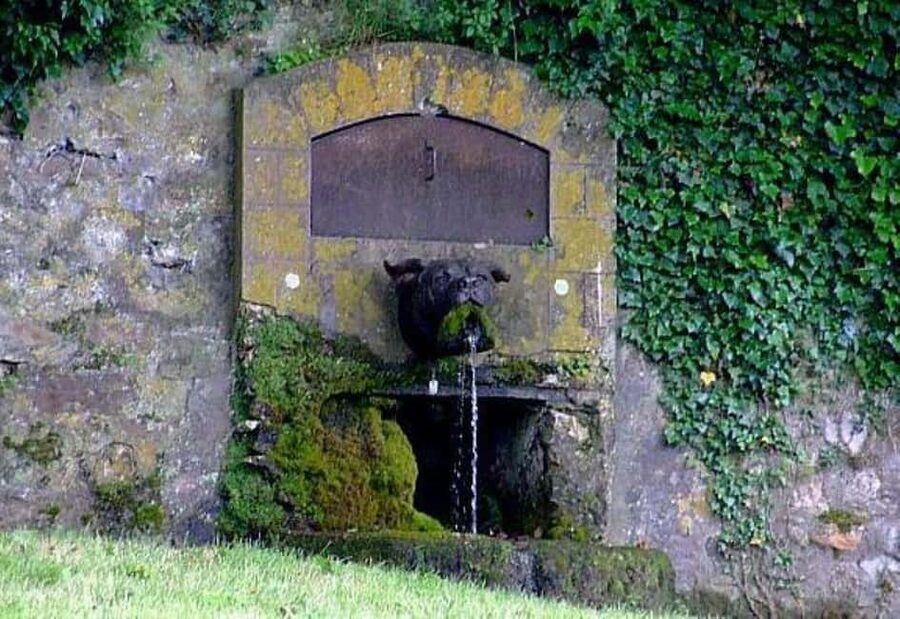
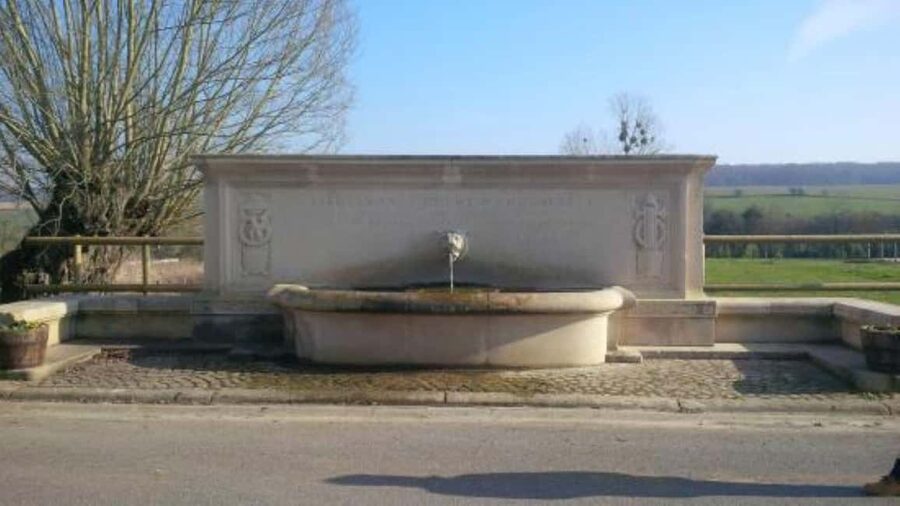
The final stop is the Quentin Roosevelt Fountain, given to the village by the Roosevelt family in memory of their son.
It is a fitting ending because it brings the story back to a village and to family remembrance. The route begins with military monuments and ends with a memorial gesture connected to a prominent American family.
The fountain also shows how remembrance can take different forms. Some memorials are monumental, some are engraved walls, and some are practical objects placed in a community. Together, they show how the war remained part of local and family memory.
You also get a chance to drink from the fountain, according to the experience details. It is a small moment, but a memorable one, especially after a day spent following the battle through the nearby towns and fields.
What the $759 private price really buys
The price is $759 per group of up to four people. If four people share the cost, it comes to about $189.75 per person. For two people, the per-person cost is much higher, so this experience offers its best value to a family or small group that can fill the vehicle.
You are paying for private transportation, an English-speaking French guide, and a seven-hour route through sites that are spread across the region. Bottled water is supplied in the vehicle. Food, drinks, snacks, and personal expenses are extra.
The strongest part of the value is the guide’s role. Belleau Wood can be visited independently, but the battle’s scattered geography makes self-guided interpretation difficult. If you already have a strong knowledge of the 1918 campaign, you may prefer to drive yourself and choose a few sites. If you want the battlefield explained as one connected story, the private format makes more sense.
The tour also gives you flexibility that a large group outing cannot. You can ask questions about a relative, a unit, the Marines, or a specific location. Frederick has been praised for punctuality, humor, accommodation, and respectful treatment of the site, but remember that the day remains focused and serious.
You can cancel up to 24 hours before the tour for a full refund, and you can reserve now while paying later. Starting times depend on availability, so check the schedule before building the rest of your day around it.
Who should book this Belleau Wood tour?
I would choose this tour if you have a Marine connection, a family link to the First World War, or a serious interest in battlefield history. It also suits anyone who wants to understand the 2nd Battle of the Marne through physical places rather than a museum display alone.
The tour is less suitable if you want a relaxed French countryside drive, a short memorial visit, or a day built around food and village sightseeing. Seven hours is a long commitment, and the subject matter can be heavy.
Children under 11 are not accepted, and wheelchair users cannot take part. The tour is offered in English or French, with a private group limited to four people.
Should you book it?
Book this tour if you want the battlefield explained by someone who knows the military ground and can connect the villages, woods, farms, and cemeteries. Frederick’s former French army experience and long focus on Belleau Wood are the main reasons to choose a guided visit instead of driving from marker to marker.
I would especially recommend it to Marines, military families, and anyone following an ancestor’s service. If you are a casual sightseer with only an hour or two to spare, the full route may be too much. For the right audience, though, the combination of battlefield remains, carefully chosen memorials, and personal stories makes the $759 group price reasonable, particularly when four people share it.
FAQ
How long does the Château-Thierry battlefield tour last?
The tour lasts seven hours.
How much does the private tour cost?
The price is $759 per private group of up to four people.
Which languages are available?
The live guide can lead the tour in English or French.
What is included in the price?
The price includes an English-speaking French guide, private transportation, and bottles of water in the vehicle.
Are food and drinks included?
No. Food, drinks, snacks, and personal expenses are not included.
Is the tour suitable for children or wheelchair users?
The tour is not suitable for children under 11 or for wheelchair users.
Newly walked in France
- Château de Fieuzal, Pessac-Léognan: Visit and Tasting★ 5.0 · 18 reviews
- Full-day Saint-Emilion: Village, Undergrounds and Châteaux★ 4.5 · 55 reviews
- Saint Emilion Castle and Village Wine Tour★ 4.5 · 23 reviews
- Private Wine Lovers – Super St Emilion – behind the scenes visits top chateaux and medieval town★ 5.0 · 25 reviews
- Bordeaux Médoc Region Private Wine Lovers Tour with Chateau Visits & Tastings★ 5.0 · 40 reviews
- On the Medoc Castle Route on a full day private tour (Premium Sedan)★ 3.0 · 2 reviews
- Full Day Tour Saint Emilion with lunch two Chateaux and Village★ 5.0 · 49 reviews
- Bordeaux to Dordogne – Private Tour: Fortified Castles and Medieval Villages★ 4.5 · 4 reviews
France Castle Tours, compared.

Loire Valley Castles Day Trip from Paris with Complementary Wine
Read our review →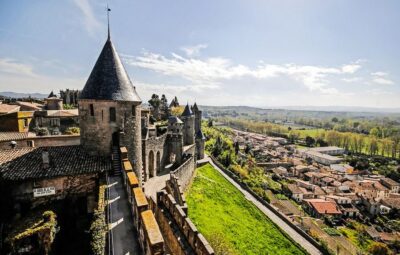
Loire Valley Castles Day Trip With Wine Tasting
Read our review →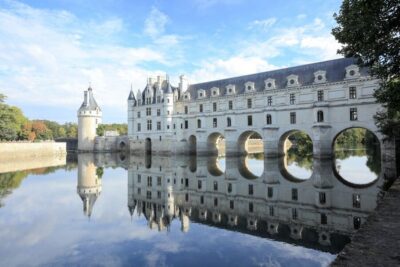
Medoc or Saint Emilion Wine Tasting and Chateau from Bordeaux
Read our review →
Browse the lists this tour appears in