
Review · CORDOBA
Cordoba: 2.5-Hour Guided Jewish Quarter and Alcazar Tour
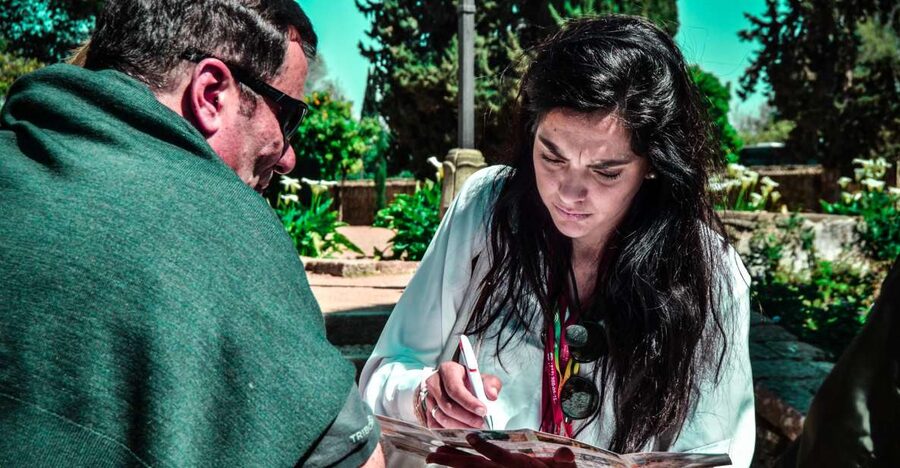
Cordoba’s story comes alive in its narrow lanes, where a former mosque, Jewish quarter, medieval synagogue, and Christian chapel sit within an easy walking route. This 2.5-hour guided walk links several landmarks that can feel scattered when you visit alone.
I like the local focus and the single-language guiding, which keeps the history easier to follow. I also like the $34 price, especially since entrance fees are included and skip-the-line access saves time. The main drawback is important: restoration work limits the Alcazar visit to the gardens and Arab Baths, and bad weather can close the gardens too.
Key points to know before booking
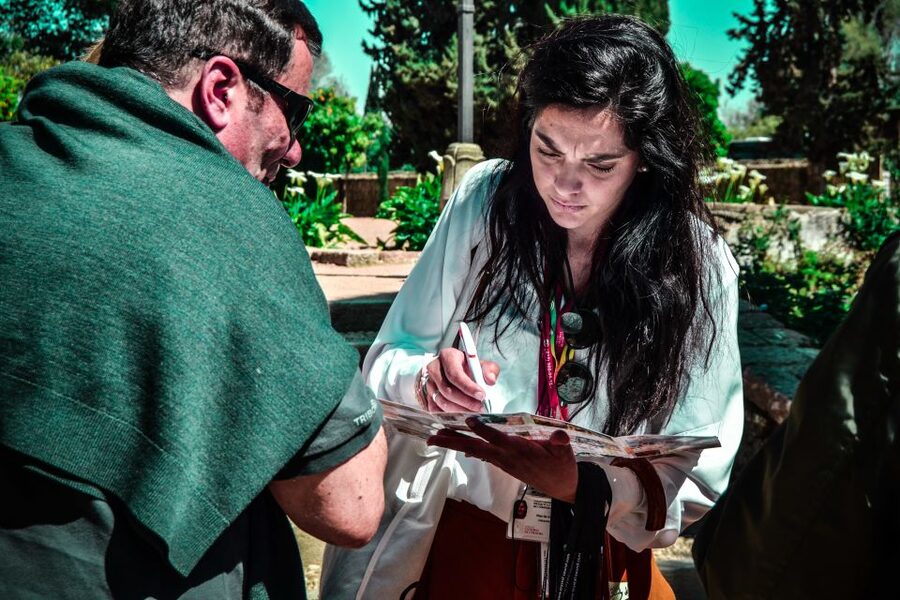
- The Alcazar visit is currently partial: You enter the gardens and Arab Baths, not the fully accessible palace interiors or towers.
- The route packs in several layers of Cordoba: Islamic, Jewish, and Christian landmarks appear within a short historic walk.
- The 14th-century synagogue is a major stop: It is one of the few Jewish monuments in Cordoba to survive the city’s difficult past.
- Guiding is offered in one language at a time: Choose English or Spanish rather than following a multilingual presentation.
- Expect stairs and walking: The tour is not suitable for people with limited mobility, back problems, or mobility impairments.
- Meet at the orange umbrella: The starting point is Puerta del Perdón beside the Mezquita-Catedral.
A compact walk through Cordoba’s layered past
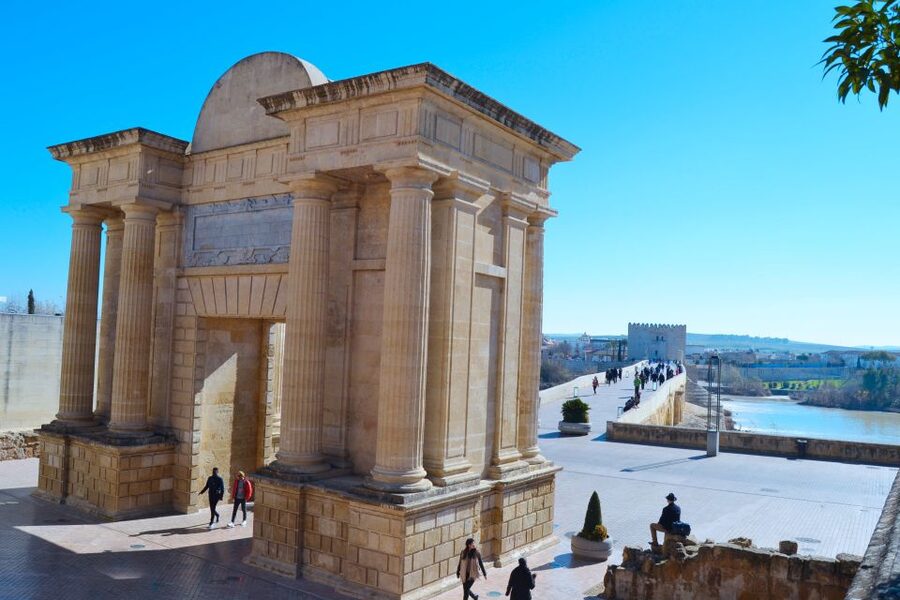
This tour works best if you want a clear introduction to Cordoba rather than a long, specialist visit to one monument. In a little over two hours, you move from an Arabic-era lane into the old Jewish Quarter, stop at a chapel and synagogue, browse a craft market, then finish at the Alcazar complex.
I like that the route gives you several different pieces of Cordoba’s past. You are not simply looking at grand facades. You hear about the city’s Islamic period, Jewish community, Christian rule, medical history, and traditional crafts in one outing.
The pace matters. Two and a half hours is long enough to provide context, but short enough to fit into a busy day. You will still need separate time for the Mezquita-Catedral, since the tour begins beside it but does not include a visit inside that monument.
More Alcazar Tours in Cordoba:
- Córdoba: Jewish Quarter, Mosque, and Alcázar Tour
★ 4.6 · 5,143 reviews - Cordoba: Alcazar Guided Tour and Skip-the-Line Ticket
★ 4.2 · 1,792 reviews - Córdoba: Mosque-Cathedral, Jewish Quarter and Alcázar Tour
★ 4.6 · 1,719 reviews
Starting at Puerta del Perdón
The meeting point is Puerta del Perdón at the Mezquita-Catedral, on Calle Cardenal Herrero 1. Look for the orange umbrella. This is a useful place to begin because the Mezquita area is one of Cordoba’s easiest landmarks to find, though the surrounding lanes can be confusing if you arrive in a hurry.
From here, the guide leads you toward Calleja de la Hoguera, a narrow street dating from the Arabic period. The lane gives you an immediate sense of old Cordoba: compact, shaded, and shaped by centuries of urban life rather than modern traffic.
You also see a historic mosque along this part of the route. The guide explains that historians believe Cordoba had more than 1,000 mosques in the 10th century. That figure helps put the city’s Islamic era into perspective, especially if your only previous image of Cordoba is the famous cathedral and its forest of arches.
This opening section is more about orientation and context than grand interiors. Keep your attention on the street plan, doorways, and small details. The narrow setting is part of the point.
Plaza Cardenal Salazar and the story of medicine
The walk continues into Plaza Cardenal Salazar, where you see a statue of Algafequi. He is described as the first doctor to perform eye surgery in Europe during the 12th century.
That is the sort of detail I appreciate on a walking tour. It moves Cordoba beyond a simple sequence of rulers and battles. You get a glimpse of the city as a place of medicine and learning, with links between different cultural traditions.
The square also contains an old 18th-century hospital that now serves as a university. The change in use gives you another practical way to read Cordoba’s buildings. A structure that once cared for patients now supports education, yet its earlier role remains part of the city’s memory.
Your guide is important here because the visual clues are not always obvious. The statue and building may take only a few minutes to see, but the explanation gives them weight.
San Bartolomé Chapel and its unusual background
One of the more distinctive stops is the Capilla Mudéjar de San Bartolomé. This is a Christian chapel with an Arabic-influenced design, built by a Jewish convert.
The building brings several parts of Cordoba’s past together in one small site. Its Mudéjar style reflects the continued use of Islamic artistic ideas in Christian architecture. Its builder’s background adds another layer, showing how religious identities and architectural traditions did not always fit into neat categories.
Your guide explains details that are easy to miss and points out the chapel’s less obvious history. This is a good example of why the tour format has value. If you walk past alone, you may recognize an old chapel. With context, you can see how its design and origins reflect the city’s changing society.
The route includes stairs, so this stop also helps set expectations for the rest of the walk. Wear practical shoes, and do not treat this as a smooth, fully accessible route.
More Castle Tours in Cordoba:
- Mosque-Cathedral, Alcazar & Jewish Quarter with Tickets
★ 4.5 · 793 reviews - Córdoba: Mosque-Cathedral and Alcazar Tour
★ 4.5 · 637 reviews - Cordoba: Alcazar of Christian Monarchs 1–Hour Guided Tour
★ 4.3 · 583 reviews - Córdoba Guided Tour of the Mosque, Jewish Quarter & Alcazar
★ 4.5 · 495 reviews
The craft souk and Cordoba’s local products
Next comes the souk, a craft market selling local Cordoba products. It gives the tour a change of pace after the historical explanations and religious buildings.
You have time to look around the market, though the activity does not include food or shopping costs. I would treat this as a brief cultural stop rather than a dedicated shopping excursion. The value is in seeing the kinds of local crafts associated with the city and taking a break from close attention to architecture.
If you want to buy something, remember that your purchase is separate from the $34 tour price. The tour includes guiding and entrance fees, not meals or personal shopping.
Entering the medieval synagogue
The synagogue is one of the most important stops on the route. Built in the 14th century, it is one of the few Jewish monuments in Cordoba to survive the city’s turbulent history.
The setting is intimate, and the age of the building gives the visit real force. This is not simply another old religious site. It helps you understand that Cordoba’s identity was shaped by Jewish life as well as Islamic and Christian rule.
The guide provides the historical frame, which is especially useful here. The synagogue’s survival is meaningful, but the building itself may not explain that story without help. You can expect a short visit rather than an extended museum-style presentation.
The Jewish Quarter section begins with origins in the 14th century and takes you through lanes, squares, and buildings that reflect the area’s long religious and civic history. I like this part of the route because it connects major monuments with the ordinary scale of the neighborhood.
Reaching the Alcazar complex during restoration
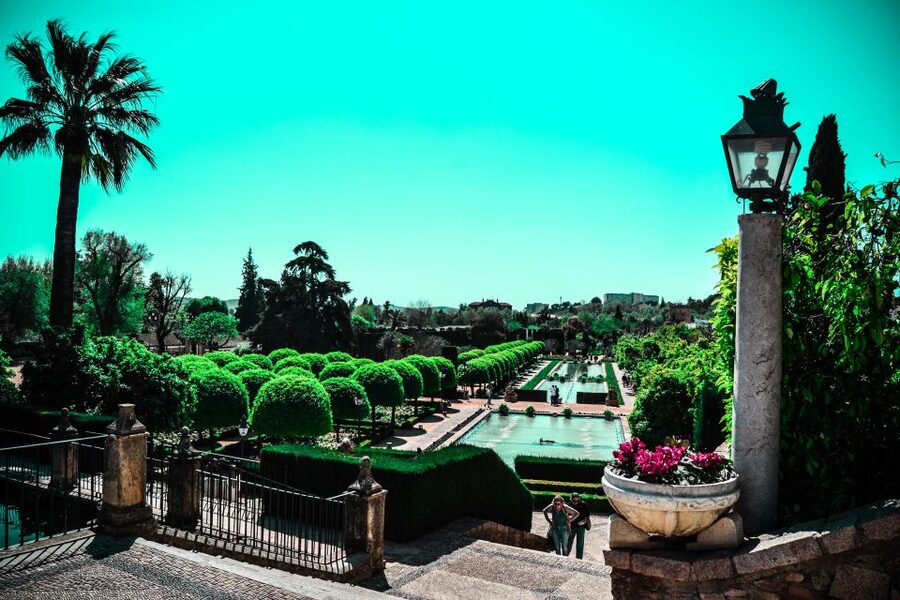
The tour ends at the Alcazar of the Catholic Monarchs, but the current visit is not the full palace experience. Restoration work has restricted access, so the tour currently visits the Alcazar Gardens and the Arab Baths of the Caliphal Alcazar, both within the same monumental complex.
This change is the single most important booking consideration. You should not reserve this tour expecting a complete walk through the palace rooms, towers, and all normal interior areas. The tour does not include the towers, and the palace buildings remain inaccessible under the stated restoration conditions.
The gardens can be a pleasant finish after the tighter lanes of the Jewish Quarter. The Arab Baths add an older Islamic layer to the complex, helping connect the final stop with the earlier discussion of Cordoba’s Muslim past.
Conditions can change from day to day. In one reported case, rain caused the Alcazar Gardens to close, while the buildings were already inaccessible because of restoration. The guide, Raphael, extended the Jewish Quarter portion instead. That is a sensible adjustment, but it also means the experience may differ from the planned route.
For that reason, I would book this tour for the Jewish Quarter and historical walk first, and regard the Alcazar gardens as a bonus while restoration continues. If the Alcazar interiors are your main goal, wait until full access returns or choose a different visit focused on the complex.
What the guides add
The activity is offered in English or Spanish, with one language used for the tour rather than a presentation that switches back and forth. That makes a difference when the route includes architecture, religious history, and names that can be hard to follow.
The guides mentioned in the feedback include Patricia and Raphael. Patricia was praised for keeping explanations engaging for both adults and younger people, using history and anecdotes together. Raphael adapted the route when weather closed the gardens and extended the Jewish Quarter visit.
Those examples suggest that the guide can shape the experience, especially when access changes. The route is compact, and a good explanation gives each stop a reason to matter instead of turning the outing into a checklist.
Group size may vary. One August tour had only five people, which made the walk feel more personal. You should not assume every departure will be that small, but a smaller group would make it easier to hear the guide and ask questions in the narrow streets.
One caution is timing. The advertised duration is 2.5 hours, yet one January booking reported that the tour finished sooner. If you have a fixed appointment afterward, leave a buffer rather than planning a tight connection.
Is $34 a fair price?
At $34 per person, this is a reasonable value if you want a guided overview and plan to visit the listed sites. The price includes the guide and entrance fees, while food, shopping, and hotel pickup are separate.
The strongest value comes from the combination of access and interpretation. Skip-the-line entry can save time, though the practical benefit depends on crowd levels and which entrances are in use. The guide also helps you understand places that may seem modest at first glance, especially San Bartolomé Chapel, the synagogue, and the old hospital.
The value is weaker if you are paying mainly for the Alcazar palace. Because restoration limits the visit, you are currently receiving the gardens and Arab Baths rather than the complete complex. Weather can reduce the visit further if the gardens close.
I would compare this tour with the cost of entering the sites separately, but price alone should not decide it. The main product here is a short, organized walk with historical explanation. You are paying to connect the monuments and understand their relationship.
Who should book this Cordoba walking tour?
I would recommend it for a first visit to Cordoba, especially if you have one free morning or afternoon and want a structured introduction. It suits you if you enjoy old streets, religious architecture, local history, and short stops with a guide explaining what you are seeing.
It also works well for families with older children, since the route includes stories about medicine, religious change, architecture, and the Catholic Monarchs rather than only dates. Patricia’s reported approach of mixing history with anecdotes is a good fit for a mixed-age group.
You should think twice if you have back problems, limited mobility, or difficulty with stairs. The activity is specifically not recommended for people with mobility impairments, and baby strollers must be left at the entrance. Comfortable shoes are essential.
I would also reconsider if you want a slow, detailed synagogue visit or a full Alcazar tour. This is a broad introduction, not a specialist study. Its strength is variety and context.
Should you book it?
Book this tour if you want a well-priced historical walk through Cordoba’s Jewish Quarter, with a medieval synagogue, craft souk, Mudéjar chapel, and a guide who can connect the city’s Islamic, Jewish, and Christian past.
Go in with clear expectations about the Alcazar. At present, restoration limits access to the gardens and Arab Baths, and weather may close the gardens. If that partial visit is acceptable, the route offers plenty of value. If the palace interiors are the reason you are booking, choose another plan or wait for the restoration work to finish.
FAQ
How long does the Cordoba Jewish Quarter and Alcazar tour last?
The stated duration is 2.5 hours. One booking reported that the tour finished earlier, so leave extra time before any fixed appointment.
What language is the tour offered in?
The tour is offered in English or Spanish. It uses one selected language rather than switching between languages during the walk.
Where does the tour meet?
Meet at Puerta del Perdón beside the Mezquita-Catedral, at Calle Cardenal Herrero 1. Look for the orange umbrella.
Does the tour include the Mezquita-Catedral?
No. The meeting point is beside the Mezquita-Catedral, but the described route does not include a visit inside it.
What can I currently see at the Alcazar?
Because of restoration work, the visit currently includes the Alcazar Gardens and the Arab Baths of the Caliphal Alcazar. The palace interiors are not fully accessible.
Does the tour include the Alcazar towers?
No. The tour does not include visits to the towers.
Are entrance fees included?
Yes. Entrance fees and the guided tour are included in the price.
Does the tour include food or hotel pickup?
No. Food and hotel pickup are not included.
Is the tour suitable for people with limited mobility?
No. The route has many stairs and is not recommended for people with back problems, mobility impairments, or limited mobility. Baby strollers must be left at the entrance.
Can I cancel the booking?
You can cancel up to 24 hours in advance for a full refund. A reserve-now, pay-later option is also available.
Newly walked in Cordoba
- Córdoba: Mosque and Alcazar Private Tour with tickets★ 5.0 · 5 reviews
- Guided visit to the Mosque of Cordoba and Alcazar of Cordoba★ 4.5 · 15 reviews
- Cordoba: Alcazar of The Christian Monarchs Tickets and Tour★ 3.9 · 94 reviews
- Córdoba: Alcázar and Jewish Quarter 2-Hour Guided Tour★ 4.2 · 50 reviews
- Private Visit Mosque-Cathedral, Jewish quarter, Alcazar and Synagogue★ 5.0 · 236 reviews
- Cordóba: Gardens & Fortress of Catholic Monarchs Guided Tour★ 4.3 · 336 reviews
- Alcazar of Cordoba Entry Ticket and Guided Tour★ 4.3 · 372 reviews
- Córdoba: Mosque, Jewish Quarter and Alcázar 3-Hour Tour★ 4.7 · 377 reviews
Alcazar Tours, compared.
Alcázar, Cathedral & Giralda Skip-the-Line Tour
Read our review →
Segovia and Toledo Tour, Alcazar, and Cathedral
Read our review →
Alcazar and Cathedral of Seville Tour with Skip the Line Tickets
Read our review →
Toledo & Segovia Tour with Cathedral and Alcazar Tickets & Lunch
Read our review →
Alcázar of Seville Skip-the-Line Tickets and Guided Tour
Read our review →
Browse the lists this tour appears in