
Review · AUSTRIA
Forchtenstein Castle Admission Ticket & Optional Guided Tour
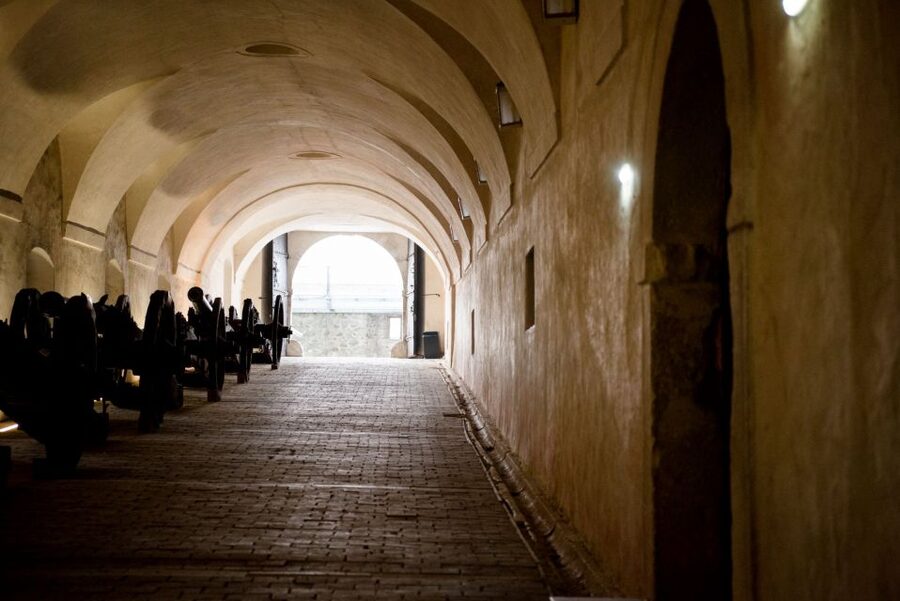
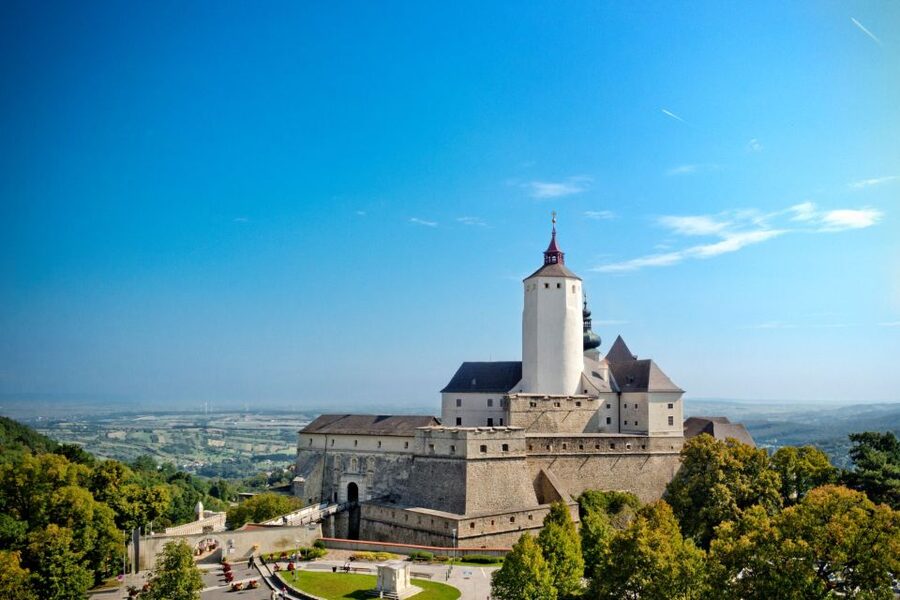
Forchtenstein Castle keeps its best surprises indoors: a courtyard covered with the largest display of secco wall paintings north of the Alps, followed by rooms packed with weapons, silver furniture, Ottoman objects, and royal regalia. This is not an empty shell of a castle. It is a working collection of family treasures.
I like the way the visit moves from grand painted walls to intimate objects, especially the 400-year-old Ottoman tent and the Gallery of Ancestors with its famous Vlad the Impaler portrait. I also like the compact one-hour format, which gives you a focused look without swallowing your whole day. The main caution is access: the castle is not suitable for people with mobility impairments, and one recent visit found the first level closed.
Key points to know before you go
- Secco murals fill the inner courtyard: You begin with one of the castle’s most unusual features, large wall paintings made on dry plaster.
- The armory is a major highlight: The first floor includes one of Europe’s largest private weapon collections, along with an oratory and chapel.
- Silver furniture and royal flags lead the upper-floor displays: You can see Europe’s largest and earliest collection of silver furniture and three 17th-century coronation flags.
- Vlad the Impaler appears in the Gallery of Ancestors: The portrait is presented as the only known full-length image of him.
- The collection reflects Esterházy ambition: Fictional ancestors, a cabinet of curiosities, and rare ceremonial objects show how the family shaped its public image.
- Plan around a one-hour visit: Admission costs $22 per person, and a guided tour or audio guide may cost extra depending on the option selected.
The courtyard murals make the first impression

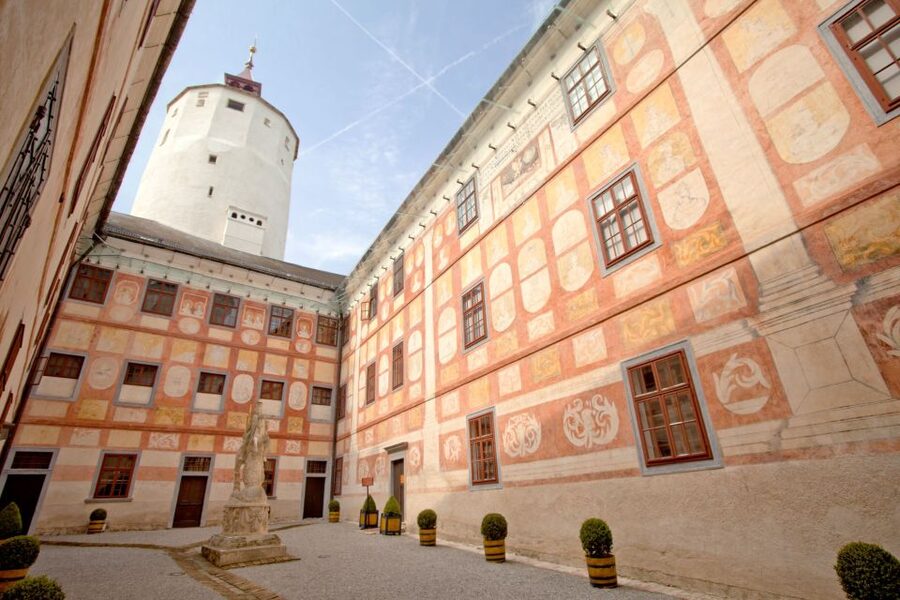
Forchtenstein Castle starts with a strong visual jolt. Step into the inner courtyard and look up at the secco paintings covering the walls. Because secco painting is applied to dry plaster rather than wet plaster, the surface and condition of these works become part of the experience. You are not simply walking through a stone courtyard. You are standing inside a painted historical setting.
The scale matters here. The display is described as the largest collection of secco wall paintings north of the Alps, giving the courtyard a rare sense of purpose and decoration. It is an excellent opening because it shows that the Esterházy family wanted the castle to impress from the moment people entered.
I would give the courtyard a few quiet minutes before rushing indoors. Look across the full walls first, then study smaller sections. The castle visit is only about an hour, but this is one place where slowing down pays off.
More Castle Entry Tickets in Austria:
- Salzburg: Hohensalzburg Fortress Admission Ticket
★ 4.6 · 2,236 reviews - Mauterndorf: Castle Entrance Ticket
★ 4.7 · 8 reviews - Seville: Royal Alcázar Entry Ticket
★ 4.6 · 28,378 reviews
The armory brings the castle back to earth
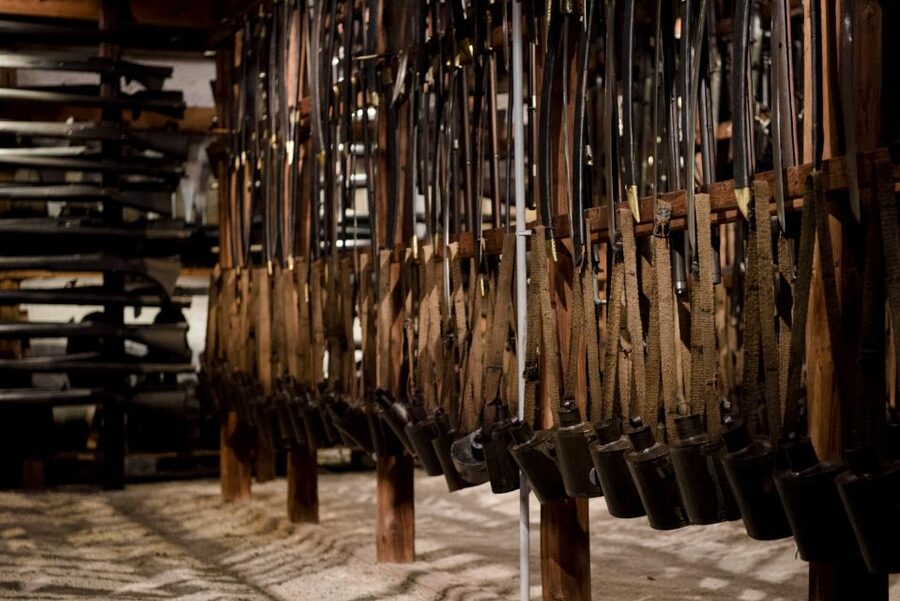
On the first floor, the mood changes from painted ceremony to military power. The oratory and chapel add a religious note, while the armory presents an extensive collection of weapons. It is one of Europe’s largest private armories, so this section gives you a better sense of the family’s status than a single royal portrait could.
I like armories when they explain how a castle functioned, and Forchtenstein’s collection has that potential. You can see the practical side of noble life alongside its pageantry. Weapons were not just decoration. They spoke about defense, rank, political strength, and the family’s ability to gather important objects over generations.
The display is also useful for visitors who prefer objects to long blocks of text. Armor and weapons communicate quickly. You can understand their weight, shape, and purpose at a glance, even if you do not know every detail of Austrian or Hungarian history.
Access is the point to watch. The experience information says the castle is not suitable for people with mobility impairments. One recent visit also found the first level closed, which meant that part of the expected route was unavailable. Conditions can change, so if the armory is your main reason for coming, confirm what is open before you set out.
Silver furniture shows wealth in an unusual form
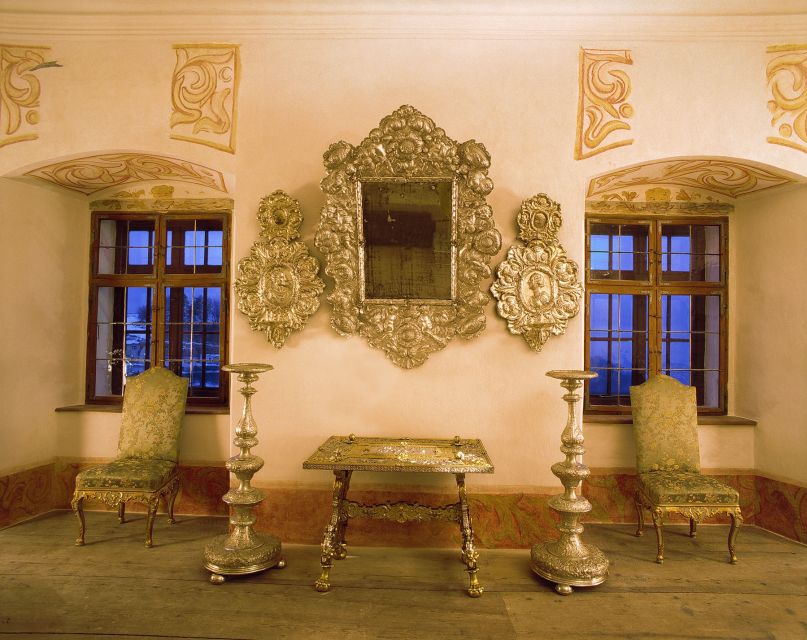
The second floor shifts toward court life and collecting. One of the major displays is described as Europe’s largest and earliest collection of silver furniture. That is a more unusual attraction than another room of paintings, and it gives you something specific to look for during the visit.
Silver furniture was not made for ordinary use. Its value came from material, craftsmanship, display, and symbolism. A table or furnishing made from silver announced wealth before anyone spoke. At Forchtenstein, these objects help explain how the Esterházy family used possessions to present itself as powerful and cultured.
You will want to look beyond the shine. Notice the difference between an object meant for ceremony and one made for daily life. The collection’s value lies not only in the precious metal, but also in what it reveals about aristocratic taste and public display.
At $22, this kind of specialist collection helps justify the admission fee. You are paying for access to objects that are not easy to see together elsewhere, not just for a walk through old rooms.
The Ottoman tent and coronation flags carry political weight
One of the most memorable objects is an ornate Ottoman tent said to be about 400 years old. Its size and purpose help broaden the visit beyond castle architecture. An object like this points to the political and military world around the Esterházy family, where connections between Central Europe and the Ottoman Empire shaped daily affairs.
The tent is also a good reminder that historic collections are often assembled through conflict, diplomacy, inheritance, and display. You do not need to know every detail of its journey to appreciate the craftsmanship and scale. The object asks you to think about how a portable structure became a treasured museum piece.
The three coronation flags are another important group. They date from the 17th century and come from Hungary, Croatia, and Serbia. They are described as the oldest known coronation flags from those countries, making them far more than colorful fabric. They represent ceremony, authority, and the legal theater of monarchy.
If you have limited time, I would put these flags near the top of your list. Their value comes from both age and meaning. They connect the castle’s private collections to public events involving rulers and states.
More Guided Castle Tours in Austria:
- Edinburgh Castle: Guided Walking Tour with Entry Ticket
★ 4.7 · 11,699 reviews - Seville: Cathedral, Giralda & Alcazar Entry With Guided Tour
★ 4.6 · 8,560 reviews - Edinburgh Castle: Guided Walking Tour with Entry Ticket
★ 5.0 · 5,540 reviews - Stonehenge, Windsor Castle and Bath Full Day Guided Tour
★ 4.5 · 5,346 reviews
The Gallery of Ancestors mixes fact, family image, and fiction
The Gallery of Ancestors is one of the castle’s most entertaining sections because it does not treat family history as a simple list of dates. You see numerous Esterházy portraits, including fictional ancestors such as Attila the Hun and Vlad the Impaler.
The known full-length portrait of Vlad the Impaler is the headline object. Vlad is widely linked with the Dracula legend, but the portrait’s importance here is not just gothic appeal. It shows how noble families could build a grand ancestry by connecting themselves, visually or symbolically, to famous figures from the distant past.
That mix of real and invented ancestors is worth paying attention to. Portrait galleries often tell you as much about the people commissioning the paintings as about the people depicted. The Esterházy family was shaping a story about its own place in history, and the gallery lets you see that process on the walls.
I would not treat this room as a quick parade of faces. Take time to notice who is included and why. The fictional portraits make the collection more memorable, while also raising useful questions about status, family identity, and historical storytelling.
The Kunstkammer reveals a collector’s private world
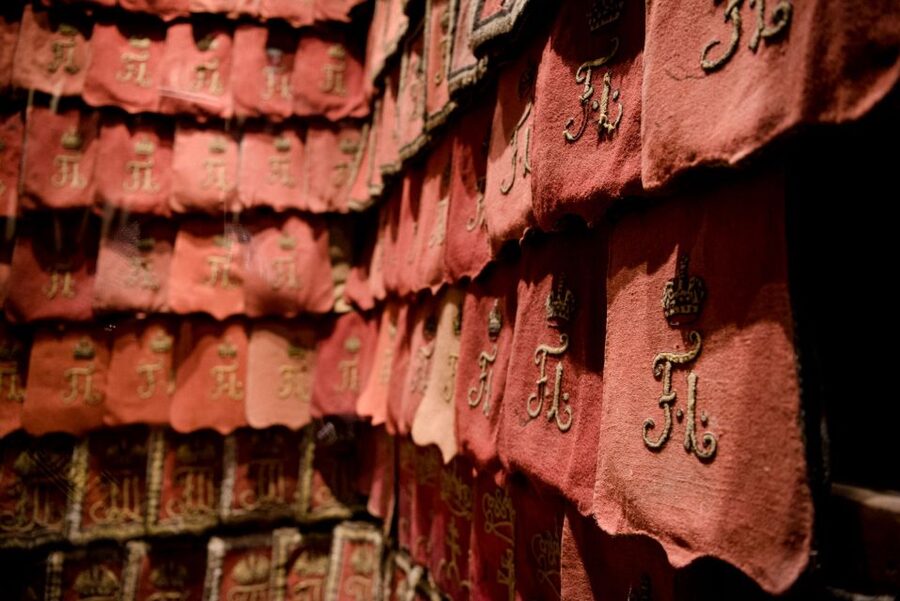
The art collections include a Kunstkammer, or cabinet of curiosities, dating from the late 16th to the early 18th century. The collection offers a look at Prince Paul Esterházy’s passion for gathering unusual and valuable things.
Cabinets of curiosities were early collection rooms. They could bring together art, natural objects, scientific items, ceremonial pieces, and rare finds without following the neat categories used by modern museums. The point was wonder, learning, and the prestige of owning something difficult to obtain.
That makes the Kunstkammer an important counterpoint to the military displays. The armory shows public power. The cabinet shows private curiosity and taste. Together, they make the castle feel less like a collection of isolated rooms and more like a record of how one family wanted to understand and present the world.
You may find this section especially rewarding if you enjoy old collections with a personal stamp. It is not simply a room of expensive objects. It shows the habits and ambitions of a particular collector.
What the one-hour format means for your visit
The advertised duration is one hour, which is enough for a concentrated visit but not for a slow study of every object. I see that as a benefit if you are building a day in Burgenland around several stops. You can get the castle’s major themes without committing half a day.
The short format also requires some discipline. Do not expect to read every label, photograph every room, and linger equally over the murals, armory, silver furniture, flags, portraits, and Kunstkammer. Decide in advance which two or three sections matter most to you.
A guided option can make the hour more useful, especially in the Gallery of Ancestors and the ceremonial collections. One recent account praised the guide’s vivid explanations, so a live guide may be worth considering if you want the family stories and political context rather than a self-guided look.
The booking information is slightly unclear about the audio guide. German audio is listed as available, while another part of the details gives a price of €2. If you want an audio guide, confirm the current fee and language options before paying. The experience itself is listed with German-language information.
Arrive 15 minutes before the scheduled start. That gives you breathing room without adding much time to your day.
Is $22 a fair price?
At $22 per person, the ticket is not a bargain-basement castle admission, but the price is reasonable if the principal rooms are open. You are getting access to a substantial private collection with several rare themes: silver furniture, a large armory, coronation flags, a historic Ottoman tent, and the Esterházy portraits.
The value drops if important sections are closed during your visit. Since one recent account noted that the first level was unavailable, I would ask about current access when you arrive. A partial visit can still be worthwhile, especially for the courtyard and second-floor collections, but your expectations should match what is open.
The optional guide can improve the value for visitors who want interpretation. If you mainly want to see the objects at your own pace, the admission ticket may be enough. If the German audio guide costs €2, that is a small extra charge, but confirm the details because the supplied booking information gives mixed signals about whether it is included.
Free cancellation up to 24 hours before the activity and the option to reserve now and pay later make this an easy booking for a flexible itinerary. Those policies do not change the castle experience itself, but they reduce the risk of fixing your day too early.
Who will enjoy Forchtenstein Castle most?
I would recommend this visit to anyone who likes castles for their collections, not just their walls. You will get the most from it if silver furniture, ceremonial flags, armories, portraits, and old cabinets of curiosities sound more appealing than a bare medieval ruin.
It also suits visitors who enjoy unusual historical details. The fictional ancestors and Vlad the Impaler portrait give the portrait gallery a twist, while the Ottoman tent adds an object you are unlikely to see in an ordinary castle tour.
Families with older children may find the armory, flags, and Vlad portrait easy entry points. Younger children may prefer a longer, more hands-on attraction, though the short duration helps keep the visit manageable.
The castle is not suitable for people with mobility impairments, and the closure of a level on one visit shows why access should be checked directly. Anyone with access needs should contact the provider before booking.
Should you book this castle visit?
Book it if you want a focused look at an active aristocratic collection with rare objects and a strong sense of family image. The courtyard murals, armory, coronation flags, Ottoman tent, and Vlad the Impaler portrait give the hour plenty of variety.
I would hesitate only if you need step-free access, want a long guided tour, or are visiting mainly for one specific room that may be closed. For most history-minded visitors in Burgenland, $22 is a fair price for the range of collections, especially if a live guide is available and the main floors are open.
FAQ
Where is Forchtenstein Castle located?
Forchtenstein Castle is in Burgenland, Austria.
How long does the visit last?
The stated duration is one hour.
What does the admission ticket include?
The admission ticket includes entry to Forchtenstein Castle and its collections.
Is a guided tour included?
The experience offers an optional guided tour, but the listed inclusion is the admission ticket. Confirm the guided-tour option when booking.
Is an audio guide available?
A German-language audio guide is indicated in the activity details. Another part of the information lists an audio guide at €2, so confirm the current fee before your visit.
Is the castle suitable for people with mobility impairments?
The activity is not suitable for people with mobility impairments. One recent visit also found the first level closed, so it is sensible to confirm current access before booking.
Newly walked in Austria
- Salzburg: River Cruise & Best of Mozart Fortress Concert★ 3.9 · 14 reviews
- Salzburg: Christmas/Advent Concert at Fortress Hohensalzburg★ 4.4 · 54 reviews
- Mauterndorf: Castle Entrance Ticket★ 4.7 · 8 reviews
- Graz: Funicular Ride & Schlossberg Picnic Experience★ 4.8 · 4 reviews
- Bratislava: DayTrip: Castles around Vienna +underground lake★ 4.9 · 30 reviews
- Salzburg Old Town, Fortress, Cathedral Private Walking Tour★ 4.5 · 41 reviews
- Skip-the-line Hohensalzburg Fortress Private Tour and Ticket★ 4.7 · 9 reviews
- Salzburg Old Town, Fortress, Cathedral Private Walking Tour★ 5.0 · 17 reviews
Castle Entry Tickets, compared.


Edinburgh Castle: Guided Walking Tour with Entry Ticket
Read our review →
Castle Tour with Local Guide and Entry Ticket
Read our review →
Prague Castle 2.5-Hour Tour Including Admission Ticket
Read our review →
Edinburgh Castle: Guided Walking Tour with Entry Ticket
Read our review →
Prague Castle and Lobkowicz Palace Entry Tickets
Read our review →
Alcázar and Cathedral Entry Ticket and Guided Tour
Read our review →Browse the lists this tour appears in