
Review · BOLíVAR, COLOMBIA
Cartagena City Tour with San Felipe Castle & Old Town Walk
Cartagena’s story comes alive when you move from the tunnels of San Felipe Castle to the old city streets and finish among Getsemaní’s murals, music, and flower-filled balconies. This tour gives you that broad sweep in four hours, with a bilingual local guide to explain the battles, colonial trade, faith, and daily life behind the sights.
I like the practical route and the private format. You see the city’s major landmarks without spending the day in a vehicle, and entry to the castle and San Pedro Claver Church is included. The main drawback is time: four hours is enough for an excellent introduction, but not enough to inspect every historic building inside.
Key points to know before you book
- San Felipe Castle anchors the morning: Explore battlements, tunnels, and defensive passages at Cartagena’s most imposing fort.
- The old city route is thoughtfully connected: The Clock Tower, Plaza de la Aduana, San Pedro Claver Square, and Plaza de Bolívar fit into one walk.
- The tour handles Cartagena’s difficult past: Plaza de la Aduana provides a place to discuss the colonial trade in enslaved Africans.
- Centenario Park adds an unexpected change of pace: Sloths, monkeys, and iguanas may be seen moving through this small city park.
- Getsemaní supplies the lively finish: Murals, music, balconies, and street life show Cartagena beyond its grand colonial facades.
- The private setup suits a short stay: Hotel pickup, a bilingual guide, and flexible cancellation make this an easy first-day orientation.
Starting with San Felipe Castle and its military tunnels
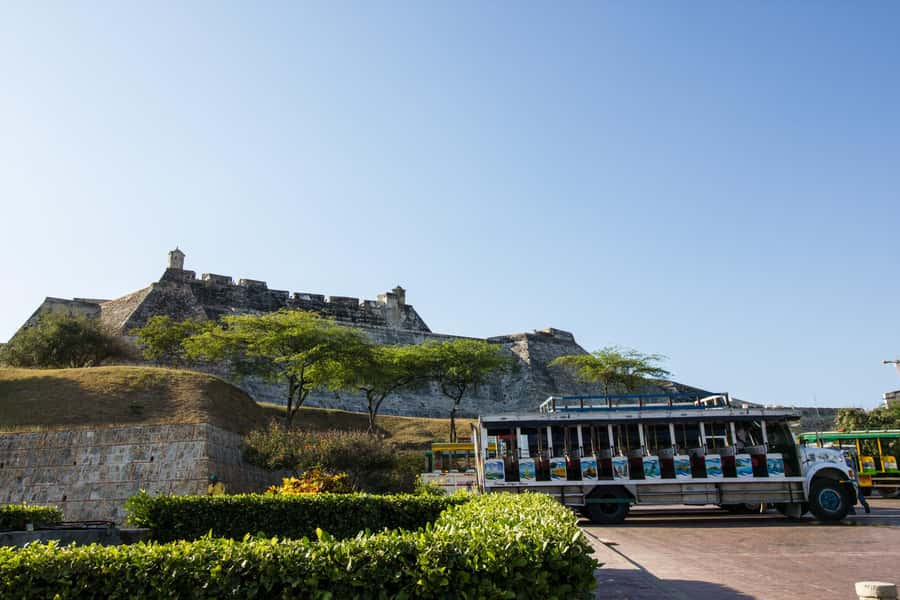
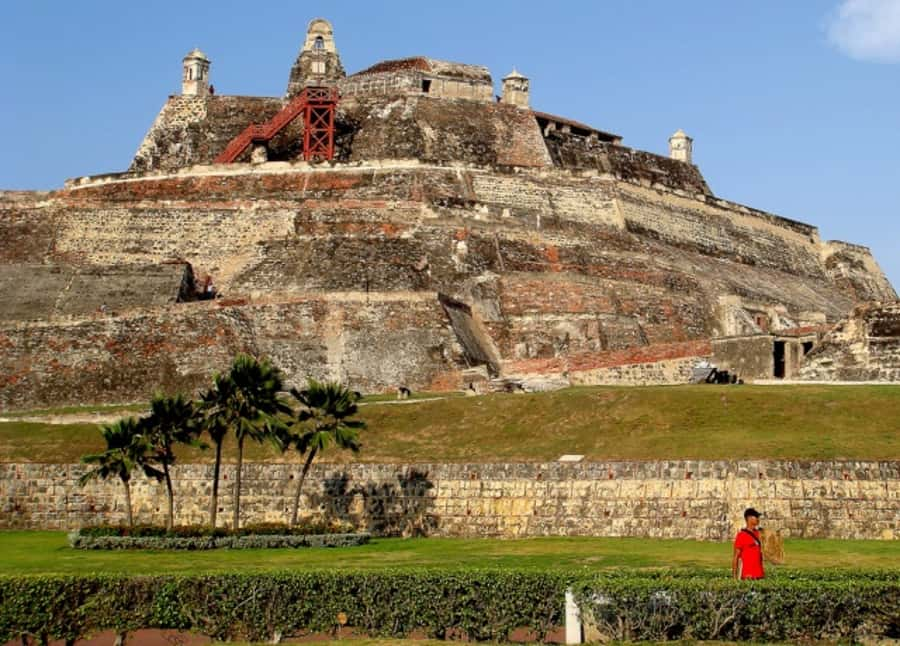
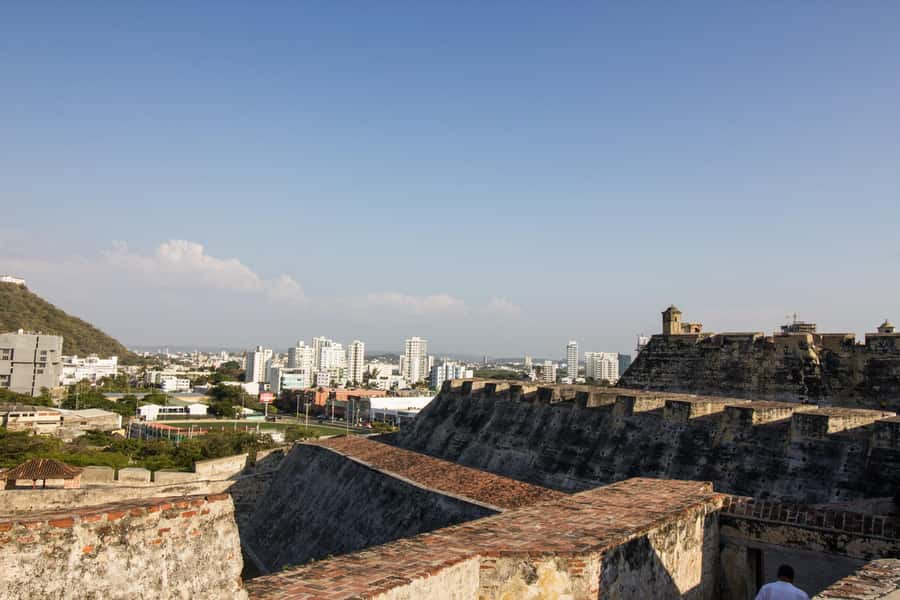
The tour begins at Castillo de San Felipe, the largest Spanish fort in South America. Its hilltop position gives the fortress a practical purpose: it guarded Cartagena and its strategic bay from attack.
You will walk through the castle with your guide, seeing the battlements, defensive structures, and underground tunnels. The tunnels are one of the most memorable parts because they reveal how the fort worked, not just how it looked. Narrow passages and hidden routes helped defenders move through the stronghold while keeping out of sight.
This is a stop where sturdy shoes matter. The supplied advice calls for comfortable footwear, and you should take it seriously. Bring sunglasses, a hat, and sunscreen too. Cartagena’s tropical climate can make an exposed fort feel hot, especially when you are walking across open sections of the walls.
I like that the guide is with you here rather than leaving you to decode the fort alone. San Felipe is large enough that a short visit without context could become a simple walk around old stone. With a local guide, the architecture connects to battles, conquest, and the Spanish effort to control the city.
The tour includes your entrance fee, so there is no separate admission decision at the gate. The air-conditioned vehicle is available for the first part of the experience, which is useful before the walking portion begins. Once you enter the old city, expect the pace to become more pedestrian and informal.
More Medieval Old Town Tours in the world:
- Bucharest: Dracula’s Castle, Peles Castle, & Brasov Old Town
★ 4.5 · 17,858 reviews - Bucharest: Dracula Castle, Peles Castle & Brasov Old Town
★ 4.6 · 10,891 reviews - Prague: 3-Hour Walking Tour of Old Town & Prague Castle
★ 4.7 · 5,696 reviews
Entering the walled city through the Clock Tower
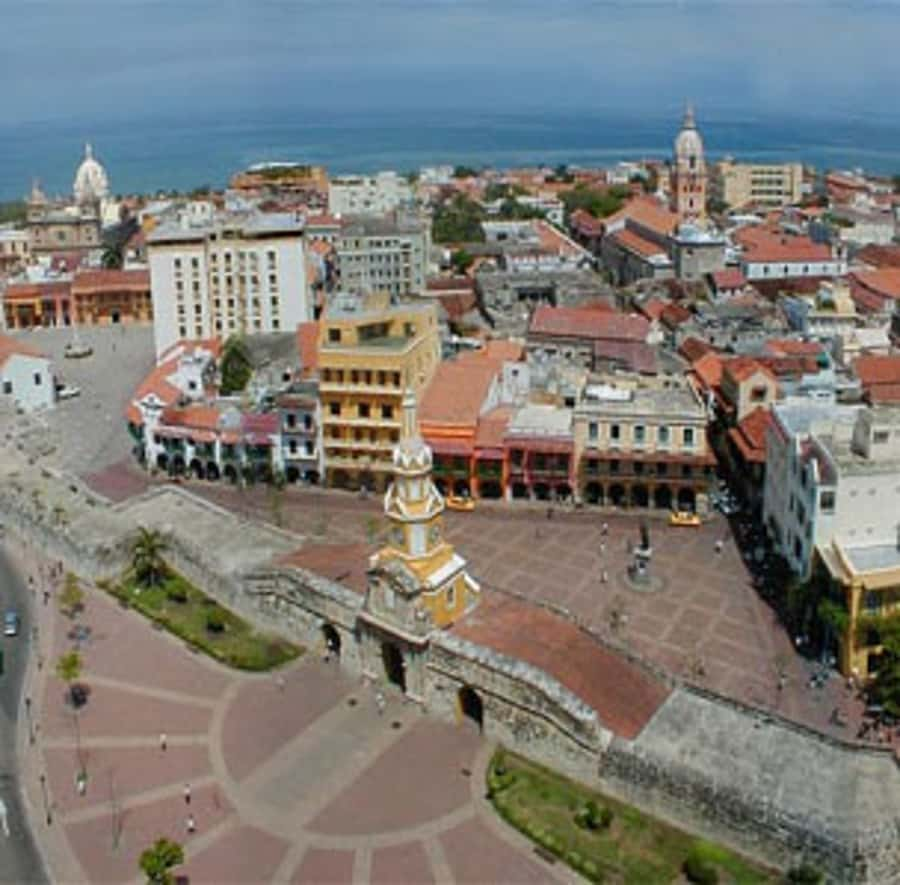
From the castle, the route continues toward Cartagena’s Historic Center. The Clock Tower, or Torre del Reloj, is the grand entrance through the old walls and a useful landmark for understanding the city’s layout.
Passing through it changes the feel of the tour. Outside, the castle presents Cartagena as a military prize. Inside the walls, the focus shifts to commerce, religion, architecture, and public life. The old streets and colonial buildings make the city easy to read as a series of connected plazas rather than a list of separate stops.
The private group format helps here. You can ask your own questions and adjust your attention to the subjects that interest you most. One past participant praised the guide for answering questions and for having a broad understanding of Cartagena and Colombia. That is exactly the kind of help you want on a city walk, where the best details often come from asking why a building or square matters.
The route exits through the Clock Tower later in the tour, so the monument serves as both entrance and transition. You get a clear sense of moving into the old center, then later out toward Centenario Park and Getsemaní.
Plaza de la Aduana and Cartagena’s difficult past
Plaza de la Aduana is one of the tour’s most important stops because it asks you to look past Cartagena’s pretty facades. The square was once the main site for the colonial trade in enslaved Africans.
Your guide will explain that history in the place where it happened. That gives the subject weight and keeps the tour from treating Cartagena as only a colorful backdrop for photographs. The square also helps explain the city’s role in Spanish colonial commerce and the human cost behind that system.
You should expect this part to be serious. It is not a quick photo stop, and it should not be. A good city tour makes room for difficult subjects alongside beautiful architecture. Here, the guide’s role matters more than a memorized list of dates. Ask questions if you want more context about the square, Cartagena’s colonial economy, or the people affected by it.
The tour includes snacks, and the route also allows time for a refreshing juice or Colombian coffee near San Pedro Claver Square. The description does not promise a full meal, and lunch is not included, so do not arrive expecting one. Think of the food and drink pause as a short break during a walking tour.
San Pedro Claver Church and the role of faith
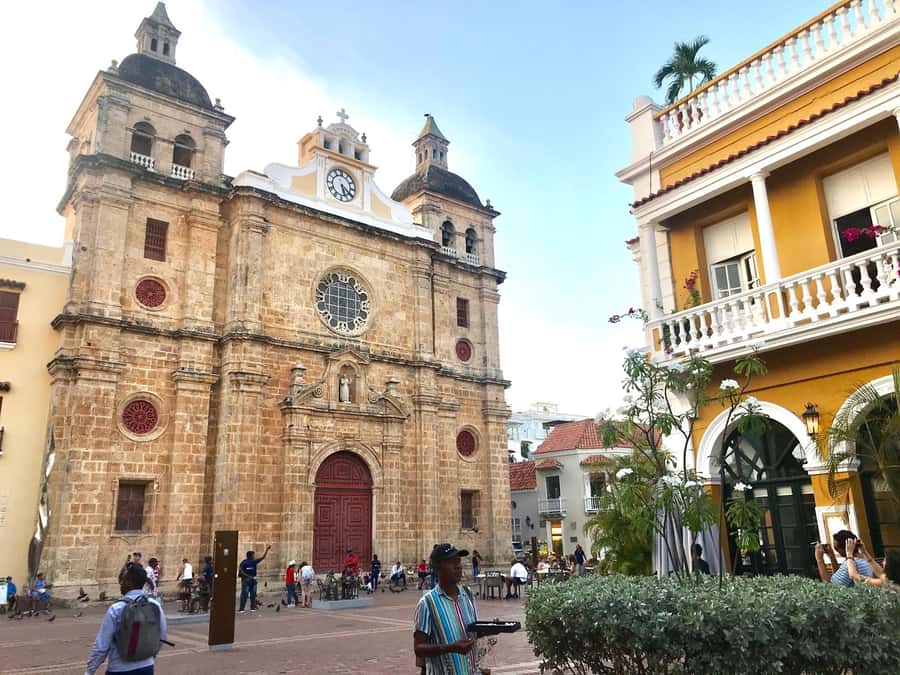
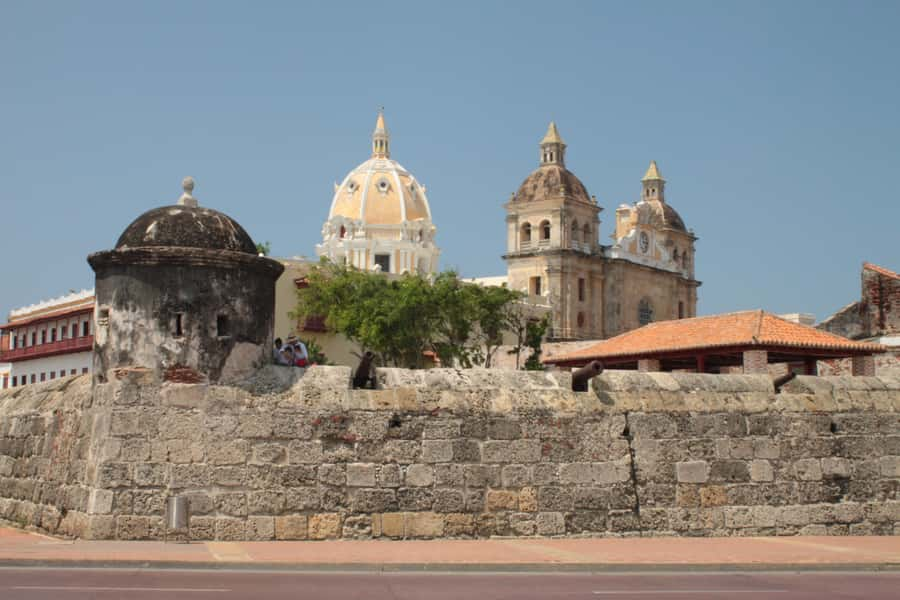
San Pedro Claver Church has a handsome facade and a strong connection to Cartagena’s cultural heritage. The church is dedicated to San Pedro Claver, remembered here as a patron saint of human rights.
The tour includes entry, which lets you see more than the exterior. That is a useful distinction because the old city contains many notable buildings, but a four-hour schedule cannot include every interior. The church provides one carefully chosen example of how religion, social conscience, and colonial life intersected in Cartagena.
Take your time in San Pedro Claver Square before moving on. It is a good place to absorb the city at street level, with a drink in hand and the surrounding architecture close around you. The pause also breaks up the historical material. Four hours can feel dense if every stop is presented at full speed, so this short rest is welcome.
The church is one of the places where the tour moves beyond the city’s military story. San Felipe explains defense, Plaza de la Aduana explains commerce, and San Pedro Claver adds faith and human rights to the picture.
More Castle Walking Tours in the world:
- Edinburgh Castle: Guided Walking Tour with Entry Ticket
★ 4.7 · 11,699 reviews - Edinburgh Castle: Guided Walking Tour with Entry Ticket
★ 5.0 · 5,540 reviews - Edinburgh Castle Guided Walking Tour in English
★ 5.0 · 5,214 reviews - Budapest: Buda Castle Walk with Saint Stephen’s Hall
★ 4.5 · 3,012 reviews
Plaza de Bolívar and the old city’s graceful center
The next major stop is Plaza de Bolívar, a calmer square surrounded by colonial buildings. It offers a change from the movement of the main streets and gives you a chance to look at Cartagena’s architecture as a whole.
Your guide can connect the square to the wider story of the Historic Center. Rather than rushing from one facade to the next, pause to notice how the buildings shape the public space. The square is a good place for questions because you can see several layers of Cartagena’s past gathered in one setting.
This section is also a reminder of the tour’s limits. A past participant suggested adding two more hours to visit additional historic interiors, including the cathedral, the Museum of the Inquisition, Santo Domingo Church, and more of San Pedro Claver. That is a fair observation. The existing route gives you a strong overview, but it does not attempt to turn every landmark into a full visit.
If you have only one short window in Cartagena, that broad coverage is useful. If you want museums and several churches in detail, plan a separate walk or choose a longer experience.
Centenario Park and Cartagena’s unexpected wildlife
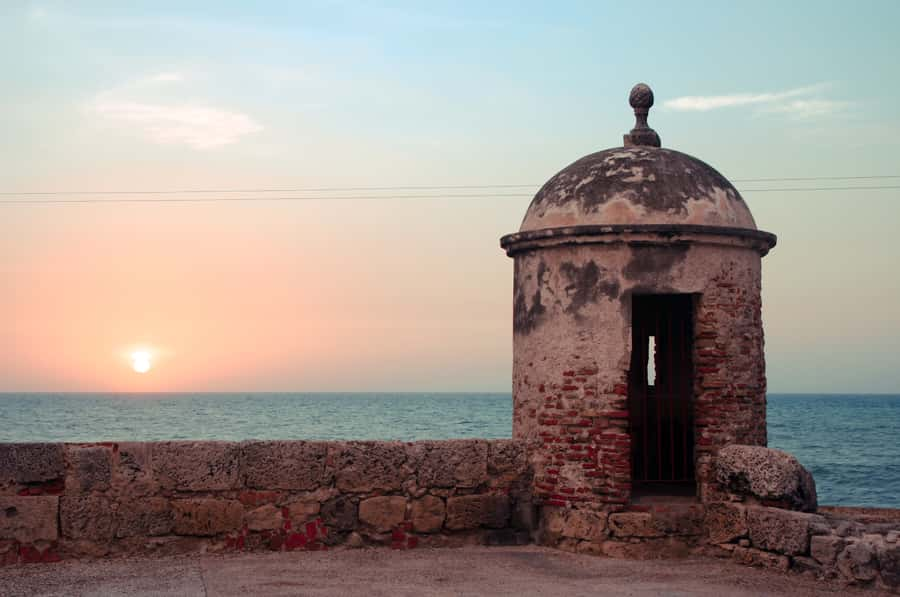
After the old city portion, the route exits through the Clock Tower and reaches Centenario Park. The park is a surprising urban pause, with sloths, monkeys, and iguanas roaming freely.
This stop changes the rhythm again. You move from stone walls, churches, and plazas into a small green space in the middle of the city. The animals add a memorable local detail that you would not get from visiting only the grand historic sites.
The wording here is important: these animals roam freely, so sightings are not guaranteed at a precise moment. You might see them moving through the park, or you might need to look carefully. Do not treat this as a formal wildlife encounter. It is an informal chance to notice how nature appears in the middle of Cartagena’s urban center.
For me, the value of Centenario Park is that it keeps the tour from becoming too polished. Cartagena is not only forts and colonial buildings. It is also tropical, lively, and full of small surprises.
Finishing in Getsemaní among murals and music
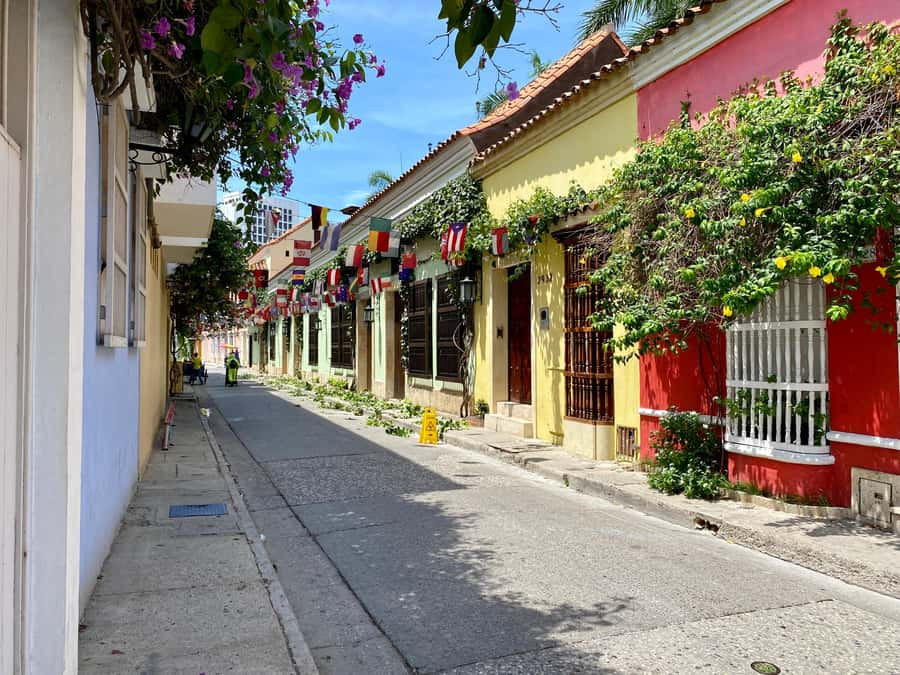
The final stop is Getsemaní, one of Cartagena’s most colorful neighborhoods. Here, the streets offer a different view of the city, with vivid murals, flower-filled balconies, live music, and active street life.
Getsemaní feels less formal than the walled center. The old city presents grand plazas and carefully preserved facades, while this neighborhood gives you more visual noise and everyday energy. The two areas belong in the same tour because together they show Cartagena’s polished historic center and its more expressive modern side.
Look up as you walk. The balconies and flowers add detail above street level, while the murals provide bold color at eye level. Music may be part of the atmosphere, but the tour does not promise a specific performance or venue, so treat it as part of the neighborhood rather than a scheduled show.
Ending here works well. You finish with culture and street life instead of another formal monument. If you want to continue exploring afterward, you will already have a sense of the neighborhood’s character, though the tour itself lasts four hours and does not include lunch.
What the private format is really worth
The price is $131 per person. That is not a bargain-priced city stroll, so value depends on how much you want handled for you.
For the fee, you receive a private group, a bilingual English and Spanish guide, hotel pickup from most centrally located Cartagena hotels, entrance to San Felipe Castle, entrance to San Pedro Claver Church, snacks, and air-conditioned transport for the first section. You are also paying for a route that links the castle, walled city, park, and Getsemaní without requiring you to arrange separate rides or admissions.
I see the strongest value for a first visit, a short stay, or a port call when you want a guided introduction without spending a full day. The private format is especially useful if you prefer to ask questions at your own pace or want the guide to focus on history, architecture, religion, or local life.
The value is weaker if you want slow museum visits. The tour cannot cover the cathedral, Museum of the Inquisition, Santo Domingo Church, and every major interior within four hours. One earlier participant rated the guide very highly but wished the route had two additional hours. I would make the same planning distinction: book this for range and context, not exhaustive interior access.
Hotels in the Manzanillo area may require an extra fee. Confirm that before booking. You also need to provide your accommodation details and confirm the reservation with any extra information at least 48 hours in advance.
Who will get the most from this four-hour route
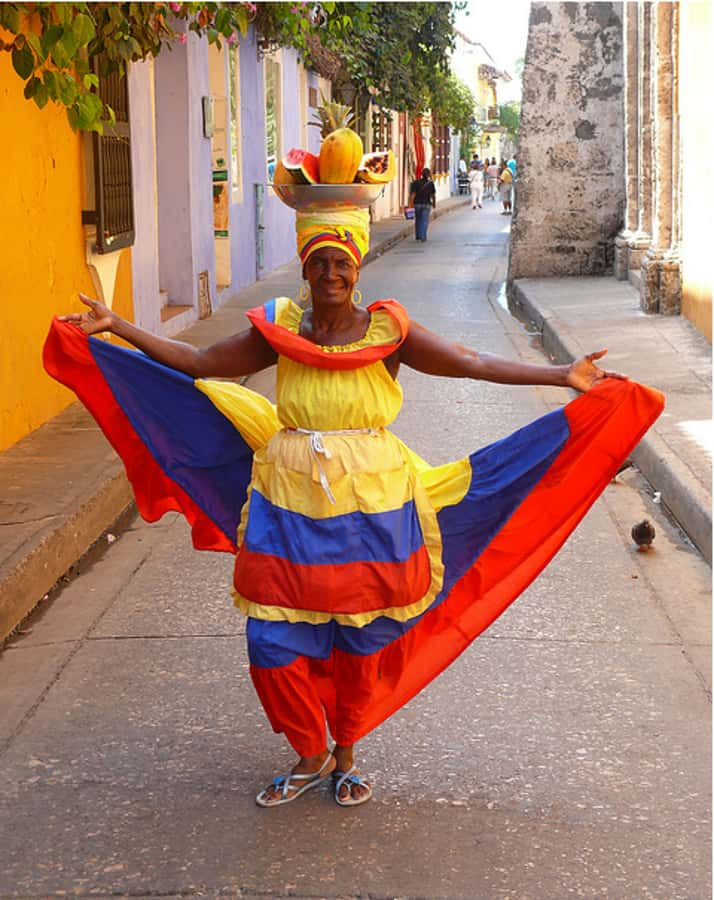
I would choose this tour if you want a clear first look at Cartagena’s main districts and prefer a local guide to connect them. It suits couples, families, and small private groups who value a flexible conversation over a large scheduled group.
It also works well for anyone who wants difficult history included rather than skipped. Plaza de la Aduana and the San Pedro Claver Church add substance to the pretty streets and photographs.
You should think twice if your priority is a long, slow visit inside museums and churches. The route covers a lot of ground, and some stops will be introductions rather than extended explorations. Comfortable walking shoes, sun protection, and a passport or identity card are the sensible basics. Oversize luggage is not allowed.
Cancellation is flexible up to 24 hours before the tour for a full refund, and you can reserve now and pay later. Starting times depend on availability, so check the schedule before you commit.
Should you book the Cartagena city tour?
Book it if you want Cartagena explained as a connected story: defense at San Felipe, colonial commerce at Plaza de la Aduana, faith at San Pedro Claver, public life at Plaza de Bolívar, wildlife at Centenario Park, and modern street culture in Getsemaní.
At $131, the tour earns its price through private guiding, included admissions, hotel pickup, and efficient coverage. The tradeoff is depth. You will not explore every historic interior, and four hours can feel short if you want a museum-heavy day.
For a first orientation, especially with limited time, I would choose it. Ask your guide early about the subjects you care most about, wear comfortable shoes, and treat the tour as a strong overview rather than the final word on Cartagena.
FAQ
How long does the Cartagena city tour last?
The tour lasts four hours.
What languages does the guide speak?
The live guide speaks English and Spanish.
Is this a private tour?
Yes. The experience is arranged for a private group.
Is hotel pickup included?
Hotel pickup is included from most centrally located Cartagena hotels. Hotels in the Manzanillo area may require an additional fee.
What entrance fees are included?
Admission to San Felipe Castle and San Pedro Claver Church is included.
Is transportation provided?
An air-conditioned vehicle is available for the first part of the tour. The Historic Center, Centenario Park, and Getsemaní portions include walking.
Is lunch included?
No. Lunch is not included, though snacks are provided.
What should I bring?
Bring a passport or identity card, comfortable shoes, sunglasses, a sun hat, and sunscreen.
Can I bring oversized luggage?
No. Oversize luggage is not allowed.
Can I cancel for a full refund?
Yes. You can cancel up to 24 hours in advance for a full refund.
Can I reserve now and pay later?
Yes. The tour allows you to reserve your place and pay later.
Newly walked in the world
- Private Tour Egyptian museum, Hanging Church, Castle of Saladin★ 5.0 · 2 reviews
- Cairo Egyptian museum, Cairo citadel and Alabaster mosque day tour★ 5.0 · 2 reviews
- Explore the History of Egyptian Museum Citadel and Khan Bazaar★ 5.0 · 2 reviews
- Egyptian Museum, Mohamed Ali Mosque and Citadel★ 5.0 · 12 reviews
- Egyptian Museum, Citadel and Old Cairo Tour★ 5.0 · 118 reviews
- Full-Day Private Guided Tour of Egyptian Museum, Pyramids and Cairo Citadel★ 5.0 · 2 reviews
- Cairo Tour to Egyptian Museum Citadel and Khan Khalili Bazaar★ 5.0 · 10 reviews
- Egyptian Museum, Cairo Citadel and Coptic Cairo Private Tour★ 5.0 · 5 reviews
Medieval Old Town Tours, compared.
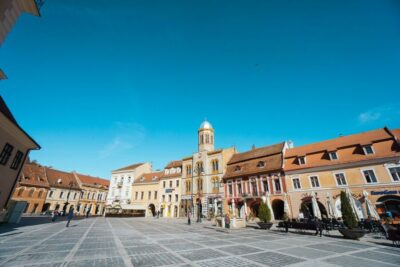
Dracula’s Castle, Peles Castle, & Brasov Old Town
Read our review →
3-Hour Walking Tour of Old Town & Prague Castle
Read our review →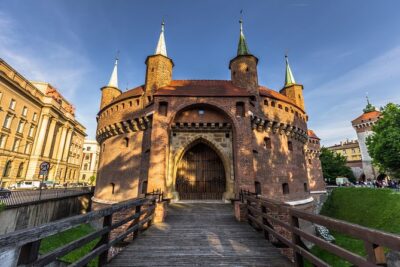
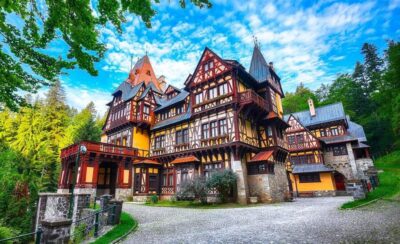
Peles Castle, Bran Castle, & Brasov Old Town Tour
Read our review →
Nice Old Town and Castle Hill: Guided Cultural Walking Tour
Read our review →
Colmar, Medieval Village & Castle Small Group from Strasbourg
Read our review →

Heidelberg Castle and Old Town Tour from Frankfurt
Read our review →Browse the lists this tour appears in