
Review · FRANCE
Chateau of Rambouillet Entrance Ticket
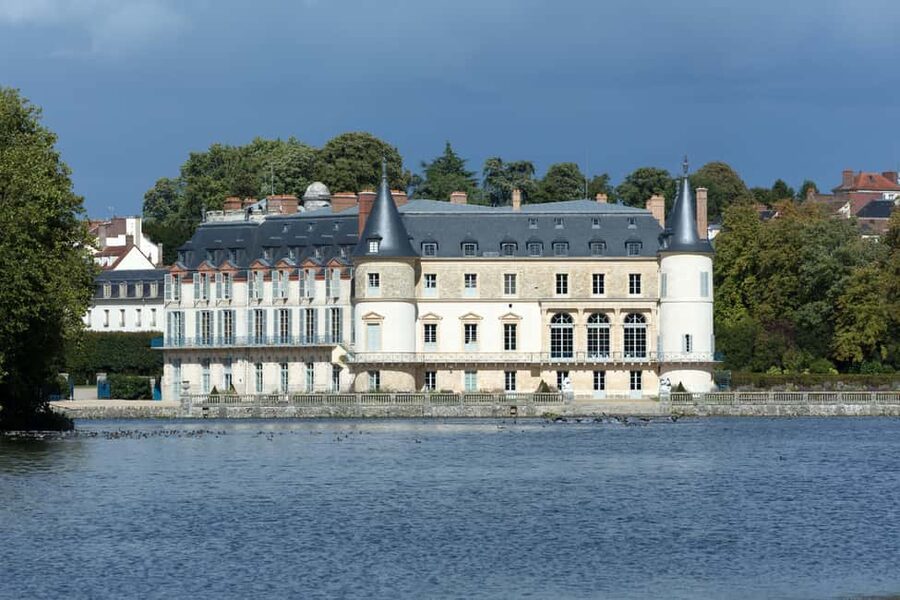
Château de Rambouillet is not the biggest or flashiest castle near Paris. Its real appeal is more personal: this was a working retreat for princes, kings, emperors, and French presidents. Private presidential rooms are now opening to the public, adding a modern layer to a site shaped by nearly six centuries of power.
I like the mix of royal history and recent political life, and I like the calm setting between the town and the forest. You can stand in rooms linked to Giscard d’Estaing, Queen Elizabeth II, John F. Kennedy, and Mikhail Gorbachev, then step outside into gardens and parkland. The main drawback is that the indoor visit may be short, especially if parts of the château are closed. One recent visit took about 30 minutes because the second floor was unavailable.
Key points to know before you go
- A presidential retreat: More than half of France’s presidents stayed at Rambouillet after it became a summer residence in 1895.
- Six centuries in one building: The château connects the Old Regime, Napoleon’s Empire, and the French Republic.
- A self-guided visit: Your ticket includes admission and your own tour, but no live guide.
- Allow time beyond the rooms: The gardens, park, and peaceful setting may be the most satisfying part of the visit.
- Check opening details: The château is closed every Tuesday, January 1, May 1, and December 25.
- Good value at $12: The price is modest if you appreciate political history and outdoor space, but less compelling if you want a large, fully open palace interior.
Why Rambouillet feels different from a grand palace
Many French château visits focus on scale. Rambouillet takes another route. It is not trying to overpower you with endless state rooms or monumental decoration. Instead, it gives you a closer look at how a residence changes as its owners change.
The site has attracted people since the Middle Ages because of its position between the town and the forest. Over time, it became a favored stay for princes and kings. Later came the Empire, followed by the Republic. Each period left a mark, but the building remained a place for living, hosting, and private conversation.
That gives Rambouillet a more intimate character. I like the fact that the castle is not presented only as an old royal monument. It also explains how a historic residence remained useful to modern political leaders.
The setting matters, too. You are not simply moving from room to room inside a museum. The château sits within a larger estate, and the gardens and park give the visit breathing room. If you have already seen grander palaces in the Ile-de-France, the outdoor setting can help Rambouillet feel less like a quick side trip and more like a quiet country retreat.
More Castle Entry Tickets in France
- Carcassonne: Castle and Ramparts Entry Ticket
★ 4.6 · 2,884 reviews - Chambord: Entry Ticket to the Castle
★ 4.6 · 1,841 reviews - Chenonceau Castle Admission Ticket
★ 4.7 · 1,515 reviews
The long road from royal residence to presidential home
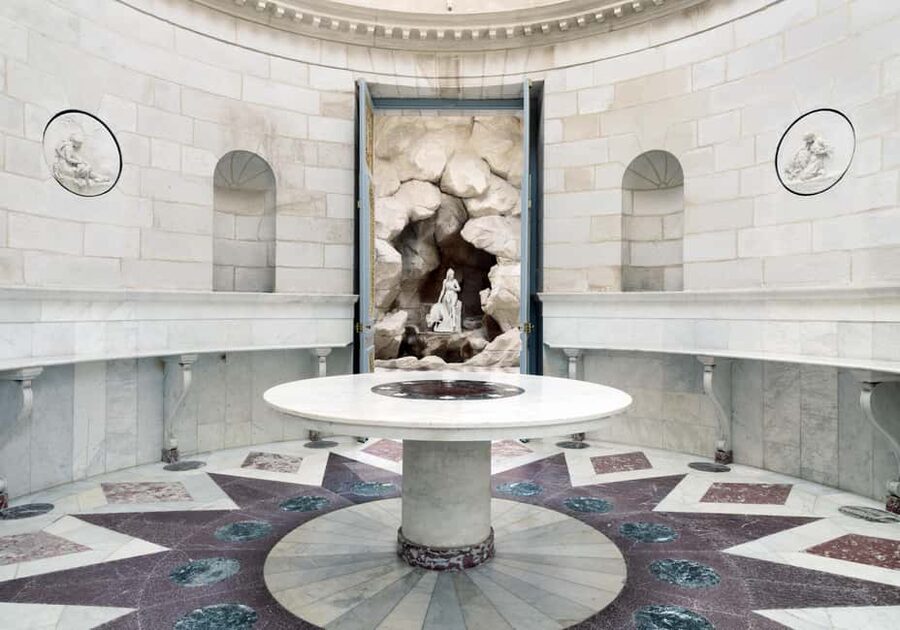
The oldest part of the story begins nearly six centuries ago, when Rambouillet became associated with the French ruling class. The exact details of each earlier period are not laid out in the information provided for this ticket, so you should think of the visit as a broad historical journey rather than a tightly dated architectural lesson.
What you can expect is a château shaped by several political systems. The Old Regime gives the site its royal connection. The Empire adds the era of Napoleon and imperial government. The Republic brings the building into the modern political world.
This sequence is one of the best reasons to visit. You are not looking at a monument frozen in one century. You are seeing a residence that adapted to changing rulers and changing ideas about power.
The presidential chapter began in 1895. Félix Faure, president of the Third Republic, chose Rambouillet as a summer residence. The location offered a peaceful place for family life, away from the pressures of Paris, while still being suitable for important diplomatic meetings.
That combination explains the château’s modern importance. It was not only a retreat for rest. It was also a place where national and international affairs could be discussed in a relaxed setting.
Inside the rooms used by presidents
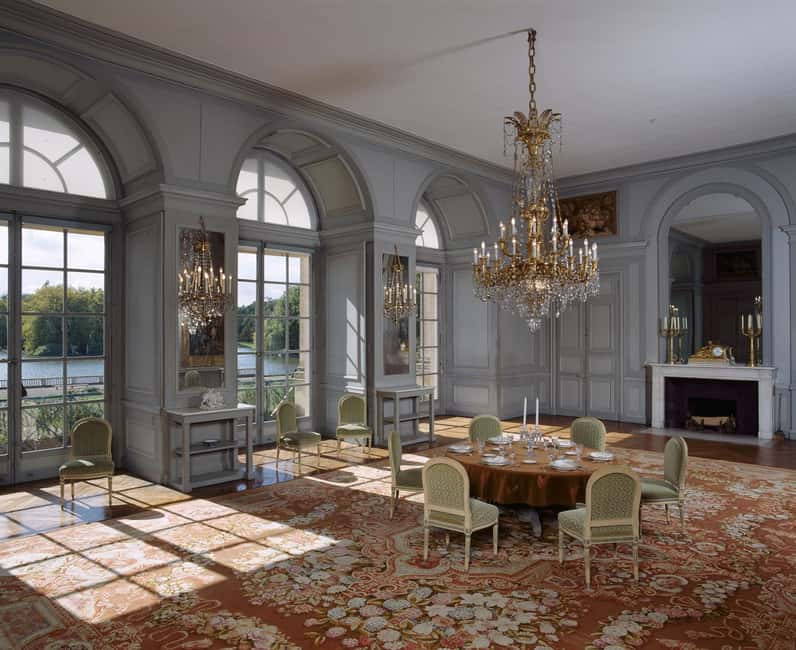
The most interesting part of the indoor visit is the gradual opening of private spaces once kept from public view. These rooms help you picture Rambouillet as a lived-in presidential residence rather than simply an old castle with furniture.
More than half of France’s presidents stayed here. That gives the château a strong connection to the Third Republic and the decades that followed. You are looking at rooms tied to the everyday side of political life: receiving visitors, hosting families, and holding private meetings.
The visit is self-guided, so you set your own pace. That works well if you want to pause over a room or read carefully. It also means you should not expect a guide to explain every object, answer questions, or add stories as you go.
The amount of indoor access can vary. A recent visit lasted only about 30 minutes because the second floor was closed. That is an important point when planning your day. The château can be worthwhile even with a short indoor route, but you should not assume that every floor or room will be open on your date.
If you compare Rambouillet with larger castles in the region, the interior may feel smaller and less dramatic. I would not book this ticket expecting another Versailles. The reward is the connection to presidential life and the sense of a residence that was used for real work, not just designed to impress.
The international meetings that shaped Rambouillet
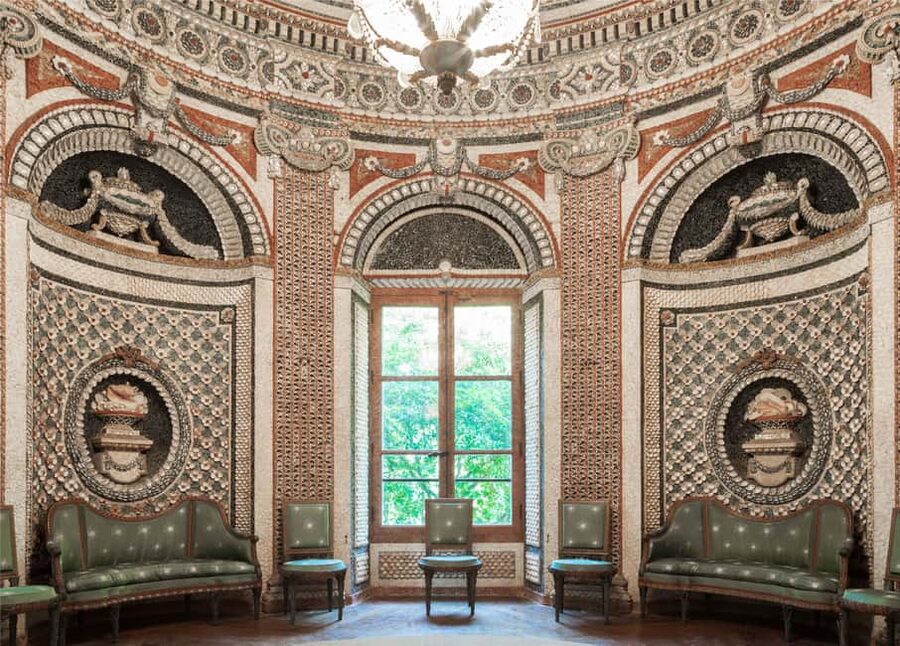
Rambouillet’s modern story reaches well beyond France. Many foreign leaders and crowned heads were invited here, including David D. Eisenhower, John F. Kennedy, Nikita Khrushchev, Mikhail Gorbachev, the emperor of Japan, and Queen Elizabeth II.
Those names give the château unusual political weight. A room can look quiet and ordinary, yet its meaning changes when you know that major international figures met here. Rambouillet was suitable for delicate conversations because it offered privacy and a less formal atmosphere than a city palace.
The site is especially linked to the first G6 meeting in 1975. President Valéry Giscard d’Estaing organized the meeting, bringing together the leaders of six of the world’s most industrialized countries.
This is a useful detail to keep in mind as you tour. Rambouillet was not only a summer home. It was part of the machinery of international diplomacy. The château’s importance comes partly from what happened in its rooms, not just from the age of its walls.
I find that this political layer gives the visit a sharper focus. You are not simply admiring decorative interiors. You are considering how leaders chose places for serious talks, and why a quiet residence could be more useful than a grand ceremonial hall.
Same walls, a different way in:
- Loire Valley Castles Day Trip from Paris with Complementary Wine
★ 4.5 · 3,907 reviews - From Paris: Loire Valley Castles Day Trip With Wine Tasting
★ 4.6 · 1,727 reviews - Medoc or Saint Emilion Wine Tasting and Chateau from Bordeaux
★ 5.0 · 1,415 reviews - ★ Walking Tour of Old Nice and Castle Hill
★ 5.0 · 1,318 reviews
What the self-guided route is really like
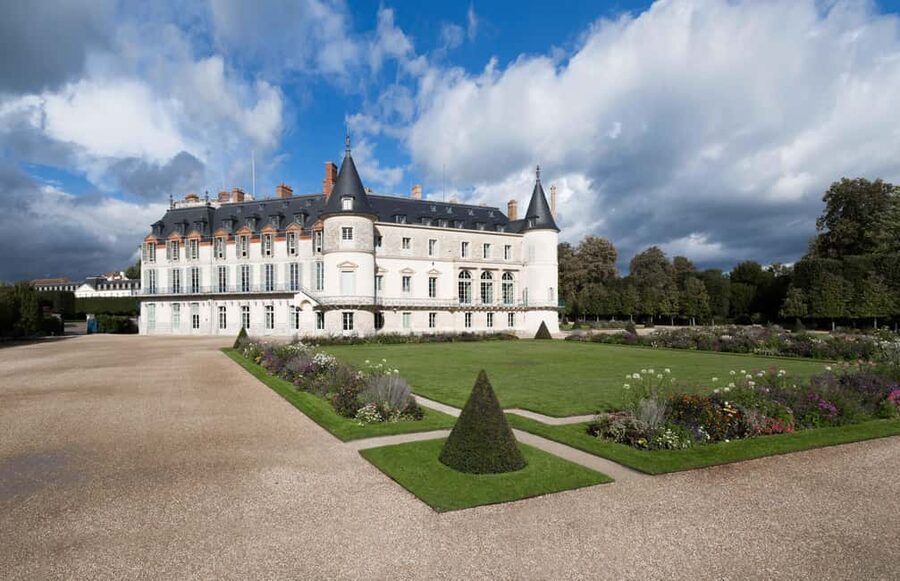
Your ticket includes admission and a self-guided tour. There is no live guide, and no guide name is provided because the experience does not include one.
That format is best for independent visitors. You can enter, follow the available route, and spend more time on the presidential material that interests you. If you prefer a flowing explanation with dates, anecdotes, and answers to questions, you may find the visit less satisfying.
The route can be fairly quick inside. One useful planning estimate is roughly 30 minutes for the open interior, though this is not a guaranteed duration. If all accessible areas are open, you may spend longer. If the second floor or other spaces are closed, the indoor portion may be limited.
I would plan the château as part of a larger visit to Rambouillet rather than as an all-day indoor attraction. The ticket remains valid for one day, which gives you room to take your time and include the grounds. The outdoor area is not merely an afterthought. It may be where the visit feels most complete.
Take a moment to notice the contrast. Inside, the focus is on power, privacy, and changing occupants. Outside, the pace slows. The park and gardens show why this place worked so well as a retreat.
Gardens and parkland: where the visit gains value
The gardens and park help balance the short indoor route. The château’s position between the town and forest has drawn people for centuries, and that relationship with the surrounding land remains part of its character.
You should allow extra time outdoors, especially if the weather is pleasant. The grounds offer a quieter experience than the rooms, and they make the ticket more useful for people who do not want to spend the whole day reading displays.
I like this part of the visit because it connects the building to its original purpose. A royal or presidential retreat needed space, calm, and separation from city life. The park helps you understand why Rambouillet appealed to leaders who wanted privacy without giving up access to political and social life.
The information supplied here does not give a detailed map, walking distance, or list of specific garden features. I would therefore avoid planning around one particular monument or garden highlight. Instead, treat the grounds as valuable open space surrounding the château and use the available time to explore at an unhurried pace.
If your main interest is architecture and interiors, the grounds will not replace a closed floor. But if you enjoy historic settings and quiet walks, they can turn a short museum visit into a more satisfying half-day outing.
Is $12 a fair price?
At $12 per person, this is a reasonably priced admission ticket. The value depends on what you want from a castle visit.
For someone interested in French presidents, diplomatic history, or the way old residences remained useful in modern times, the price is easy to justify. The ticket gives you access to a site that connects royal, imperial, and republican France, plus the gardens and park.
The value is less certain if you are choosing only by size or spectacle. Rambouillet is smaller and more restrained than some better-known castles in the region. If you expect a long interior route filled with grand halls, a 30-minute visit could feel brief.
I would think of the $12 as payment for a combination of three things:
- The historic château and its accessible rooms
- The presidential story, including newly opened private spaces
- The surrounding gardens and park
The ticket is especially sensible if you already plan to spend time in Rambouillet. It gives you a focused historic attraction without the cost or time commitment of a major palace. If you are making a special journey only to see a huge castle interior, check the opening information first and keep your expectations measured.
Practical planning for your day
The ticket is valid for one day, but you still need to check the available starting times and current opening schedule before you go. Last access is 30 minutes before closing, so do not arrive at the last moment.
The château is closed every Tuesday, as well as January 1, May 1, and December 25. Free admission is offered on the first Sunday of January, February, March, November, and December, and during European Heritage Days, held on the third weekend of September each year.
Visitors under 18 and European Union citizens under 26 can enter free, but you must first show photo identification at the ticketing station before going to the monument entrance. Bring the required ID if you intend to use that benefit.
Large bags and luggage are not allowed. Pack light, especially if you are combining the château with other stops. The ticket is non-refundable, so confirm your day and opening details before booking.
Since this is a self-guided visit, you may want to read a little about Félix Faure, Giscard d’Estaing, and the 1975 G6 meeting beforehand. A small amount of preparation will make the rooms more meaningful, particularly if you are visiting when only part of the château is open.
Who will enjoy Rambouillet most?
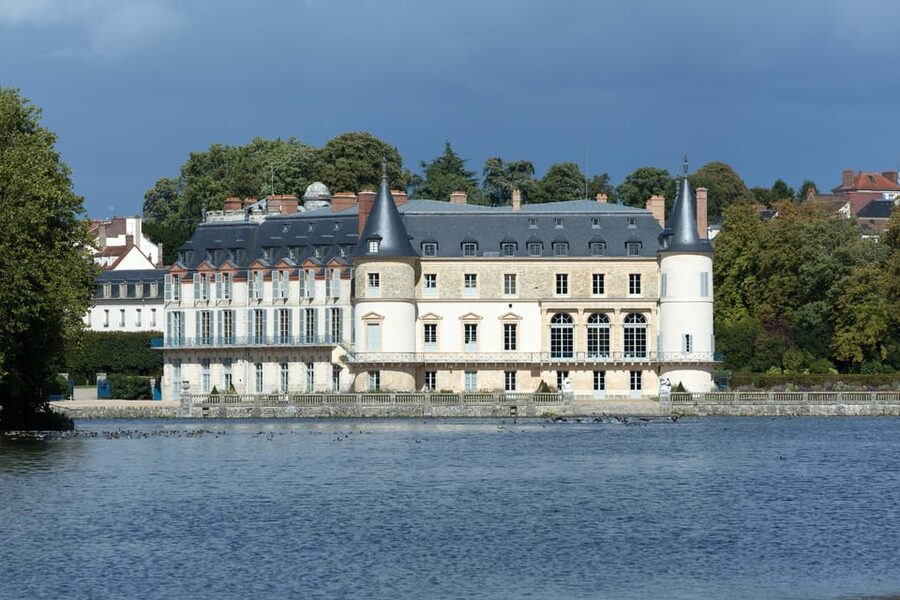
I would recommend this experience to you if you like political history, historic homes, and places with a calm atmosphere. It also suits repeat visitors to France who want something less obvious than the largest royal palaces.
Families may appreciate the manageable indoor route, though the value will depend on how much time children can spend in the gardens and park. Since visitors under 18 enter free with the required process, the total cost can be attractive for a family.
It is also a good fit if you prefer to explore independently. There is no fixed live commentary, so you can move at your own speed and focus on the parts that interest you.
I would be more cautious if your main goal is a vast palace interior, a long guided tour, or a fully predictable route through every floor. The possibility of closures matters here. The recent 30-minute indoor visit shows that the available spaces can make a real difference.
Should you book Château de Rambouillet?
Book it if you want a modestly priced look at a residence that links six centuries of French power with the modern presidency. The presidential rooms, international connections, and peaceful grounds give the visit a clear identity.
Do not book it expecting Versailles in miniature. The interior may be brief, and parts of the château can be closed. The strongest plan is to combine the rooms with time in the gardens and park, then treat the visit as a quiet historical stop rather than a full-day palace spectacle.
At $12, Rambouillet is a good choice for curious visitors who value context over grandeur. Check the opening date, arrive before the final 30-minute entry window, leave large bags behind, and allow enough time outdoors to get the full benefit of the site.
FAQ
Is a live guide included with the Château de Rambouillet ticket?
No. The ticket includes admission and a self-guided tour only. A live guide is not included.
How long is the Château de Rambouillet ticket valid?
The ticket is valid for one day. Check the available starting times when booking.
Can I bring luggage or a large bag?
No. Luggage and large bags are not allowed.
Who can enter free?
Visitors under 18 and European Union citizens under 26 can enter free with valid photo identification. You must show the ID at the ticketing station before going to the monument entrance.
When is Château de Rambouillet closed?
The château is closed every Tuesday, January 1, May 1, and December 25.
When is admission free for everyone?
Admission is free on the first Sunday of January, February, March, November, and December, and during European Heritage Days, held on the third weekend of September each year.
Newly walked in France
- Château de Fieuzal, Pessac-Léognan: Visit and Tasting★ 5.0 · 18 reviews
- Full-day Saint-Emilion: Village, Undergrounds and Châteaux★ 4.5 · 55 reviews
- Saint Emilion Castle and Village Wine Tour★ 4.5 · 23 reviews
- Private Wine Lovers – Super St Emilion – behind the scenes visits top chateaux and medieval town★ 5.0 · 25 reviews
- Bordeaux Médoc Region Private Wine Lovers Tour with Chateau Visits & Tastings★ 5.0 · 40 reviews
- On the Medoc Castle Route on a full day private tour (Premium Sedan)★ 3.0 · 2 reviews
- Full Day Tour Saint Emilion with lunch two Chateaux and Village★ 5.0 · 49 reviews
- Bordeaux to Dordogne – Private Tour: Fortified Castles and Medieval Villages★ 4.5 · 4 reviews
Castle Entry Tickets, compared.

Edinburgh Castle: Guided Walking Tour with Entry Ticket
Read our review →
Castle Tour with Local Guide and Entry Ticket
Read our review →
Prague Castle 2.5-Hour Tour Including Admission Ticket
Read our review →
Edinburgh Castle: Guided Walking Tour with Entry Ticket
Read our review →
Prague Castle and Lobkowicz Palace Entry Tickets
Read our review →
Alcázar and Cathedral Entry Ticket and Guided Tour
Read our review →Browse the lists this tour appears in