
Review · KHIVA
Daytrip from Khiva to Five Ancient Fortresses
Khorezm’s great fortresses are scattered across the dry plains of Karakalpakstan, and this private trip gives you a practical way to reach five of them in one long day. You’ll see the striking walls of Ayaz-Kala and Toprak-Kala, plus quieter ruins that help show how large this old fortified region once was.
I like the private car and flexible departure time, especially because you can leave from a Khiva hotel, the airport, or the train station in Urgench. I also like the chance to explore at your own pace, with enough time for photos and walks rather than being hurried through every stop. The main drawback is that this is transport with sightseeing, not a fully guided history tour, and some drivers have limited English.
Key points before you book
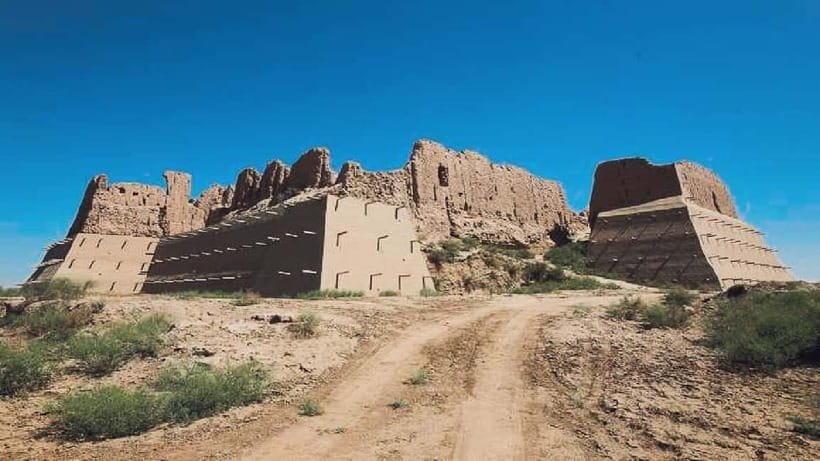
- Five fortresses in one day: Visit Guldursun-Kala, Ayaz-Kala, Kavat-Kala, Toprak-Kala, and Kyzyl-Kala.
- Private transport for up to three people: The $115 group price can be good value when shared.
- Ayaz-Kala is the visual highlight: Its hilltop setting and three-part fortress complex offer the most memorable visit.
- The stops are not equally preserved: Toprak-Kala and Ayaz-Kala are the clearest ruins, while Kavat-Kala and parts of Guldursun-Kala can feel more like archaeological sites.
- No guide or entrance tickets are included: Bring cash and arrange your own historical explanations.
- Driver quality matters: Izzat has been praised for being friendly and flexible, but driving speed and English ability can vary.
Why these five fortresses matter
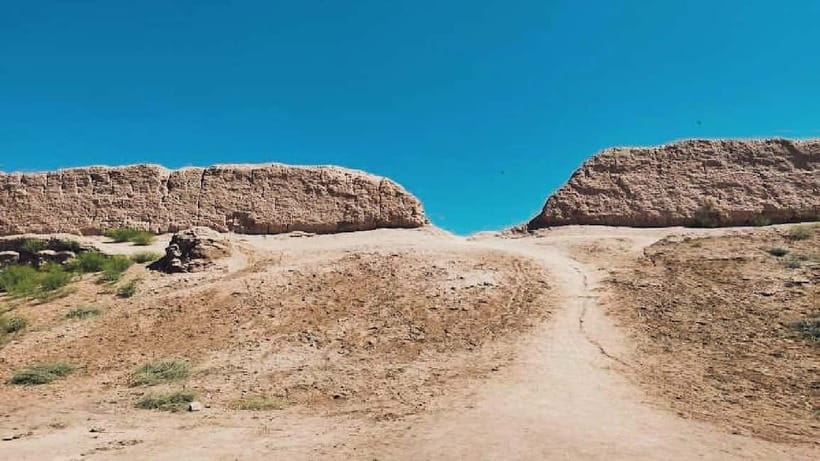
Khorezm was an old oasis civilization around the lower Amu Darya, where farming settlements and fortified towns grew beside channels and desert routes. The fortresses you visit are not five polished monuments with signs at every corner. They are broad mud-brick ruins, often spread over open ground, where the shape of a wall or the rise of a citadel may be the main clue to what once stood there.
That is part of the appeal. You are not simply walking through a restored building. You are trying to read a defensive system from fragments: thick walls, towers, loopholes, elevated positions, and the remains of settlements that once supported soldiers, rulers, farmers, and craftspeople.
The trip lasts about seven hours, so expect a full day with substantial driving. You’ll have a private air-conditioned vehicle, parking fees covered, and hotel or transport-terminal pickup and drop-off in Khiva or Urgench. The schedule is flexible, but five sites still require sensible pacing.
More Fortress and Citadel Tours in the world:
- Carcassonne: Castle and Ramparts Entry Ticket
★ 4.6 · 2,884 reviews - Salzburg: Hohensalzburg Fortress Admission Ticket
★ 4.6 · 2,236 reviews - Salzburg: Best of Mozart Fortress Concert and Dinner
★ 4.5 · 1,424 reviews
Guldursun-Kala, the broad first look at Khorezm’s defenses
Guldursun-Kala gives you an early sense of the scale of these fortifications. The rectangular fortress covered about 35 hectares, with adobe walls built in two rows and fitted with loopholes. Even in ruin, that footprint helps you picture a serious defensive settlement rather than a small watchtower.
The site dates back to the second or first century BC, though the area continued to matter much later. Archaeological evidence points to occupation around 1220, during the rule of Shah Ala ad-Din Muhammad, just before the Mongol invasions brought major change to the Khwarezmian Empire.
The walls are the main attraction, so this stop suits you if you enjoy ancient structures in a raw state. It is less suitable if you need restored rooms, detailed displays, or a polished museum experience. Bring water, wear shoes suitable for uneven ground, and use the photo stop to understand the fortress plan from outside.
Ayaz-Kala, the day’s strongest fortress visit
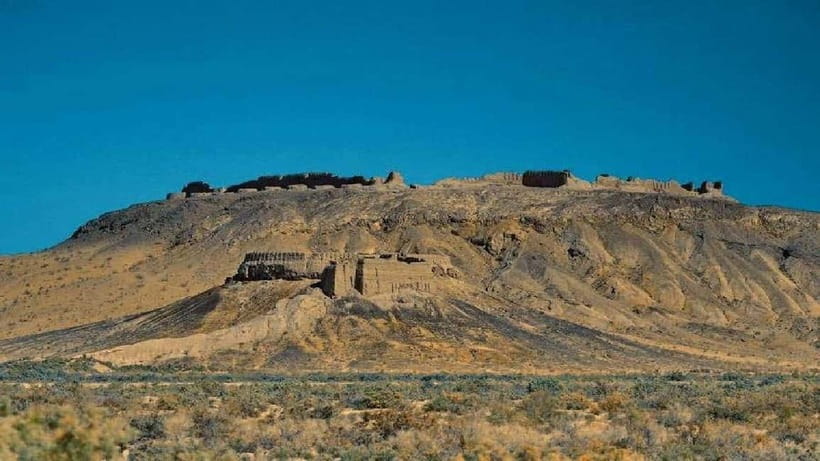
Ayaz-Kala is usually the most rewarding stop because it combines scale, setting, and a clearer sense of a fortified complex. The name is often translated from Turkic as frosty or cold. It is located in the Ellikkala district, about 96 kilometers from Khiva and 30 kilometers from Buston.
What you see is not one isolated fortress. Ayaz-Kala is a group of three fortresses arranged around a hill at the eastern end of the Sultan Uizdak ridge. That arrangement gives the visit more variety than a single ruined wall. You can look across the open country, compare the different positions, and walk around the remains at your own speed.
The upper fortress is the most dramatic part for photos, with large earthen walls rising above the plain. The exact condition of the ruins can vary, and you should take care on rough surfaces. There is no included guide to point out every feature, so read up before you go or save a short history note on your phone.
I would plan to spend generous time here. If your driver offers a choice between lingering at Ayaz-Kala and adding an extended stop at one of the less visible sites, I would favor Ayaz-Kala. It is the place most likely to give you that clear, lasting picture of ancient Khorezm.
Kavat-Kala, the site that needs imagination
Kavat-Kala is a different kind of visit. The fortress itself measures roughly 160 to 190 meters, but the wider complex stretches about 15 kilometers along the Gavhore Channel and reaches two to three kilometers in width. This was not just a citadel. It was part of a large inhabited oasis.
During the 12th and 13th centuries, the central section was heavily populated, with about 90 estates recorded in the area. Residential buildings and clay structures once filled the region, though much less remains visible today.
That makes Kavat-Kala valuable for understanding settlement patterns, but it may not give you the same immediate visual reward as Ayaz-Kala or Toprak-Kala. You might look at low earth remains and wonder where the fortress begins and the surrounding settlement ends. That is not a flaw in the site, but it does mean you’ll get more from it if you enjoy archaeology and can picture a vanished community from a few surviving traces.
Research at Kavat-Kala is still developing. Your driver may offer only a short explanation, so treat this as a chance to see a less polished and less visited archaeological area, not as a fully interpreted monument.
More Castle Tours in the world:
- Seville: Royal Alcázar Entry Ticket
★ 4.6 · 28,378 reviews - Stonehenge, Windsor Castle, and Bath from London
★ 4.5 · 18,662 reviews - Bucharest: Dracula’s Castle, Peles Castle, & Brasov Old Town
★ 4.5 · 17,858 reviews - From Munich: Neuschwanstein & Linderhof Castle Full-Day Trip
★ 4.6 · 14,646 reviews
Toprak-Kala, a former royal residence
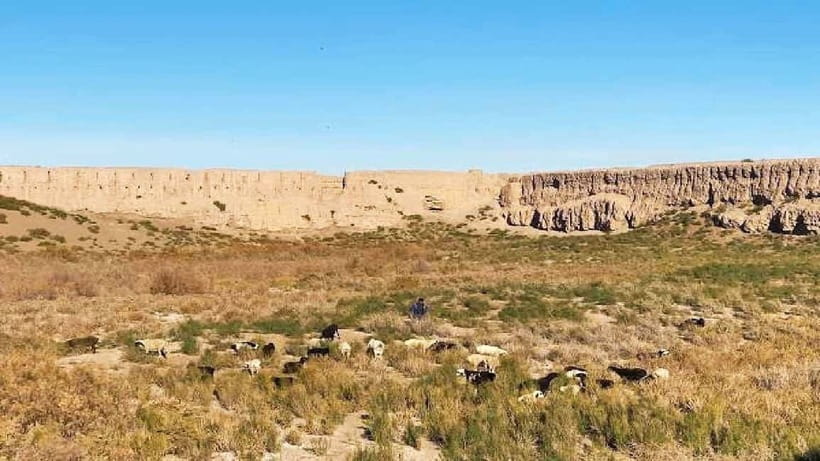
Toprak-Kala is one of the most important stops because it was more than a defensive outpost. Built in the third century, it served as a residence for the Khorezmshahs, the rulers of the country, until about AD 305.
Aggressive wars eventually pushed the rulers to leave. After that, the city declined and fell into decay. The remains still suggest a planned royal center, and excavations have produced an impressive range of finds: coins, Zoroastrian ossuary fragments, fine ceramics, wool and silk textiles, gold ornaments, and a necklace made with hundreds of glass beads, paste, amber, and coral.
Most of those objects are not sitting exposed among the ruins, so you should visit Toprak-Kala for the structure and historical importance rather than expecting a furnished palace. The site helps explain the political side of Khorezm, while Ayaz-Kala feels more focused on defense.
Allow time to walk and take photographs. The open ground and surviving walls make the site easier to appreciate when you slow down and look at the layout instead of rushing to the next stop.
Kyzyl-Kala, a fortress built for warning and refuge
Kyzyl-Kala shows how defense worked at a local level. It served as a refuge during raids by nomadic groups. Watchers could use smoke signals to warn nearby communities that an enemy army was approaching, giving people time to prepare and move inside the citadel.
The fortress was protected by a double wall, with watchtowers at the corners. A particularly interesting detail is the system of ceramic pipes designed to carry a steady water supply into the fort. That feature reminds you that a fortress had to do more than resist an attack. It had to keep people alive during a siege.
This is a good stop for connecting the ruins to daily survival. Look for the defensive logic in the walls and towers, and try to imagine the signal system operating across the open plain. Like the other sites, it is not a modern museum. Your experience depends on your willingness to inspect the remains and use your own imagination.
The itinerary includes a safety briefing here, which is sensible. Watch your footing, stay clear of unstable edges, and do not climb anything that looks fragile.
A private car, but not a private historian
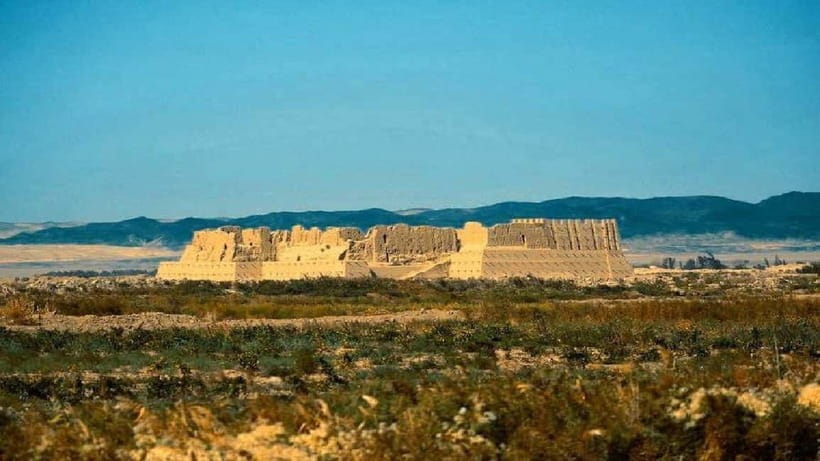
The vehicle is air-conditioned and private, which matters in this part of Uzbekistan. You can travel with just your own group of up to three people, avoid waiting for other passengers, and ask for photo stops along the way.
The driver will take you between the sites, but a guide is not included. Some drivers can share basic information, yet English ability is limited in some cases. Izzat, one driver named in feedback, was praised for being friendly, flexible, and eager to share local culture despite the language barrier.
You should not book this expecting a formal lecture at each fortress. If you want detailed explanations of dates, dynasties, architecture, and excavation work, arrange a separate guide or prepare your own notes. If you mainly need reliable transport and time to explore, the setup works better.
Driving standards are another point to consider. One serious complaint described very fast driving on poor roads, while other experiences praised the driver’s efficiency and care. You can politely ask your driver to slow down if needed. Safety matters more than shaving a few minutes from the route.
What the $115 group price really buys you
At $115 for a private group of up to three, the cost can be reasonable when split between two or three people. You are paying for a full day of private transport, air conditioning, pickup and drop-off, parking fees, and the convenience of reaching five remote sites without arranging separate taxis.
The value is strongest for a small group that wants freedom. A solo visitor pays the same group rate, so the price is less attractive alone unless the convenience is especially important to you.
Remember that entrance tickets, lunch, and a guide are extra. Ask about the current entrance fees before setting out, and carry local currency. The tour information does not provide one fixed ticket price for all five sites, so do not assume admission is covered by the $115.
Lunch is optional rather than included. You can ask about stopping for food, but keep your expectations clear and confirm the restaurant and prices before ordering. Bringing water and a simple snack is a sensible backup on a seven-hour trip.
How to make the day work better
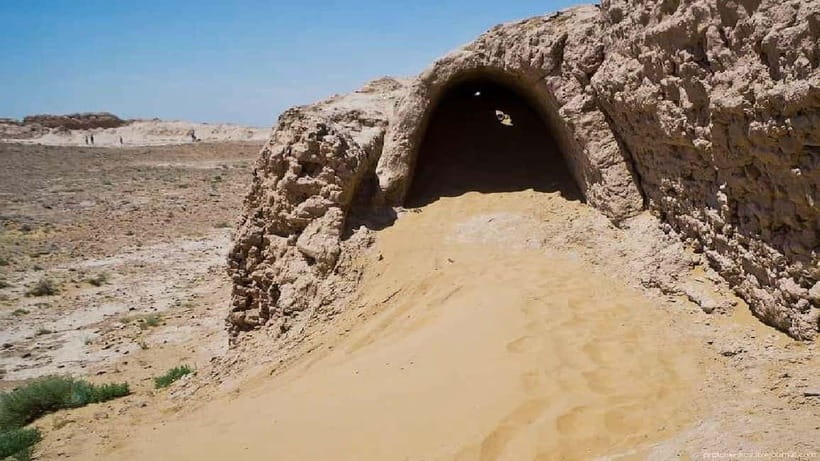
Start with practical preparation. Wear shoes that can handle dirt, uneven ground, and short walks. Use sun protection, carry water, and bring a charged phone or camera. The fortresses are open-air sites, and shade may be limited.
Before departure, confirm four things with the driver:
- The pickup time and exact address
- Which entrance fees you should pay
- Where and when lunch will happen
- Whether the driver can provide explanations in your preferred language
You can leave from a hotel in Khiva or from Urgench airport or train station. Drop-off is available in either Khiva or Urgench, which is useful if you are connecting between the two. Wait at your pickup point about 10 minutes early.
The route can also work well around a transfer day, but only if your arrival time leaves enough room for seven hours. Do not squeeze this into a tight train or flight connection.
Who should book this day trip?
I would recommend it to you if you have already seen Khiva’s old town and want to understand the wider Khorezm region. It also suits photographers, archaeology fans, and independent-minded visitors who prefer a private car to a fixed group bus.
It is less suitable if you want a fully narrated cultural tour, restored interiors, or five equally impressive monuments. Two sites may give you the strongest visual experience, while the others reward patience and historical interest more than quick sightseeing.
Families can appreciate the open spaces, but adults should keep an eye on children near walls and uneven ground. Anyone uncomfortable with long drives or rough roadside conditions should think carefully before booking.
Should you book the five-fortress trip?
Book it if you want access to remote ruins without hiring a car yourself, especially if you can share the $115 price with two companions. Ayaz-Kala and Toprak-Kala are the strongest reasons to go, while Guldursun-Kala, Kavat-Kala, and Kyzyl-Kala add useful context about defense, settlement, and survival.
Skip it if you need a professional guide included or if rushed driving would spoil the day. Confirm the driver’s language ability, discuss safe speeds, budget for entrance fees, and bring your own historical notes. With those expectations set, this is a practical way to see the ancient fortresses beyond Khiva, even if not every stop feels equally substantial.
FAQ
How long does the day trip last?
The activity lasts about seven hours.
Where can pickup take place?
Pickup is available from hotels in Khiva, as well as Urgench airport and Urgench train station.
Where can I be dropped off?
Drop-off is available in Khiva or Urgench.
Which fortresses are included?
The route includes Guldursun-Kala, Ayaz-Kala, Kavat-Kala, Toprak-Kala, and Kyzyl-Kala.
Is the tour private?
Yes. It is a private group experience for up to three people.
Is a guide included?
No. A guide is not included. The driver provides the transportation, and some drivers may have limited English.
Are entrance tickets included?
No. Entry tickets are not included in the price.
Is lunch included?
No. Lunch is optional and must be paid for separately.
Newly walked in the world
- Private Tour Egyptian museum, Hanging Church, Castle of Saladin★ 5.0 · 2 reviews
- Cairo Egyptian museum, Cairo citadel and Alabaster mosque day tour★ 5.0 · 2 reviews
- Explore the History of Egyptian Museum Citadel and Khan Bazaar★ 5.0 · 2 reviews
- Egyptian Museum, Mohamed Ali Mosque and Citadel★ 5.0 · 12 reviews
- Egyptian Museum, Citadel and Old Cairo Tour★ 5.0 · 118 reviews
- Full-Day Private Guided Tour of Egyptian Museum, Pyramids and Cairo Citadel★ 5.0 · 2 reviews
- Egyptian Museum, Citadel & Mohamed Ali Mosque & City Of The Dead.★ 5.0 · 2 reviews
- Cairo Tour to Egyptian Museum Citadel and Khan Khalili Bazaar★ 5.0 · 10 reviews
Fortress & Citadel Tours, compared.


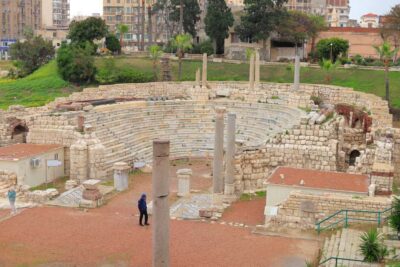
From Cairo Alexandria Catacombs, Citadel Day Trip with Lunch
Read our review →
Charleston historical walking tour with a Professor of History at The Citadel
Read our review →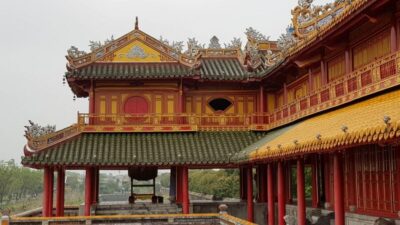
Hue Customizable Tour with Imperial Citadel & Forbidden City
Read our review →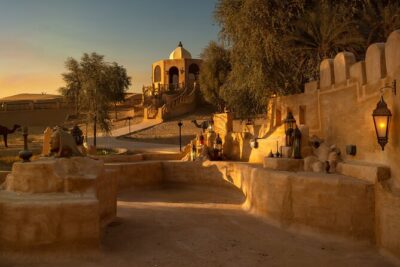
Desert Safari: Luxury Fortress Dinner, Camel Ride & Dune Bashing
Read our review →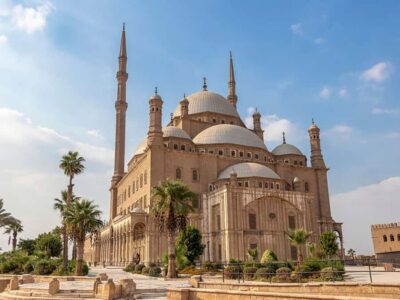
Egyptian Museum, Citadel, and Old Cairo Guided Tour
Read our review →Browse the lists this tour appears in