
Review · LISBON
Discover Alfama with the Exterior View of São Jorge Castle
Alfama gives you Lisbon at walking pace: steep lanes, tiled walls, old churches, Fado stories, and a broad view from Portas do Sol. The neighborhood escaped much of the 1755 earthquake, which helps explain its winding, close-knit feel today.
I like the route’s clear shape, from Rossio Square through central Lisbon and into Alfama, and I like that the tour ends at the cathedral rather than looping back. The $1.77 price is remarkable value if you want a short introduction, though the very low fare means you should check how payment is handled at the end.
The main consideration is the terrain. You will walk for 150 minutes on steep, uneven lanes, so good shoes and water matter. Monument entry is not included, and you will need to reach Rossio Square on your own.
Key points to know before you go
- Alfama escaped much of the 1755 earthquake: Its old street pattern and family feel make more sense once you understand what Lisbon lost.
- The route starts in Rossio and finishes at the cathedral: You get a one-way introduction rather than returning to the starting point.
- Portas do Sol is the big view stop: Expect rooftops, the Tagus River, and an exterior view toward São Jorge Castle.
- Fado is part of the cultural story: The guide connects this Lisbon music to its UNESCO World Heritage status.
- Guides bring personality to the walk: Valeria is described as warm and well informed, while Andy added humor and answered wider Lisbon questions.
- The price is unusually low: Entry fees and transport are not included, and the low advertised fare may involve a tip at the end.
Why Alfama is the right place for a first Lisbon walk
Alfama is one of Lisbon’s oldest districts, and its name comes from the Arabic Al-hamma, meaning hot fountains or baths. That small language detail gives you a useful clue: this is a part of the city shaped by centuries of different cultures, not a neighborhood built all at once.
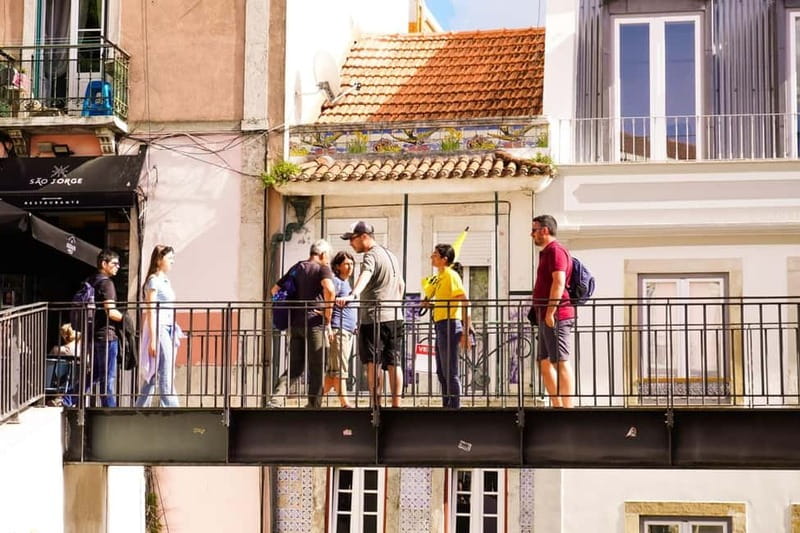
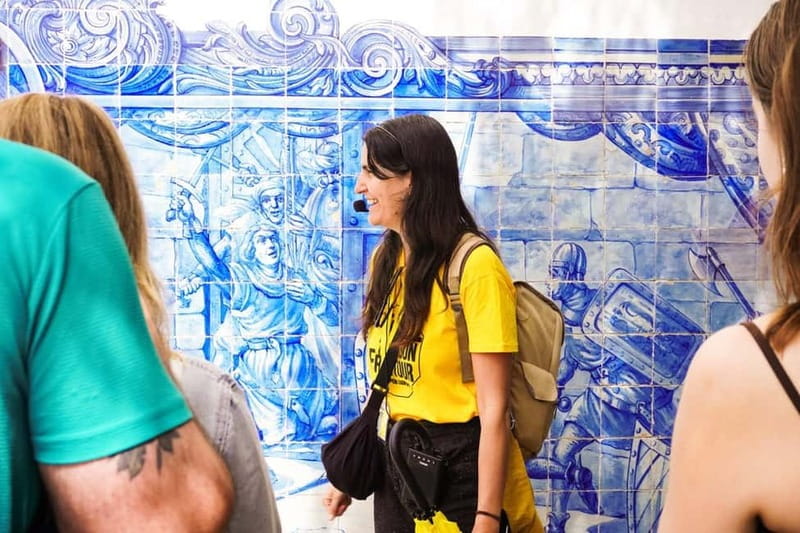
The area is known for steep, winding lanes lined with azulejos, the painted ceramic tiles found across Portugal. You may pass walls where color, patterns, and worn stone do as much to tell the story as a formal monument.
Alfama also feels different from the broad, orderly streets around Rossio. The lanes bend, climb, narrow, and open suddenly toward the river. That change is part of the appeal, but it can also make the walk tiring if you are not ready for hills.
The 1755 earthquake is central to understanding the district. Much of Lisbon was destroyed, yet Alfama was one of the few areas that escaped the worst of the damage. Its survival helps explain the old street plan and the neighborhood’s close, almost village-like character within a major European capital.
You will not simply hear dates on this walk. The earthquake story gives meaning to what you see underfoot and around you. A crooked lane is not just picturesque. It is also evidence of how this part of Lisbon developed over time.
More Castle Tours in Lisbon:
- Lisbon: São Jorge Castle E-Ticket and Audio Guide
★ 4.3 · 2,182 reviews - Lisbon: Sao Jorge Castle Skip-the-Line Ticket with Guide
★ 4.6 · 1,191 reviews - Templar Tour Convent of Christ & Almourol Castle from Lisbon
★ 5.0 · 704 reviews
Starting in Rossio Square with a yellow marker
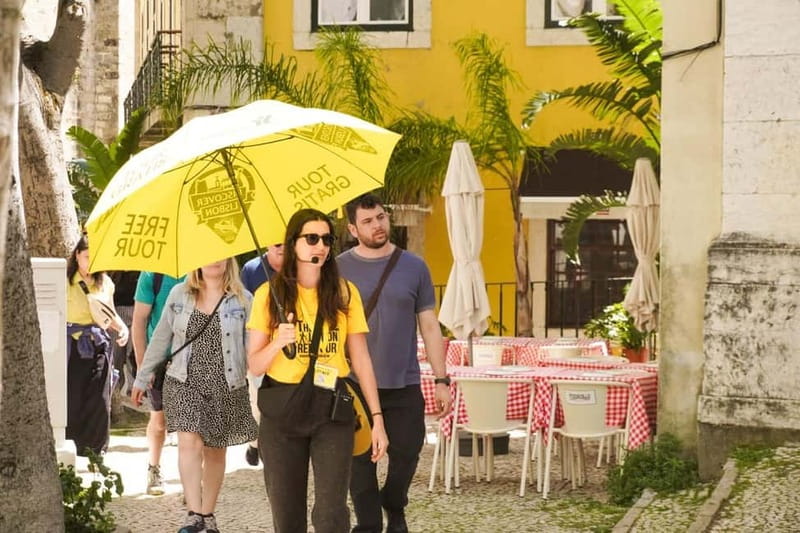
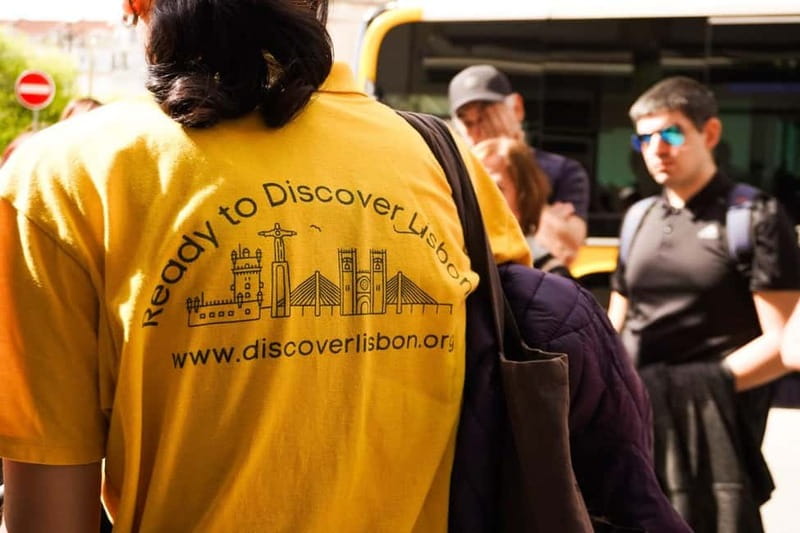
The meeting point is easy to identify if you know what to look for. Go to the statue in the middle of Rossio Square and find the tour team with a yellow umbrella and yellow hoodie or T-shirt.
That detail matters because Rossio is a busy city-center meeting place. Arrive with enough time to locate the guide without rushing. You do not need to arrange transport as part of the tour, but you do need to get yourself to the square.
Starting at Rossio gives the walk a useful progression. You begin in a more open and central part of Lisbon, then move toward older streets and Alfama’s hillier core. It is a good way to see how the city changes block by block.
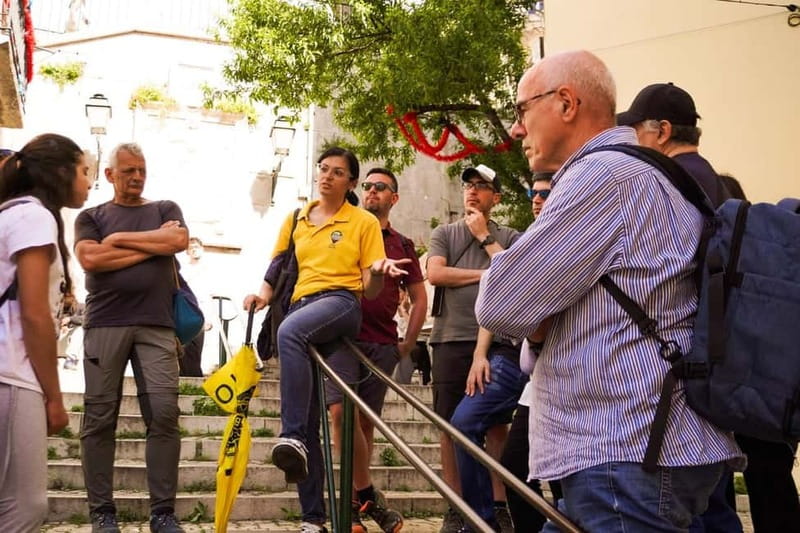
The walk is in English, with a live guide. The available information does not specify a fixed guide for every departure, but Valeria and Andy are two guides associated with recent tours. Valeria is described as friendly and well informed, while Andy brought jokes and answered questions about parts of Lisbon beyond the route.
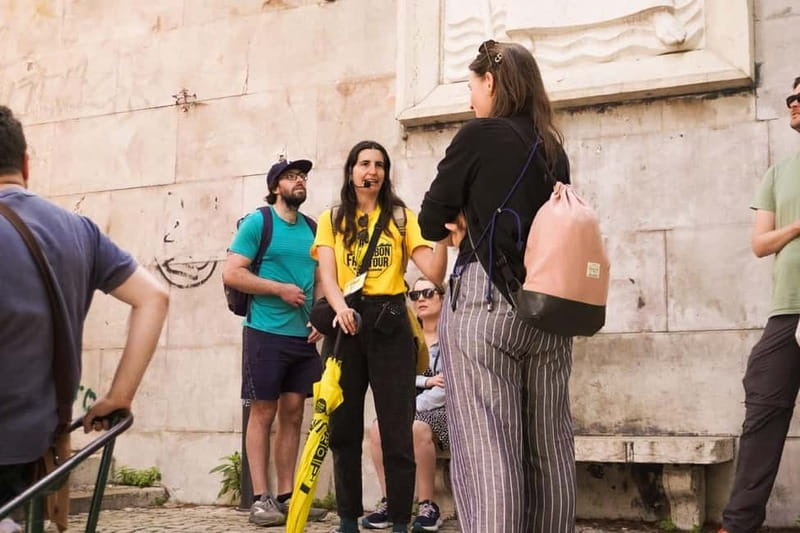
That personal touch can make a difference on a walking tour. You are not only looking for landmarks. You are also relying on the guide to help you notice why a church, tiled facade, or viewpoint matters.
Moving from central Lisbon into Alfama
The route passes key areas before reaching the heart of Alfama. The exact street-by-street sequence is not specified, so you should think of this as a guided neighborhood walk rather than a fixed checklist of every monument.
That is useful if you want orientation. Rossio is a practical starting point, while Alfama is the place where Lisbon’s older character becomes easiest to see. Along the way, your guide provides historical and cultural context instead of leaving you to guess what you are looking at.
The tour includes the history of famous monuments and visits to old churches, but entry to monuments is not included. This distinction is important. You can learn why the buildings matter and see them from the route, but you should not expect an interior visit covered by the tour price.
If a church or monument catches your eye, make a note of it and return later if you want a longer visit. The 150-minute format is designed to keep you moving through the neighborhood, not to spend a full half-hour inside each building.
I like this arrangement for a first morning or afternoon in Lisbon. You get a broad sense of the district before deciding which places deserve more of your own time. If you prefer slow museum visits and long interior stops, you may find the walking format less satisfying.
Reading Alfama through azulejos and old churches
Azulejos are one of the details that make Alfama visually rewarding. The tiles may appear on facades, around doorways, or across sections of older buildings. Their value is not only decorative. They help you read Lisbon as a city where everyday architecture carries design and local identity.
The route’s church stops add another layer. Old churches can look modest from the outside, yet they are part of the neighborhood’s long religious and civic story. Since admission is not included, the guide’s explanation is the main experience during this tour.
You should also expect the guide to discuss destruction and rebuilding. Lisbon’s earthquake changed the city, and Alfama’s survival makes the contrast especially clear. The tour is strongest when it links a physical detail, such as a narrow lane or old wall, to that larger event.
Do not expect every historical question to have a quick answer. The experience is a general introduction, not a specialist architectural study. Still, the short format gives you enough context to look at Alfama with sharper eyes when you walk around on your own later.
Same walls, a different way in:
- From Lisbon: Tomar, Convent of Christ & Almourol Castle
★ 4.8 · 663 reviews - São Jorge Castle Skip-the-line Entry Ticket
★ 4.5 · 440 reviews - Lisbon: Pena Palace, Moorish Castle, Qta. Regaleira & Sintra
★ 5.0 · 325 reviews - Sintra Cascais Private Tour with Pena Palace and Mouros Castle
★ 4.5 · 280 reviews
Portas do Sol and the view toward São Jorge Castle
The main viewpoint stop is Miradouro Portas do Sol. A miradouro is a Lisbon lookout, and this one is a natural high point for the route.
From here, you can take in the terracotta roofs and the Tagus River. The view helps you understand Alfama’s position on the hill and gives your legs a break after the uphill streets. It is also the clearest scenic reward of the walk.
The experience includes an exterior view of São Jorge Castle rather than entry to the castle itself. That is a useful distinction when comparing tours. You get the setting and visual context, but you will need a separate plan if you want to go inside the castle.
Portas do Sol also gives the history lesson a physical anchor. From a viewpoint, Lisbon’s layers are easier to grasp: old roofs below, hills and monuments around you, and the river beyond. This is the kind of stop where you should allow yourself a few quiet minutes instead of treating it as a quick photo break.
The exact length of the stop is not given, so the guide will control the pace. If photography is a priority, tell the guide early and use the viewpoint efficiently. The route continues to the cathedral, so you should not expect unlimited time at the lookout.
Fado, food, and the sound of old Lisbon
Fado is another major part of the tour. This Portuguese music is associated with longing, memory, and everyday feeling, and it is on UNESCO’s World Heritage list. The walk introduces its place in Lisbon’s culture rather than promising a live Fado performance.
That is important when setting expectations. You will hear about Fado and the role it plays in Alfama, but a concert, dinner, or Fado-house booking is not included in the listed experience.
The neighborhood’s atmosphere brings the subject to life. You may notice the aromas of traditional Portuguese cooking, hear music from nearby venues, and pass local residents talking in the lanes. These small details are valuable because they show Alfama as a lived-in district, not only as a historic display.
At the same time, the tour does not promise a meal or a tasting. Bring water, and plan your own food stop before or after the walk. The guide can provide cultural context, but the cost of food remains yours.
I would use the Fado section as a reason to return in the evening if music is a priority. This walk helps you understand why Alfama matters, while a separate night out would be needed for a full performance experience.
Ending at Lisbon Cathedral
The route ends at the cathedral. That is a sensible finish because you do not have to retrace the full walk to return to Rossio. You can continue exploring Alfama from there, visit the cathedral independently if you choose, or arrange your next stop in the old city.
Again, entry is not included. The tour gives you the history and exterior context, but the cathedral visit itself is outside the package.
Ending here also gives the walk a clear sense of progression. You start in Rossio, cross into the older quarters, reach Alfama’s main viewpoint, and finish beside one of Lisbon’s major religious monuments. For a first look at the district, this is more useful than a short stroll that only circles one plaza.
The end point may be less convenient if you need to return immediately to Rossio, but Lisbon’s central districts are connected by public transport and walking routes that you can arrange separately. No transportation to or from the meeting point is included.
What the low price really means
At $1.77 per person, this is priced more like an introduction than a full paid sightseeing program. The value is strong if you want a human guide, local stories, and a two-and-a-half-hour orientation for very little money.
You should read the price carefully, though. A recent booking described a fare of about 1.50 euros and a request to place in the guide’s hat what the walk was worth at the end. The exact payment arrangement may vary, so check the current terms before you go and carry a little cash if needed.
That tip-based structure changes how you should judge the cost. The advertised price may be only part of the expected payment, and a fair tip should reflect the guide’s time and the quality of the walk. Do not assume the guide’s work is fully covered by the tiny booking price.
The package includes an expert guide and historical and cultural insights. It does not include monument entry, food, or transportation to the meeting point. Those exclusions are reasonable for a walking orientation, but you should add them to your day’s budget.
Free cancellation up to 24 hours before the start and reserve-now, pay-later booking give you some flexibility. Starting times depend on availability, so check the schedule that appears for your chosen date.
Who will enjoy this walk most
I would recommend it to you if you want a first look at Lisbon before exploring on your own. It suits people who enjoy local stories, views, old streets, and a guide who can explain how the earthquake shaped the city.
It also works well for budget-conscious visitors. The price leaves room in your budget for a cathedral visit, a Fado performance, or a meal in the area, though you should account for any end-of-tour tip.
You will get the most from it if you can handle hills and uneven paving. Comfortable shoes are not a minor suggestion here. Alfama’s charm comes partly from its old street plan, and old streets are rarely flat or smooth.
Families, solo visitors, and first-time visitors can all use the tour as an orientation, but the experience is not described as private or customized. If you want a quiet, highly detailed architectural tour, ask about the group setup before booking.
Bring water. Wear shoes you trust. Keep your expectations focused on walking, storytelling, views, and exterior sights rather than included admissions or a meal.
Should you book Discover Alfama?
Book this walk if you want an inexpensive, English-language introduction to Alfama with a strong mix of history, culture, and views. The route gives you useful context for the 1755 earthquake, Fado, azulejos, old churches, Portas do Sol, and São Jorge Castle from outside.
I would especially choose it early in a Lisbon stay. The finish at the cathedral leaves you in a good position to continue exploring, and the guide’s wider city knowledge may help you plan later stops.
Skip it if steep streets are a serious problem, if you need guaranteed monument entry, or if you want a full Fado performance. For most able walkers seeking a short, low-cost orientation, the experience offers unusually good value, provided you understand the payment arrangement and bring a little patience for the hills.
FAQ
Where does the tour meet?
Meet in Rossio Square, near the statue in the middle of the square. Look for the team with a yellow umbrella and yellow hoodie or T-shirt.
Where does the tour end?
The walk ends at Lisbon Cathedral.
How long does the tour last?
The tour lasts 150 minutes, or two and a half hours.
What language is the tour in?
The live tour guide speaks English.
Is São Jorge Castle included?
The tour provides an exterior view of São Jorge Castle. Entry to monuments is not included.
Does the tour enter the cathedral?
Entry to monuments is not included, so the cathedral visit itself is not covered by the tour.
Is Fado music performed during the walk?
The tour includes information about Fado and its UNESCO World Heritage status. A live Fado performance is not listed as part of the activity.
What should I bring?
Bring comfortable shoes and water.
Is transportation included?
Transportation to and from the meeting point is not included. You must make your own way to Rossio Square.
Can I cancel for a refund?
You can cancel up to 24 hours in advance for a full refund. You can also reserve now and pay later, subject to the booking terms.
Newly walked in Lisbon
- Tomar: Knight’s Templar Castle and Convent of Christ Tour★ 4.9 · 84 reviews
- From Lisbon: Tomar, Christ Convent & Almourol Castle Tour★ 5.0 · 64 reviews
- Sintra: Moorish Castle, Pena Palace, Cabo da Roca, & Cascais★ 5.0 · 6 reviews
- Lisbon Tour: Cristo Rei, Belem, São Jorge Castle, 360°View.★ 4.9 · 18 reviews
- Lisbon: Sintra, Pena, Moorish Castle, Regaleira & Cascais★ 4.8 · 136 reviews
- Lisbon: Tower of Saint George’s Castle Church Ticket & Drink★ 3.7 · 37 reviews
- Lisbon: Saint George’s Castle Entry & City Self-Guided Tours★ 3.6 · 16 reviews
- Lisbon: Saint George’s Castle Entry Ticket and Guided Visit★ 4.6 · 127 reviews
Lisbon Castle Tours, compared.
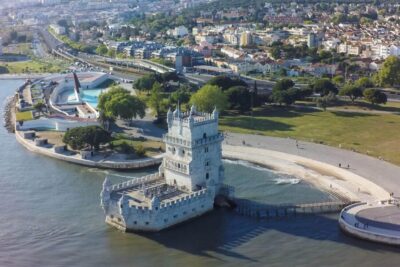

Templar Tour Convent of Christ & Almourol Castle from Lisbon
Read our review →
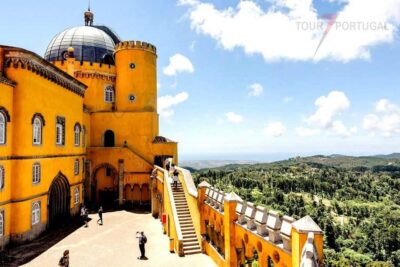
Pena Palace, Moorish Castle, Qta. Regaleira & Sintra
Read our review →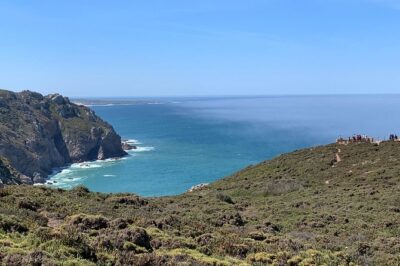
Sintra Cascais Private Tour with Pena Palace and Mouros Castle
Read our review →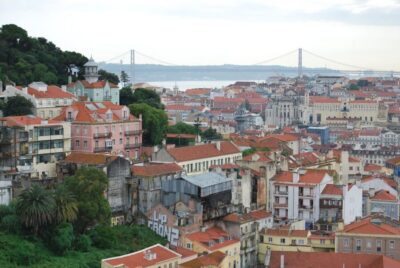
Alfama and São Jorge Castle Quarters Walking Tour
Read our review →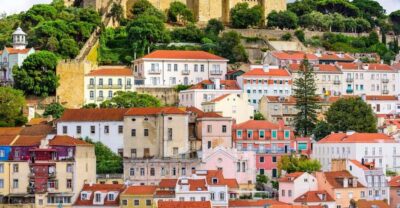
Saint George’s Castle Entry Ticket and Guided Visit
Read our review →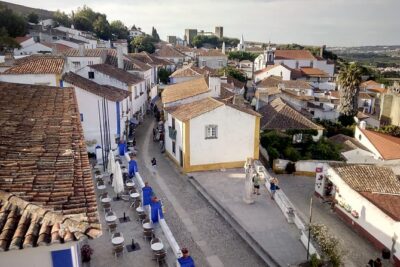
Knights Templar Castle, Nazaré & Óbidos️ Private Day Tour
Read our review →Browse the lists this tour appears in