
Review · ACCRA
From Accra: Cape Coast and Elmina Castles Day Trip
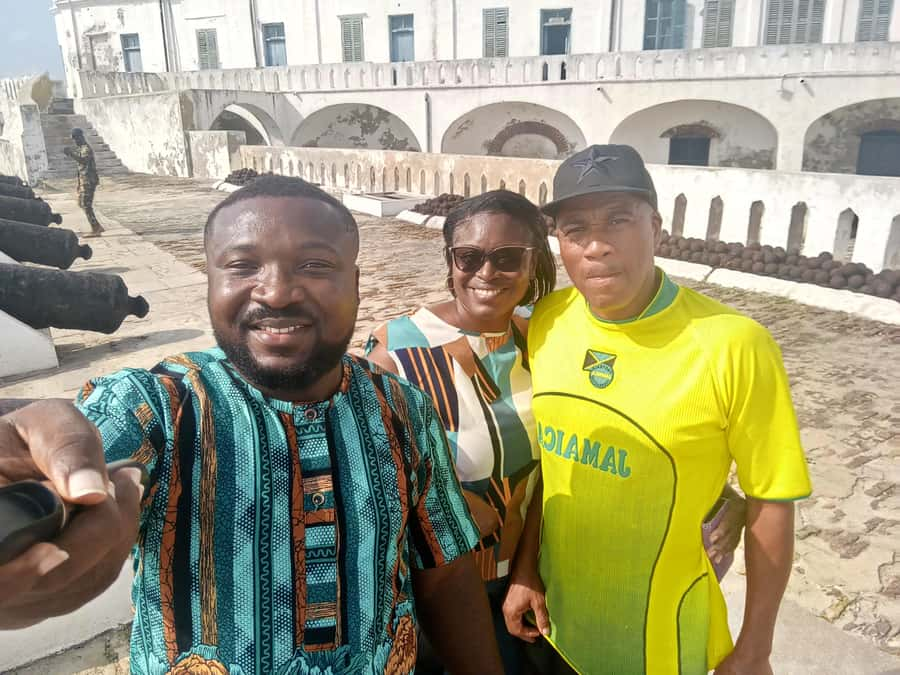
The hardest and most important part of this day trip is also its purpose: you walk through the forts where enslaved Africans were held before being sent across the Atlantic. Cape Coast Castle and Elmina Castle are not light sightseeing stops, but they make Ghana’s role in the slave trade painfully real. A local guide such as Jorge, Esther, Diya, or Clement helps connect the buildings to the wider story.
I like the door-to-door pickup and drop-off in Accra, especially because the Central Region is about 147 kilometers away. I also like the small personal touches: an air-conditioned vehicle, snacks on the road, flexible pickup, and guides who can add Ghanaian traditions and local context. The main drawback is the long day. Add the emotional weight of the castles, and this is not a casual outing for a rushed schedule.
Key points to know before you book
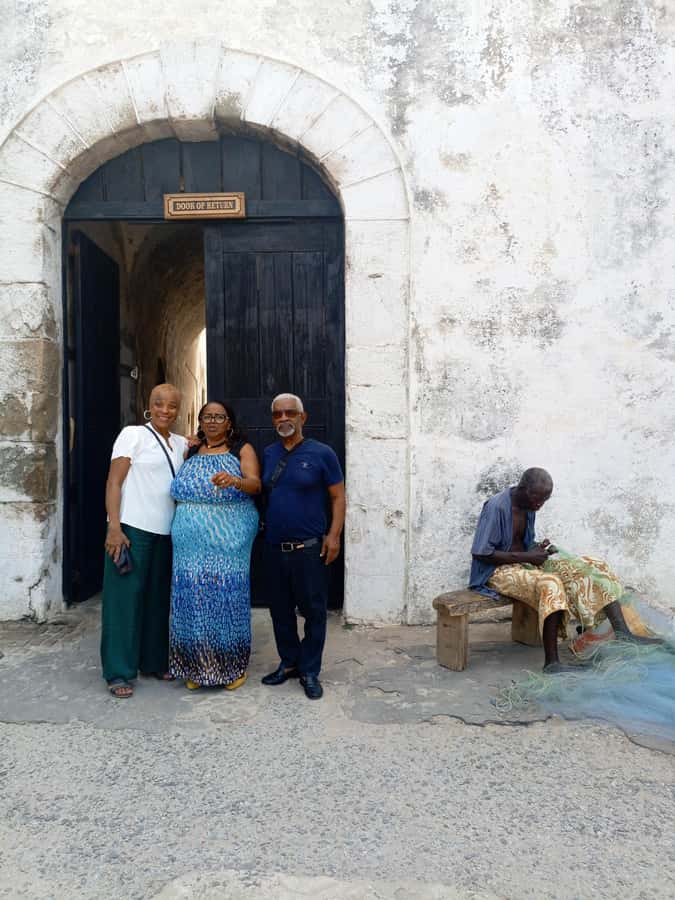
- Cape Coast Castle gives the day its emotional center: This UNESCO World Heritage Site began as a Portuguese trading post in 1555 and later became part of the trans-Atlantic slave trade.
- Elmina Castle is older still: Built by the Portuguese in 1482, it is described as the oldest European building south of the Sahara.
- Fort St Jago adds military context: The small fort opposite Elmina Castle was built to protect the castle and is also known as Fort Coenraadsburg or Fort São Tiago da Mina.
- Kakum may be part of the plan: The tour information includes Kakum National Park, while the main route describes the castles and Fort St Jago. Confirm the exact stops before setting out.
- The guides are a major part of the experience: Jorge is praised for warmth, careful planning, and historical insight. Esther, Diya, and Clement have also led this experience.
- Pack for a full day: Wear good walking shoes, bring water, a hat, your passport or ID card, and a camera.
Why these castles matter
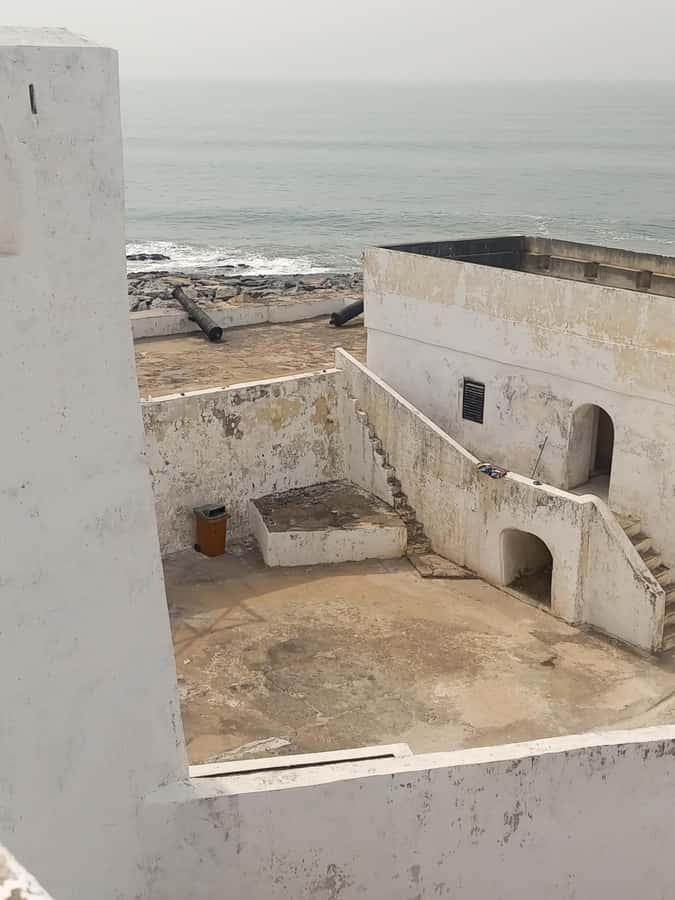
Ghana’s Central Region holds some of the clearest physical reminders of the trans-Atlantic slave trade. European powers built forts and castles along the Gold Coast to control trade, store goods, and hold enslaved people before ships carried them to the Americas.
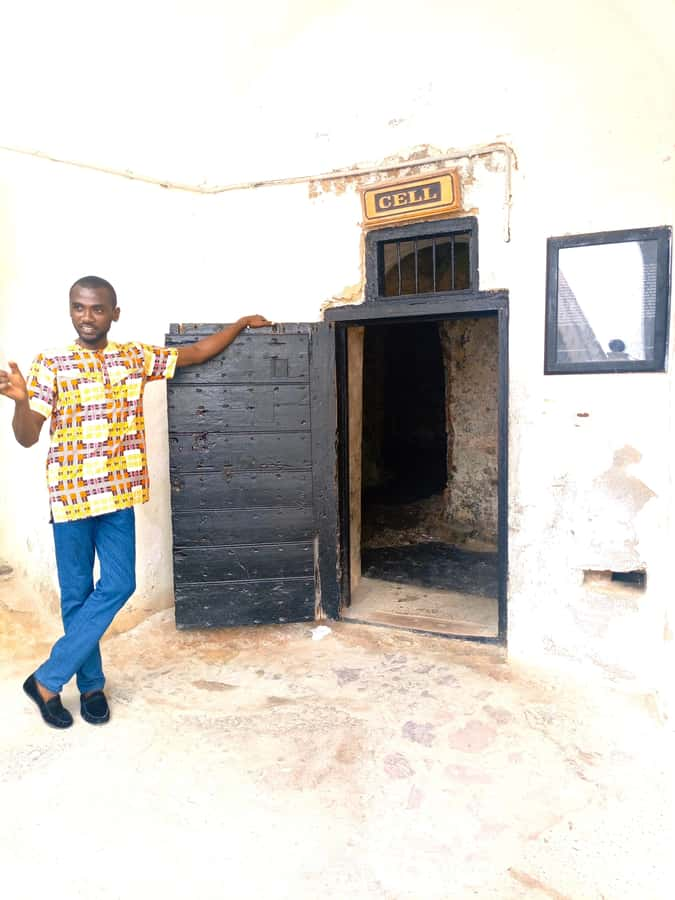
The buildings can look grand from the outside. Inside, the story changes quickly. You see the rooms, corridors, holding areas, and passages used in a system that treated human beings as cargo. That contrast is one reason a guide matters so much. Without context, you may notice walls and viewpoints. With a good guide, you begin to understand how trade, colonial power, local politics, and forced migration were tied together.
I would set aside time to listen rather than rush from room to room. The castle visits can be emotionally hard, as one guest put it, but that discomfort is part of their value. This is a place for respectful attention, not quick photographs alone.
More Cape Coast and Elmina Castle Tours in Accra:
- Cape Coast ,Elmina Castle and Kakum Full-Day Tour
★ 5.0 · 62 reviews - 10 Days Trip to Cape Coast and Elmina Castles from Accra
★ 5.0 · 31 reviews - Cape Coast and Elmina Castles Tour
★ 5.0 · 31 reviews
Leaving Accra in an air-conditioned car
Pickup is provided from your accommodation in Accra, followed by a road journey toward the Central Region. The distance is estimated at 147 kilometers, so the transport arrangement matters. You do not need to find a station, arrange a separate driver, or work out how to return after a demanding day.
The vehicle is air-conditioned, and snacks are provided during the trip. That sounds simple, but it makes a difference on a long road day. You can settle in, carry less food, and save your energy for the walking and castle visits.
The exact length of the drive and the time spent at each stop are not specified. Plan for a full-day outing, with a return to your Accra accommodation after the final visit. If you have a flight the same day, be very cautious. An itinerary this long leaves little room for delays, and one person booked with that concern in mind. The safer choice is to schedule the tour on a day when your plans are flexible.
Cape Coast Castle and the human cost of trade
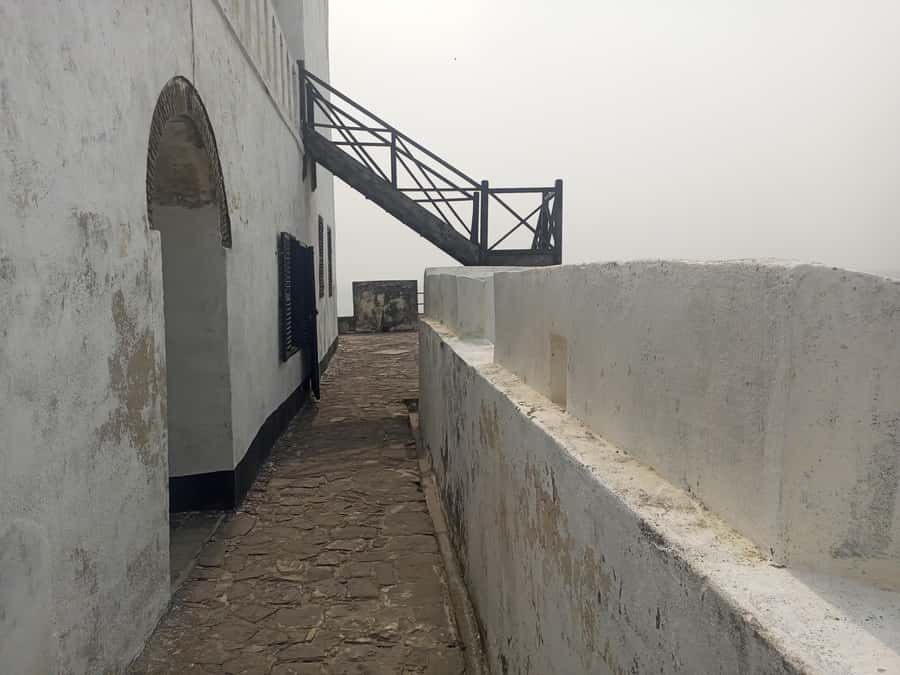
Cape Coast Castle is one of roughly 40 slave castles or large commercial forts built along the Gold Coast by European traders. Its first form was a Portuguese feitoria, or trading post, built in 1555. It later became a holding site in the trans-Atlantic slave trade.
The castle is a UNESCO World Heritage Site, but the title should not make the visit feel polished or distant. The importance here comes from the difficult link between the physical building and the people who passed through it. Your guide explains how the castle functioned before enslaved people were loaded onto ships bound for the Americas.
This is where Jorge’s approach appears especially useful. He is described as calm, professional, warm, and able to explain Ghanaian history with feeling. That combination matters. You need accurate information, but you also need a guide who understands that the subject deserves care.
Expect walking, stairs, and time on your feet. Comfortable shoes are essential. Bring water, a hat, and an ID document or passport as requested. A camera is allowed as part of your packing list, but you will want to use it thoughtfully. Some rooms call for quiet attention rather than a photograph.
Elmina Castle, built in 1482
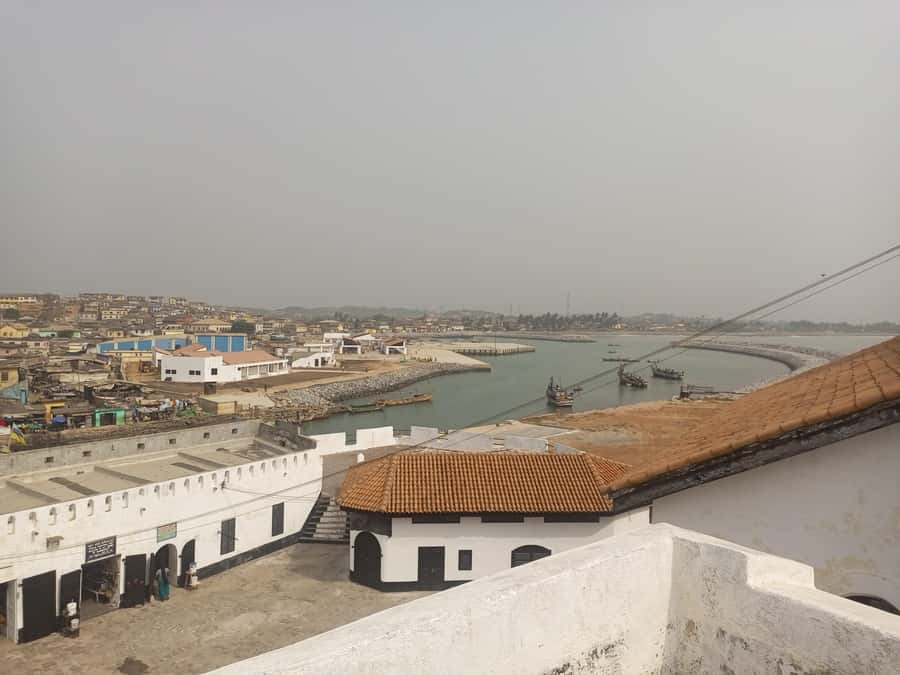
Elmina Castle is the oldest European building in existence south of the Sahara, according to the tour information. The Portuguese erected it in 1482 as the first trading post on the Gulf of Guinea.
The castle helps you see that the slave trade did not appear suddenly in an empty place. European trading posts were built into an existing region with its own communities, trade networks, politics, and traditions. The local guide can help explain that wider setting instead of leaving you with a simple story of buildings and dates.
Elmina is also important because you visit it alongside Cape Coast. Seeing both sites in one day lets you compare their roles and architecture, while also showing the scale and duration of European activity on the Gold Coast. At the same time, two castle tours can feel heavy. I would not recommend squeezing in unrelated activities afterward unless you know you will want quiet time.
The guides are a strong reason to choose this outing instead of arranging transport alone. Jorge is described as bringing passion and background information to the visit, while Diya and Clement are noted for combining humor with careful guidance. That balance can help you stay engaged during a serious subject without making light of it.
More Castle Day Trips in Accra:
- One Day Tour To Cape Coast, Elmina Castle, Kakum National Park
★ 5.0 · 21 reviews - Cape Coast Castle, Assin Manso Slave River & Kakum Day Tour.
★ 5.0 · 19 reviews - Assin Manso Slave River, Cape Coast and Elmina Castle Day Tour
★ 5.0 · 19 reviews - Assin Manso Slave River and Cape Coast Castle Private Day Tour
★ 5.0 · 16 reviews
Fort St Jago across from Elmina
The final historic stop is Fort St Jago, also called Fort Coenraadsburg or Fort São Tiago da Mina. It is a smaller Portuguese military construction located opposite Elmina Castle.
The fort began as a chapel honoring Saint Jago and was later used to protect Elmina Castle. This stop gives the day a useful military angle. The castles were not only trading centers and holding sites. They were also defended positions, built to control access and protect European interests.
Because Fort St Jago is smaller than the two castles, it may feel like a shorter visit. That is not a reason to dismiss it. Its position opposite Elmina helps you understand how defense and trade worked together. You can also use this stop as a chance to gather your thoughts before the return journey.
Where Kakum National Park fits
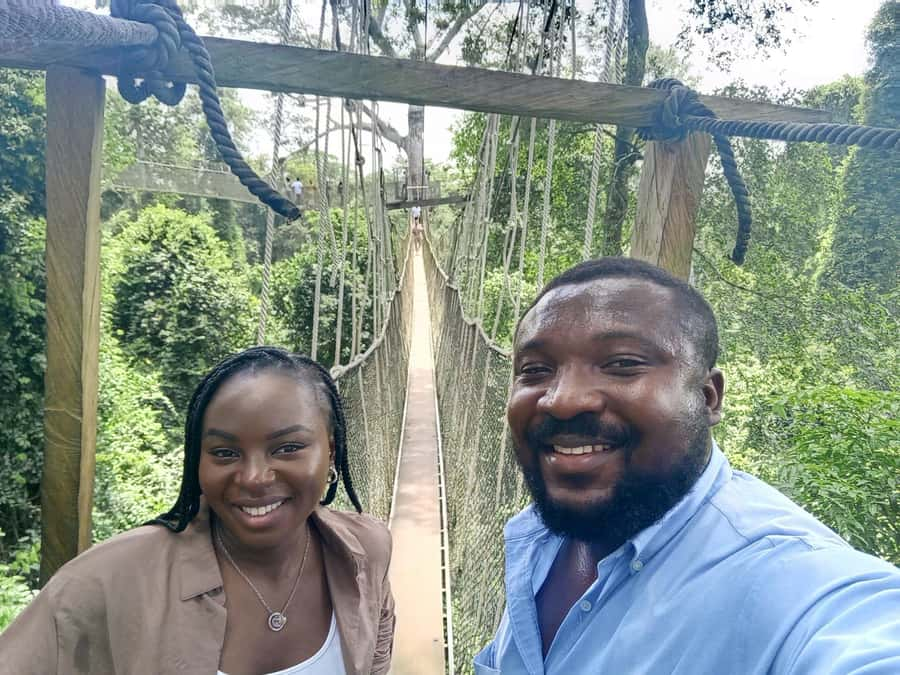
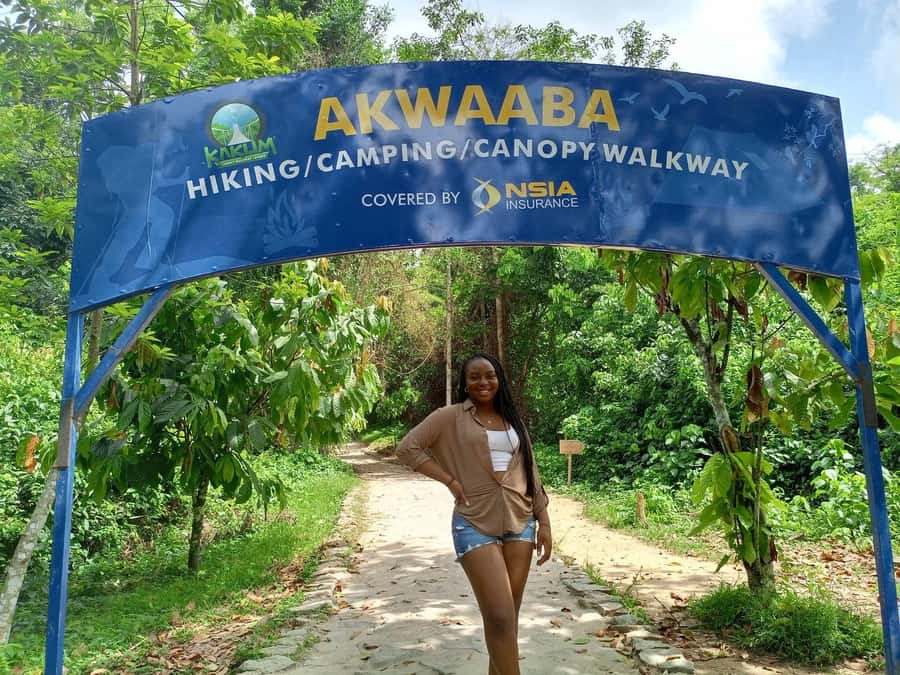
Kakum National Park is included in the tour information, and several versions of the day include a hike or canopy walk there. One guest specifically praised the canopy walk, while another asked to skip Kakum and continue to Elmina. This tells you something practical: the exact balance of nature and history may be flexible.
Do not assume the day will include both a full Kakum visit and leisurely time at every castle unless the provider confirms it. Ask before booking how Kakum fits with Cape Coast Castle, Elmina Castle, and Fort St Jago.
If Kakum is included, bring proper walking shoes and water. If your main purpose is learning about the slave trade, you may prefer to protect more time for the two castles. If you want a mix of forest scenery and history, Kakum can add variety to a long day.
The flexibility is useful, but it also means you should discuss your priorities early. Tell the guide if Cape Coast and Elmina are the essential stops, or if the canopy walk is equally important.
The guides make the difference
This experience is provided by Adanu Transport and Tour, with guides including Jorge, Esther, Diya, and Clement. The strongest praise centers on personal care, clear explanations, punctuality, and a friendly manner.
Jorge is repeatedly described as attentive and reassuring. He has helped nervous bookers feel comfortable, answered many questions, and made sure pickup and return arrangements were clear. He is also noted for sharing local traditions, historical background, and Ghanaian hospitality without making the day feel stiff.
Esther has guided alongside Jorge, with an approach described as warm and personal. Diya and Clement are praised for being efficient, funny, and well informed. The important point for you is that the guide is not just a driver waiting outside the castle. The guide shapes how you understand the sites.
Some guests with Ghanaian family connections or ties to the diaspora found the cultural teaching especially meaningful. You do not need that background to benefit. But if you have questions about Ghanaian traditions, colonial history, or the connection between Ghana and the wider African diaspora, bring them up during the day.
Is $200 a fair price?
At $200 per person, this is not the cheapest way to reach the Central Region. The value comes from what is bundled into the day: accommodation pickup and drop-off in Accra, air-conditioned transport, snacks, a local guide, and visits to major historic sites.
You are also paying for convenience. The castles are far enough from Accra that arranging transport, finding the entrances, and returning independently can take more planning than the price first suggests. A flexible return to your preferred destination in Accra is another useful feature.
The price makes more sense for couples, families, or small groups who want a guided history day without managing the road journey themselves. If you are a solo budget visitor comparing public transport options, you may find the cost high. If you have limited time in Ghana and want the Central Region handled in one day, the door-to-door service can be worthwhile.
Ask what is included in the final price before booking, especially regarding entrance fees and the exact Kakum plan. The supplied information confirms the transport, snacks, guide, and named visits, but it does not spell out every possible admission detail.
How to prepare for the emotional side
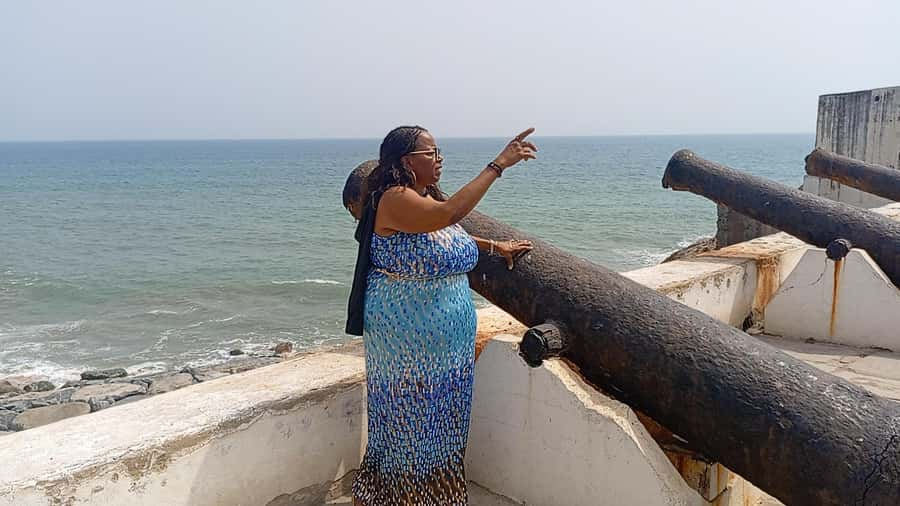
This is a history tour, not just a sightseeing loop. You may hear about imprisonment, forced removal, and the shipment of enslaved people to the Americas. The castle rooms can make those facts feel immediate.
I recommend setting a respectful tone from the start. Listen closely, ask questions, and allow yourself time after the visits. The guides appear comfortable handling serious conversations, but you should still tell them if you need a pause or want more explanation.
Pack light. A small backpack is practical, especially if you add Kakum. Wear comfortable walking shoes, carry water, and use a hat for sun protection. Your passport or ID card is listed among the items to bring. A camera is welcome, but use judgment around spaces connected to suffering.
Who should book this day trip?
This trip suits you if you want Ghanaian history explained on site rather than read from a guidebook. It is also a good fit if you value pickup from your accommodation, a private-feeling road journey, and a guide who can adjust the day to your interests.
It suits couples and families who prefer comfort and structure. It can also work well for members of the Ghanaian diaspora who want help connecting historic places with local traditions and national memory.
I would hesitate if you dislike long road days, have limited stamina for walking, or need a tightly guaranteed schedule. I would also avoid booking it immediately before a flight. The tour returns to Accra, but the trip is long and traffic or timing can change.
English is the stated tour language. Cancellation is allowed up to 24 hours in advance for a full refund, and you can reserve now and pay later, which helps if your Ghana plans are still shifting.
Should you book it?
Book this tour if Cape Coast Castle and Elmina Castle are priorities and you want the road trip, guide, and return transport handled together. The strongest reasons are the personal care associated with Jorge and the other guides, the chance to visit three major historic sites, and the ability to discuss Ghana’s past with someone local.
Before paying, confirm whether Kakum National Park is included on your date and how much time will be given to each stop. If you accept the long day and the serious subject matter, this is a worthwhile way to understand a crucial part of Ghana’s past.
FAQ
How far are Cape Coast and Elmina from Accra?
The Central Region destination is estimated to be 147 kilometers from Accra. The trip includes pickup from your accommodation and return drop-off in Accra.
What sites are included?
The main route includes Cape Coast Castle, Elmina Castle, and Fort St Jago. Kakum National Park is also included in the tour information, so confirm the exact stops and timing before departure.
Is transportation provided?
Yes. Pickup and drop-off from accommodation in Accra are included, along with air-conditioned transportation.
What language is the tour conducted in?
The stated tour language is English.
What should I bring?
Bring your passport or ID card, comfortable shoes, a hat, water, and a camera. A small backpack is useful for a full day, especially if Kakum National Park is included.
Can I cancel the booking?
You can cancel up to 24 hours in advance for a full refund. The tour also offers a reserve now and pay later option.
More One-Day Trips in Accra
- Elmina & Cape Coast Castles Day Trip from Accra
★ 5.0 · 5 reviews - Cape Coast and Elmina castle Day Trip
★ 5.0 · 2 reviews - Cape Coast Castle & Kakum Rainforest Day Trip
★ 5.0 · 2 reviews - From Munich: Neuschwanstein & Linderhof Castle Full-Day Trip
★ 4.6 · 14,646 reviews
Newly walked in Accra
- Private Slave Castles and Dungeons Tour in Cape Coast, Ghana★ 5.0 · 3 reviews
- Cape Coast Castle and Kakum National Park 2-Day Private Tour★ 5.0 · 3 reviews
- Cape Coast and Elmina castle Day Trip★ 5.0 · 2 reviews
- Naming Ceremony, Assin Manso Slave River and Cape Coast Castle★ 5.0 · 7 reviews
- The Door Of No Return/ Dungeon & cape Coast Castle★ 5.0 · 4 reviews
- Experience Cape Coast Castle and Kakum National Park★ 4.5 · 3 reviews
- Elmina & Cape Coast Castles Day Trip from Accra★ 5.0 · 5 reviews
- Cape Coast Castle, Assin Manso Slave River and Door of No Return★ 5.0 · 14 reviews
Cape Coast & Elmina Castle Tours, compared.
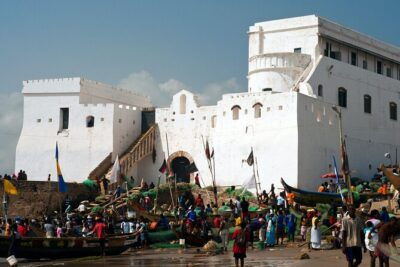
Cape Coast ,Elmina Castle and Kakum Full-Day Tour
Read our review →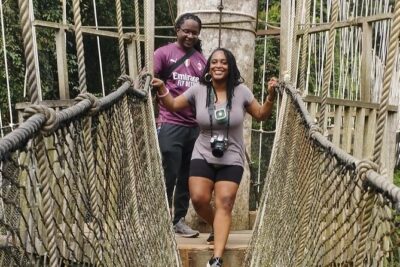
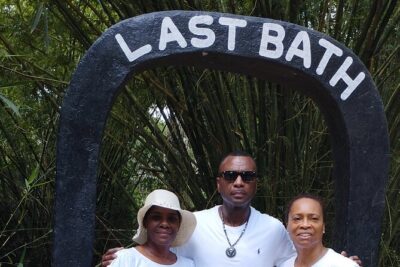
Assin Manso Slaves River and Cape Coast Castle Tour
Read our review →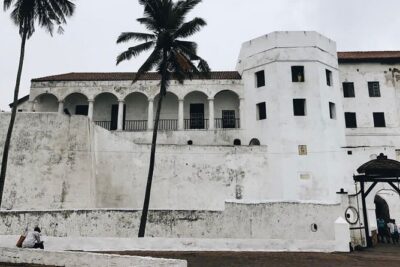
Cape Coast Castle, Assin Manso Slave River and Door of No Return
Read our review →
Accra Slave Castle and City Private Tour with Pick up
Read our review →
HERITAGE GHANA(Cape Coast Castles and Kakum National Park)
Read our review →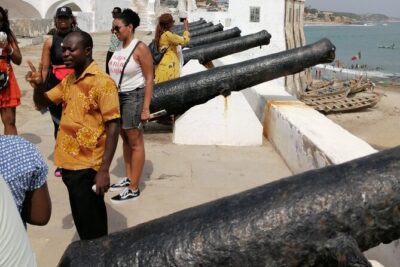
Full- Day Cape Coast Castles and Kakum Canopy Private Tour
Read our review →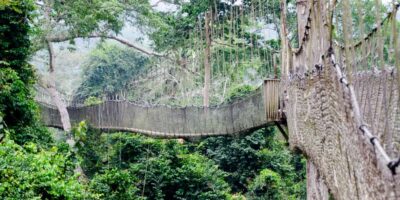
Cape Coast: Kakum National Park, Castles, & Hans Cottage
Read our review →Browse the lists this tour appears in