Review · BEIRUT, LEBANON
Full-Day Private Trip to Jeita Grotto, Baalbek and Chateau Ksara
Baalbek’s huge Roman stones are the star of this long day, but the route gives you three very different sides of Lebanon: underground caves, ancient temples, and a working winery. You’ll travel by private air-conditioned vehicle from Beirut, with a local guide at Baalbek and independent time at Jeita Grotto.
I like the door-to-door service and the smart pairing of history with Lebanese wine. I also like the flexibility of a private trip, especially since the company has arranged changes smoothly for visitors on short notice. The drawback is the pace: nine hours covers a lot of road and several major sights, while lunch and entrance fees come out of your pocket.
Key points at a glance
- Jeita Grotto combines a boat ride and cave walk, with upper and lower galleries formed in limestone over millions of years.
- Baalbek gets the most time and attention, including the Temple of Jupiter, Temple of Bacchus, Temple of Venus, and the Stone of the Pregnant Woman.
- A local guide leads the Baalbek visit, while Jeita is explored independently.
- Chateau Ksara adds a taste of Lebanon’s wine culture, with a winery visit and tasting included in the package.
- Private hotel pickup and drop-off make the day easier than piecing together several long-distance rides.
- At $69.45 per person, the value depends on your group size, since the price includes private transport but not admission fees or lunch.
Why this Beirut day trip works
This is a big day, but it is not a random collection of stops. Jeita Grotto begins with natural beauty, Baalbek supplies the ancient drama, and Chateau Ksara ends the day with something relaxed and local. You move from the cool darkness of a cave to the broad stone courts of a Roman sanctuary, then to Lebanon’s best-known wine country.
I especially like the private format. You are not tied to a large coach group or a fixed public transport schedule. Your driver collects you at your hotel in Beirut at about 8:30 am, handles the long roads, and returns you at the end of the day. That matters here because the sights are spread across different parts of the country.
The trip is also useful if you have only one full day for major sights outside Beirut. You get nature, archaeology, religion, and food and drink in one outing. The tradeoff is clear: you will see a lot, but you will not have unlimited time at any one place.
More Castle Day Trips in the world:
- From Munich: Neuschwanstein & Linderhof Castle Full-Day Trip
★ 4.6 · 14,646 reviews - Neuschwanstein & Linderhof Castle-Fairytale Day Tour from Munich
★ 4.5 · 7,275 reviews - Bucharest: Dracula’s Castle, Peleș Castle & Brașov Day Trip
★ 4.4 · 6,100 reviews
Jeita Grotto: a cool start underground
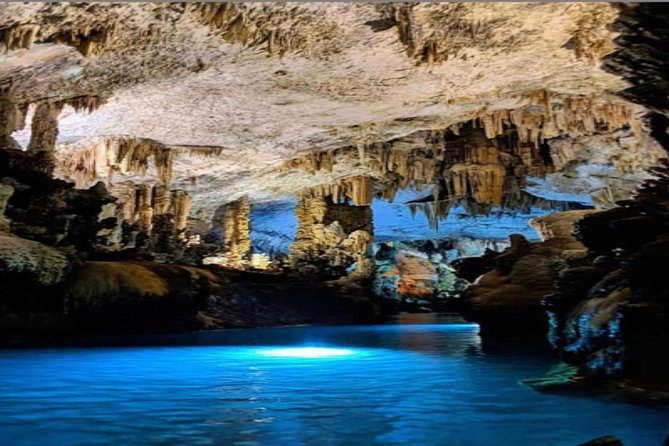
Jeita Grotto is a two-level limestone cave system about 300 metres above sea level. The upper and lower caves formed over millions of years, and the complex has a height difference of about 305 metres.
The upper gallery stretches about 2,130 metres and is known for its dense formations. You can expect stalactites, stalagmites, columns, curtains, ponds, and drapery-like shapes. These are not small cave features scattered around a path. The appeal comes from the sheer amount and variety of the formations.
The lower gallery is longer, at about 6,200 metres, and includes an underground river and lake. The visit uses both a boat and a walking route, which gives the stop more variety than a simple cave promenade. The water route is one reason Jeita makes a strong opening stop.
You get about 90 minutes here, and the visit is independent rather than guided by the Baalbek expert. That gives you freedom to move at your own pace, though it also means you should pay attention to the meeting time set by your driver or tour leader.
The practical catch is cost. Jeita’s admission is not included, so keep money aside for the ticket. The cave itself is also a poor fit if you want a slow, detailed geology lesson. This is a sightseeing visit with a set time, not a specialist expedition.
Baalbek’s Roman scale is the main event
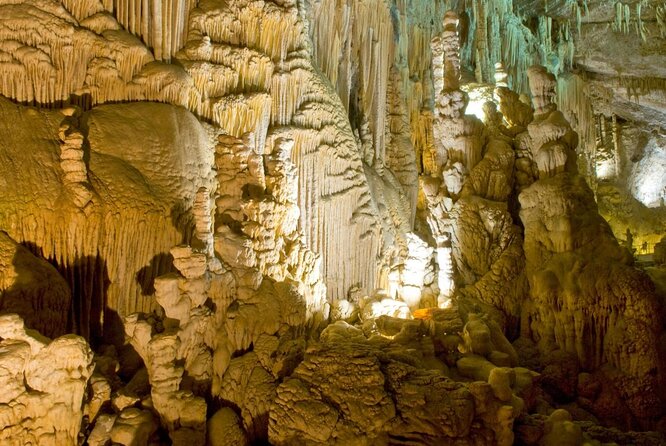
Baalbek is the reason many people choose this trip. The ancient city was known as Heliopolis during the Hellenistic period, and Roman builders turned its sanctuary into one of the grandest religious complexes in the ancient world.
The site sits in the Bekaa Valley at about 1,150 metres, near the southwestern slope of the Anti-Lebanon range. Its position gives the visit a strong sense of place, but the architecture does the real work. The columns, platforms, courts, and carved walls are so large that ordinary words such as big or old feel inadequate.
A local guide accompanies you here, which is important. Baalbek is not just a pile of impressive ruins. The sanctuary served a Phoenician-rooted cult later expressed through Roman gods: Jupiter, Venus, and Bacchus. A guide can help connect the Roman names with the older religious traditions and explain how the complex developed over more than two centuries.
The planned Baalbek portion includes about 90 minutes at a time, with several descriptions of the temple complex and its individual buildings. In practice, you should think of Baalbek as one substantial archaeological visit rather than a series of separate excursions. The stop descriptions repeat some of the same material, but the places themselves are distinct.
Temple of Jupiter and the giant foundation stones
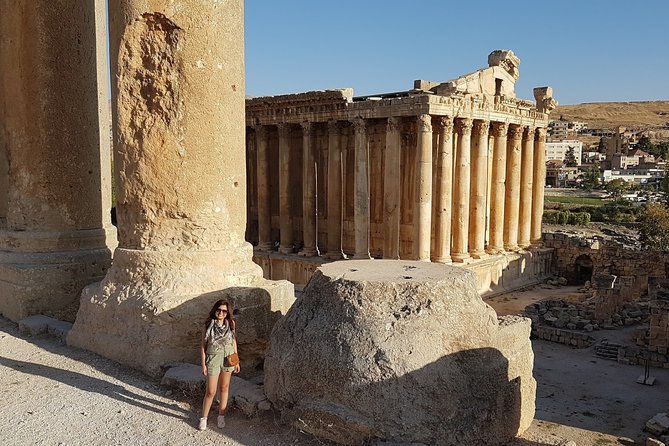
The Temple of Jupiter is the most imposing structure in the complex. It was dedicated to Jupiter Heliopolitanus and probably began around 16 BC, with construction nearly complete by about AD 60.
The temple stood on a huge raised platform. Three foundation stones are among the heaviest blocks ever used in construction, a fact that helps explain the site’s famous sense of scale. You can look at the surviving columns and masonry, but the foundation work is just as striking.
The temple was also linked to the oracle of Jupiter. That detail gives the building more meaning than its size alone. This was not simply a display of Roman engineering. It was a major religious center that drew pilgrims to Heliopolis.
You get about 30 minutes specifically around the Temple of Jupiter. That is enough for an overview and photographs, but not a long, unhurried study of every carved surface. If you care deeply about ancient construction, ask your local guide to focus on the platform and the massive foundation blocks.
More Full-Day Trips in the world:
- Stonehenge, Windsor Castle and Bath Full Day Guided Tour
★ 4.5 · 5,346 reviews - From Munich: Neuschwanstein Castle Full-Day Trip
★ 4.7 · 3,977 reviews - London: Windsor Castle, Stonehenge & Bath Full-Day Tour
★ 4.4 · 3,112 reviews - Transylvania and Dracula Castle Full Day Tour from Bucharest
★ 4.5 · 1,589 reviews
Temple of Bacchus: the best-preserved Roman setting
The Temple of Bacchus is smaller than Jupiter’s temple, but many people find it more complete and easier to appreciate. It is one of the best-preserved grand Roman temple ruins in the complex, with detailed ornamentation dating to the second century AD.
The building belongs to the wider sanctuary dedicated to the Romanized Heliopolitan Triad. Its connection with Bacchus also fits the later winery stop, although the ancient temple and modern wine tasting are separated by centuries and a drive through the Bekaa Valley.
Plan on about 30 minutes here. Use the time to examine the carved details and proportions rather than looking only for the largest column. Baalbek rewards attention to smaller features, especially after you have taken in the scale of the main court.
Temple of Venus and the modern religious setting
The Temple of Venus was built in the third century and has a very different shape. Its shrine is circular, set on a horseshoe-shaped platform, with a square entrance. Five niches on the outside contain dove and shell motifs, clues linked to its dedication to Venus.
This is a short stop of about 30 minutes. It adds variety to the site because it is not another rectangular temple with rows of columns. The unusual design makes it worth seeing even if your main interest is Jupiter or Bacchus.
The visit can also include the Mosque of Sayeda Khawla in Baalbek. It marks the place believed to be the burial site of Sayyida Khawla, daughter of Imam al-Hussein and granddaughter of the Prophet Muhammad. This gives the day a living religious dimension alongside the ancient sanctuary.
The information provided does not specify a separate duration or admission detail for the mosque, so treat it as part of the Baalbek area visit rather than a guaranteed long interior tour.
The Stone of the Pregnant Woman
The Stone of the Pregnant Woman is a short 15-minute stop, but it makes a useful point about Baalbek’s construction methods. This worked Roman monolith, along with another nearby block, is among the largest stones ever quarried.
The blocks were likely intended for the temple complex. Their scale helps you picture the labor and planning behind the finished sanctuary. You do not need a long visit here. A quick look and explanation from the guide are enough to make the stop worthwhile.
Because the stop is brief and admission is listed as free, it works well near the end of the archaeological visit. It also gives you a final look at Baalbek from outside the main temple courts.
Chateau Ksara and Lebanese wine
Chateau Ksara brings the day into the present. The winery was founded by Jesuit priests in 1857 and developed Lebanon’s first dry wine. It now produces about three million bottles a year and exports to more than 40 countries.
The stop lasts about 45 minutes and includes a winery visit and wine tasting. The package includes the tasting, but the winery’s admission is listed separately as not included, so confirm exactly what is covered when you book or arrive.
I like this ending because it gives you more than another monument. You get a look at one of the country’s established wine producers and a chance to taste Lebanese vintages after seeing the Bekaa Valley’s ancient sites. The tour does not turn into a full winery course, however. Forty-five minutes is enough for an introduction and tasting, not a detailed study of vineyards, cellars, and winemaking.
Wine tasting also raises a simple practical point: let the driver handle the roads. You are not expected to navigate or drive back to Beirut after sampling wine. The private vehicle is one of the most useful parts of the package.
What $69.45 really covers
At $69.45 per person, the price is attractive for a private nine-hour outing that includes hotel pickup, drop-off, an air-conditioned vehicle, a tour leader, and a local Baalbek guide. It becomes better value if you are sharing the vehicle with family or friends and want a flexible day rather than separate taxis.
The price is not all-inclusive. Lunch is excluded, and entrance fees are excluded. Jeita and the Baalbek temples are listed with admission not included in the relevant stop details, while one Baalbek entry is shown as free. Since the information is not fully consistent across the individual stops, I would budget for site tickets and confirm the current amounts before departure.
You should also allow for the possibility that the road time feels long. The schedule gives you around nine hours, but Jeita, Baalbek, and Ksara are not close together. The private car makes the journey easier, yet it cannot make the distances disappear.
Guides, service, and private-tour flexibility
The company has used guides and drivers including Hassan, Makram, Kaleeb, Ahmad, and Kimal. Hassan has been described as punctual and professional, while Makram was praised for being friendly, helpful, and careful. Kaleeb was noted for patience, and Ahmad handled a last-minute booking with an on-time pickup.
Those names do not guarantee who will lead your trip. They do show the kind of service you should expect the company to aim for: a confirmed pickup, a driver who knows the route, and a local expert at Baalbek. The office has also handled schedule changes and last-minute arrangements, which is useful when travel plans shift.
The private format means only your group participates. That is a real advantage if you want to ask questions, set a slower pace at one ruin, or keep the day focused on the stops that matter most to you. Still, the advertised route is full, so flexibility may be limited by the need to reach Ksara and return to Beirut within the day.
Who should book this trip
I would choose this tour if you want Lebanon’s major inland highlights in one day and do not want to arrange several drivers or transport connections. It suits first-time visitors, couples, families, and small groups who value convenience and a private vehicle.
It is also a good fit for anyone who wants more than ancient ruins. Jeita gives you natural scenery, Baalbek provides the main historical experience, and Ksara adds food and drink. That mix keeps the day from feeling like a nonstop archaeology lesson.
I would hesitate if you prefer slow travel. The route is packed, the Baalbek visit has several timed sections, and lunch is not built in. You may also prefer a dedicated wine tour if Chateau Ksara is your main interest, since the winery visit is only about 45 minutes.
The tour is suitable for most people according to the supplied activity information, but practical comfort still matters. You should be ready for a long day, walking through an archaeological site, and moving between several stops on a fixed schedule.
Should you book it?
Book this trip if you want maximum variety in one Beirut day and value a private car, hotel service, and a local guide at Baalbek. The strongest part is the Roman sanctuary, with Jeita and Ksara adding two very different experiences.
Skip it if you want a relaxed day, a long winery visit, or a trip with meals and entrance tickets already covered. Before paying, confirm the pickup details, the guide assigned to Baalbek, and the current entrance costs. For the right kind of visitor, $69.45 is a sensible price for a busy but rewarding day beyond Beirut.
FAQ
What time does the tour start?
The tour starts at 8:30 am.
How long does the experience last?
The full trip lasts approximately nine hours.
Is hotel pickup included?
Yes. Hotel pickup and drop-off are included.
Is the tour private?
Yes. Only your group participates in the activity.
Is transportation provided?
Yes. The tour includes comfortable private transportation in an air-conditioned vehicle.
Is a guide included?
A tour leader is included, along with a local guide at Baalbek. Jeita Grotto is explored independently.
Is lunch included?
No. Lunch is not included.
Are entrance fees included?
No. Entrance fees are excluded. The individual stop information lists some Baalbek entries as free and others as not included, so confirm the current charges before visiting.
Is wine tasting included?
Yes. The package includes wine tasting at Chateau Ksara, although the winery stop is listed with admission not included.
What is the cancellation policy?
You can cancel up to 24 hours before the start time for a full refund. Cancellations or changes made less than 24 hours before the experience are not accepted for a refund.
Newly walked in the world
- Private Tour Egyptian museum, Hanging Church, Castle of Saladin★ 5.0 · 2 reviews
- Cairo Egyptian museum, Cairo citadel and Alabaster mosque day tour★ 5.0 · 2 reviews
- Explore the History of Egyptian Museum Citadel and Khan Bazaar★ 5.0 · 2 reviews
- Egyptian Museum, Mohamed Ali Mosque and Citadel★ 5.0 · 12 reviews
- Egyptian Museum, Citadel and Old Cairo Tour★ 5.0 · 118 reviews
- Full-Day Private Guided Tour of Egyptian Museum, Pyramids and Cairo Citadel★ 5.0 · 2 reviews
- Cairo Tour to Egyptian Museum Citadel and Khan Khalili Bazaar★ 5.0 · 10 reviews
- Egyptian Museum, Cairo Citadel and Coptic Cairo Private Tour★ 5.0 · 5 reviews
Castle Day Trips, compared.

Neuschwanstein & Linderhof Castle Full-Day Trip
Read our review →
Neuschwanstein & Linderhof Castle-Fairytale Day Tour from Munich
Read our review →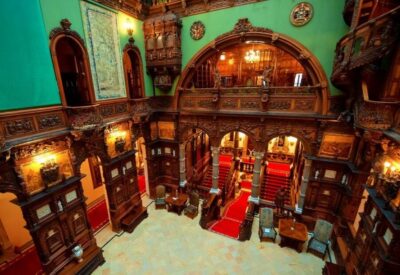
Dracula’s Castle, Peleș Castle & Brașov Day Trip
Read our review →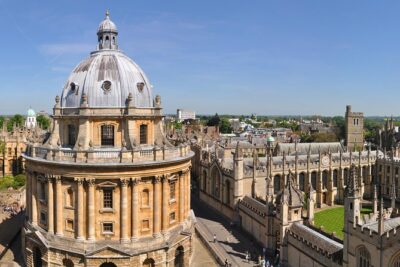
Windsor Castle, Stonehenge, and Oxford Day Trip from London
Read our review →
Isle of Skye and Eilean Donan Castle Day Trip
Read our review →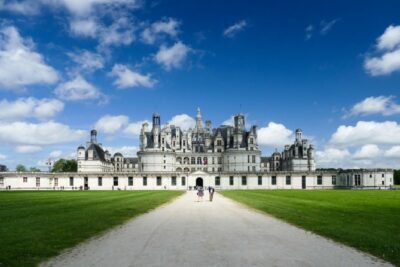
Loire Valley Castles Day Trip from Paris with Complementary Wine
Read our review →
Windsor Castle, Stonehenge & Bath Full-Day Tour
Read our review →