
Review · UK
Kenilworth Castle and Elizabethan Garden Entry Ticket
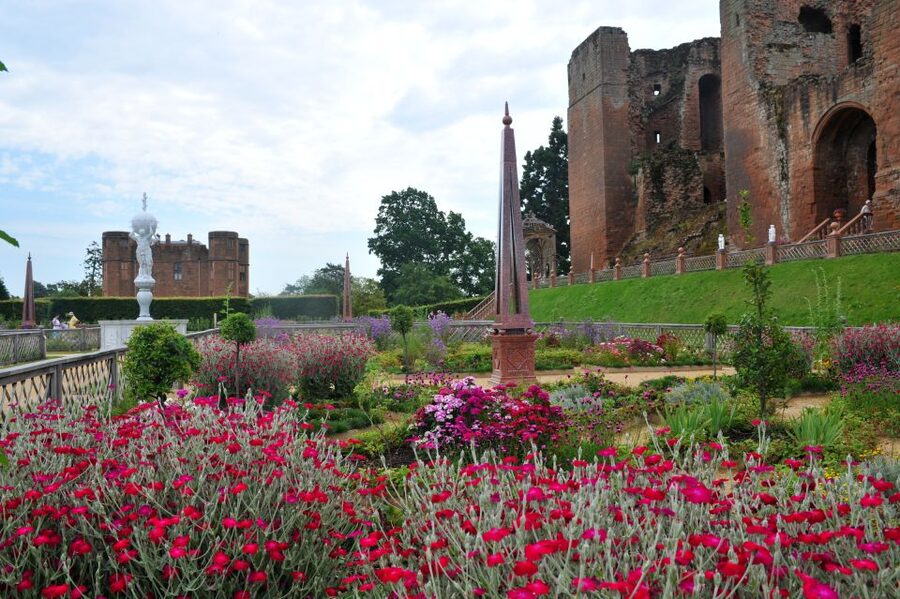
Kenilworth Castle is at its best when you climb through the remains of a great medieval stronghold, then step into the carefully restored garden built for Elizabeth I’s visit. The contrast is wonderful: rough stone walls and grand ruins on one side, clipped paths, a marble fountain, and Robert Dudley’s bear and ragged staff emblem on the other.
I especially like the Elizabethan garden, which gives the visit a clear story rather than leaving you to puzzle over empty walls. I also like the Tudor stables exhibition, where children can handle historic objects, try on clothing, and see the huge stone balls once fired at the castle.
The main drawback is that the site can involve plenty of walking, climbing, and uneven ground. Parking costs extra, and some areas may occasionally be closed without a reduced admission price. Allow more than the advertised two hours if you want to read everything and stop for refreshments.
Key points to know before you go
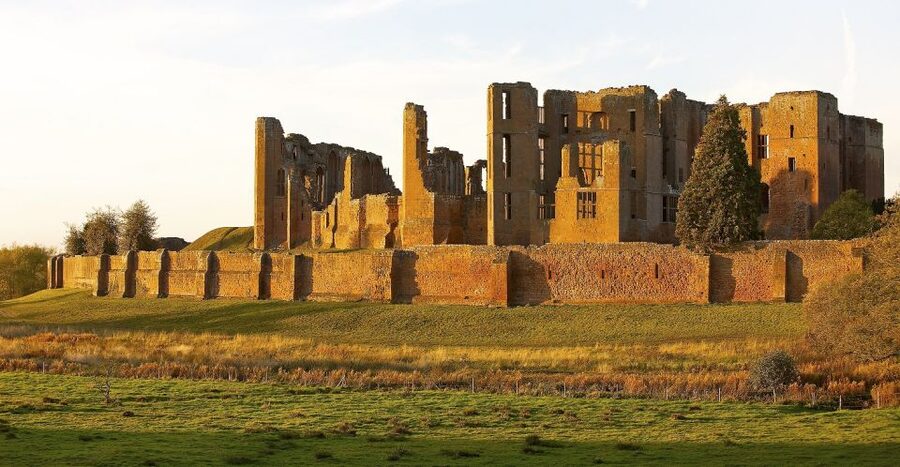
- The Elizabethan garden brings Tudor ambition to life: See the marble fountain, ornate aviary, paths, and Dudley family emblem.
- The castle keep gives you the best sense of power and scale: Climb through the heart of castle life and look across the site and surrounding countryside.
- The Tudor stables are the family highlight: Interactive displays include dress-up clothes and real trebuchet balls.
- The royal romance shapes the visit: Exhibits explain the connection between Elizabeth I and her courtier Robert Dudley.
- A family ticket covers two adults and up to three children aged 5 to 17: This can improve the value for families.
- Plan around the final admission rule: You must exchange your voucher at least two hours before closing.
Why Kenilworth Castle feels different from a standard castle visit
Kenilworth is not a neat, fully furnished palace. Much of the site is made up of imposing ruins, open walls, towers, and large fragments of rooms. That gives you room to imagine the vanished interiors, but it also means you need to pay attention to the displays to understand what you are seeing.
The site covers a remarkable 900-year span. You can move from medieval military architecture to Tudor court life in a short walk, and the visit works because the surviving buildings show both sides of the story. The castle was built to defend and control, while Elizabethan Kenilworth was designed to impress.
The most useful way to approach the site is to treat it as a sequence of stories. Start with the castle’s military strength, then consider how Robert Dudley transformed parts of it for Elizabeth I. Finish with the garden and the Tudor stables, where the history becomes easier to picture.
More Castle Entry Tickets in the UK
- Edinburgh Castle: Guided Walking Tour with Entry Ticket
★ 4.7 · 11,699 reviews - Windsor Castle Admission Ticket
★ 4.7 · 7,032 reviews - Edinburgh Castle: Guided Walking Tour with Entry Ticket
★ 5.0 · 5,540 reviews
Entering the castle keep, the heart of Kenilworth
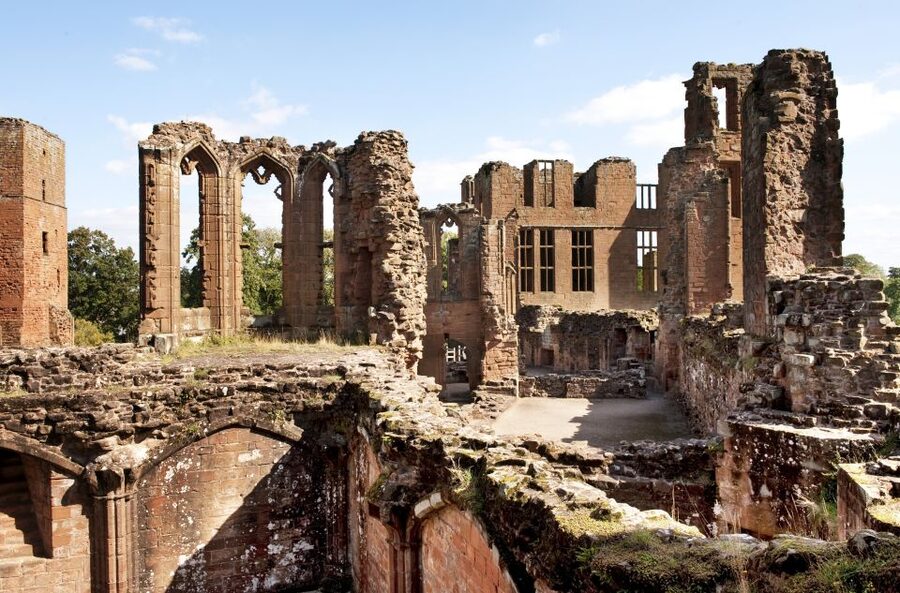
The mighty keep is the natural starting point. It was the center of castle life for 500 years, and its scale helps you understand why Kenilworth mattered long before the Elizabethan period.
You can walk through the surviving stonework and climb to higher points for broad views across the site and nearby countryside. The climb is part of the pleasure, but it is also the first sign that this is not a flat, effortless attraction. Take your time on the steps and watch your footing.
The keep is especially useful for visitors who want medieval architecture rather than only Tudor romance. Its thick walls and stark remains show the castle as a working fortress. You get a stronger sense of defense here than in the garden, where the mood changes to display and ceremony.
The views are one of the most praised parts of the visit. From higher rooms and walls, you can look back over the ruins and see how the separate parts of the castle fit together. Bring a little patience for the climbs, since the reward is not just a photograph but a better understanding of the whole site.
Following Elizabeth I through the garden

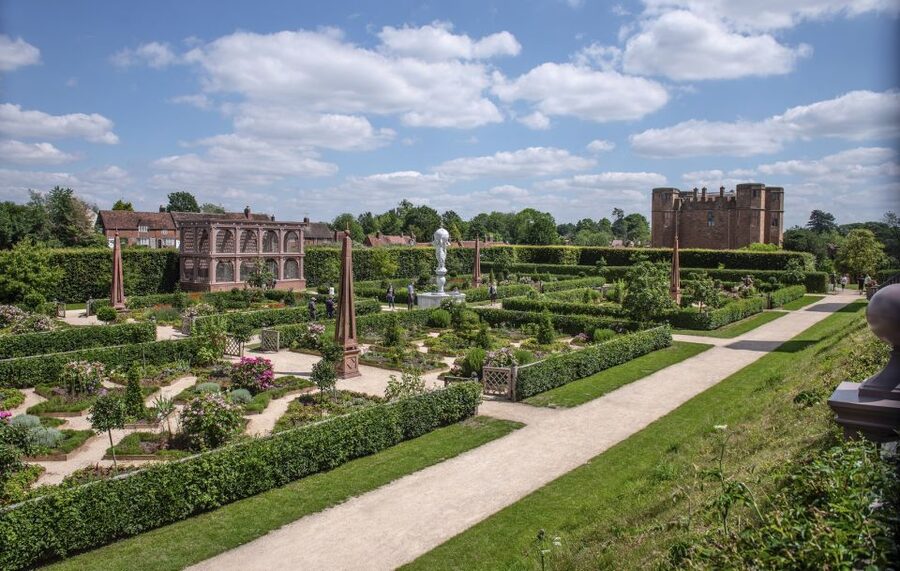
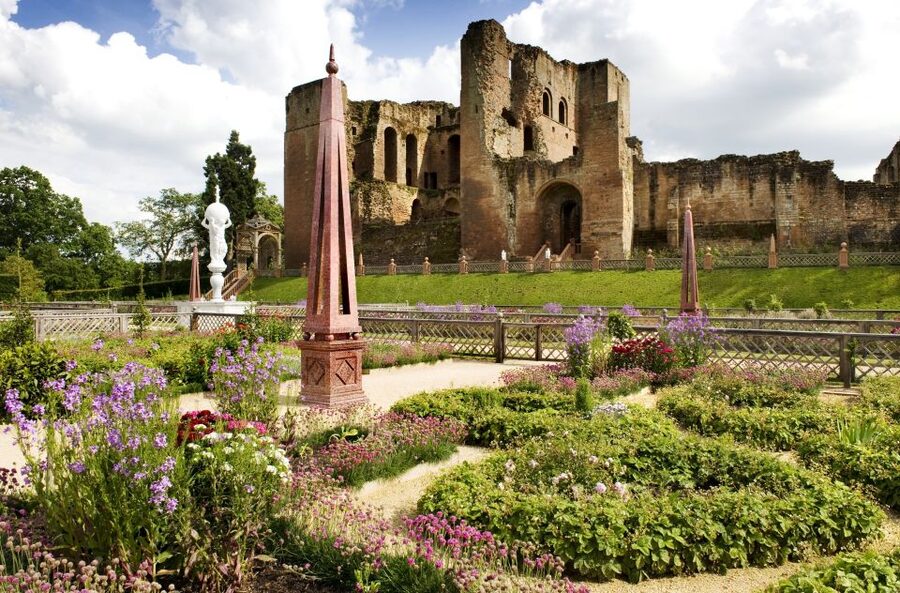
The Elizabethan garden is the most polished part of Kenilworth. It was created to show wealth, taste, and courtly ambition, so it feels very different from the weathered castle walls around it.
Follow the paths toward the marble fountain, then look for the ornate aviary and the emblem of the bear and ragged staff. That emblem belonged to Robert Dudley, Earl of Leicester, and it ties the garden to the political theater surrounding Elizabeth I’s visit.
This is where the famous royal romance becomes easier to picture. The garden was not simply a place for plants. It was part of Dudley’s effort to impress the queen and present Kenilworth as a setting worthy of royal attention.
I like this section because you do not need to be a specialist in Tudor history to appreciate it. The layout, decoration, and surviving details show how a garden could be used to display status. If you are visiting in wet weather, paths and open areas may be less comfortable, but the garden still gives the visit a clear focus.
The garden also makes a good pause between climbs through the castle. It is one of the few parts of the experience where you can slow down and look closely at design rather than stonework.
The royal romance in the exhibition rooms
The exhibition about Elizabeth I and Robert Dudley adds the personal story behind the grand setting. Dudley was an ambitious courtier, and his relationship with the queen has long fascinated historians and visitors alike.
The displays help connect the garden, the buildings, and the events that took place at Kenilworth. Without this context, you might see an attractive garden and a collection of ruins. With it, the site becomes a carefully planned attempt to influence and impress a powerful monarch.
The Elizabethan bedroom is another useful stop. It helps you picture the private side of royal visits, even though the castle today is largely open stone and surviving structure rather than a complete palace.
Do not miss the Oak Room. Its ornate alabaster fireplace once stood in Elizabeth I’s private rooms, and it gives you one of the clearest links between the present site and the interiors that once made Kenilworth so grand.
The room is valuable because it provides a close look at craftsmanship. The keep shows strength, while the fireplace shows luxury. Together, they explain why Kenilworth could function both as a fortress and as a stage for courtly display.
More Castle Gardens and Grounds in the UK:
- Hillsborough Castle Gardens Entrance Ticket
★ 4.7 · 47 reviews - Llandudno: Snowdonia Bodnant Gardens & Castles Private Tour
★ 5.0 · 5 reviews - St Patrick’s Centre & Burial Site + Hillsborough Castle & Gardens
★ 5.0 · 2 reviews - Belvoir Castle: Castle, Gardens and Ground Entry
★ 4.0 · 2 reviews
Tudor stables and hands-on history for children
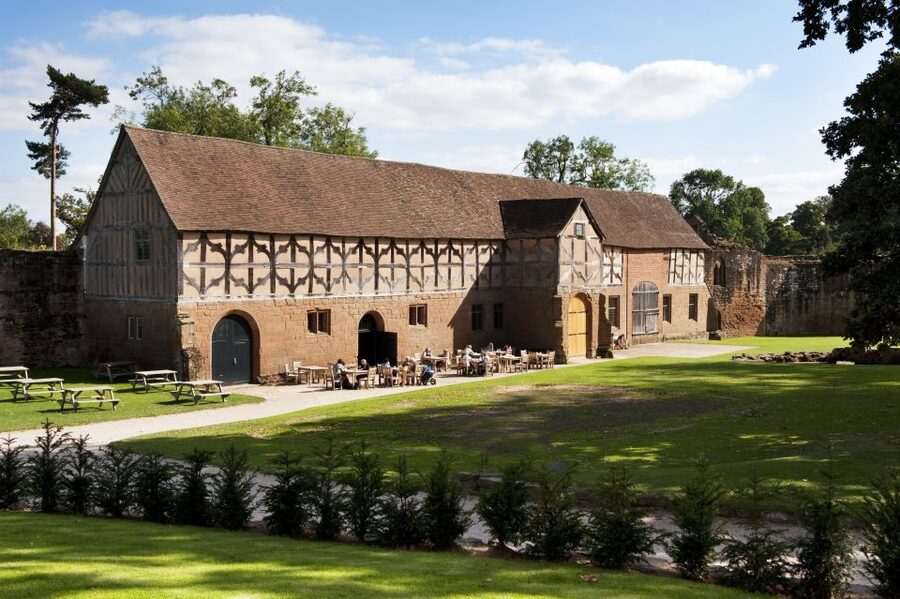
The Tudor stables house the most family-friendly displays. They explain how Kenilworth changed over its 900-year history, using exhibits that are easier for children to understand than long blocks of text.
Young visitors can try on dress-up clothes and see and touch trebuchet balls. These are the heavy stone projectiles hurled at Kenilworth Castle about 800 years ago, and their size makes medieval warfare suddenly more real.
This is a smart stop for families because it gives children something active to do. The castle climbs and open ruins may hold their attention for a while, but the hands-on elements give the visit a second pace and help turn abstract history into something physical.
The displays are also useful for adults. The stables show that Kenilworth was not frozen in one period. It changed from a medieval stronghold into a Tudor residence and later became the ruined historic site you see today.
If you are helping a child with schoolwork, this section can be especially practical. One family used the site to support GCSE revision, and staff were willing to answer questions. The visit can work as both a day out and a solid history lesson without feeling like a classroom.
How much time you really need
The stated duration is two hours, and that is enough for a focused visit. You can see the keep, garden, exhibitions, and stables in that time if you keep moving.
I would allow extra time if you want to climb slowly, read the displays, take photographs, or stop at the tearoom. Two hours is a useful minimum, not necessarily the best length for a relaxed visit.
Weather can change how long you stay. In light rain, the ruins may feel atmospheric and quieter, but wet stone and open paths can slow you down. In poor weather, the indoor exhibitions and stables become even more important.
There are grassy areas and picnic tables, so you can extend the visit with your own food. That is helpful for families, especially if you want to avoid paying for every snack on site.
Food, parking, and everyday costs

The Stables Tearoom serves cakes and light lunches made with seasonal ingredients from local suppliers. It is a convenient place to rest after the climbs, and cream tea is a natural match for a castle visit.
The prices can feel high if you are not an English Heritage member. A small packet of crisps was priced at $1.50, while two small biscuits cost $2.50. Those figures are useful reminders to bring your own picnic if you are watching costs.
Parking is also charged separately. Make sure you read the parking instructions carefully, since unclear signs or a hidden entrance can lead to extra cost or a frustrating start. The entrance sign has been difficult to spot at times, and navigation apps may take you to a nearby location rather than the exact ticket office.
You exchange your voucher for an admission ticket at the Kenilworth Castle and Elizabethan Garden ticket office. The final entry rule matters: entry is permitted only until two hours before closing, and you need to reach the ticket office in time to exchange the voucher.
Is the $19 admission good value?
At $19 per person, the ticket is reasonable if you plan to explore the keep, garden, exhibitions, and stables rather than make a quick stop for photographs. You are paying for several connected experiences, not just access to a ruin.
The family ticket can improve the value for parents. It admits two adults and up to three children aged 5 to 17. The exact family price is not stated here, so check the booking option before deciding, but this is clearly the ticket type to compare if you are visiting with children.
Value is less convincing if you are short on time or mainly interested in one building. Parking and food add to the total, and occasional closures can mean that parts of the site are unavailable during your visit.
The strongest value comes from the combination of scale and storytelling. You get medieval architecture, Tudor court culture, a royal romance, a restored garden, and hands-on family displays in one site. That range makes the admission easier to justify than a brief visit to a single ruin.
Who will enjoy this visit most

I would recommend Kenilworth to anyone interested in medieval castles, Elizabeth I, Tudor politics, or historic gardens. It is also a strong choice for families, since the stables offer activities beyond simply looking at old walls.
It suits visitors who enjoy exploring at their own pace. This is an entry ticket rather than a named guided tour, so you have freedom to move between the keep, garden, rooms, and exhibitions as you wish. A small-group option is available, but no guide names or fixed guided commentary are provided.
You should think carefully if steep climbs, uneven ground, or changeable weather will limit your enjoyment. Much of the appeal comes from walking through the ruins and reaching higher viewpoints, so the site is best for people comfortable with an active two-hour visit.
Photography fans should also find plenty to work with, from the garden details to the wide views over the castle remains and surrounding countryside. The site has enough variety to keep a camera busy without turning the whole visit into a hunt for one perfect angle.
Practical booking advice
You can cancel up to 24 hours before the visit for a full refund, and the reserve-now, pay-later option keeps your plans flexible. That is useful in Warwickshire, where weather can change the feel of an outdoor castle visit.
Check the opening information before setting out. On dates marked as closed, the site may sometimes still be open, so English Heritage is the place to confirm current arrangements.
If you are visiting with children, start with the keep while energy is high, then use the garden as a calmer middle section before finishing in the stables. If you are visiting without children, give extra time to the Oak Room, Elizabethan bedroom, and royal romance exhibition.
Bring suitable footwear, your own food if you want to reduce costs, and enough time to reach the ticket office before the two-hour final entry limit. Those small choices will make the day smoother.
Should you book Kenilworth Castle?
Yes, if you want more than a quick look at medieval ruins. The Elizabethan garden, Oak Room fireplace, Tudor stables, and high views give the visit real variety, while the story of Elizabeth I and Robert Dudley supplies a memorable thread.
Families get particularly good use from the interactive displays, dress-up clothes, and trebuchet balls. Couples and history fans may prefer the garden and royal romance exhibits, while architecture enthusiasts will get the most from the keep and surviving stonework.
I would hesitate only if you dislike climbing, need a fully accessible indoor attraction, or are uncomfortable with extra charges for parking and refreshments. For most visitors, the $19 ticket offers a worthwhile two-hour history stop, and a family ticket can make the numbers work even better.
FAQ
Where is Kenilworth Castle located?
Kenilworth Castle is in Warwickshire, United Kingdom.
What does the admission ticket include?
The ticket includes entry to Kenilworth Castle and the Elizabethan Garden.
How long does the visit take?
The stated duration is two hours. You may want extra time for the exhibitions, climbing, refreshments, and picnic areas.
What does the family ticket cover?
The Family Admission Ticket covers two adults and up to three children aged 5 to 17.
Where do I exchange my voucher?
Exchange your voucher for an admission ticket at the Kenilworth Castle and Elizabethan Garden ticket office.
How late can I enter the site?
The last entry time is two hours before closing. You must reach the ticket office by then to exchange your voucher.
Can I cancel for a refund?
You can cancel up to 24 hours in advance for a full refund.
Is food available at the castle?
Yes. The Stables Tearoom serves cakes and light lunches made with seasonal ingredients from local suppliers. Picnic tables and grassy areas are also available.
Newly walked in the UK
- Leeds Castle and Canterbury – Day Tour from Brighton★ 5.0 · 16 reviews
- St Patrick’s Centre & Burial Site + Hillsborough Castle & Gardens★ 5.0 · 2 reviews
- Private Tour – Causeway, Castles & Whiskey Tour – Game of Thrones★ 5.0 · 21 reviews
- Private Tour: Giant’s Causeway, Norman Castles, and Game of Thrones Film Locations★ 5.0 · 70 reviews
- Lacock and Castle Combe – Afternoon Private Tour★ 5.0 · 55 reviews
- Private Tour of Stonehenge, Bath and Castle Combe.★ 5.0 · 3 reviews
- Private Balmoral Glamis Dunnottar Castles Tour from Aberdeen★ 5.0 · 3 reviews
- Best Scottish Whisky Distilleries Private Tasting Trip plus optional Castle Tour★ 5.0 · 4 reviews
Castle Gardens & Grounds, compared.

Versailles Château and Gardens Walking Tour from Paris by Train
Read our review →
Imperial Palace East Garden and Edo Castle Walking Tour in Tokyo
Read our review →
Cordóba: Gardens & Fortress of Catholic Monarchs Guided Tour
Read our review →
De Haar Castle Gardens and Park Only Entry Ticket
Read our review →
Batumi City – Botanical Garden – Petra Fortress from Kutaisi
Read our review →Browse the lists this tour appears in