
Review · GERMANY
Koblenz: Old Town Tour with the Ehrenbreitstein Fortress
Ehrenbreitstein Fortress gives this Koblenz tour its best opening act: a high perch above the Rhine, reached from town by cable car, with centuries of military history under your feet. You then head into the old town for churches, fountains, and the famous meeting point of the Rhine and Moselle. I especially like the private format and the way the route combines sweeping views with compact city sights.
I also like that a guide can adjust the emphasis for your group, adding historical context or pointing out the city’s quirkier corners. The main consideration is price: at $430 per group, it is strongest value for a larger family or group, not a solo visitor or couple. Fortress admission is extra.
Key points at a glance
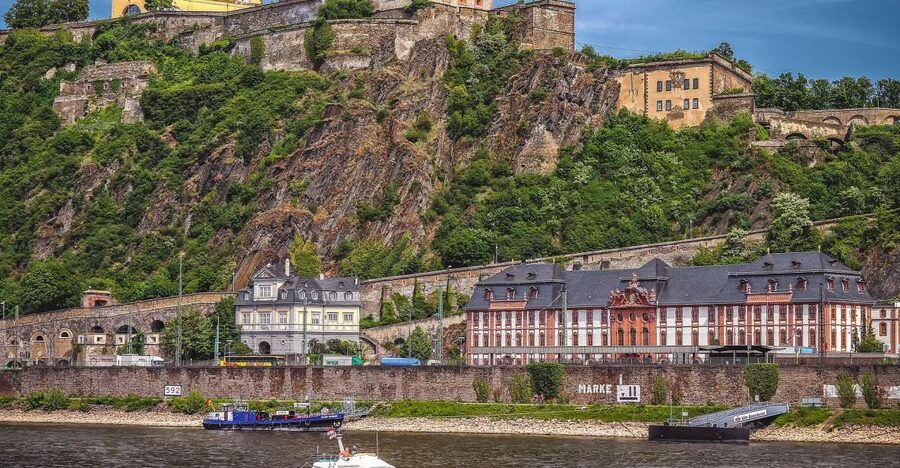
- Ehrenbreitstein Fortress begins the tour: See the Rhine from 118 meters above the river and learn why this position mattered militarily.
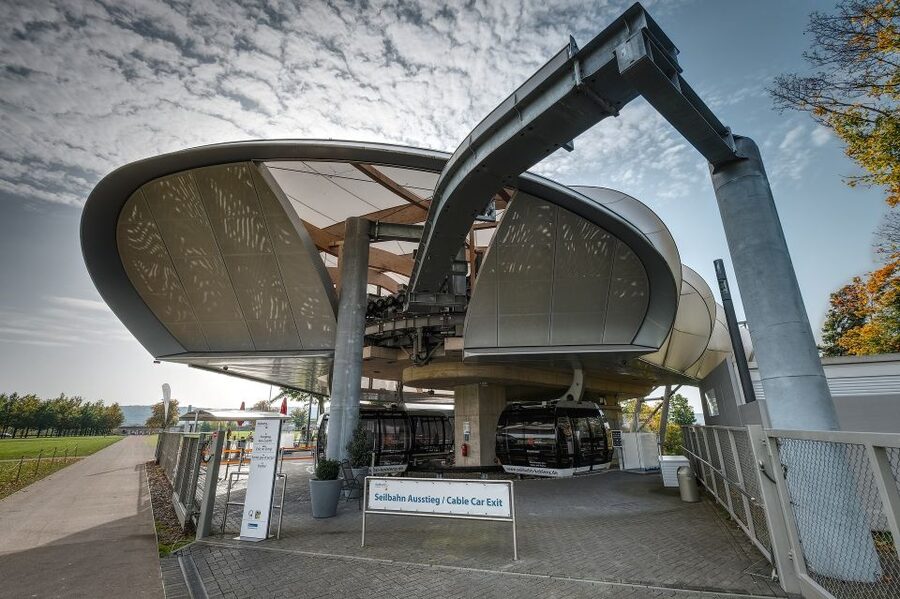
- The cable car links fortress and city: The meeting point is at the Koblenz-side cable car station, making the route easy to follow.
- Münzplatz connects modern Koblenz with Roman beginnings: The square marks the site tied to the Roman fort that gave Koblenz its name.
- Two major churches bring very different stories: Compare the rebuilt Liebfrauenkirche with the older Basilica of St. Castor.
- The Schängel fountain adds local character: This city symbol recalls Koblenz’s long period under French rule.
- Deutsches Eck closes the route: Finish at the Kaiser Wilhelm memorial, where the Rhine and Moselle meet.
Why the fortress is the right place to start
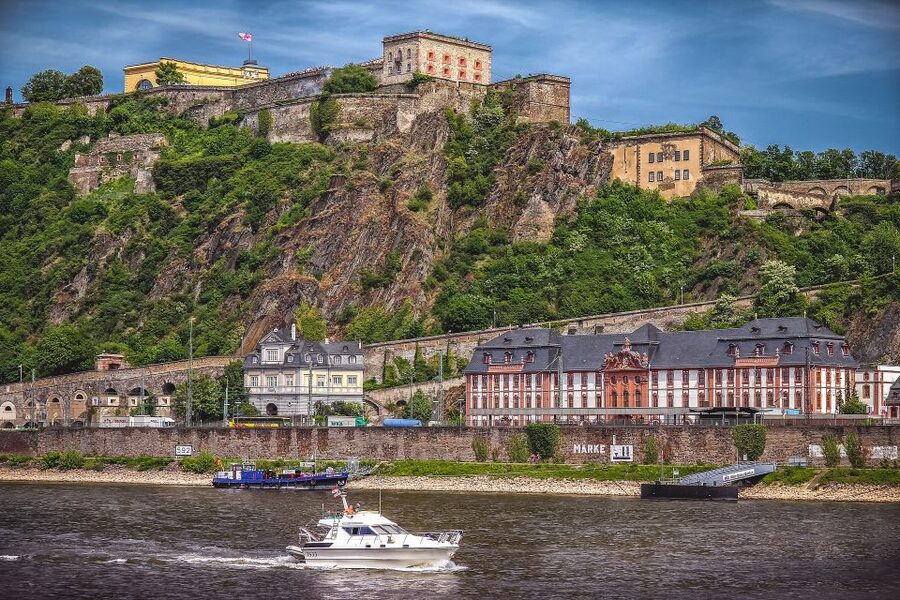
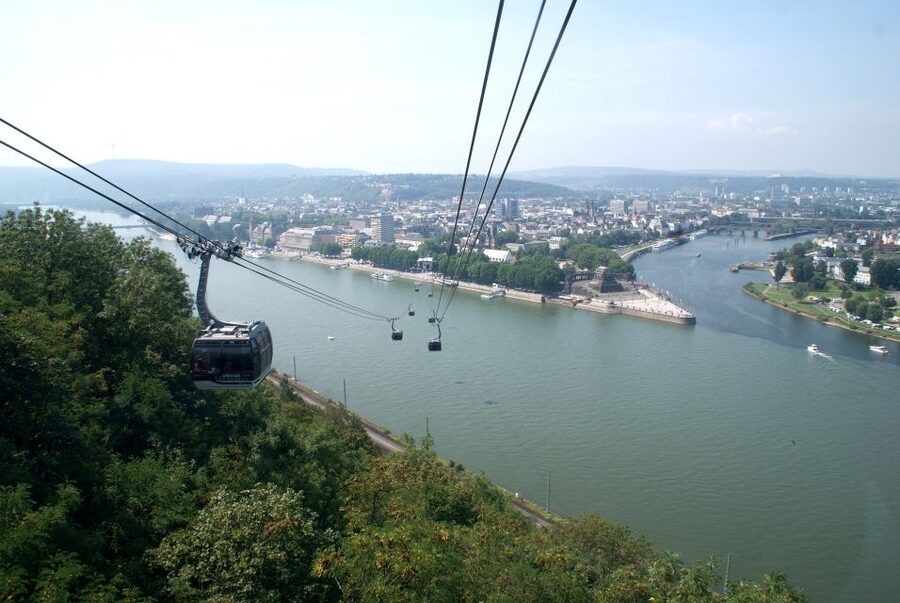
The tour starts at the cable car station on the Koblenz side, then takes you up to Ehrenbreitstein Fortress. This is a practical choice. You see the city from above first, then walk through it with a clearer sense of how the rivers shape Koblenz.
The fortress sits 118 meters above the Rhine. From here, the view reaches across the Rhine Valley, and you can look back toward Koblenz and the waterways that made this location so valuable. The scenery is a major reason to choose this tour over a simple old town walk.
Ehrenbreitstein was rebuilt between 1817 and 1828 as part of a larger defensive system for the Middle Rhine. It is described as the second-largest fortress in Europe, and the broad scale of the site helps explain why this high ground mattered. This was not just a castle for show. It guarded a key river corridor.
The site also carries a complicated wartime past. French troops destroyed the earlier fortress in 1801. The ruins later inspired the British poet Lord Byron, who wrote about its battered walls and the contrast between a stronghold that war could not easily defeat and the damage caused by peace. The modern fortress grew from that period of destruction and rebuilding.
Your guide can make this story easier to follow than a quick visit on your own. One especially strong part of the tour is the fortress explanation, which includes extra historical detail rather than stopping at dates and military labels. The fortress is open to the public, but the entrance fee is not included in the tour price, so budget for that separately.
The cable car ride is also part of the appeal, even though the supplied details do not specify whether its fare is included. Check the current booking terms before you go. The meeting point is clearly given as the station on the Koblenz side, and the activity returns there at the end.
More Fortress and Citadel Tours in Germany
- Erfurt: Guided Tour of The Petersberg Citadel
★ 4.8 · 674 reviews - Dresden: Königstein Fortress Paddle Steamer Cruise
★ 4.6 · 591 reviews - Erfurt: Flashlight tour of the petersberg citadel
★ 4.8 · 74 reviews
From Roman fort to Münzplatz
After the fortress, the tour moves into Koblenz’s old town and reaches Münzplatz. The square’s name comes from the electoral coin called Münz, minted here in the 11th century. That small detail gives the place more weight than a quick photo stop. It connects the square to the city’s role in regional government and money-making.
Münzplatz also points much farther back. The Romans founded a fort here called Castellum apud confluentes, meaning the fort at the confluence. Koblenz takes its name from this Roman reference to the meeting of the rivers.
A fountain built for Koblenz’s 2,000-year anniversary in 1992 adds a more recent layer. It was created by Wili Heinzen and given to the city by Sparkasse Koblenz. With a private guide, you can take in the square as both a public space and a record of the city’s long timeline.
This is one place where a guide helps you connect separate facts. On your own, you might see a pleasant square, a fountain, and old buildings. With the background, you see Roman settlement, medieval coin production, and modern civic pride in one stop.
The romantic street between two churches
From Münzplatz, the route follows a picturesque street between two important churches. This section shifts the mood from military history to religious architecture and city life.
The Liebfrauenkirche rises on the highest point of Koblenz’s old town. Its onion domes are the visual giveaway, and they give the church a distinctive outline among the surrounding buildings. The church was built in the 17th century, destroyed in 1944, and rebuilt in 1955.
That rebuilding matters. You are not looking at an untouched medieval church, but at a place shaped by war and repair. The church also served as one of the main parish churches during the French Revolution, adding political and religious context to its story.
The Basilica of St. Castor offers a much older chapter. It is the oldest church in Koblenz, built between 817 and 836 by the Archbishop of Trier with support from Emperor Louis the Pious. It began as a Carolingian proprietary church.
The contrast between the two churches is useful for anyone with limited time. Liebfrauenkirche shows how Koblenz rebuilt after wartime destruction. St. Castor takes you back to the Carolingian period. You do not need a full church tour to appreciate the difference, and the guide can keep the stop focused within the three-hour schedule.
The itinerary does not promise extended interior visits or special access, so think of these as guided city sights rather than lengthy museum stops. That keeps the tour moving, but visitors who want detailed architectural study may need more time afterward.
The Schängel fountain and Koblenz’s local humor
The Schängel fountain at the city hall gives the tour a welcome change of pace. It is regarded as a symbol of Koblenz and was designed by Carl Burger in 1940. The fountain honors the poet Josef Cornelius.
The name Schängel comes from Koblenz’s 20-year allegiance to France, from 1794 to 1813. The term reflects the city’s French connection and has become part of local identity. This is the sort of detail that can disappear if you only follow the main monuments.
The fountain is also a good example of how a private tour can add character to a standard sightseeing route. You see the grand fortress, churches, and imperial memorial, but you also get a local symbol with a story tied to language, politics, and civic pride.
The supplied description calls this area a good spot for picturesque squares. That makes it worth taking your time with the setting, even if the stop itself is brief. The route is designed to cover the main sights in three hours, so your guide will need to keep the pace moving.
More Medieval Old Town Tours in Germany
- From Frankfurt: Heidelberg, Castle and Old City Guided Tour
★ 4.5 · 677 reviews - Heidelberg Castle and Old Town Tour from Frankfurt
★ 4.0 · 587 reviews - Nuremberg: Castle and Old Town Tour – incl. Tickets and red beer tasting
★ 4.9 · 68 reviews - Nuremberg:Complete Tour! Castle/Old Town/World War history
★ 5.0 · 45 reviews
Deutsches Eck and the Kaiser Wilhelm memorial
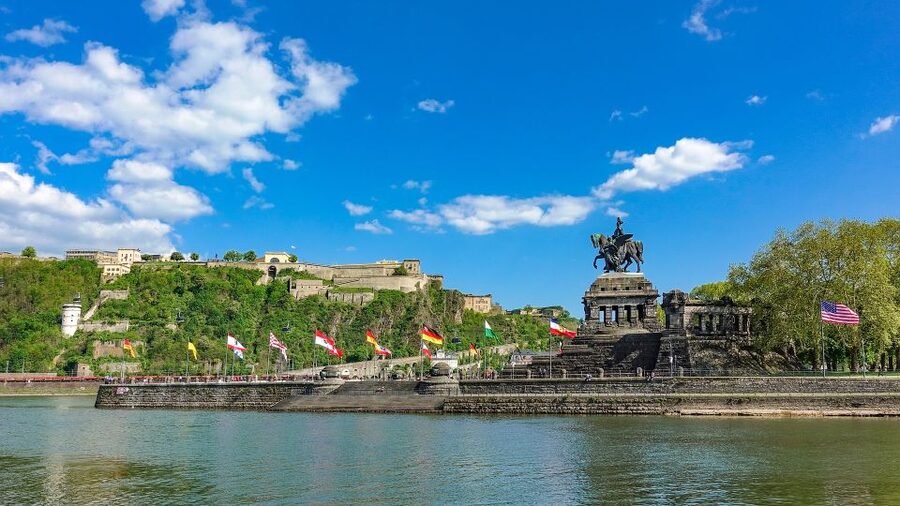
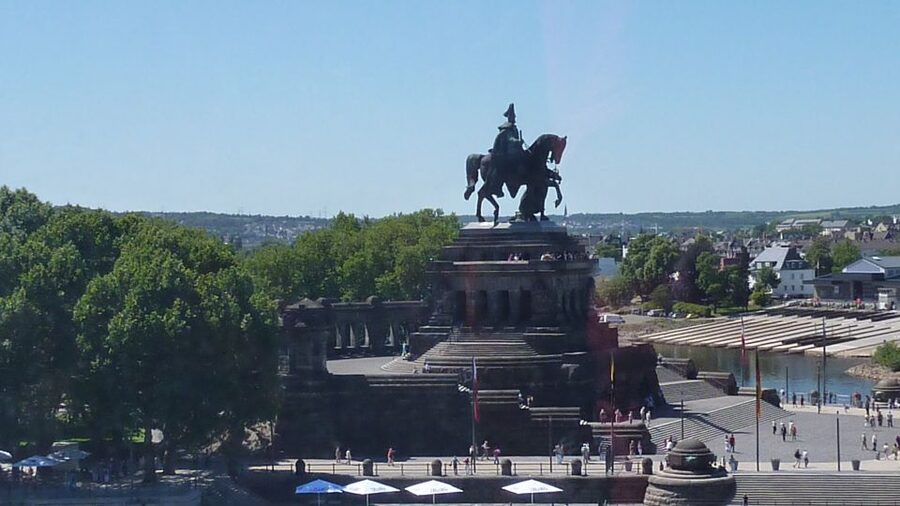
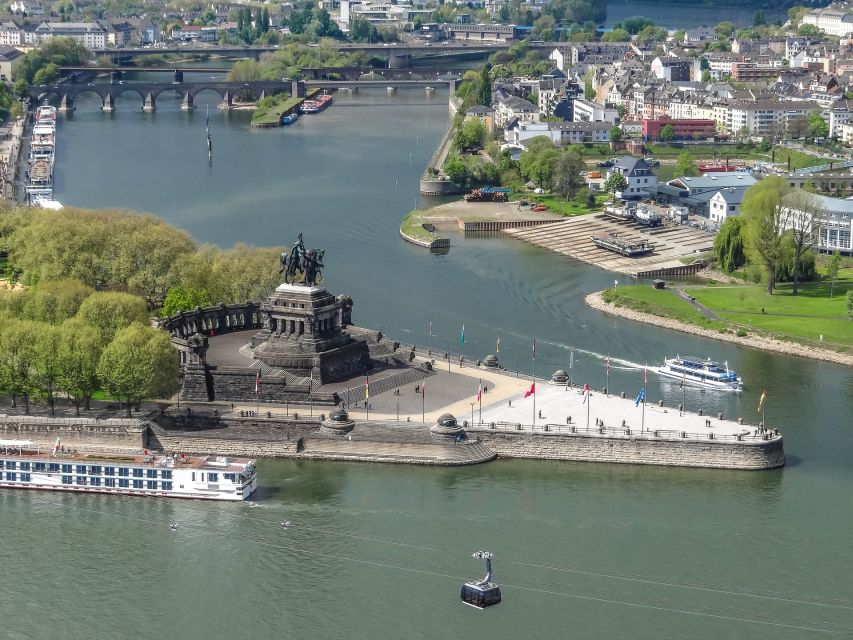
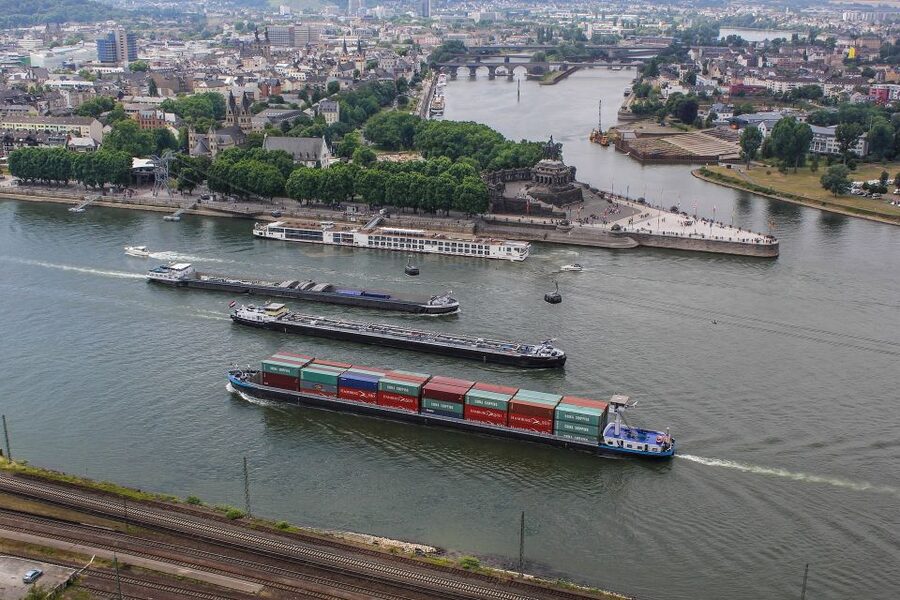
The tour ends at Deutsches Eck, the headland where the Rhine and Moselle meet. This is Koblenz’s most famous geographic feature and one of the city’s clearest photo points.
The Kaiser Wilhelm memorial was erected in 1897 in honor of Kaiser Wilhelm I, the first German Emperor. Its size and location make it difficult to miss, but the important part is its setting. The monument faces the meeting of two major rivers, tying imperial history to the geography that has shaped Koblenz for centuries.
The end of the tour brings together several themes from earlier stops. The fortress shows how rulers defended the river corridor. Münzplatz recalls Roman settlement and medieval administration. The churches show religious and civic history, while Deutsches Eck presents a later chapter of German national memory.
Because the activity ends back at the meeting point, the tour does not function as a one-way transfer into another part of the city. You should allow time afterward if you want to linger at Deutsches Eck or explore independently. The route gives you a strong introduction, but three hours cannot cover every corner of Koblenz.
What the private format adds
This is a private group tour, with a maximum group size of 20. That matters most if you are traveling with family, friends, or a cruise group and want everyone on one schedule. You are not sharing the guide with strangers, and the guide can respond to your interests within the time available.
The tour is offered in English, German, and Italian. The guide is described as official and live, which means you receive explanations on site rather than relying only on printed information.
The strongest praise concerns the guide’s way of bringing the history to life and adding unusual attractions alongside major landmarks. That is important here because Koblenz can otherwise become a quick checklist of fortress, church, fountain, and monument. The best use of this tour is to ask questions and let the guide explain why each place matters.
Pickup is available at a cruise docking location or at a centrally located hotel. The stated meeting point, however, is the cable car station on the Koblenz side. Confirm the exact pickup arrangement when booking, especially if you are arriving by ship or staying outside the central area.
The tour is wheelchair accessible according to the supplied information. Since the route includes a fortress, cable car station, old town streets, and public squares, confirm the specific access details for your own mobility needs before arrival.
Is $430 good value for three hours?
The listed price is $430 for a group of up to 20 people. That works out to $21.50 per person if the group is full, before the fortress entrance fee and any other costs not included. For a large family, reunion, or cruise group, that can be a reasonable way to get a private guide and a tightly organized introduction to Koblenz.
For two people, the calculation changes. The same flat price becomes much harder to justify if you only want a short old town walk. The private setting, language choice, pickup option, and fortress explanation add value, but you should compare the total against a shared walking tour or independent visit.
The three-hour length is both a strength and a limit. You can see the city’s main sights without giving up an entire day, which suits a port call or a short stay. At the same time, you will not have long periods at every church, square, or fortress room.
The entrance fee to Ehrenbreitstein Fortress is not included. Factor that into your budget, and check whether the cable car fare is covered under your booking terms. The tour’s reserve-now, pay-later option and free cancellation up to 24 hours before the activity provide useful flexibility, especially when cruise schedules or weather may affect your plans.
Who should book this Koblenz tour?
I would choose this tour for a group that wants the major sights explained in a short window. It suits first-time visitors, cruise passengers, families with mixed interests, and anyone who prefers a guide to connect military, Roman, religious, and modern German history.
It is also a good fit if you want more than a fortress view. The route includes smaller details such as the Münzplatz fountain and the Schängel story, which give the old town a local feel.
I would hesitate if you are traveling alone or as a couple and mainly want to wander at your own speed. The fixed group price may be too high for that purpose. I would also look for a longer or more specialized visit if your main interest is fortress architecture, church interiors, or the military history of the Middle Rhine.
Final call: a strong introduction for groups
Book this tour if you want one private guide, one compact route, and both sides of Koblenz, the high fortress and the riverfront old town. Its best features are the Rhine Valley views, the guide’s added historical detail, and the mix of major sights with local stories.
Skip it if the $430 group price does not work for your party size, or if you want several hours to explore the fortress and old town at leisure. For a larger group with only three hours in Koblenz, though, this is an efficient and well-focused choice.
FAQ
How long is the Koblenz old town and fortress tour?
The tour lasts three hours.
Where does the tour begin?
It begins at the cable car station on the Koblenz side.
Where does the tour end?
The activity ends back at the meeting point.
Is the tour private?
Yes. It is a private group tour for up to 20 people.
Which languages are available?
The live guide is available in English, German, and Italian.
Is admission to Ehrenbreitstein Fortress included?
No. Entrance fees for Ehrenbreitstein Fortress are not included.
Can I cancel the tour for a full refund?
Yes. You can cancel up to 24 hours in advance for a full refund.
Newly walked in Germany
- Sightseeing flight Zugspitze Neuschwanstein Castle Alps Munich Augsburg★ 5.0 · 7 reviews
- Stuttgart: Landesmuseum Württemberg Old Castle Entry Ticket★ 4.6 · 21 reviews
- Stuttgart: 4-Castle Winter Hike with Costume Tour★ 4.5 · 2 reviews
- Stein: Guided tour of Count von Faber-Castell’s castle★ 4.9 · 27 reviews
- Sigmaringen: Hohenzollern Castle Admission & Audio Guide★ 4.9 · 15 reviews
- Segway Tour: Gerberbach, Schlosspark & Castle Weinheim★ 4.9 · 14 reviews
- Dresden: Scavenger Hunt to Elbe River & Castles★ 4.7 · 15 reviews
- Private tour to Neuschwanstein castle from Munich★ 5.0 · 23 reviews
Medieval Old Town Tours, compared.
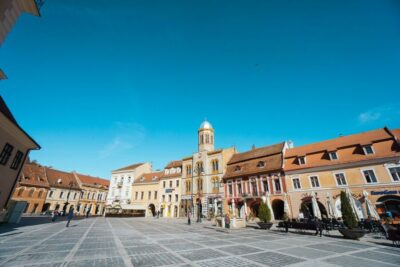
Dracula’s Castle, Peles Castle, & Brasov Old Town
Read our review →
3-Hour Walking Tour of Old Town & Prague Castle
Read our review →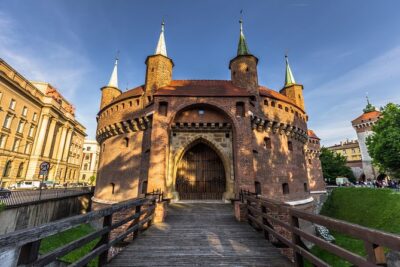
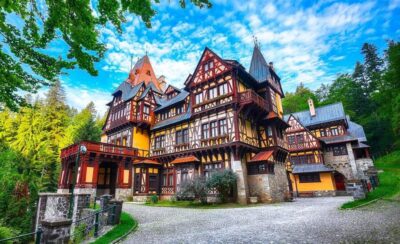
Peles Castle, Bran Castle, & Brasov Old Town Tour
Read our review →
Nice Old Town and Castle Hill: Guided Cultural Walking Tour
Read our review →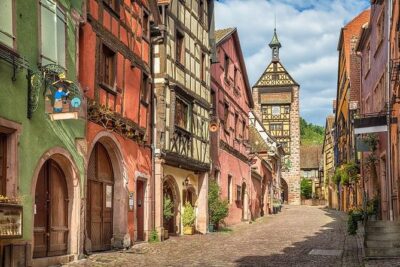
Colmar, Medieval Village & Castle Small Group from Strasbourg
Read our review →
Heidelberg Castle and Old Town Tour from Frankfurt
Read our review →Browse the lists this tour appears in