

Review · SARANDA
Saranda: Lekursi Castle, Blue Eye, Gjirokaster, & More Tour
Southern Albania packs a lot into a small corner of the country. This day trip takes you from Saranda’s hilltop views to a cold blue spring, an old stone bridge, and the sloping streets of Gjirokaster, all without the bother of arranging several buses or taxis.
I especially like the mix of nature and 20th-century history, and the roomy Mercedes Vito makes the long day easier. Guide Ilir Shehu is praised for clear explanations, local stories, restaurant tips, and a warm sense of humor. The main drawback is simple: nine hours is a long day, and Gjirokaster’s steep cobbles and the walk to the Blue Eye require steady shoes.
Key points
- Lekursi Castle gives you Saranda from above, with broad views over the town and coast.
- The Blue Eye includes a scenic walk, with a 50-cent entry fee and water that stays around 10°C.
- Gjirokaster gets three hours, enough for the old town, castle area, bazaar, photos, and lunch.
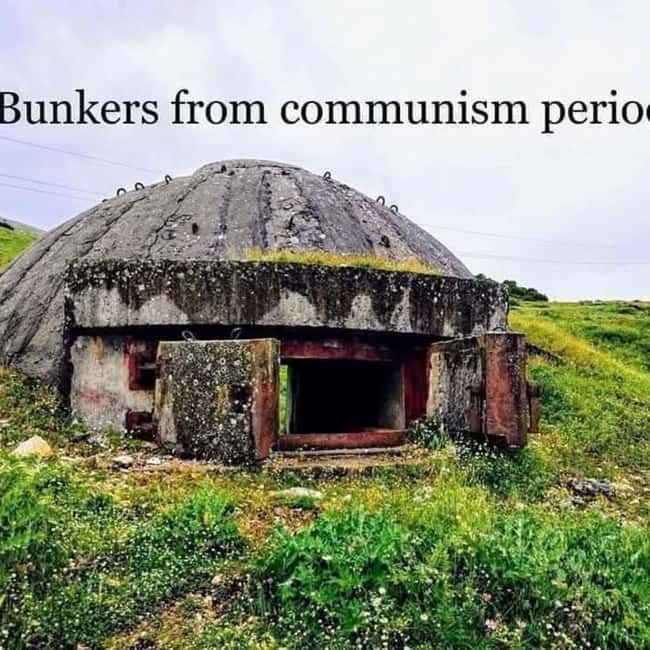
- Mesopotam Monastery and the Ottoman bridge add real historical depth, while nearby bunkers show Albania’s communist past.
- The Mercedes Vito Tourer is a strong comfort feature, especially on the winding roads between stops.
- Small groups are limited to eight people, although busy dates may use more than one minivan.
Six southern Albanian sights in one well-planned day
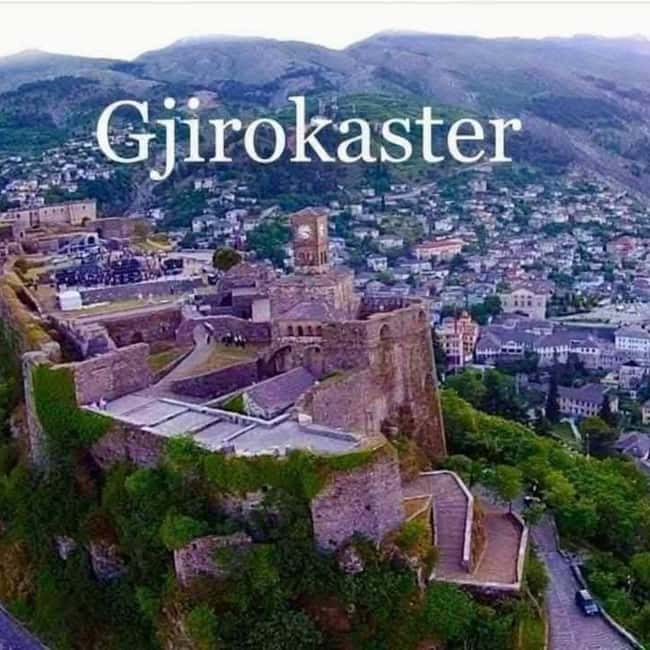
This is not a tour built around one headline attraction. Its appeal is the sequence: a castle, a monastery, a spring, an Ottoman bridge, communist bunkers, and a UNESCO-listed old town.
You leave from Guma Bar Restaurant at about 8:50 in the morning and return around 6:00 in the evening, finishing at Parku Miqësia. The route covers enough ground to show you how quickly southern Albania changes from coastal city to forested mountain country and old stone towns.
I like this format for a first visit to the region. You get a useful overview in one day, then you can decide where you would like to spend more time later. The tradeoff is that some stops are short. Mesopotam Monastery and the bridge each receive about 30 minutes, so this is an introduction rather than a slow archaeological study.
More Castle Tours in Albania:
- From Tirana: Kruja Castle, Old Bazaar & Sari Salltik View
★ 4.8 · 2,171 reviews - From Durres/Golem: Kruja Castle & Old Bazaar Day Tour
★ 4.9 · 1,317 reviews - Berat city UNESCO tour, the Castle & Belshi lake- From Tirana
★ 5.0 · 804 reviews
Lekursi Castle and Saranda from above
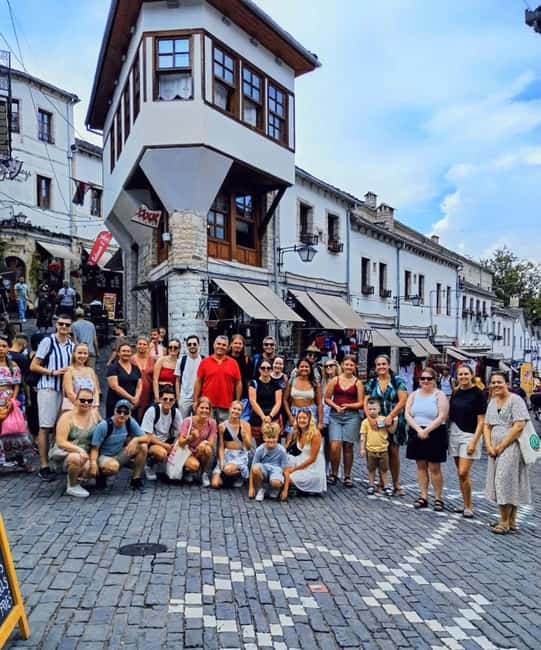
The first real stop is Lekursi Castle, reached after a short drive from the meeting point. The castle dates from the 16th century and was built during the Ottoman period. Today, the main reason to come is the position on the hill above Saranda.
From here, you can look across the town and toward the coast. It is an easy place to get your bearings, and the morning light can be kind to photographs. The stop lasts about 30 minutes, so you have time for a guided explanation and pictures without spending half the day at the first viewpoint.
Entrance is free. That matters because several paid attractions can add up during a day out, while the main cost here is already covered by the tour price.
Do not expect a large castle complex with hours of rooms to inspect. This is primarily a viewpoint and a quick historical stop. If you want a long visit with time to sit over coffee, you will find the schedule too tight.
Mesopotam Monastery and layers of faith
The Monastery of Saint Nicholas, also known as Mesopotam Monastery, offers a quieter stop. Its origins reach back to the 11th and 13th centuries, and the site reflects the shifting religious history of the region.
The monastery served Catholic and Orthodox rites before the Ottoman period brought its conversion into a mosque. It was also built over older temple walls from before Christianity, giving the site several historical layers in a very compact space.
You get about 30 minutes here. That is enough for a guided introduction, photographs, and a look around, but not enough for a long, unhurried architectural study. I see this stop as valuable because it breaks up the scenic driving and gives the day more meaning than a simple list of viewpoints.
The place may appeal most to you if religious history, old stone construction, and changing empires interest you. If you are focused only on beaches and swimming, it will feel like a brief detour.
The Blue Eye: cool water and a forest walk
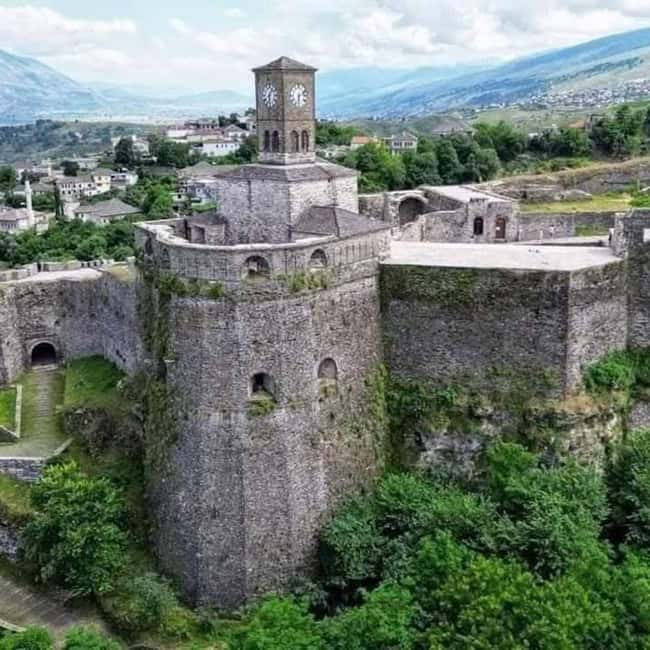
The Blue Eye is likely to be one of the day’s strongest natural sights. This spring rises from deep underground and forms a striking blue pool surrounded by trees.
The water remains around 10°C, so it is very cold even on a warm day. The color and force of the spring create the impression of an eye, which explains the name. You can enjoy the view, take photographs, and spend time in the surrounding nature.
The schedule allows two hours, far more than at the castle or monastery. That gives you room to walk from the parking area, pause at the spring, and choose your pace. The route can be taken along a paved road, through a forest path, or by a small tourist tram. If you have comfortable shoes and reasonable fitness, the forest route offers the most pleasant approach according to the practical details provided for the stop.
The Blue Eye ticket costs 50 cents and is not included. It is a small extra, but bring a little cash or be prepared to pay locally. You should also carry water, sunscreen, and a hat. The tour information says food and drinks are not allowed in the vehicle, so plan to keep refreshments for appropriate stops rather than eating on board.
This is not the place to expect a warm swimming hole. The spring is cold, and the main pleasure comes from the color, setting, and short walk. Two hours is generous, but it is also where the day asks the most from your legs.
Same walls, a different way in:
- Sarande: Blue Eye Spring and Lekursi Castle Sunset Tour
★ 4.8 · 798 reviews - Daily Trip To:Blue Eye,Monastery,Gjirokaster&Lekursi Castle
★ 4.9 · 665 reviews - Durres/Golem: Kruja Castle & Bazaar with Traditional Lunch
★ 5.0 · 632 reviews - Kruja castle, the old Bazaar & Sarisalltik- Departure from Tirana
★ 5.0 · 592 reviews
An Ottoman bridge beside communist bunkers
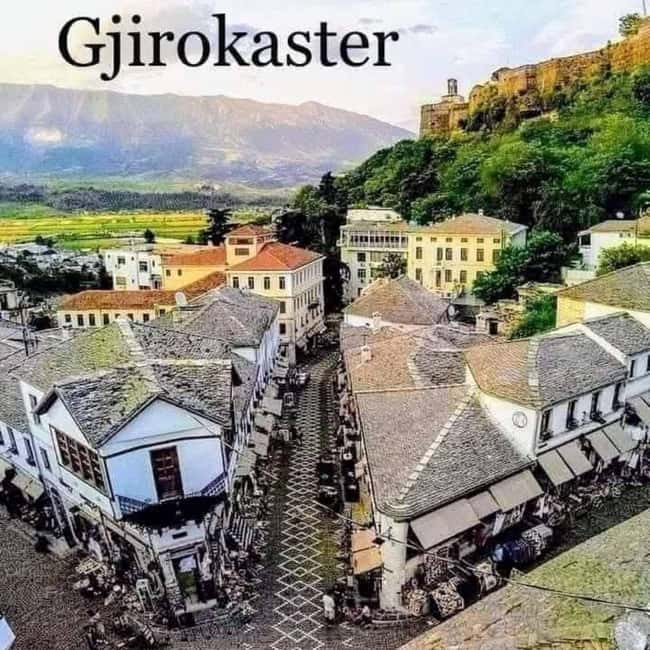
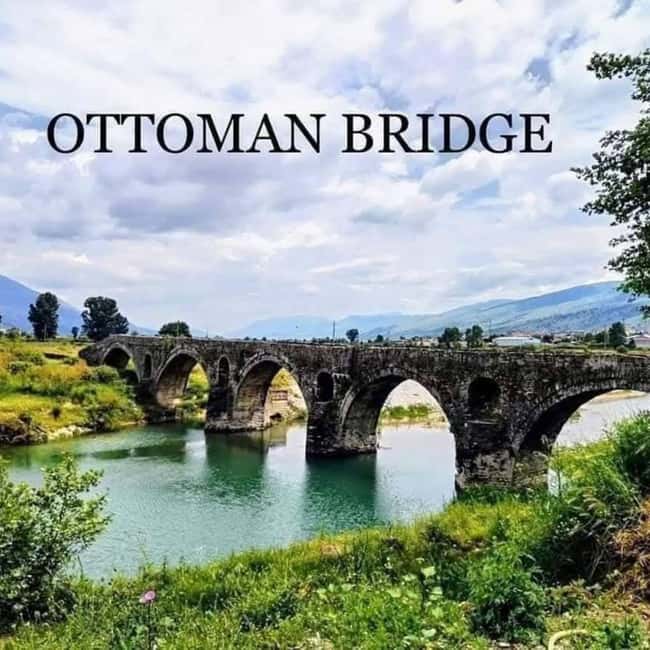
After the Blue Eye, the route turns toward Ura e Kordhocës, an Ottoman bridge area with nearby bunkers left from Albania’s communist era.
The bridge shows the engineering and travel network of the Ottoman period. The bunkers tell a much more recent story. Albania’s communist government built them across the country as part of a defensive system, and their concrete shapes remain a visible reminder of that period.
Putting these two subjects together makes this stop unusually useful. You see how different eras sit side by side in the countryside. The visit lasts about 30 minutes, so the guide’s explanation helps you notice details you could easily pass without understanding.
There is no entrance charge for the bridge and bunkers. This is a photo stop and a history lesson rather than a major attraction with formal museum facilities. Some visitors may find it brief, but I think the stop earns its place because it adds context to the drive and helps explain Albania beyond its beaches.
Three hours in Gjirokaster
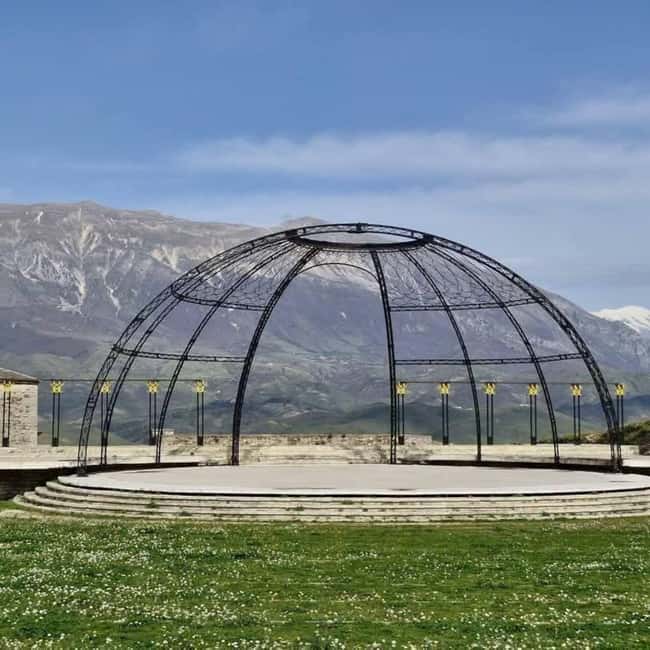
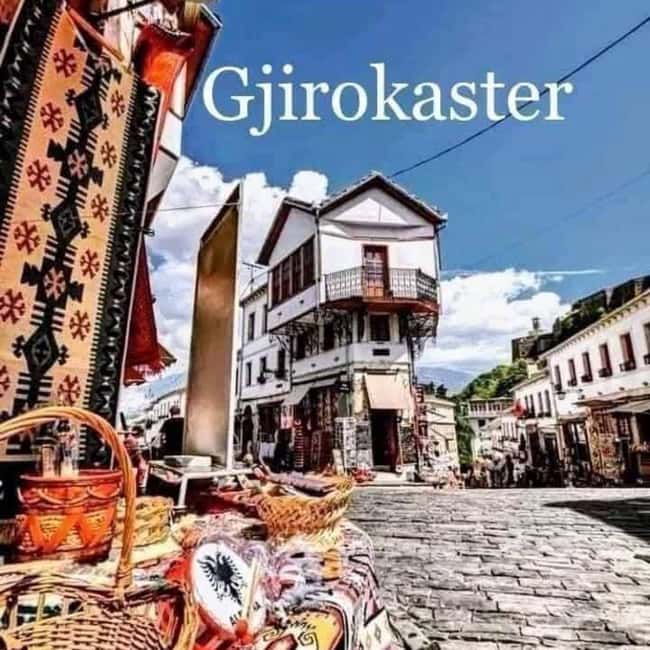
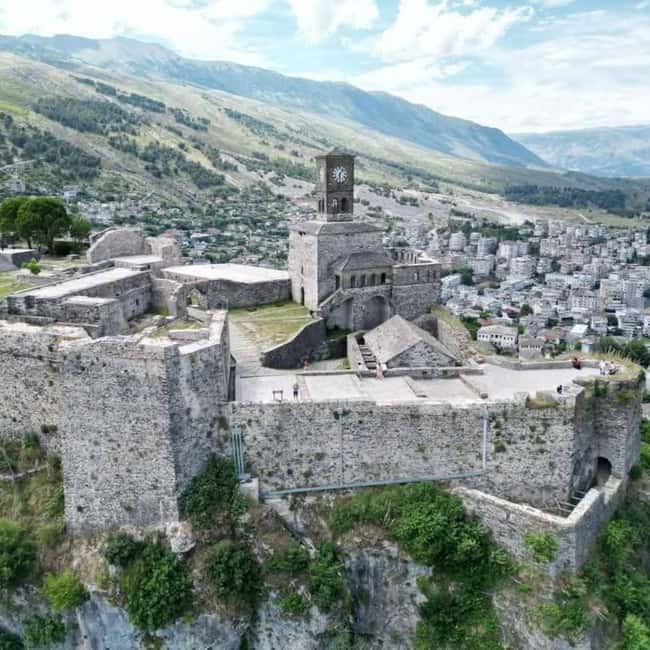
Gjirokaster is the day’s main event. The old city is known for stone houses that resemble small fortresses, steep cobbled lanes, an old bazaar, and a large castle above the town.
The three-hour visit gives you enough freedom to choose your emphasis. You can follow the guide through the main areas, then explore on your own, take photographs, visit the castle area, browse the bazaar, or stop for a traditional meal.
I would save your energy for this part of the day. Gjirokaster’s streets slope, and the cobblestones can be uneven. Comfortable shoes are not a minor suggestion here. The town rewards slow walking, but it is not especially friendly to anyone who needs a flat, step-free route. The tour is not suitable for wheelchair users or pregnant women.
The city’s architecture is the real attraction. Stone roofs and heavy masonry give the old town a distinctive look, and the winding streets create a strong sense of place. You are not simply walking through a restored tourist quarter. You are seeing a town shaped by local building traditions, Ottoman influence, and the difficult history of modern Albania.
The guide can also help make the free time more useful. Ilir Shehu is repeatedly praised for explaining Albanian history, culture, food, and the effects of communism. He has also recommended traditional restaurants and local dishes, including oshaf, a dessert that one passenger particularly enjoyed. If you want an authentic meal rather than the first convenient menu, ask for a suggestion.
The schedule is flexible enough in some cases to help people continuing beyond the tour. One passenger staying in Gjirokaster was able to finish there, and another received help planning a route to a bus station. Do not assume this is guaranteed for every departure, but it shows the value of speaking with the guide about your onward plans.
What the Mercedes minivan changes
Transport can make or break a full-day Albanian excursion. This tour uses a new, air-conditioned Mercedes Vito Tourer minivan, suitable for up to eight passengers.
The vehicle matters because the route includes several separate drives: about 10 minutes to Lekursi Castle, 20 minutes to the monastery, 20 minutes to the Blue Eye, 40 minutes onward, 10 minutes to the bridge, and about 50 minutes from Gjirokaster back to Saranda. You are not trapped in one long drive, since the stops break up the route, but the total road time is still substantial.
A minivan also makes it easier to talk with the guide and fellow passengers than a large coach. The small-group limit is eight people, though one busy date operated with three minivans. That means the experience can become less intimate on popular days, even if the main guide remains attentive.
The transport is fully insured, and the driver is also the professional guide. Safety and comfort received consistent praise, along with careful driving and enough legroom. Smoking, food, and drinks are not allowed in the vehicle. That rule keeps the cabin clean, though you should plan ahead if you are used to snacking during road trips.
The guide shapes the day
The listed language is English, with a live guide. Ilir Shehu is the guide most closely associated with this experience, and his role goes beyond reading dates from a script.
You can expect help understanding Albania’s religious past, Ottoman period, communist years, geography, food, and regional differences between the north and south. He is also described as friendly, patient, funny, and willing to answer questions. On some departures, he has played Albanian music and explained the meaning behind it.
That personal contact is useful in Albania, where a short explanation can change how you read a bunker, a monastery wall, or a stone house. The guide also takes photographs for passengers at good viewpoints, according to the experience details provided.
The quality of a day like this depends heavily on the person behind the wheel and microphone. Ilir’s name appears repeatedly in the supplied experience information, but the booking is for a professional driver-guide, so confirm the guide arrangement if having a particular person matters to you.
Is $47 good value?
At $47 per person, this is strong value if you want to see several major sights without hiring a private car. The price includes insured minivan transport, a professional English-speaking guide, and visits to all six listed areas.
You still pay for food and the 50-cent Blue Eye entry ticket. Those are modest extras, and you have three hours in Gjirokaster to choose your own meal rather than being tied to a fixed restaurant.
The value is greatest for first-time visitors based in Saranda, solo passengers, and anyone who does not want to navigate rural roads or connect several local buses. A private taxi would offer more control, but it would usually cost far more for one person or a couple. Public transport may cost less, but it would not easily combine all these sites in one day.
The price is less attractive if you already have a car and prefer spending an entire day in Gjirokaster. In that case, the fixed schedule may feel too broad. For most people with limited time, though, the range of sights makes the cost sensible.
Who should book this day trip?
I would choose this tour if you are staying in Saranda and want more than a beach day. It suits solo passengers, couples, friends, and small families who like a mix of scenery, old buildings, local stories, and free time.
It is also a good match for people arriving from Corfu for a day. One passenger whose boat arrived late was still accommodated, and another was dropped at the port with plenty of time before departure. Do not treat that as a promise for every sailing, but contact the operator early if your ferry timing is tight.
You should think twice if you dislike early starts, winding road journeys, steep streets, or a full schedule. The tour is not suitable for wheelchair users or pregnant women, and the Blue Eye and Gjirokaster both involve walking.
Bring comfortable shoes, water, a hat, sunscreen, and a camera. The guide suggests booking with the option to cancel up to 24 hours ahead for a full refund, and reserve-now, pay-later availability can help if your schedule is uncertain.
Should you book it?
Book it if you want a well-priced overview of southern Albania with a strong guide, comfortable transport, and enough time to enjoy the two main highlights: the Blue Eye and Gjirokaster.
I would be especially inclined to book if you are traveling alone, visiting in the quieter season, or arriving without a rental car. The personal guidance, restaurant suggestions, and help with onward plans add real value.
Skip it only if you want a slow day at one place or have mobility limits that make forest paths and sloping cobbles difficult. For everyone else, this is an efficient and enjoyable way to connect Saranda with the inland side of Albania.
FAQ
How long does the tour last?
The tour lasts about nine hours. Departure is scheduled for 8:50 in the morning, with return around 6:00 in the evening.
Where does the tour start and finish?
It starts at Guma Bar Restaurant and finishes at Parku Miqësia. Branded Albania Minivan Tours vehicles are available at the meeting point.
What places are included?
The tour visits Lekursi Castle, Mesopotam Monastery, the Blue Eye, Ura e Kordhocës with its Ottoman bridge, communist-era bunkers, and Gjirokaster.
Is the Blue Eye entrance included?
No. The Blue Eye ticket costs 50 cents and is paid separately. Food is also not included.
How many people are in the group?
The small-group tour is limited to eight participants, although busy dates may operate with more than one minivan.
Is the tour suitable for wheelchair users?
No. The experience is not suitable for wheelchair users or pregnant women. Comfortable shoes are recommended because the Blue Eye and Gjirokaster involve walking.
Newly walked in Albania
- 1-Day Tour in Blue Eye, Monastery, Gjirokaster and Lekursi Castle★ 5.0 · 76 reviews
- From Tirana: Krujë Day Trip with Krujë Castle & Old Bazaar★ 4.8 · 71 reviews
- Sarandë: Tour Gjirokaster,Blue Eye & Lekursi Castle★ 4.7 · 220 reviews
- Best of Saranda: Blue Eye, Butrint, Ksamil & Lekuresi Castle★ 4.4 · 300 reviews
- Sarande: Blue Eye Kayak and walking tour & Lekursi Castle★ 4.8 · 278 reviews
- Tirana/Durres: Berat Castle & OldCity (By Day/Sunset Tour)★ 4.7 · 357 reviews
- Kruja castle, the old Bazaar & Sarisalltik- Departure from Tirana★ 5.0 · 592 reviews
- Daily Trip To:Blue Eye,Monastery,Gjirokaster&Lekursi Castle★ 4.9 · 665 reviews
Saranda Castle Tours, compared.
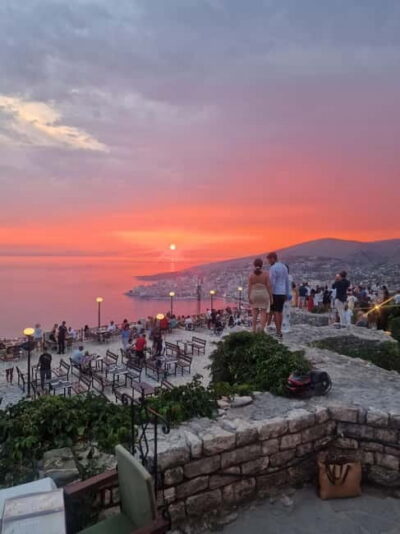
Sarande: Blue Eye Spring and Lekursi Castle Sunset Tour
Read our review →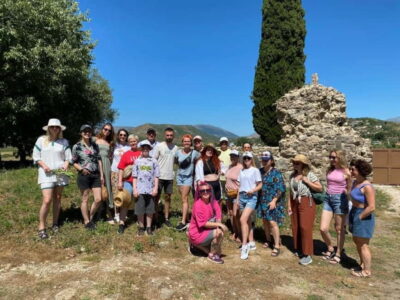
Daily Trip To:Blue Eye,Monastery,Gjirokaster&Lekursi Castle
Read our review →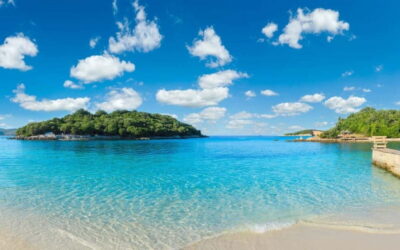
Best of Saranda: Blue Eye, Butrint, Ksamil & Lekuresi Castle
Read our review →
1-Day Tour in Blue Eye, Monastery, Gjirokaster and Lekursi Castle
Read our review →Browse the lists this tour appears in