
Review · SRI LANKA
Sigiriya: Rock Fortress Private Guided Walking Tour
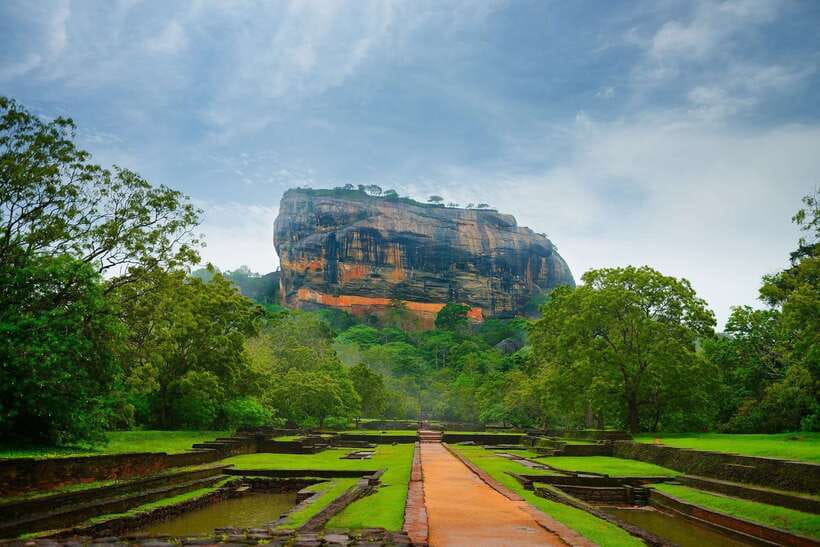
Sigiriya is not a gentle stroll through old ruins. It is a climb up a dramatic rock fortress, with 1,200 steps leading past gardens, paintings, ancient masonry, and the famous Lion’s Paw. At the summit, you get wide views over central Sri Lanka and the remains of a 5th-century royal complex.
I like the small group limit of four, which gives your guide room to set a sensible pace and answer questions. I also like the focus on details you could easily miss, from the water gardens and swimming pools to the fresco pocket and old constructions at the top.
The main drawback is the cost beyond the tour fee: the guide costs $29 per person, but the entrance ticket adds another $35. The early start may also disappoint if you expect an empty site, since crowds can already be present at 6:00 am.
Key points to know before climbing
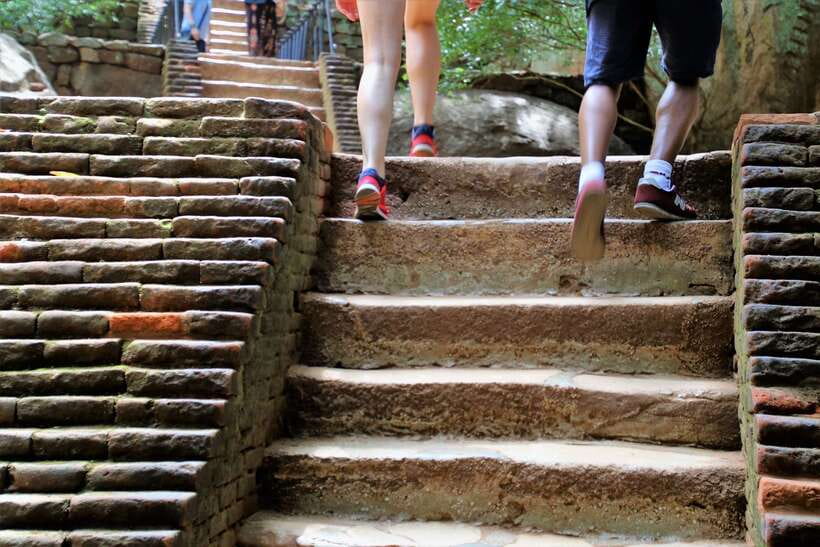
- The summit requires 1,200 steps: This is a serious climb, not a casual walk.
- The group is limited to four people: You get a more personal guide experience and a better chance to ask questions.
- The $29 tour excludes the $35 entrance ticket: Budget about $64 per person before food and drinks.
- The route covers gardens, frescoes, and the Lion’s Paw: The guide helps connect the scattered remains into one story.
- Kumara and Sugath have received especially warm praise: They are noted for humor, clear explanations, patience, photographs, and helpful pacing.
- The tour runs in rain or shine: Bring water and hiking shoes, and leave large bags behind.
Why Sigiriya is worth the climb
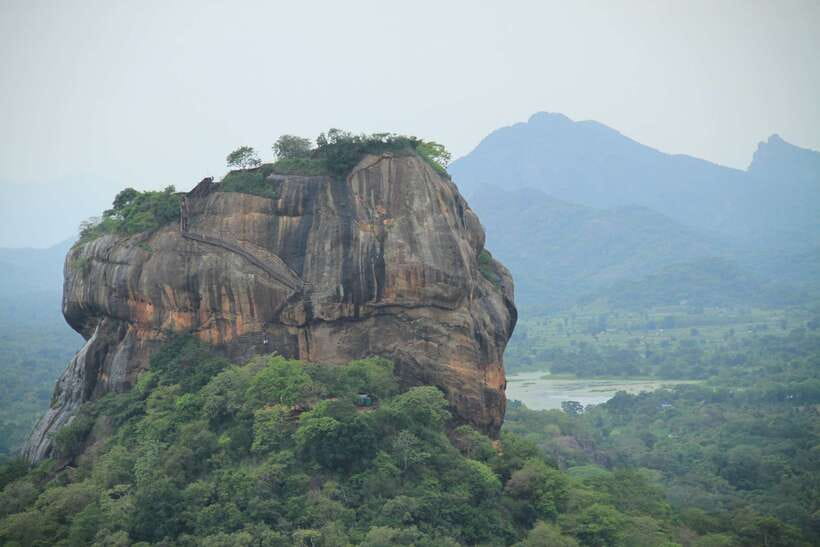
Sigiriya, often called Lion’s Rock, combines a royal residence, fortress, gardens, art, and a natural lookout in one compact site. The rock rises above the surrounding countryside, so the walk changes character as you climb. You begin among formal gardens, move through huge boulders and stairways, pass ancient wall paintings, and finish among ruins at the summit.
That variety is the reason I would choose a guided visit instead of simply following the route alone. The remains are impressive, but many are easy to misunderstand without explanation. A guide can point out how the gardens were arranged, explain the purpose of the pools, and place the palace ruins in the setting of 5th-century Sri Lanka.
This is not a tour built around long vehicle transfers or a string of stops. The activity lasts about three hours and is spent walking through the archaeological site. You should think of it as a focused visit with interpretation, not a sightseeing bus tour.
The guide is there to explain the major features as you move between them. Recent bookings have been led by guides including Kumara, Sugath, and Albed. Kumara has been praised for bringing the site to life, adding humor, and taking good photographs. Sugath is noted for detailed explanations, patient pacing, and helping arrange return transport. Albed was described as punctual and willing to climb with his group, though his slower pace and repeated explanations may not suit everyone.
Guide quality can vary, as it does with any scheduled tour. The small group helps, but your experience will still depend on the individual guide’s energy, language skills, and storytelling style.
More Fortress and Citadel Tours in the world:
- Carcassonne: Castle and Ramparts Entry Ticket
★ 4.6 · 2,884 reviews - Salzburg: Hohensalzburg Fortress Admission Ticket
★ 4.6 · 2,236 reviews - Salzburg: Best of Mozart Fortress Concert and Dinner
★ 4.5 · 1,424 reviews
Starting among the miniature water gardens
The walk begins near a miniature water garden, one of the most carefully planned parts of the lower complex. Here you can see the first signs that Sigiriya was more than a defensive outpost. Water, stone, paths, pools, and planted areas were arranged to create an approach worthy of a royal residence.
Your guide can help you read this section as an engineered garden rather than a pile of old stones. Fountains and channels show how water was used within the complex, while the pools add a sense of order and ceremony. The gardens also provide a calmer start before the climb becomes demanding.
This opening section is a good place to listen closely. Once you begin climbing, you may focus more on your footing and breathing than on a long explanation. I would use the lower garden to ask your guide about the site’s layout, the palace complex, and what you will see above.
You walk about one kilometer on flat ground during the visit, but that distance can feel longer in heat or rain. Water is essential. Comfortable hiking shoes are a better choice than sandals or smooth-soled casual shoes.
Boulder gardens and the first serious climb
The route then passes through boulder gardens, where enormous rocks form a striking contrast with the formal water gardens. These spaces show how the builders worked with the natural shape of the site instead of clearing everything away.
The boulders also help explain why Sigiriya was a useful fortress location. The approach narrows and rises, and the rock itself becomes part of the defensive design. Your guide can point out ruins and stonework that would be easy to walk past if you were concentrating only on the staircase ahead.
This is where the tour becomes physically demanding. The full climb includes about 1,200 steps, with both open stairways and sections that require care. The activity is not recommended for people with limited mobility, heart problems, back problems, or for pregnant women.
The listing includes a hiking aid, but you should not treat that as a substitute for fitness or good footwear. There is no claim that the aid removes the effort of the climb. If stairs are difficult for you, this is probably the wrong way to see Sigiriya.
The fresco pocket and ancient paintings
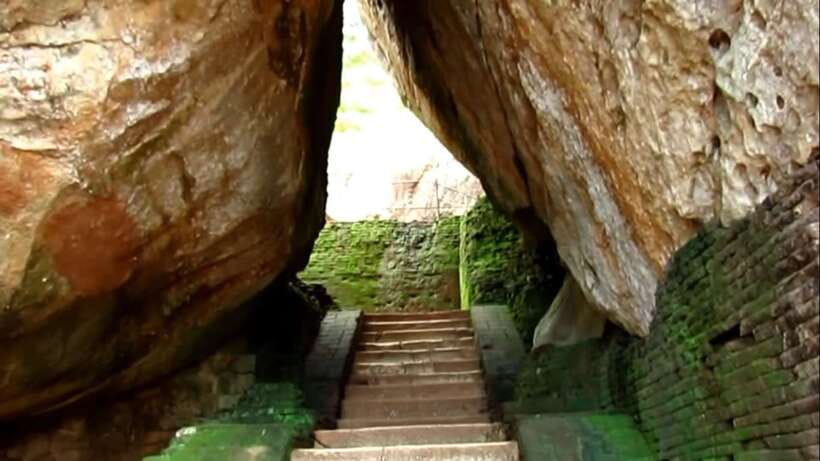
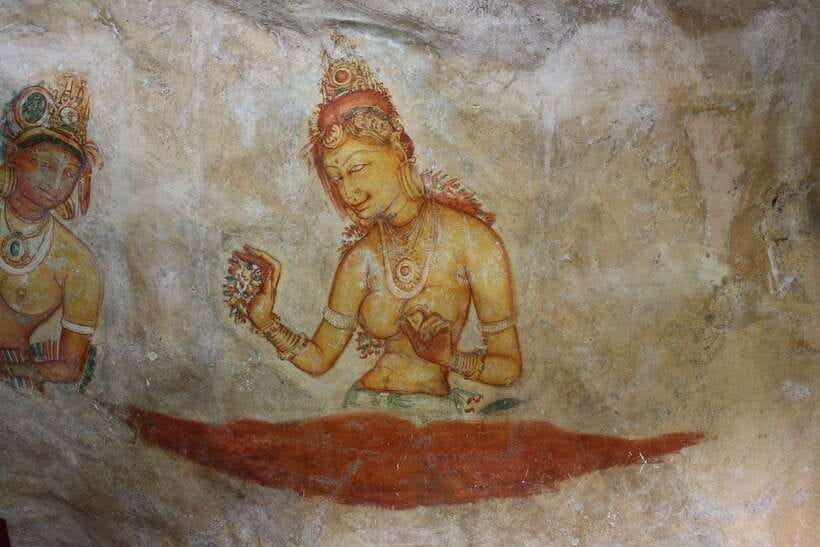
One of the most memorable parts of the ascent is the fresco pocket, where you can see paintings attributed to 5th-century artisans. These images give the site a human quality that the stone ruins alone cannot provide.
The paintings are also a reminder that Sigiriya was designed to impress the eye. The complex was not only about walls and military control. Art, ceremony, water, gardens, and royal buildings were woven into the experience of approaching the summit.
Your guide’s commentary matters here because the frescoes are not simply decoration to photograph and leave behind. Ask for context about their age, their place within the climb, and how they fit with the rest of the palace complex. The information provided for this tour does not promise an extended art lecture, so expect a practical explanation rather than a specialist seminar.
Photography may be limited by conditions at the site, so keep your attention on the paintings themselves. The route is active, and you may need to keep moving with the group.
More Castle Walking Tours in the world:
- Edinburgh Castle: Guided Walking Tour with Entry Ticket
★ 4.7 · 11,699 reviews - Prague: 3-Hour Walking Tour of Old Town & Prague Castle
★ 4.7 · 5,696 reviews - Edinburgh Castle: Guided Walking Tour with Entry Ticket
★ 5.0 · 5,540 reviews - Edinburgh Castle Guided Walking Tour in English
★ 5.0 · 5,214 reviews
Passing beneath the Lion’s Paw
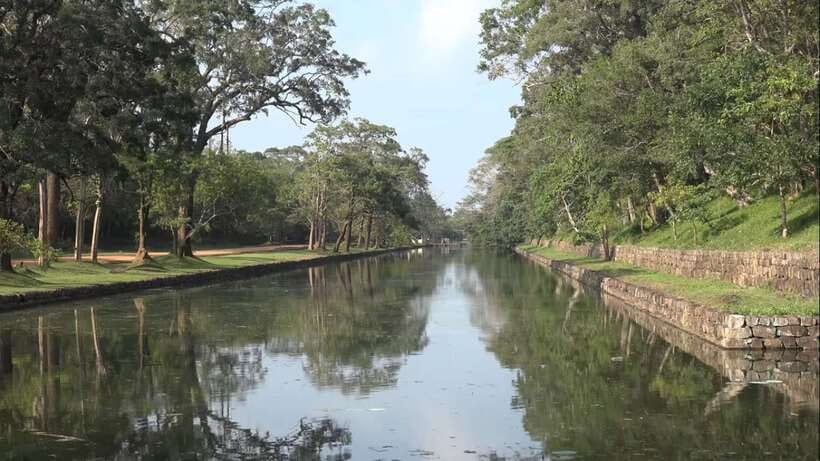
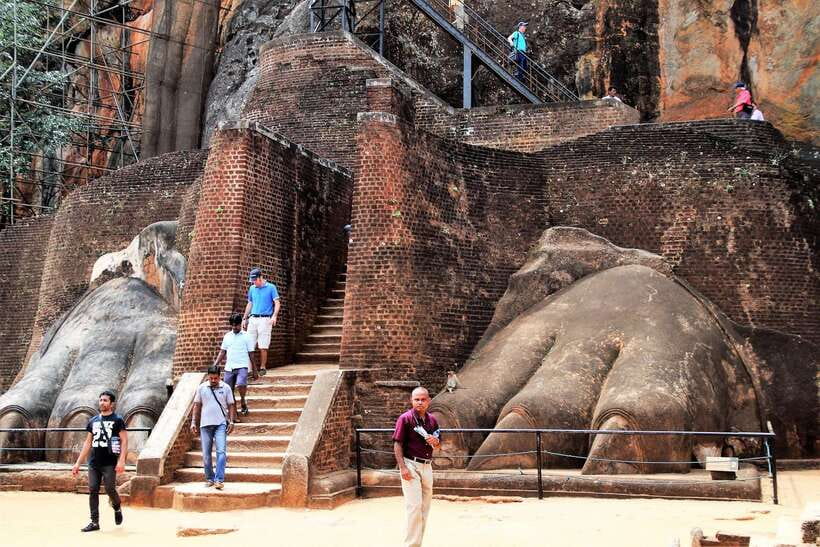
The Lion’s Paw is the visual centerpiece of the upper approach. The massive paws are all that remain of a larger lion entrance, but even these surviving pieces make the original concept easy to imagine.
This is an excellent point for a short pause. The scale of the paws helps you understand why the rock was associated with a lion and why the approach was intended to feel grand. It is also one of the best places for photographs, and guides such as Sugath and Kumara have been praised for showing people where to position themselves.
The Lion’s Paw is more than a photo stop. It marks the transition from the gardens and lower defenses to the upper royal area. From here, the climb feels more exposed and more dramatic, with the rock and open views taking over from the planted areas below.
If you are uncomfortable with heights, pay attention to the route description before booking. The supplied information does not give detailed safety notes for every staircase or edge, but the total step count alone tells you that this is a demanding ascent.
Reaching the summit palace ruins
At the top, you find the remains of the 5th-century palace complex, including a swimming pool and other stone structures. These ruins are not intact rooms with complete roofs and furnishings. Instead, you see foundations, walls, platforms, and the traces of a royal compound spread across the summit.
The guide’s job here is to help you picture how the space worked. A swimming pool at this height is especially striking, since it suggests planning, labor, and water management on a difficult site. The upper ruins also make the climb feel worthwhile because you are not simply reaching a viewpoint. You are arriving at the center of the old complex.
The summit views are the emotional payoff. From this height, the surrounding countryside opens out in every direction, and the scale of the rock becomes clear. One booking described the view from the top as the highlight, and I can understand why. Even if the commentary below has been uneven, the summit gives you a strong visual reward.
Allow time to look around rather than treating the top as a quick photo stop. The tour lasts three hours, and a well-paced guide should balance explanation, rest, photographs, and the return route.
How much value do you get for $29?
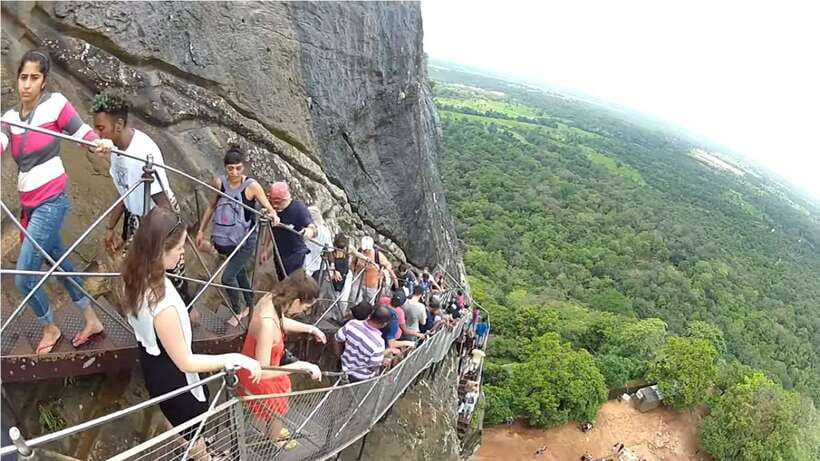
The $29 fee is reasonable if you want a guide who can explain the site and help you move through it efficiently. You are paying for roughly three hours of guiding, not for admission, transport, meals, drinks, or a private vehicle.
The entrance ticket costs an additional $35 per person. That makes the basic outlay about $64 per person before anything else. This is important when comparing the tour with an unguided visit. The guide fee is not the total cost of entering Sigiriya.
The value improves if you care about history, site layout, photography, and pacing. A guide can identify the water gardens, explain the boulder gardens, point out the fresco area, and show you the Lion’s Paw rather than leaving you to connect the pieces yourself.
The value is less clear if you already know the site well or prefer to climb independently. One recent account found that some explanations became repetitive, and the guide repeatedly referred to an expected generous tip. Tipping is not listed as an included cost, so you should decide in advance what you are comfortable giving and never feel pressured into an amount.
The small group size helps justify the price. With no more than four participants, you are not lost in a large crowd, and the guide can keep an eye on the group’s pace. That matters on a climb where one person may want frequent pauses while another wants to keep moving.
Timing, weather, and what to carry
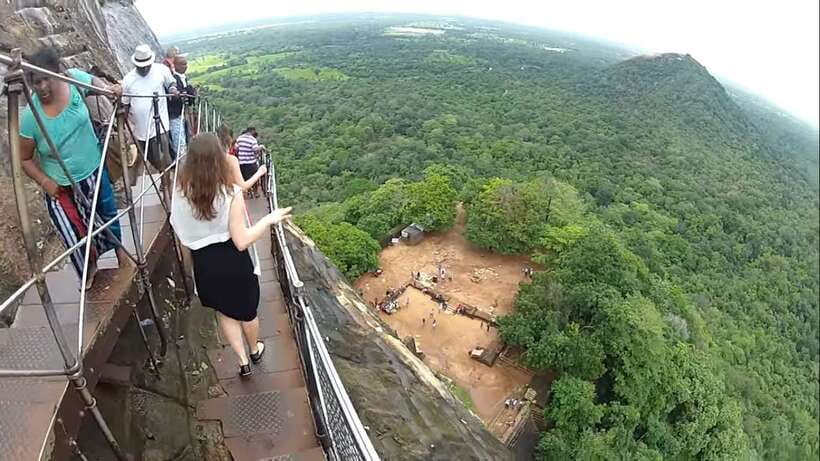
The tour runs for three hours, with starting times available according to the booking schedule. A 6:00 am start has been used, presumably to reach the site early, but early does not mean empty. At that hour, you may still find many other people at Sigiriya.
The benefit of an early start is likely the cooler part of the day, not guaranteed solitude. If you dislike heat, the morning is sensible. If your main goal is to avoid all crowds, keep expectations modest.
The tour operates rain or shine. Pack water and wear hiking shoes. You should also bring only what you need, since luggage and large bags are not allowed.
Meals and drinks are not included, so arrange those separately. The supplied details do not state that transport to or from the site is provided. One guide helped organize return transport, but you should not assume this is part of the package unless your booking confirms it.
The meeting point requires you to exchange your voucher at the ticket counter before the tour begins. If you cannot find the guide, call or message them. Build a little time into your arrival so the ticket exchange and meeting do not eat into your three-hour visit.
Who will enjoy this guided walk?
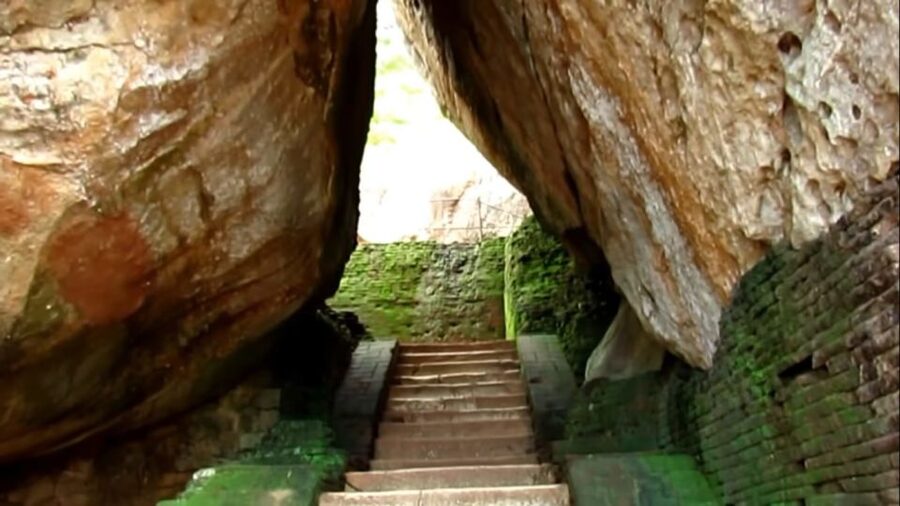
I would recommend this tour to an active visitor who wants the major features explained without joining a large group. It suits you if you enjoy ruins, ancient art, planned gardens, and high viewpoints, and if you are comfortable with a sustained stair climb.
It is also a good fit for solo visitors or couples who want help with photographs. The guide can show you better viewpoints, and the small group makes it easier to ask for a picture without holding up a busload of people.
Families should judge the climb carefully. The group size is appealing, but the activity is specifically unsuitable for people with mobility impairments, back or heart problems, and pregnant women. The information provided does not give a minimum age, so families with children should confirm that point before booking.
You may want to skip the guided format if you dislike fixed pacing or long explanations. One guide was praised for detailed commentary, while another was criticized for repeating facts. That difference is worth keeping in mind. A guide adds context, but it cannot guarantee a particular style.
Should you book the Sigiriya guided climb?
Book it if you want the rock explained as a complete site rather than just a staircase leading to a view. The route covers the water gardens, boulder gardens, frescoes, Lion’s Paw, swimming pool, and summit ruins, while a small group keeps the visit personal.
Before you pay, budget for the $35 entrance ticket, prepare for 1,200 steps, and bring water and proper shoes. Choose the tour for its history, structure, and practical help with the climb, not because an early start promises an empty monument.
If you are fit enough for the ascent and value a guide, the $29 fee is a fair addition to one of Sri Lanka’s major cultural sites. If stairs are a serious concern, save your money and choose a gentler activity.
FAQ
How long does the Sigiriya guided walking tour last?
The tour lasts about three hours. It includes walking through the gardens, climbing the rock, seeing the frescoes and Lion’s Paw, and exploring the summit ruins.
How many steps are involved?
The climb involves about 1,200 steps, along with roughly one kilometer of walking on flat ground.
Is the entrance ticket included?
No. The entrance ticket costs $35 per person and is separate from the $29 tour fee. Meals and drinks are also not included.
What languages are available?
The live guide is available in English, German, or French.
How large is the group?
This is a small-group activity limited to four participants.
What should I bring, and what is not allowed?
Bring hiking shoes and water. Luggage and large bags are not allowed. The tour runs in rain or shine.
More Guided Castle Tours in the world
- Seville: Cathedral, Giralda & Alcazar Entry With Guided Tour
★ 4.6 · 8,560 reviews - Stonehenge, Windsor Castle and Bath Full Day Guided Tour
★ 4.5 · 5,346 reviews - Seville: Alcázar and Cathedral Entry Ticket and Guided Tour
★ 4.6 · 5,056 reviews - Alcázar of Seville Skip-the-Line Tickets and Guided Tour
★ 4.6 · 3,941 reviews
Newly walked in the world
- Everyday Chopin Concert at 7 PM with candlelight by the Castle★ 4.5 · 100 reviews
- Bratislava: DayTrip: Castles around Vienna +underground lake★ 4.9 · 30 reviews
- Vienna: Guided Bratislava & Devín Castle Tour via Hainburg★ 4.6 · 88 reviews
- Warsaw: Skip-the-Line Royal Castle Guided Tour★ 4.9 · 79 reviews
- 3 hour: Warsaw Old Town with Royal Castle /inc. Pick-up/★ 4.7 · 14 reviews
- From Vienna: Bratislava with Local Guide, Castle & UFO Views★ 4.6 · 69 reviews
- Montreux: Chateau Chillon Entrance Ticket★ 4.7 · 158 reviews
- Day Trip to Montreux, Chaplin’s World & Chillon Castle& apéritif★ 4.5 · 178 reviews
Fortress & Citadel Tours, compared.


From Cairo Alexandria Catacombs, Citadel Day Trip with Lunch
Read our review →
Charleston historical walking tour with a Professor of History at The Citadel
Read our review →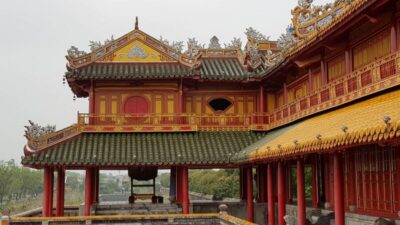
Hue Customizable Tour with Imperial Citadel & Forbidden City
Read our review →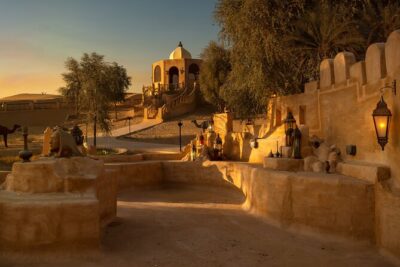
Desert Safari: Luxury Fortress Dinner, Camel Ride & Dune Bashing
Read our review →
Egyptian Museum, Citadel, and Old Cairo Guided Tour
Read our review →Browse the lists this tour appears in