
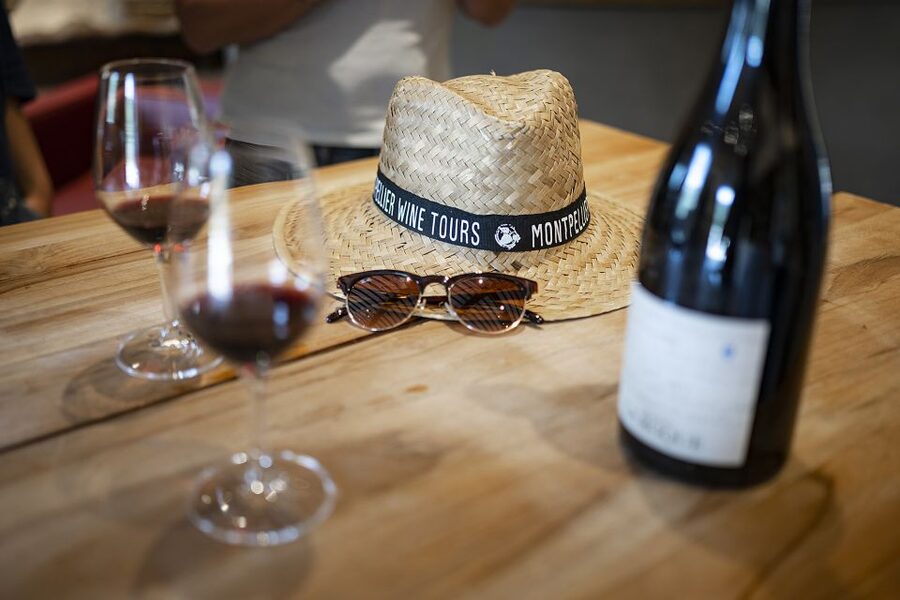
Review · FRANCE
The Châteaux of Grès de Montpellier & Wine Tasting
The best part of this outing is the contrast between two wine estates. Château de Flaugergues gives you a grand 17th-century summer house near Montpellier, while Château Puech Haut takes you into vineyard country with olive trees and painted oak barrels. You get culture and wine in one afternoon, without giving up half a day to a distant wine region.
I like the small group of no more than eight and the broad tasting lineup, with whites, rosés, and reds at both stops. I also like that guides such as Leti, David, Marc, and Gabriel have been praised for clear explanations and easy conversation. The main drawback is that the château buildings may feel less grand than their names suggest, and one past participant found both estates somewhat shabby.
At a glance
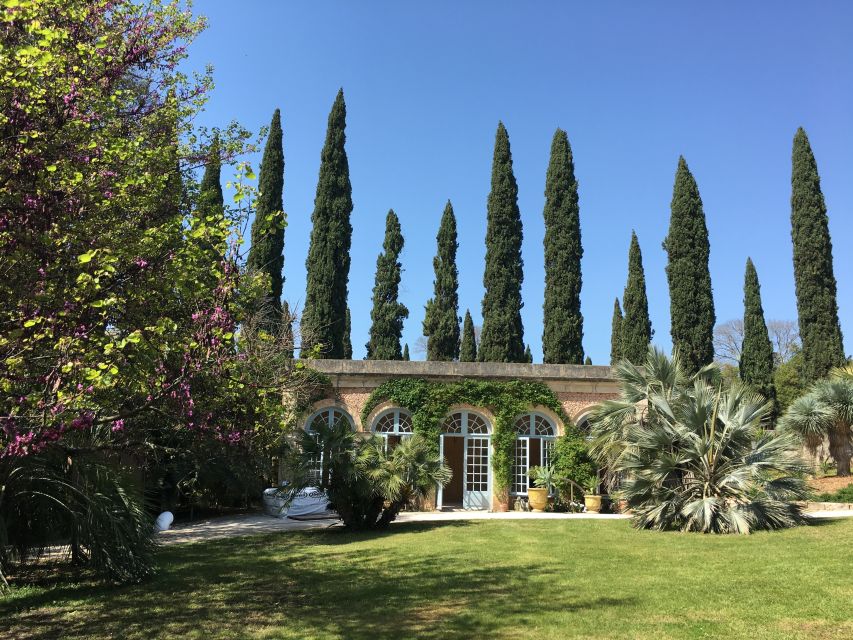
- Two very different estates: Begin at the elegant Château de Flaugergues, then continue to Château Puech Haut in the countryside.
- Five or six wines at each château: Expect a substantial tasting of red, white, and rosé wines.
- A 3.5-hour afternoon: Meet at 14:00 and return to Montpellier around 17:30.
- A genuinely small group: The van carries up to eight participants, making questions and conversation easier.
- Guides with strong wine backgrounds: Leti, David, Marc, and Gabriel have been singled out for their wine knowledge, storytelling, and friendly manner.
- Useful for non-drinkers in the group: The estates, gardens, architecture, and barrel exhibition give the afternoon more substance than a string of tastings.
Two châteaux, two sides of Montpellier wine country
This is a wine tour, but it is not only about wine. The route connects Montpellier’s historical heritage with the Languedoc countryside, giving you a quick sense of how the city and its surrounding vineyards fit together.
The first stop is Château de Flaugergues, a sumptuous bourgeois summer residence dating from the 17th century. Its appeal is architectural and cultural as much as vinous. You can hear the story of the estate, see the character of an old Montpellier country house, and then taste the wines made there.
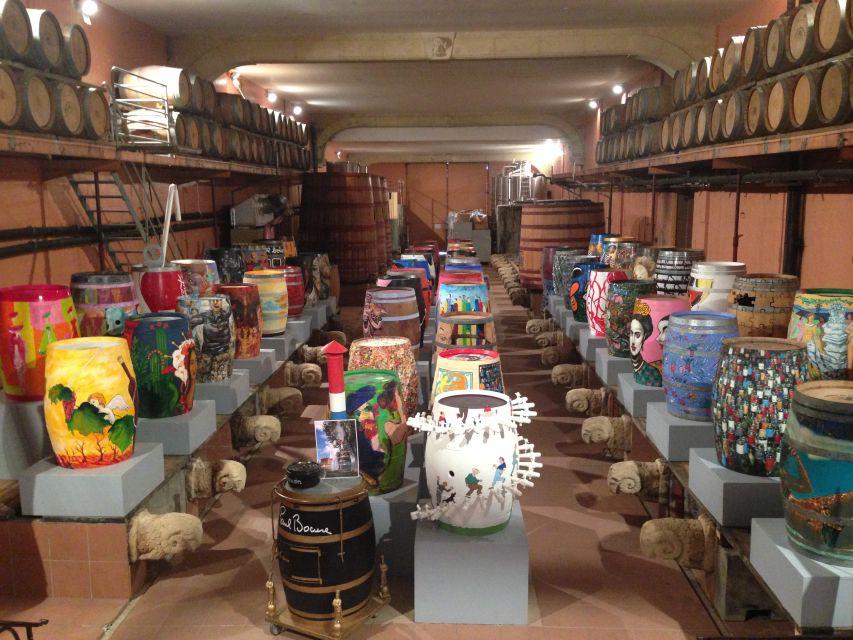
The second stop is Château Puech Haut, set among vineyards and olive trees. Here, the setting feels more rural, and the painted oak barrel exhibition adds an unusual visual touch. The barrels are not just storage equipment. They are a colorful, original feature that makes this estate different from a standard cellar visit.
You will not get the same experience twice. That is important. Some wine outings visit two similar producers and blur together by the second tasting. This route gives you a historic house first, then a more open wine estate with a distinct art display.
More Castle Tours in France:
- Loire Valley Castles Day Trip from Paris with Complementary Wine
★ 4.5 · 3,907 reviews - Carcassonne: Castle and Ramparts Entry Ticket
★ 4.6 · 2,884 reviews - Chambord: Entry Ticket to the Castle
★ 4.6 · 1,841 reviews
Meeting at Esplanade de l’Europe at 14:00
The tour begins in Montpellier at the parking area of the Esplanade de l’Europe, in front of the Austra Rock. The itinerary also labels the starting point Ayers Rock Montpellier, so check the exact meeting instructions carefully before setting out. The supplied directions identify the Esplanade de l’Europe parking area and the Austra Rock landmark.
You meet the guide at 14:00 and leave by van. The first drive is listed as about 15 minutes, which keeps the outing efficient. You are not spending the first hour crossing the region before reaching the wine.
Transport is included, as is the guide and all wine tasting. Hotel pickup and drop-off are not included, so you need to reach the city meeting point yourself. That arrangement helps keep the price at $93 per person reasonable, but it makes the meeting location an important part of your planning.
The small vehicle is a real advantage here. With a maximum of eight people, you have a better chance to ask about grape varieties, winemaking, and the estates without competing with a large coach group. It also creates a more relaxed setting for the drive between tastings.
Château de Flaugergues: a historic house with wine on the table
The first estate gives the afternoon a strong sense of place. Château de Flaugergues is a 17th-century bourgeois summer house, so you are visiting more than a production site. The building connects wine with the old country residences that once surrounded Montpellier.
The tour includes a guided visit and a wine tasting lasting about an hour. The exact order of the architectural visit and tasting can vary, but the structure allows you to learn the story of the estate before sampling its wines.
I like this stop for people who want a little culture with their alcohol. If you only want a technical tasting, the château setting may feel like an extra. If you enjoy old houses, local history, and the way estates tell their own story, it gives the wine a useful context.
You should also keep your expectations sensible. This is not presented as a grand palace visit with a long museum program. It is a working wine estate with a historic residence. The focus remains on the estate’s story and wines.
The tasting includes a large range of styles. You can expect whites, rosés, and reds rather than a narrow flight of one type. That makes the stop useful for beginners who want to compare styles, as well as for experienced wine drinkers looking at how a Languedoc producer handles different bottles.
The drive toward Saint-Drézéry
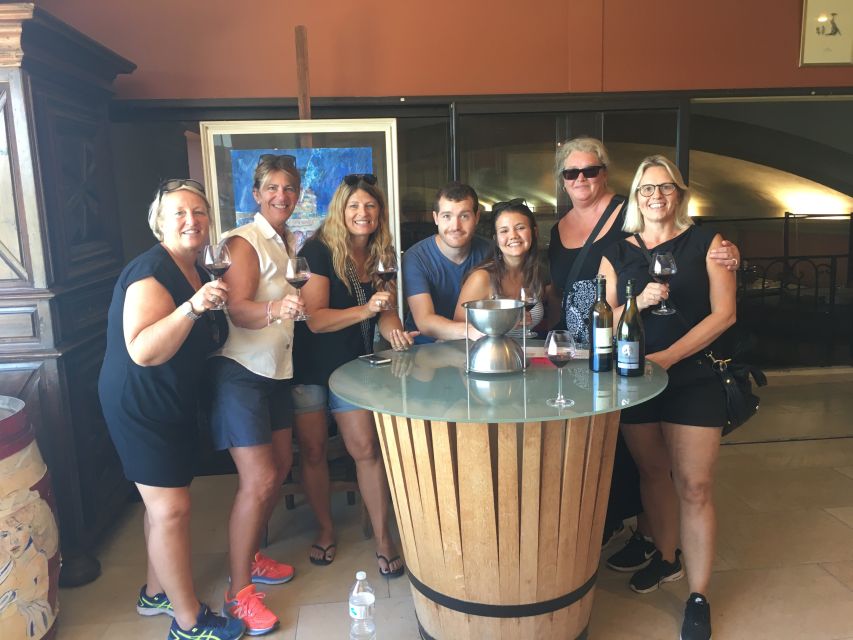
After the first tasting, you return to the van for a drive of about 30 minutes. The route moves you away from the city and toward Saint-Drézéry, where Château Puech Haut is located according to the tour plan.
This transfer is long enough to create a clear change of scene, but short enough that the afternoon does not feel dominated by road time. You have already visited one estate, and the next stop feels like a separate chapter rather than a repeat performance.
A guide can make this part especially useful. Past guides named Leti, David, Marc, and Gabriel have been praised for explaining the region, the vineyards, and the winemaking process in plain language. Marc was described as both a sommelier and vineyard owner, while David was praised for his passion and ability to explain why the region’s wine culture matters.
The guide assigned to your date may be someone else. The key point is that this is a guide-led experience, not a self-guided tasting where you simply receive a glass and a price list. English and French are offered, though the tour can sometimes be bilingual when both languages are needed.
Same walls, a different way in:
- From Paris: Loire Valley Castles Day Trip With Wine Tasting
★ 4.6 · 1,727 reviews - Chenonceau Castle Admission Ticket
★ 4.7 · 1,515 reviews - Medoc or Saint Emilion Wine Tasting and Chateau from Bordeaux
★ 5.0 · 1,415 reviews - ★ Walking Tour of Old Nice and Castle Hill
★ 5.0 · 1,318 reviews
Château Puech Haut: vineyards, olive trees, and painted barrels
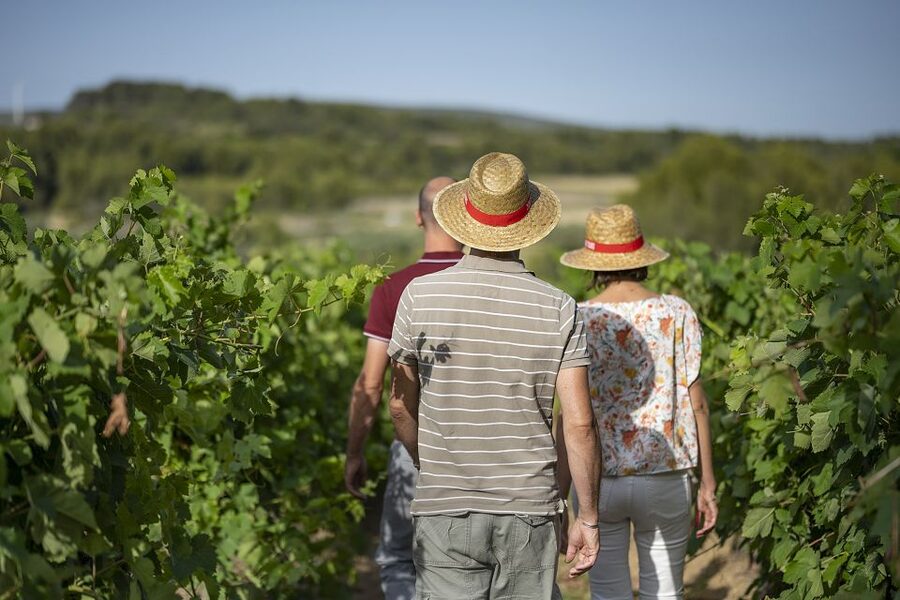
Château Puech Haut changes the mood. The estate sits among vineyards and olive trees, giving you a stronger countryside setting than the first stop. The surroundings are part of the attraction, especially if your picture of a South of France wine visit includes open views and agricultural land.
The unusual feature here is the exhibition of painted oak barrels. These add an artistic element to the cellar and give you something memorable to look at between explanations and tastings.
The second stop also includes a guided visit and about an hour of wine tasting. One especially useful detail is that a past outing included a tour of the gardens as well as the cellar. That suggests the visit may offer more than a quick tasting counter, though the exact order and length of the estate visit can vary.
You will taste another broad selection of wines here, including reds, whites, and rosés. Having a second tasting after the first is valuable because you can compare the two estates directly. Notice which wines you prefer, how the styles differ, and how much the setting and presentation affect your impression.
One caution: do not book this expecting two picture-perfect aristocratic palaces. One participant found the châteaux somewhat shabby and underwhelming. That criticism is worth taking seriously. The appeal lies in the combination of working wine estates, local history, scenery, and tastings, not in polished royal architecture.
How much wine will you taste?
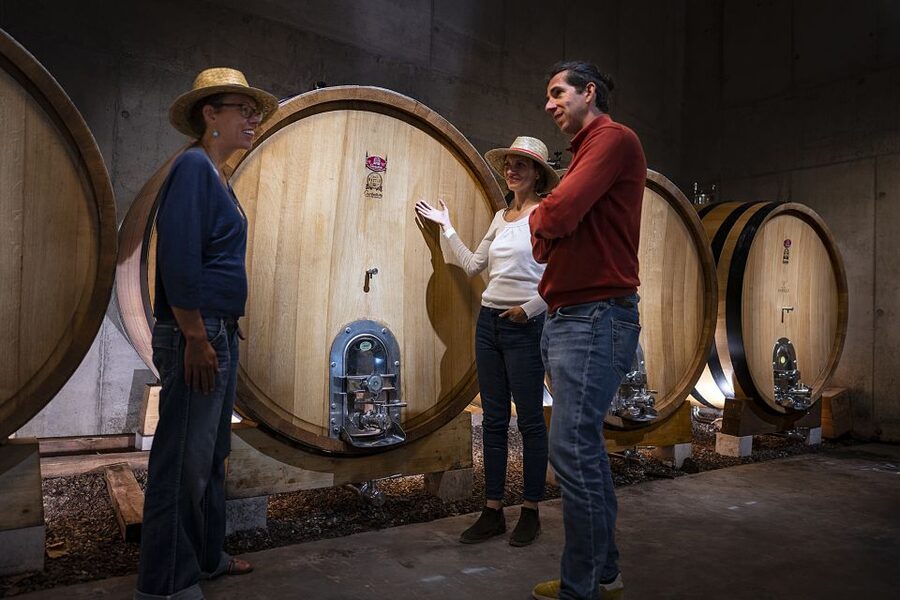
The published experience describes five or six wines at each location in one detailed account, with red, white, and rosé styles represented. That can mean roughly ten or more samples over the afternoon, depending on the day’s selection and pouring sizes.
This is a generous amount for a 3.5-hour tour. If you are new to wine, you may appreciate the range but feel that the second tasting becomes a lot to take in. Eat beforehand, pace yourself, and use the opportunity to compare rather than treating every pour as a full glass.
If you are interested in buying, you may have the chance to purchase bottles at the estates. One participant bought two dozen bottles for a holiday in the area. That does not mean you must buy anything, but it shows that the tastings can introduce you to wines you will want to drink later.
The tour is also suitable for a mixed group where one person is more interested in architecture or gardens than wine. The two estates provide enough visual and historical material to keep the outing from feeling like a long bar crawl in a van.
Guides make the difference
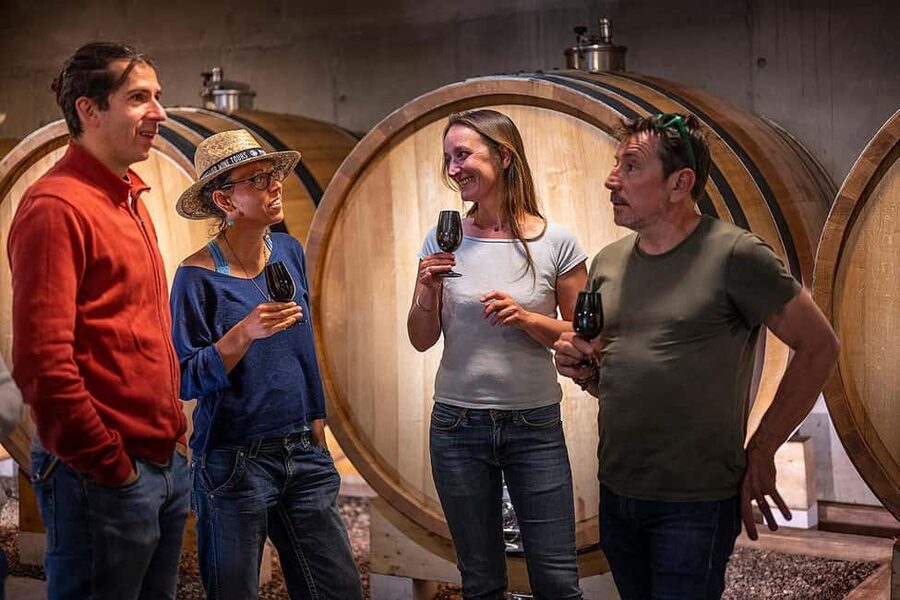
The strongest part of this experience is likely to be the guide. Wine tasting can become dull when explanations turn into a list of grape names and production terms. The best guides turn each glass into a reason to understand the soil, the vineyard, the cellar, and the people behind the bottle.
Past guides have included Leti, David, Marc, Gabriel, and others. Leti was praised for generous explanations and for making the afternoon feel unhurried. David was described as passionate about wine and the region. Marc brought experience as a sommelier and vineyard owner, while Gabriel was praised for answering questions in a personable, relatable way.
That range of feedback points to a tour where questions are welcome. You do not need to arrive with a wine vocabulary. Ask what makes a local rosé different from a white, how a red is made, or why two estates can produce different results in the same broad region.
Keep in mind that the tour may be bilingual in English and French. That can add time to explanations, but it also makes the outing workable for mixed-language groups. English and French are the stated tour languages.
Is $93 a fair price?
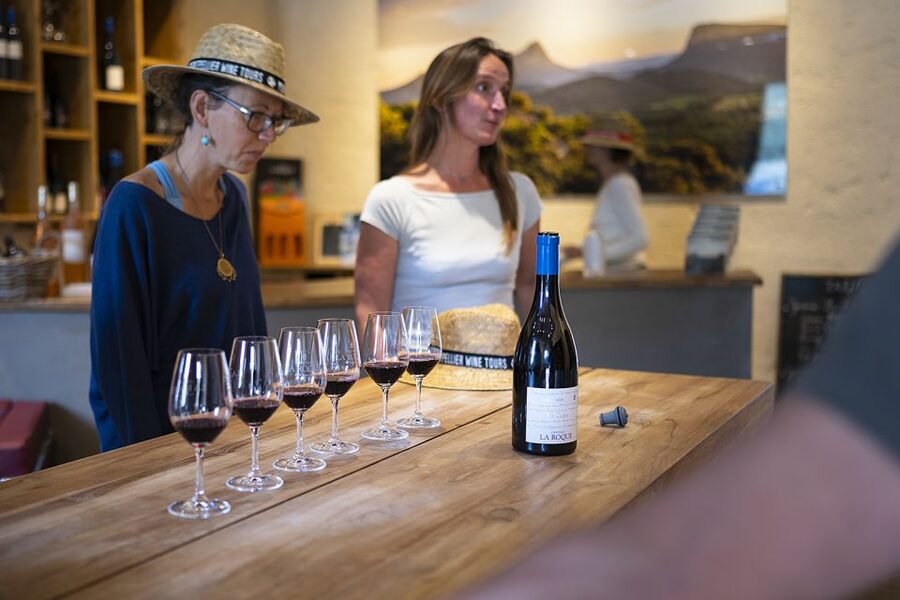
At $93 per person, the price is reasonable if you value the complete package. You are paying for transport from central Montpellier, a guide, visits to two estates, and tastings at both locations. The small group matters too, since a van limited to eight people offers a more personal format than a large bus excursion.
The value is less obvious if your only goal is to taste a few local wines as cheaply as possible. A local wine bar or shop could cost less, but it would not provide the estate visits, the historic house, the countryside drive, or the guide’s regional explanations.
The 210-minute duration is well judged. You leave at 14:00 and return around 17:30, so the tour fits neatly into an afternoon. You still have time for dinner in Montpellier, though the final return time can naturally be affected by traffic or the pace of the visits.
Transport received a perfect score from 86 percent of published ratings, and the overall rating is 4.8 from 45 ratings. Those figures support the idea that the operation is generally dependable, but they do not erase the architectural criticism. Book it for the wine and sense of place first, grand château interiors second.
Who should book this afternoon?
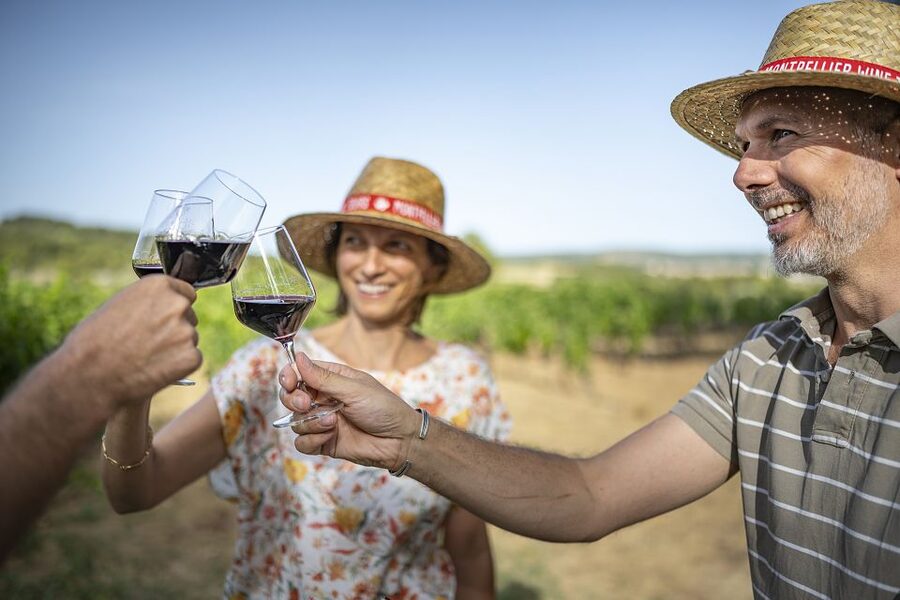
I would recommend it to you if you are staying in Montpellier and want to see nearby wine country without renting a car. It suits people who like guided tastings, historic properties, countryside scenery, and the chance to ask questions in a small group.
It is also a good choice for first-time visitors to Languedoc wine. The broad tastings let you try several styles, while the guide supplies the background that can be hard to get from a bottle label alone.
You may want to skip it if you are seeking elaborate palace interiors, a full-day vineyard expedition, or a highly specialized tasting focused on one grape. The tour is compact and varied rather than exhaustive.
Pets are not allowed. Cancellation is free up to 24 hours in advance, and you can reserve now and pay later, useful if your Montpellier plans are still shifting.
Should you book the Châteaux of Grès de Montpellier tour?
Book it if you want an efficient, social introduction to the wine estates around Montpellier. The mix of Château de Flaugergues and Château Puech Haut gives you historic architecture, vineyards, olive trees, gardens, painted barrels, and a substantial spread of wine in one afternoon.
I would make the booking with one clear expectation: these are working estates, not flawless movie-set palaces. For most people, the guide, the small van, and the chance to taste across reds, whites, and rosés will matter more than a little wear around the edges.
FAQ
Where does the tour begin?
It begins at 14:00 in the parking area of the Esplanade de l’Europe, in front of the Austra Rock. The itinerary also labels the starting point Ayers Rock Montpellier, so check the meeting instructions carefully.
How long does the experience last?
The experience lasts 210 minutes, or about three and a half hours. The planned return to Montpellier is around 17:30.
Which estates do you visit?
You visit Château de Flaugergues and Château Puech Haut. The route also includes the Saint-Drézéry area.
How many people are in the group?
The tour is limited to eight participants.
Which wines are included?
The tastings include whites, rosés, and reds. One detailed account describes tasting five or six wines at each château.
Is transport included?
Yes. Transport by van, a guide, and wine tasting are included. Hotel pickup and drop-off are not included.
Is the tour available in English?
Yes. The live guide languages are English and French. The tour may sometimes be bilingual, depending on the participants.
Can I cancel the booking?
You can cancel up to 24 hours in advance for a full refund. The reserve-now, pay-later option is also available.
Newly walked in France
- Château de Fieuzal, Pessac-Léognan: Visit and Tasting★ 5.0 · 18 reviews
- Full-day Saint-Emilion: Village, Undergrounds and Châteaux★ 4.5 · 55 reviews
- Saint Emilion Castle and Village Wine Tour★ 4.5 · 23 reviews
- Private Wine Lovers – Super St Emilion – behind the scenes visits top chateaux and medieval town★ 5.0 · 25 reviews
- Bordeaux Médoc Region Private Wine Lovers Tour with Chateau Visits & Tastings★ 5.0 · 40 reviews
- On the Medoc Castle Route on a full day private tour (Premium Sedan)★ 3.0 · 2 reviews
- Full Day Tour Saint Emilion with lunch two Chateaux and Village★ 5.0 · 49 reviews
- Bordeaux to Dordogne – Private Tour: Fortified Castles and Medieval Villages★ 4.5 · 4 reviews
France Castle Tours, compared.
Loire Valley Castles Day Trip from Paris with Complementary Wine
Read our review →
Loire Valley Castles Day Trip With Wine Tasting
Read our review →
Medoc or Saint Emilion Wine Tasting and Chateau from Bordeaux
Read our review →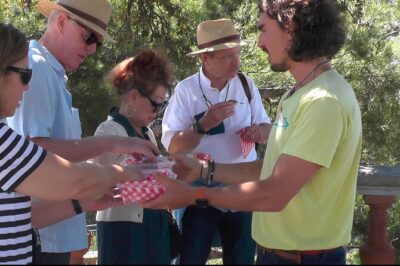
Browse the lists this tour appears in