
Review · BARCELONA
Tour of Barceloneta and the Citadel Park
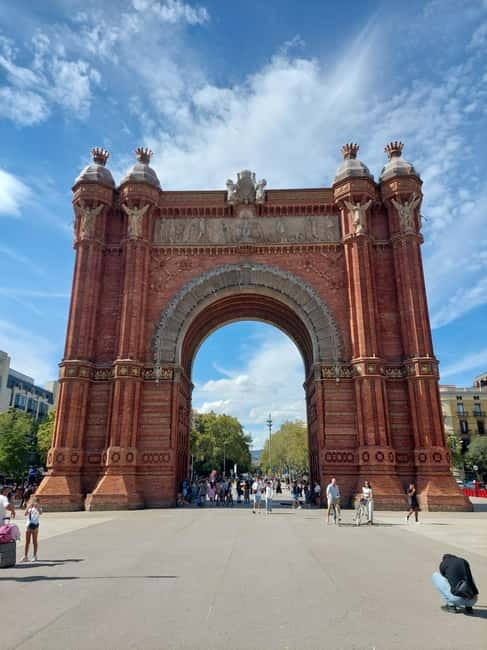
Barcelona’s Arc de Triomphe was built as the entrance to the 1888 Barcelona Expo, so this tour begins with a fine bit of city history right under your nose. From there, you walk through the Citadel Park, pass the Monumental Waterfall and Catalan Parliament, then finish beside Barceloneta beach.
I like the route for two clear reasons: it links major sights in a compact two-hour walk, and it shows how Barcelona moved from military and industrial uses toward parks, beaches, and public space. The main drawback is the modest 3.4 rating from nine bookings, including one serious report of no guide appearing and no warning. Confirm the meeting details before you set out.
Key points at a glance
- Arc de Triomphe: Begin at the former main entrance to the 1888 Barcelona Expo.
- Citadel Park: See greenhouses, the Monumental Waterfall, and the Parliament of Catalonia.
- França Station: Pass one of Barcelona’s oldest railway stations still in operation.
- Barceloneta: Learn how a maritime and industrial district became a major beach destination.
- Italian-language guiding: The live tour is conducted in Italian, with some content shown in its original language.
- Two-hour route: Walk from the Arc de Triomphe to the view of Barceloneta beach.
From Expo gateway to seaside city
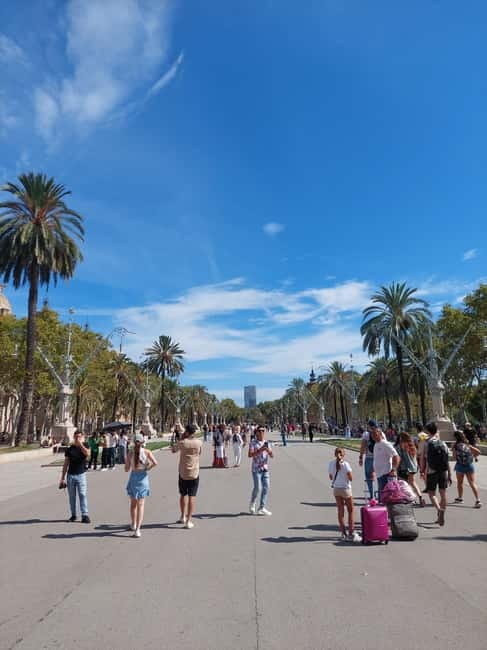
This is a smart route for seeing how several parts of Barcelona fit together. You begin inland at the Arc de Triomphe, move through a broad urban park, pass a major railway station, and end where the city meets the Mediterranean.
The journey covers more than postcard sights. It gives you a basic timeline of Barcelona’s public life: the international ambitions of the 1888 Expo, the former military role of the Citadel grounds, the importance of rail travel, and the working waterfront around Barceloneta.
The advertised price is only $1.19 per person, which makes the tour unusually inexpensive for a two-hour guided outing. At that price, the value is strong if the guide arrives and the explanations are useful. This is not a ticketed attraction package, and food, drinks, and a bath are not included. Think of it as a low-cost orientation walk, not a full-day sightseeing program.
The experience is led in Italian. If you understand Italian well, you can expect the spoken commentary to be central to the tour. If you do not, check the language carefully before booking, since the live guide is not listed in another language.
More Fortress and Citadel Tours in Barcelona:
- Carcassonne: Castle and Ramparts Entry Ticket
★ 4.6 · 2,884 reviews - Salzburg: Hohensalzburg Fortress Admission Ticket
★ 4.6 · 2,236 reviews - Salzburg: Best of Mozart Fortress Concert and Dinner
★ 4.5 · 1,424 reviews
Meeting at the Arc de Triomphe
The group meets in front of Barcelona’s Arc de Triomphe at the indicated time. This is a sensible starting point because the monument is easy to recognize and gives the guide an immediate way to explain Barcelona’s place in the late 19th century.
The arch was built for the 1888 Barcelona Expo, but it differs from many triumphal arches in one important way. It was designed as a civic entrance to an international exhibition rather than simply as a military victory monument. That distinction gives the opening talk a useful focus: Barcelona presenting itself as a modern, outward-looking city.
You will want to arrive early enough to identify the meeting point without rushing. One booking reported that nobody appeared at the appointment, with no warning and an unreachable telephone number. That is only one poor experience among the available feedback, but it is serious enough to justify checking your confirmation, keeping your phone charged, and taking a screenshot of the meeting details.
Walking through Citadel Park
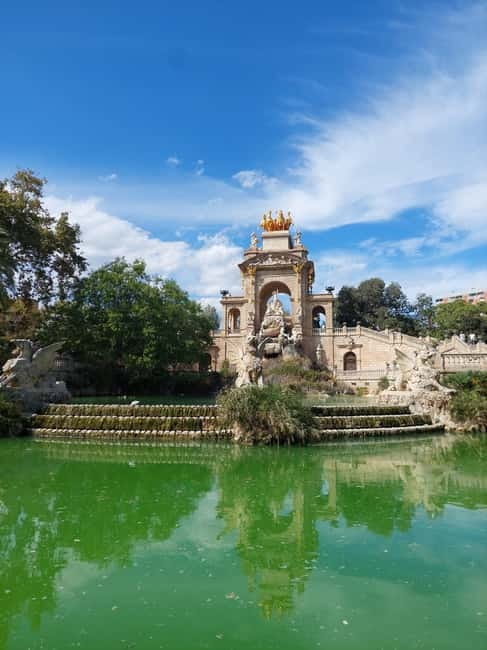
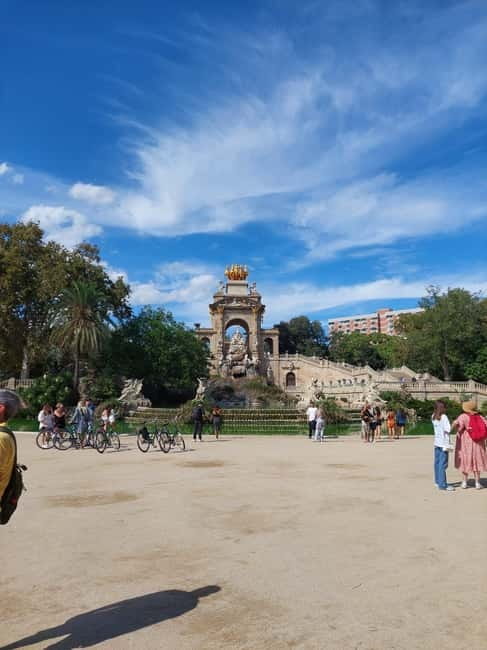
From the arch, the route enters Citadel Park, Barcelona’s largest urban park. The change is quick: busy city streets give way to lawns, paths, and large planted areas.
The park is especially useful on a guided walk because its meaning is not obvious from the greenery alone. The tour connects the grounds with Barcelona’s political and military past, helping you see the park as more than a pleasant place for a stroll.
The first stop includes greenhouses filled with exotic and tropical plants. These add a change of mood to the route and help explain the park’s public garden character. Since the tour lasts only two hours, the visit is a look at the area rather than a long botanical session. You should not expect extended time at every feature.
The pace matters here. You are moving between several districts and sights, so wear comfortable shoes and keep your schedule open after the tour. The route is listed as wheelchair accessible, which is useful information for anyone who needs step-free access. Still, a participant who needs detailed route information should confirm current conditions before arrival, since the supplied details do not explain every surface or entrance.
The Monumental Waterfall and Catalan Parliament
The Monumental Waterfall is one of the park’s most decorative landmarks. Architect Josep Fontserè designed it, and the guide uses the monument to add another layer to the Expo-era story.
This stop should appeal to you if you like architecture with a public setting. The waterfall is not simply a fountain to photograph. It helps show how Barcelona created grand civic spaces for display, leisure, and public pride.
The route then pauses at the Parliament of Catalonia. Here, the focus shifts from garden design to political, military, and historical importance. That change gives the walk a useful rhythm. You are not hearing the same kind of story at every stop.
The Parliament is located within the former Citadel area, so this part of the walk can help you connect the city’s past uses with its present civic role. The information supplied does not promise an interior visit, so plan to see and discuss the building from the route rather than tour inside.
One guide received especially strong praise for being well prepared and helpful. No guide name is provided, so you cannot request that particular person by name. Still, that feedback suggests the quality can depend heavily on who leads the outing.
More Castle Tours in Barcelona:
- Barcelona: Walking tour with Montjuic Castle & Cable Car
★ 4.7 · 832 reviews - Barcelona: Old Town, Montjuic Castle, Cable Car Small Group Tour
★ 4.5 · 445 reviews - Barcelona Cable Car Sky Views, Magic Fountain & Castle Visit
★ 4.2 · 177 reviews - Barcelona Best Views: Old Town, Cable Car and Montjuic Castle
★ 4.5 · 159 reviews
França Station and Barcelona’s rail story
After leaving the park, you continue to França Station, one of Barcelona’s oldest train stations still in operation. This is a worthwhile stop because it adds movement and transport to a tour otherwise centered on monuments and public spaces.
Rail stations can tell you a lot about a city’s growth. Here, the station forms a link between Barcelona’s inland districts, its port, and the wider region. The tour does not list a train ride or station interior visit, so expect an exterior look and historical explanation rather than a railway activity.
This part of the route also gives you a practical sense of distance. The experience is not a collection of disconnected photo stops. You walk from the Arc de Triomf area through the park and onward to the coast. The two-hour duration keeps the outing manageable, but it also means the guide must maintain a steady pace.
Barceloneta’s fishermen’s homes
The final district is Barceloneta, where Barcelona’s streets meet the Mediterranean. The neighborhood’s old fishermen’s dwellings are among the most distinctive details on the walk. They point to a time when maritime work shaped everyday life here.
I like this section because it gives you a view of Barcelona that is less polished than the beach-front image alone. The district has changed greatly, but the older homes help preserve a connection to fishing, port work, and local residents.
The guide also explains the importance of maritime activity to the city. That context matters because Barcelona’s relationship with the sea is not just about swimming or sunbathing. The coast supported trade, transport, industry, and employment long before it became one of the city’s best-known leisure areas.
The tour ends with a view of Barceloneta beach. You are not promised bathing time, refreshments, or a beach service, so bring anything you need for the rest of your day. The endpoint is useful if you plan to continue exploring the waterfront independently.
How the 1992 Olympics changed the waterfront
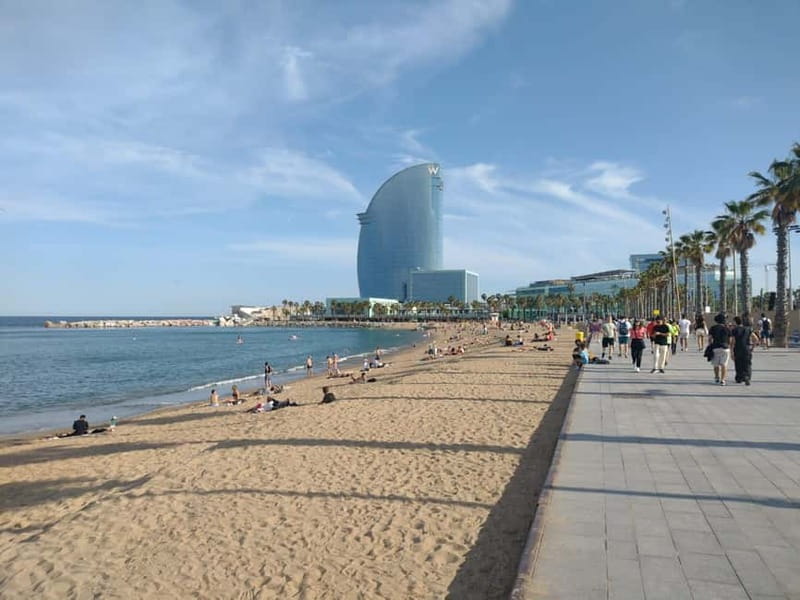
Barceloneta was once an industrial area. The tour explains how it changed over time, with the 1992 Olympic Games playing an important role in the transformation.
That context can help you read the beach area more clearly. The broad public-facing waterfront you see today is part of a major change in how Barcelona presented and used its coast. The result is popular with visitors, but the tour keeps the focus on the district’s earlier working identity as well as its newer leisure role.
The walk does not promise a detailed Olympic tour, and you should not expect a long discussion of every redevelopment project. Instead, this is a concise explanation of why the area feels so different from its older industrial past.
The contrast between the Citadel Park and Barceloneta is one of the route’s best features. The park represents civic gardens and political space. Barceloneta brings you to the water, where work, housing, industry, and recreation have all shaped the district.
What the $1.19 price really offers
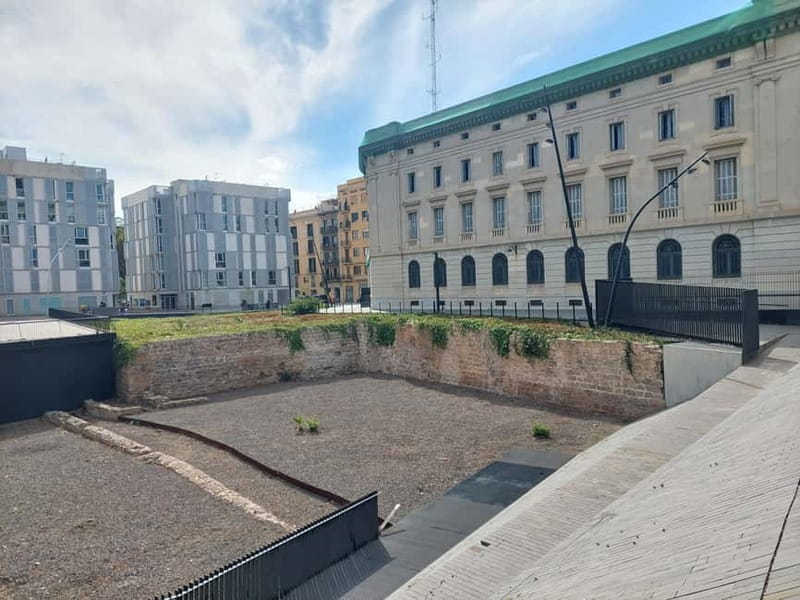
At $1.19, this experience is priced more like a budget introduction than a premium guided tour. If you want a quick walk with historical context, the cost is hard to criticize. You cover several important sights without paying separate entrance fees.
The value depends on your expectations. You are paying for a two-hour Italian guided walk, not museum admission, food, drinks, transportation, or a private tour. The guide’s presentation also matters a great deal, and the available feedback is mixed. One Italian-language booking gave the guide top marks for preparation and willingness to help. Another booking reported a complete no-show.
I would treat the low price as a reason to try the tour, not a reason to ignore basic planning. Check the start time and meeting point close to the day of the tour. If this is your only planned activity that morning, a no-show could waste valuable Barcelona time, so keep a backup plan nearby.
The free-cancellation policy allows cancellation up to 24 hours in advance for a full refund. You can also reserve and pay later, which helps if your schedule is still changing.
Who will get the most from this walk
This tour suits you best if you want a short introduction to the eastern side of central Barcelona and you understand Italian. It works well early in a city stay, when you want a framework for later visits to the park, station, or beach.
It also suits visitors who prefer a mix of places rather than a single museum. You get architecture, gardens, politics, rail travel, local housing, maritime history, and the beach in one compact route.
Families and older visitors may appreciate the two-hour length and stated wheelchair accessibility. Still, the route includes movement between several areas, so anyone with mobility concerns should confirm current access details before booking.
You may want a different experience if you are looking for a beach afternoon, a food tour, a detailed Olympic history, or a private guide. Those are not part of the stated program. The same is true if you need English, Spanish, or another spoken language, since the live guide is listed as Italian.
My booking advice
I would book this tour for its route and price, with one condition: confirm the operation shortly before you go. The Arc de Triomphe, Citadel Park, França Station, and Barceloneta make a logical two-hour sequence, and the route offers more context than a simple beach walk.
The strongest reason to book is the variety packed into a short outing. The biggest reason to hesitate is reliability, based on one report of a missing guide and failed contact. If you can handle that small risk and have a backup plan, this is a practical, inexpensive introduction to Barcelona’s park, rail, and waterfront districts.
FAQ
Where does the tour begin?
The tour begins in front of Barcelona’s Arc de Triomphe at the indicated meeting time.
How long does the tour last?
The tour lasts two hours.
What language is the live tour in?
The live tour guide speaks Italian. Some content is shown in its original language.
Which places are included in the route?
The route includes the Arc de Triomphe, Citadel Park, the greenhouses, the Monumental Waterfall, the Parliament of Catalonia, França Station, and the Barceloneta district. It ends with a view of Barceloneta beach.
Is the tour wheelchair accessible?
Yes. The activity is listed as wheelchair accessible.
Are food and drinks included?
No. Food and drinks are not included.
Can I cancel the booking for a refund?
Yes. You can cancel up to 24 hours in advance for a full refund. You can also reserve now and pay later.
Newly walked in Barcelona
- Montjuic Castle Admission Ticket in Barcelona★ 3.5 · 59 reviews
- 2hr Montjuïc Castle Segway Tour★ 5.0 · 5 reviews
- Barcelona Best Views: Old Town and Montjuic Castle Private Tour★ 5.0 · 24 reviews
- Barcelona City Walk with Montjuïc Castle & Cable Car Guided Tour★ 4.0 · 15 reviews
- Medieval Castles and Girona Exclusive trip with Catalan Lunch★ 5.0 · 3 reviews
- Castle of Montjuic- 3H Segway Tour★ 5.0 · 3 reviews
- Skip-the-line Montjuïc Castle Tour with a Cable Car Ride★ 4.7 · 7 reviews
- Barcelona: Private Tour Castles, Salt, Montserrat and Wines★ 5.0 · 3 reviews
Fortress & Citadel Tours, compared.

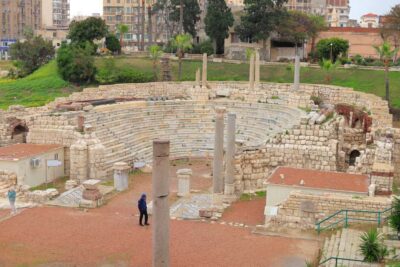
From Cairo Alexandria Catacombs, Citadel Day Trip with Lunch
Read our review →
Charleston historical walking tour with a Professor of History at The Citadel
Read our review →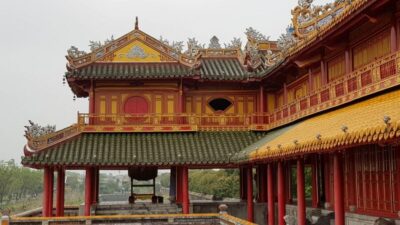
Hue Customizable Tour with Imperial Citadel & Forbidden City
Read our review →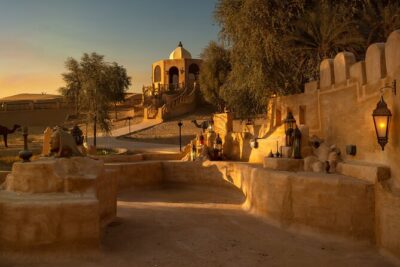
Desert Safari: Luxury Fortress Dinner, Camel Ride & Dune Bashing
Read our review →
Egyptian Museum, Citadel, and Old Cairo Guided Tour
Read our review →Browse the lists this tour appears in