
Review · MILAN
Guided Tour: Discover Sforza Castle and Michelangelo’s Art
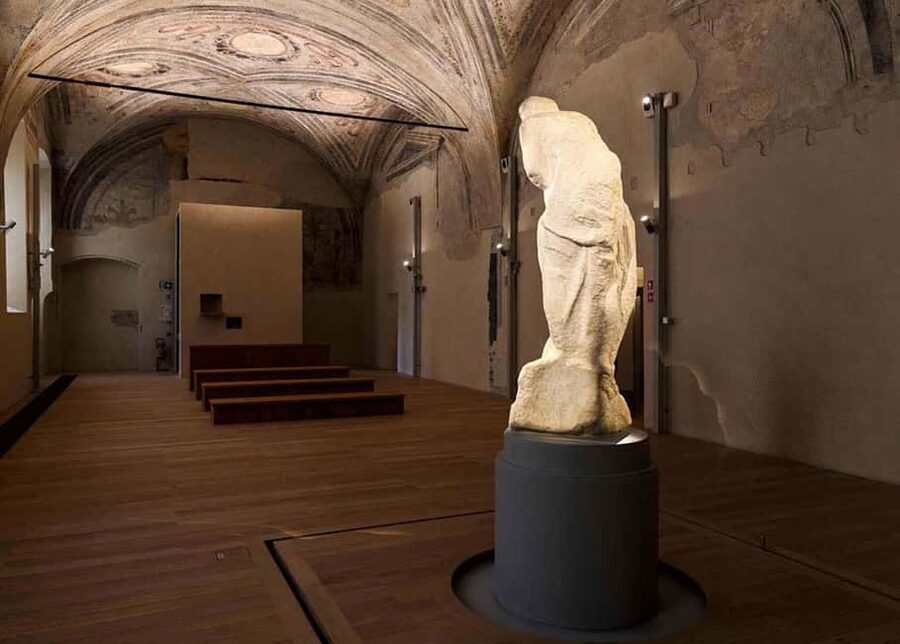
Michelangelo’s final sculpture, the Pietà Rondanini, is the heart of this short Milan tour. Unlike the polished Pietà in St. Peter’s, this late work feels spare, unfinished, and intensely personal. You’ll see it inside Sforza Castle, where the setting adds a strong sense of place to the art.
I like two things here: the tour connects Michelangelo and Leonardo without pretending they were the same kind of genius, and the 90-minute length fits neatly into a busy day in Milan. The guide-led format also helps you make sense of a large castle and its many rooms without wandering past the important pieces.
The main drawback is the price. At $106 per person, this is not a cheap castle visit, especially since it lasts only an hour and a half. You are paying for the specialist explanation, museum entry, and help with the visit, not for a full-day experience.
Key points at a glance
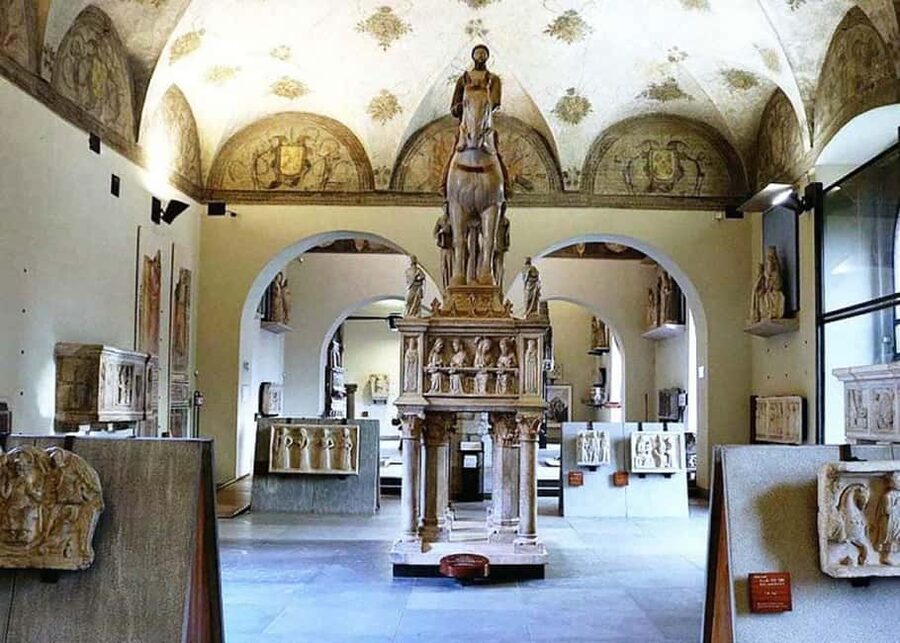
- Michelangelo’s final work: See the Pietà Rondanini, made during the artist’s last years and left unfinished.
- Sforza Castle setting: Enter the former stronghold of Milan’s ruling Sforza family and visit its courtyards and museum interiors.
- Leonardo in Milan: Hear about Leonardo’s work for Ludovico Sforza, including engineering, architecture, and the nearby Last Supper.
- Short, focused format: The 90-minute tour works well before or after the Duomo, which is only a short walk away.
- English-speaking guides: Guides named in recent bookings include Maria, Paula, and Lorella, with strong praise for clear explanations and local history.
- Practical limits: Large bags must go in lockers, and the tour is not private. Check the accessibility wording carefully before booking.
Why the Pietà Rondanini deserves your attention
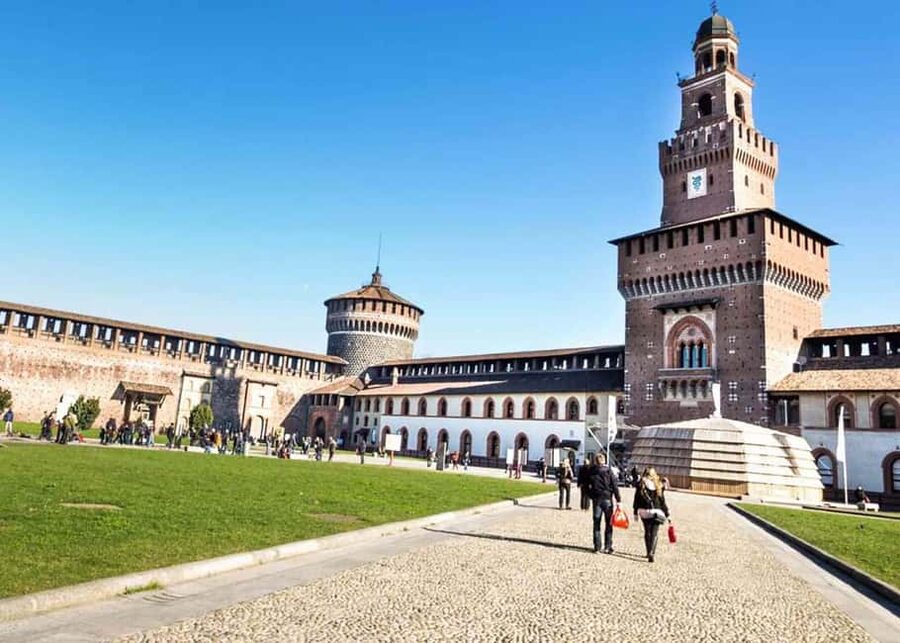
Many people arrive at Sforza Castle expecting defensive walls, grand courtyards, and perhaps a quick look at old rooms. The real reason to go inside, though, is Michelangelo’s Pietà Rondanini.
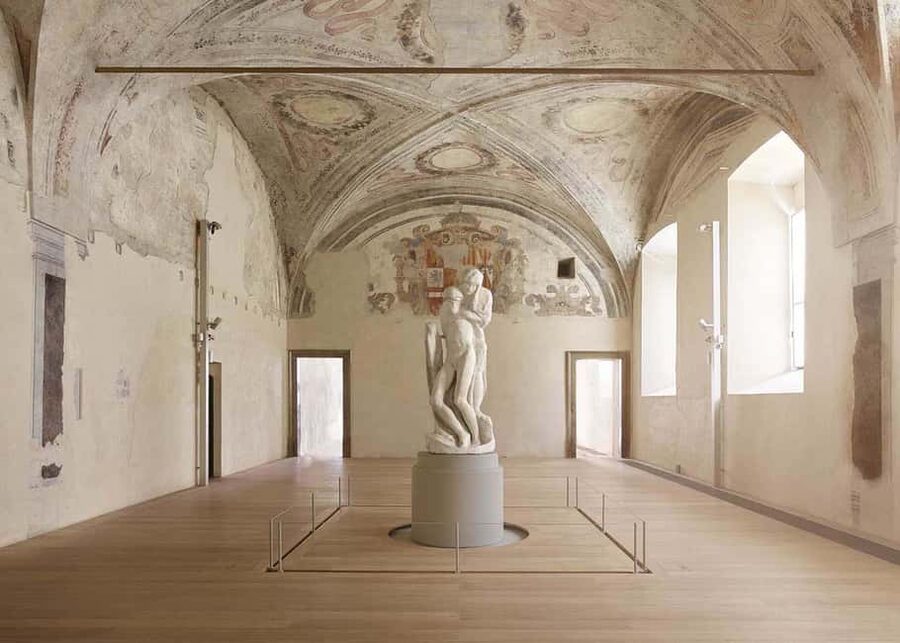
Michelangelo worked on the sculpture late in life, at about 89 years old. It shows Mary holding the body of Christ, but this is not the smooth, idealized figure you may expect from his earlier masterpieces. The forms are thin and searching. The surface still shows the act of carving. Christ and Mary seem to press into one another rather than pose as finished figures.
That unfinished quality is not a flaw to apologize for. It is the point of the experience. You can see the artist changing his approach, stripping away physical detail, and focusing more on spiritual feeling. Your guide explains how the sculpture reflects Michelangelo’s thoughts about age, faith, suffering, and death.
I find this kind of viewing especially useful with a guide. Without context, you might simply decide that the work looks incomplete. With a good explanation, you begin to see the roughness as part of its meaning. The sculpture asks you to look slowly, even though the overall tour moves at a brisk pace.
The work is also valuable because it shows a different Michelangelo from the one presented through the Sistine Chapel or the famous Roman Pietà. Those works are controlled and finished. The Pietà Rondanini feels private and unresolved. That contrast is one of the strongest reasons to choose this tour.
More Guided Castle Tours in Italy
- Milan: The Last Supper & Sforza Castle Guided Tour
★ 4.6 · 610 reviews - Milan: Last Supper and Sforza Castle Guided Tour
★ 4.6 · 498 reviews - Milan: The Last Supper & Sforza Castle Guided Tour
★ 4.5 · 128 reviews
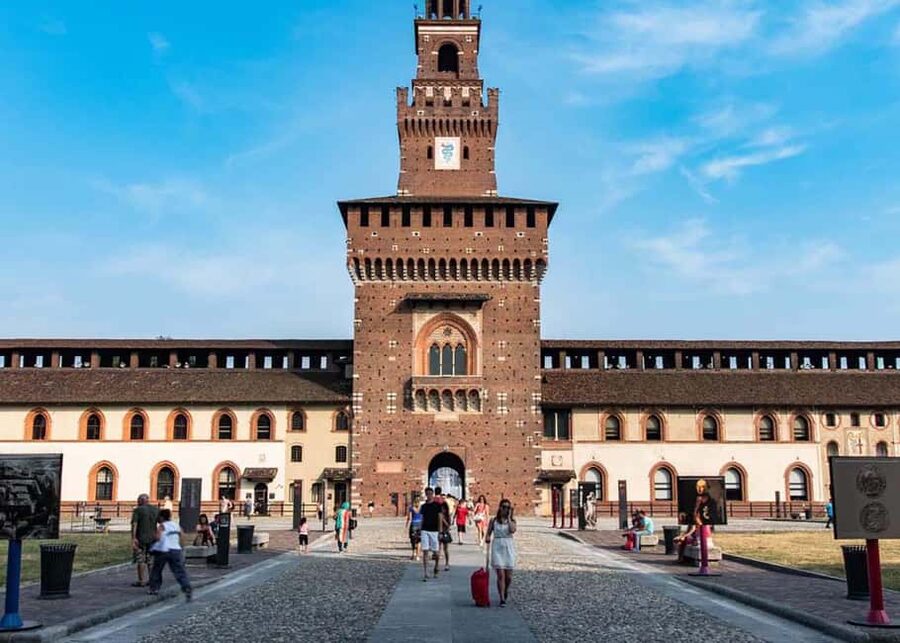
Entering Sforza Castle through the Torre Filarete
The meeting point is under the Clock Tower, or Torre Filarete, at Piazza Castello. Look for your guide there rather than waiting somewhere deep inside the grounds.
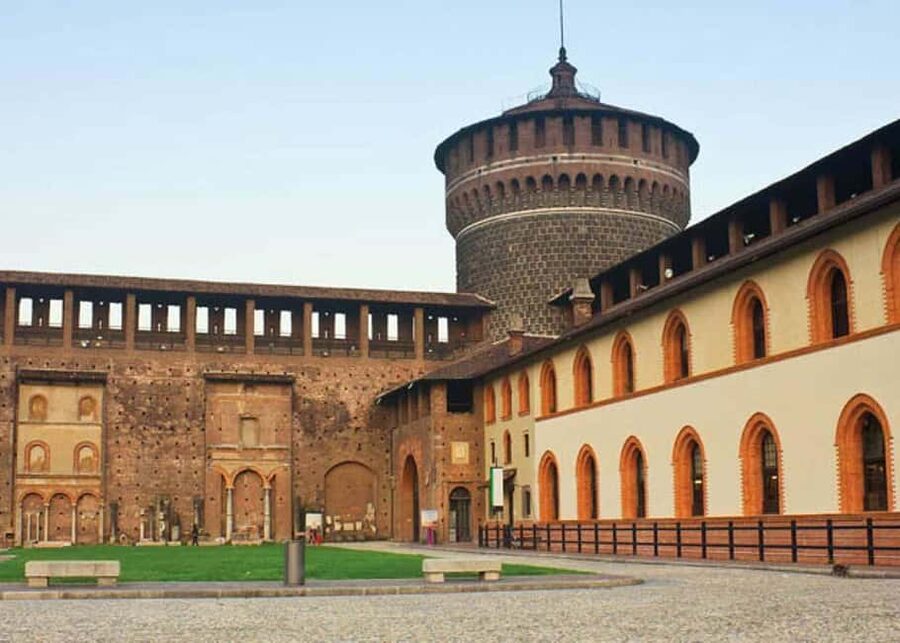
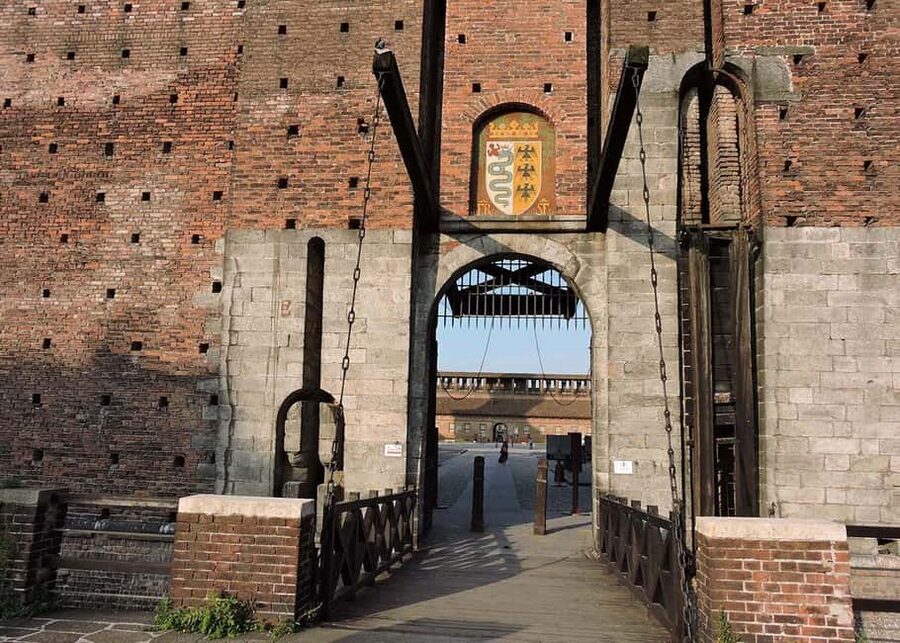
The approach gives you a good first look at the building’s military character. Heavy walls and towers remind you that this was not built simply as a palace for displaying art. The Sforza family used it as a fortress and residence while ruling Milan during the Renaissance.
Once inside, the tour moves through the castle and museum areas. You will see courtyards and interiors, with the guide explaining how the site changed as Milan’s ruling families gained power and influence. The castle is large enough that a first-time visitor could easily lose track of what matters. The guide provides a useful route and keeps the visit centered on the Renaissance story.
Do not expect every room or collection to receive equal attention. Ninety minutes is enough for a focused introduction, not a complete museum survey. If you enjoy spending ten minutes with every painting, you may find the pace quick. If you want the main artistic and political story before exploring Milan on your own, the timing works well.
Leonardo’s Milan, beyond the Last Supper
Leonardo da Vinci is included through his connection to the Sforza court. He worked in Milan under Ludovico Sforza, Duke of Milan, and his time here covered much more than painting.
Your guide discusses Leonardo’s engineering projects, architectural ideas, and place in the cultural life of the city. You also hear about his friendships, rivalries, and relationship with the powerful court that supported his work.
The famous Last Supper is part of this story, but it is not a stop on this tour. The fresco is housed at the nearby Convent of Santa Maria delle Grazie and requires its own visit and booking. That distinction matters. This experience gives you context for Leonardo’s Milan, but it does not replace seeing the Last Supper itself.
I like this connection because it prevents the tour from becoming only a Michelangelo visit. You get two different views of Renaissance creativity. Michelangelo is presented through a deeply personal sculpture made near the end of his life. Leonardo appears as an artist, engineer, designer, and court intellectual whose projects reached into many parts of Milanese life.
The guide also helps with chronology. One especially useful feature of the tour is the explanation of the different eras and working styles of Leonardo and Michelangelo. That comparison can be confusing when you see their names together in a short city break. A clear timeline makes the relationship between them easier to understand.
What the 90-minute route feels like
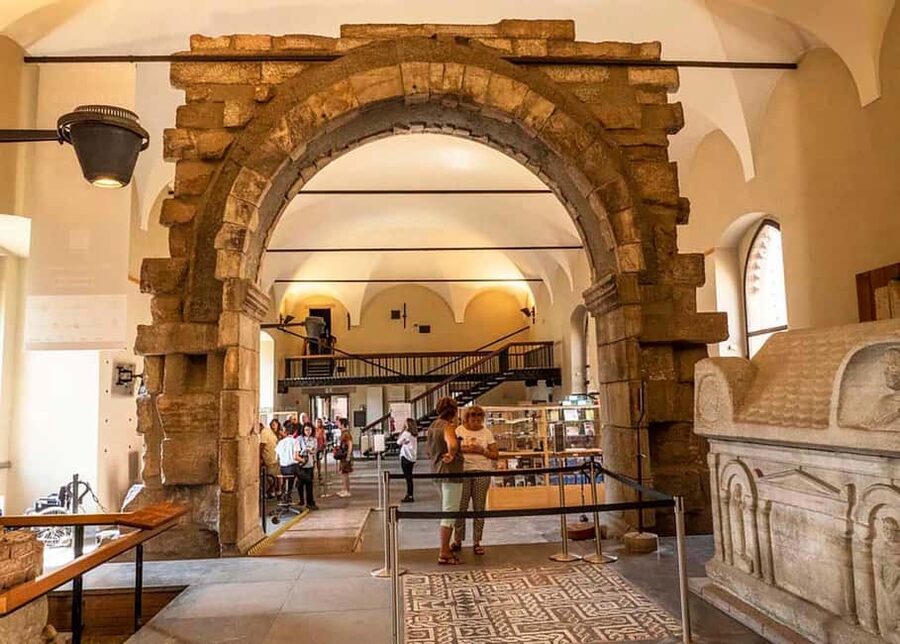
The advertised route begins and ends at Piazza Castello, so there is no complicated transport arrangement. You meet at the castle, tour the museum and interiors, and finish back at the same general area.
The duration is a real advantage if your Milan schedule is tight. You can place the tour between the Duomo and another central sight without giving up half a day. Sforza Castle is also close to the Duomo, making it practical to combine the two areas.
The short format does require attention. Arrive ready to listen, because the tour cannot pause for long stretches at every object. You will have time to see the important spaces and the Pietà Rondanini, but this is not the best choice if your ideal museum visit means lingering alone for hours.
The tour is not private. That means the pace and conversation are shared with a group, and questions need to fit into the guide’s schedule. The upside is that you have a certified guide leading the route rather than relying on a map or an audio track.
The English-language presentation is another important point. Recent guides named for this experience include Maria, Paula, and Lorella. Their roles are described in terms of clear historical explanation, friendly communication, and the ability to answer questions. The strongest praise focuses on guides who made Milan’s complicated history easy to follow rather than simply reciting dates.
More Guided Castle Tours in Milan:
- Milan: Duomo, Sforza Castle, and Pieta Guided Tour
★ 4.9 · 100 reviews - Branca Tower and Sforza Castle Guided Tour
★ 4.5 · 36 reviews - Sforza Castle & Michelangelo’s Pietà Rondanini Guided Tour
★ 4.7 · 3 reviews - Edinburgh Castle: Guided Walking Tour with Entry Ticket
★ 4.7 · 11,699 reviews
Is $106 a fair price?
At $106 per person, the tour sits in the expensive range for a 90-minute activity. Entry to the castle and museum is included, along with a certified guide and online support before the visit. There is no food, hotel transportation, or private format included.
The value depends on how much explanation you want. If you only want to enter Sforza Castle, a self-guided visit may cost less and give you more time. If Michelangelo’s final sculpture is a major reason for visiting, the guide adds useful context that is difficult to get from a quick look at the object.
The cost also covers convenience. You receive meeting assistance, and online support is available if you need help finding the guide. That matters in Milan, where a large square, several entrances, and a busy sightseeing schedule can make a simple meeting point less simple than expected.
I would consider this tour worthwhile for someone with limited time who wants art explained properly. I would hesitate if you are traveling on a strict budget, already have a strong background in Renaissance art, or prefer to explore museums at your own speed.
Meeting, bags, and timing advice
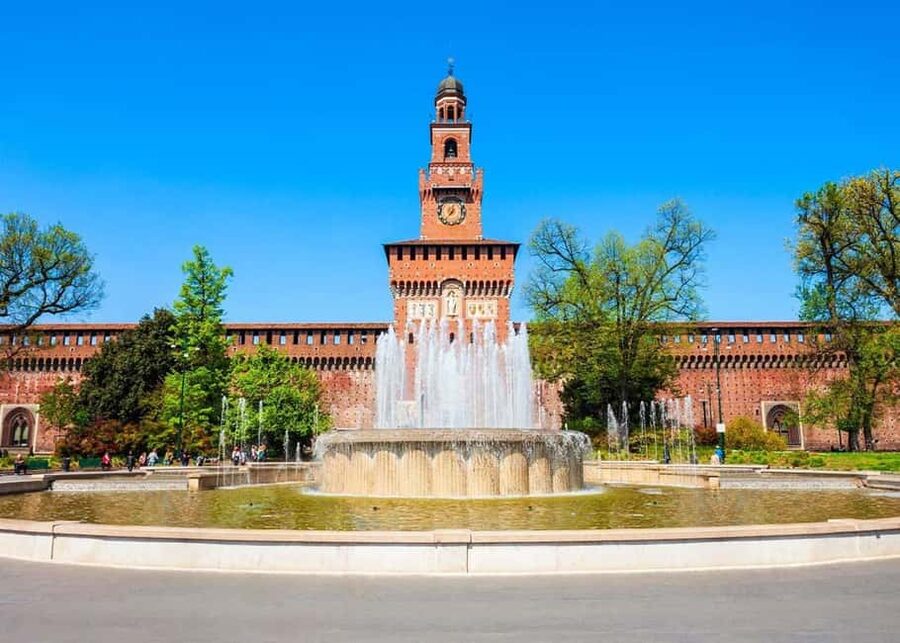
Meet under the Clock Tower at Torre Filarete in Piazza Castello. Bring a passport or other identification, as this is listed among the required items.
Large bags and backpacks must be left in the locker room. Pack light for this visit. A small day bag is more practical than a full backpack, particularly if you are fitting the castle between other Milan sights.
Time changes are possible. If your selected departure is unavailable, you may be moved to another time on the same day. A morning choice could become a later morning or afternoon departure. Same-day or overnight bookings can also be moved to the following day if no places remain.
For that reason, do not schedule a train, airport transfer, or timed museum immediately after the tour. Leave a cushion. Free cancellation is available up to 24 hours before the start time, and you can reserve now and pay later, which helps if your Milan plans are still shifting.
The information about mobility needs is inconsistent. The activity details say the tour is accessible to wheelchairs and strollers, but the same information also says it is not suitable for wheelchair users. Contact the provider before booking if you use a wheelchair, since the conflicting guidance is too important to ignore.
Who will get the most from this castle tour
This is a strong fit for you if you want:
- A short introduction to Milan’s Renaissance art
- A clear explanation of the Pietà Rondanini
- A guide who can connect the Sforza family, Leonardo, and Michelangelo
- A structured visit rather than an unplanned museum walk
- An English-language tour near the Duomo and central Milan
It is less suitable if you want a private experience, extensive free time, food included, or a full examination of every museum collection. It also does not include the Last Supper, so plan that separately if it is high on your list.
The tour works particularly well early in a Milan visit. It gives you historical bearings for the city, then leaves you near the center for more sightseeing. You can also schedule it after seeing the Duomo, using the castle to shift from Milan’s Gothic cathedral to its Renaissance court culture.
Should you book Discover Sforza Castle and Michelangelo’s Art?
Book it if the Pietà Rondanini matters to you and you want an expert explanation in a compact visit. The sculpture alone can justify the stop, while the Leonardo material adds useful context about why Milan became such an important Renaissance center.
At $106, I would not call it a bargain. You are paying for a guided interpretation and organized entry, not a long day of sightseeing. Still, guides such as Maria, Paula, and Lorella have been singled out for making the history clear, friendly, and easy to follow.
Choose this tour for focus and context. Skip it if you prefer a low-cost, self-directed castle visit or if you need a fully confirmed wheelchair-accessible route. For many first visits to Milan, it is a smart 90-minute way to meet the city’s Renaissance side without losing an entire afternoon.
FAQ
Where does the tour meet?
Meet your English-speaking guide under the Clock Tower, Torre Filarete, in Piazza Castello.
How long does the tour last?
The guided tour lasts 1.5 hours, or 90 minutes, and returns to the Piazza Castello area.
Is Michelangelo’s Pietà Rondanini included?
Yes. The tour includes entry to Sforza Castle and its museum, where you see Michelangelo’s Pietà Rondanini.
Does the tour include the Last Supper?
No. The guide discusses Leonardo da Vinci’s work and time in Milan, including the Last Supper, but the fresco at Santa Maria delle Grazie is not part of this tour.
Is the tour private?
No. This is a shared tour with a live English-speaking guide.
What should I bring, and what happens to large bags?
Bring a passport or identification card. Large bags and backpacks must be checked in the locker room.
Newly walked in Milan
- Milan: Skip-the-line Sforza Castle and Museums Private Tour★ 4.7 · 7 reviews
- Sforza Castle & Michelangelo’s Pietà Rondanini Guided Tour★ 4.7 · 3 reviews
- Milano: Highlights Private Tour, Duomo, Castle & Gelato★ 5.0 · 5 reviews
- Milan: Professional Photoshoot Outside Sforza Castle★ 3.9 · 12 reviews
- Milan: Sforza Castle & Leonardo Skip-the-Line Private Tour★ 4.7 · 26 reviews
- Milan Small Group: Duomo & Rooftop, Castle, Gelato Tasting★ 4.8 · 70 reviews
- Milan: Duomo, Sforza Castle, and Pieta Guided Tour★ 4.9 · 100 reviews
- Milan: Last Supper and Sforza Castle Tour★ 4.6 · 115 reviews
Guided Castle Tours, compared.

Edinburgh Castle: Guided Walking Tour with Entry Ticket
Read our review →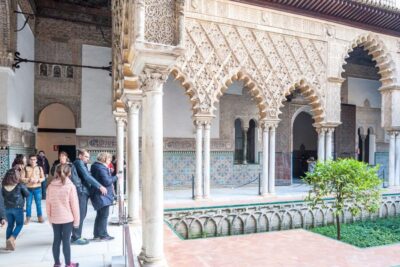
Cathedral, Giralda & Alcazar Entry With Guided Tour
Read our review →Edinburgh Castle: Guided Walking Tour with Entry Ticket
Read our review →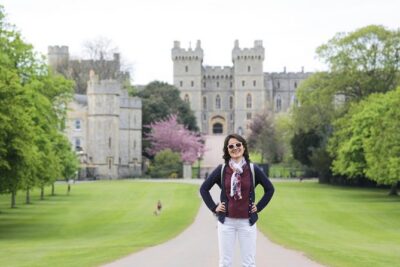
Stonehenge, Windsor Castle and Bath Full Day Guided Tour
Read our review →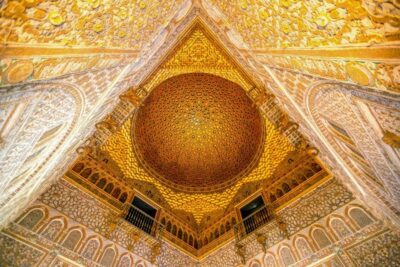
Alcázar of Seville Skip-the-Line Tickets and Guided Tour
Read our review →
Dublin Book of Kells, Castle and Molly Malone Statue Guided Tour
Read our review →
Quebec City: Guided Tour of Fairmont Le Château Frontenac
Read our review →Browse the lists this tour appears in