
Review · LOIRE VALLEY CHATEAUX
Amboise: Clos Lucé Castle, Da Vinci Park and Museum Ticket
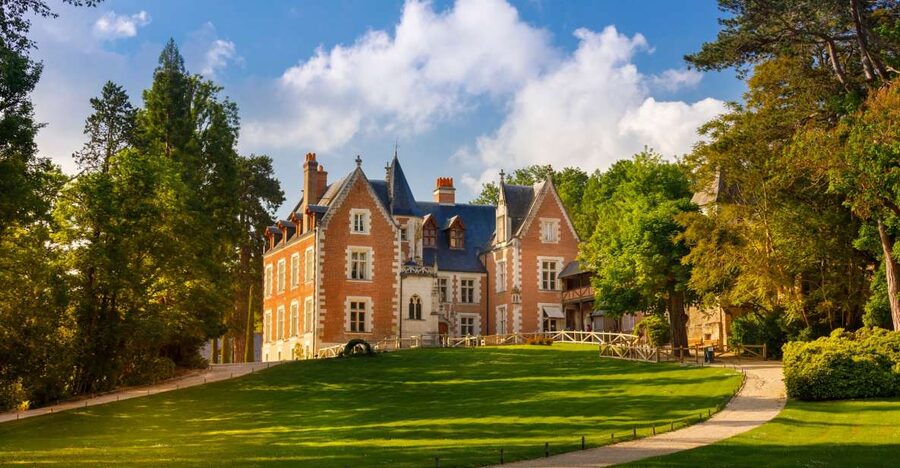
Leonardo da Vinci spent the final three years of his life at Château du Clos Lucé, working for King Francis I and refining ideas that reached far beyond painting. You can walk through his home, see recreated machines, and follow garden paths where his studies of flight, water, mechanics, and nature become hands-on displays.
I like the way the visit joins a real Renaissance house with a playful open-air museum. I also like the life-size and giant models, which make Leonardo’s sketches easier to understand than a glass case of drawings ever could. The main drawback is that the site can take half a day or more, and the $23 price may feel high if you only have time for a quick walk-through.
I love the peaceful gardens, especially in warm weather, and the indoor exhibitions give you welcome shade and air conditioning. Plan carefully, though: the castle closes one hour before the park in July and August, so arriving late can leave you with less time inside.
Key points to know before you go
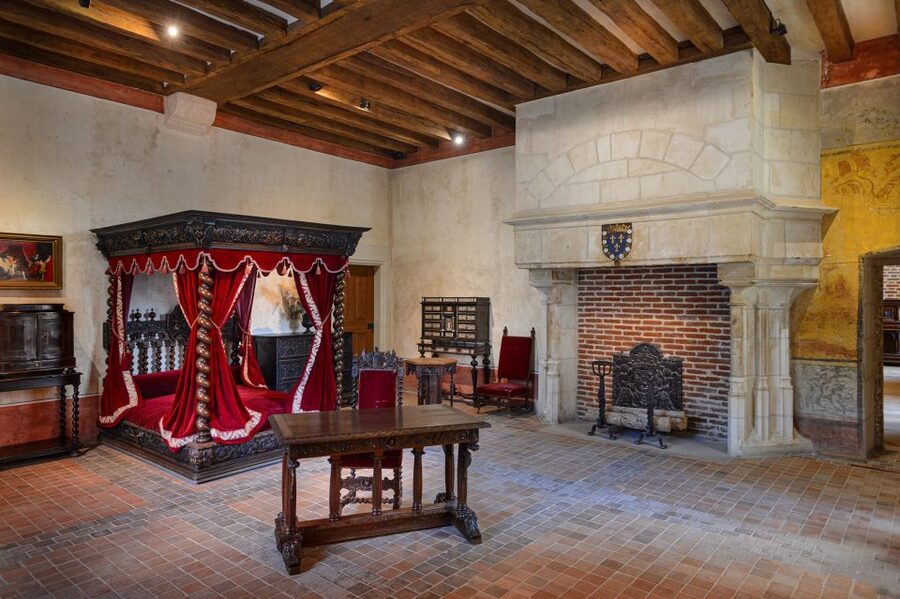
- Leonardo’s final home: Explore his apartments, Renaissance rooms, and restored workshops in the château where he lived from 1516 until his death in 1519.
- 40 invention models: See machines linked to military engineering, city planning, mechanics, flying machines, and hydraulics.
- Interactive park: Follow a trail with 20 giant machines, eight audio stations, and 40 translucent canvases.
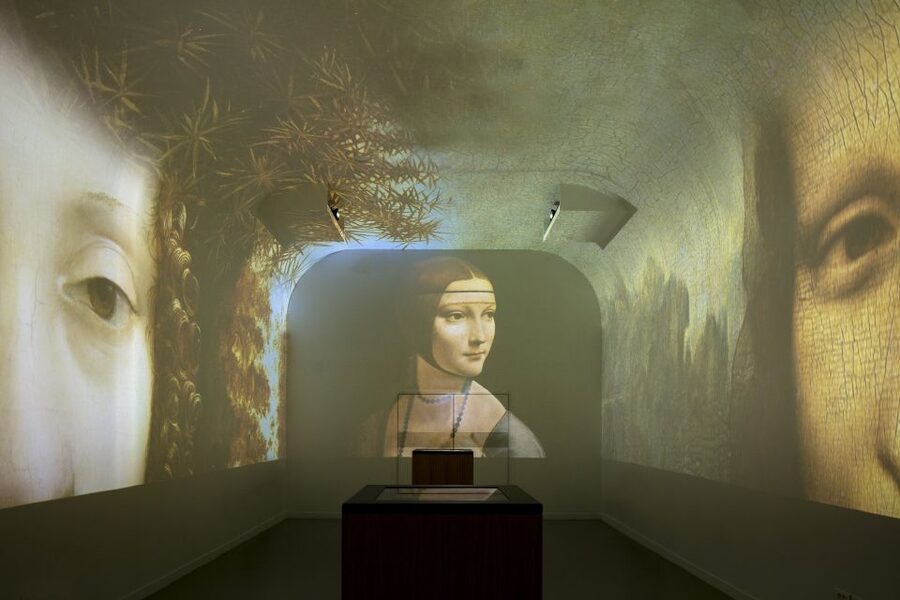
- Art and architecture displays: The newer museum space uses interactive presentation to show Leonardo’s work as a painter and architect.
- Best for a half-day visit: Two hours covers the main areas at a brisk pace, but good weather and an interest in science can easily stretch the visit much longer.
- Self-guided format: No guided tour is included, though an English booklet guide has been available for the visit.
Why Clos Lucé matters in Leonardo’s story
Amboise gives you a different view of Leonardo from the one found in a standard art museum. This is not simply a place to see reproductions of the Mona Lisa or admire a famous name. Clos Lucé focuses on the final chapter of his life, when Leonardo came to France at the invitation of King Francis I.
He arrived in the Loire Valley in 1516 and spent his last three years here. The château became his home, workshop, and place for developing large ideas for the king. Leonardo died on May 2, 1519, and the site gives that short French period the attention it deserves.
That context matters because it explains the mix of subjects you encounter. You are not walking through a house devoted only to painting. You are following the work of a person who studied anatomy, water, flight, machinery, military design, architecture, and the natural world.
The setting also helps. The château is more intimate than the grand royal residences nearby. Instead of huge ceremonial rooms, you get a sense of private rooms, working spaces, and a garden designed to show how Leonardo looked at nature as both a subject and a source of ideas.
More Loire Valley Chateaux in France:
- Loire Valley Castles Day Trip from Paris with Complementary Wine
★ 4.5 · 3,907 reviews - Chambord: Entry Ticket to the Castle
★ 4.6 · 1,841 reviews - From Paris: Loire Valley Castles Day Trip With Wine Tasting
★ 4.6 · 1,727 reviews
Entering Leonardo’s château and restored workshops
Begin inside the château, where you enter Leonardo’s private world. The apartments and Renaissance rooms are the core of the visit, giving you a feel for the domestic setting behind the legend.
The presentation is self-guided, so you can move at your own pace. That works well here. You may want to pause over a display about Leonardo’s final years, then spend more time in the workshops or move quickly through rooms that interest you less.
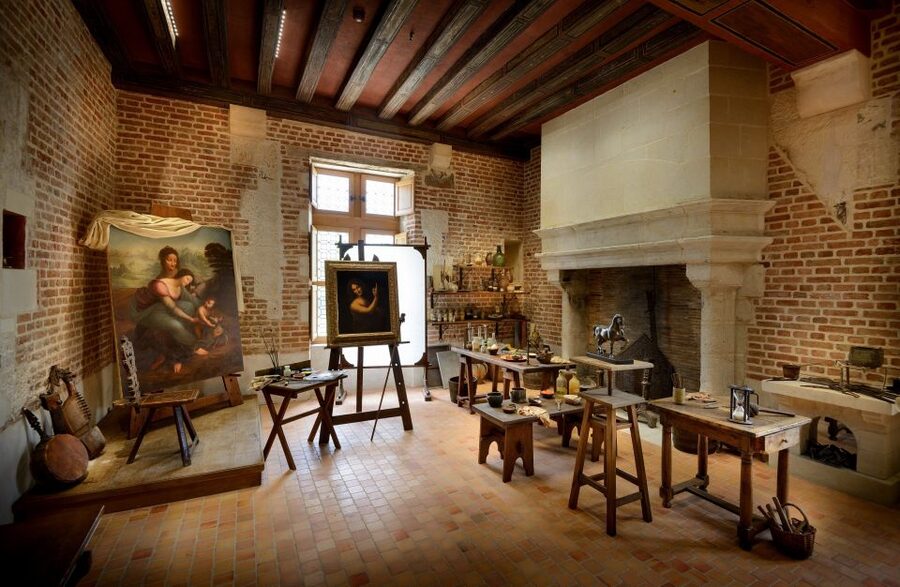
The restored workshops are especially useful for understanding Leonardo as a working artist and thinker. His ideas did not appear in isolation. They grew from close observation, repeated sketches, practical questions, and an eagerness to test how things worked.
You should allow enough time indoors before heading into the park. The building gives you the historical setting, while the outdoor machines later make the ideas more physical. Seeing both parts is important. If you only visit the gardens, you miss the story of Leonardo’s life in France. If you only see the château, you miss the most playful part of the presentation.
The indoor exhibits cover military engineering, urban planning, mechanics, flying machines, and hydraulics. That range is one of the site’s strengths. You quickly see why describing Leonardo only as a painter sells him short.
Making sense of the 40 invention models
The invention displays translate Leonardo’s drawings into three-dimensional objects. Some models are small, while others are life-size constructions placed around the grounds. Together, they show how his ideas might have worked rather than leaving you to interpret a sketch on a wall.
The subjects are broad. You might move from a machine linked to warfare to a design connected with water, then encounter an idea related to flight or mechanical movement. The point is not that every invention became a working modern device. The point is that Leonardo kept asking practical questions centuries ahead of his time.
One limitation is worth knowing. The models are primarily for viewing and understanding, not a hands-on museum where you freely operate every machine. Some displays are interactive, but the full collection is not designed as a workshop where you can manipulate each invention.
That may disappoint visitors expecting the machines to move in the same way as displays at some dedicated invention museums. Still, the size and placement of the reconstructions make the ideas much easier to grasp than they would be in a purely visual exhibition.
Take your time with the displays instead of rushing to photograph each one. Ask yourself what problem Leonardo was trying to solve, how the design uses natural forces, and what the machine says about his way of thinking. That turns the visit from a parade of unusual objects into a lesson in observation and design.
Following the interactive trail through Da Vinci Park
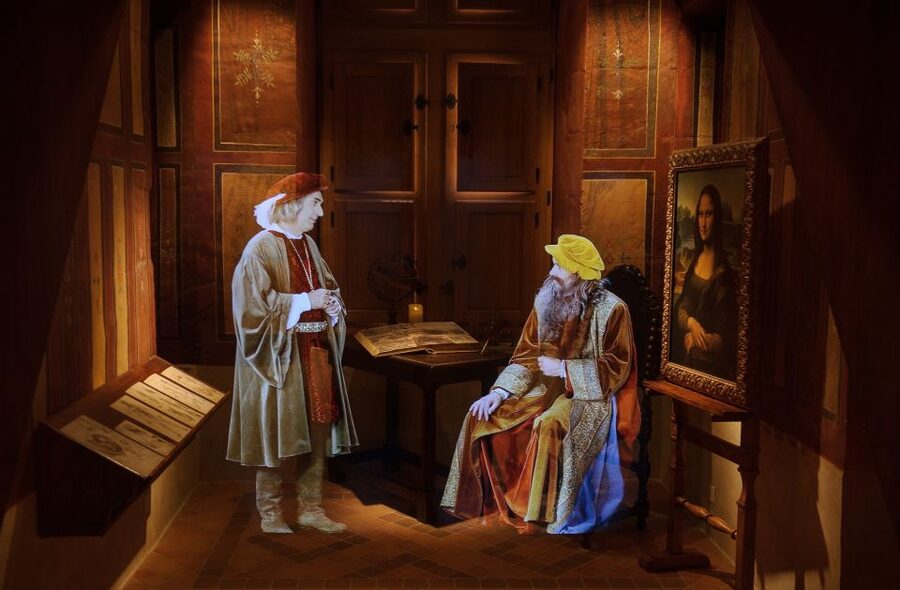
The park is the most relaxed part of the visit. It is an open-air museum, but it does not feel like a row of signs beside a path. The displays are spread through gardens, across bridges, and among shaded areas where you can pause.
The park includes 20 giant interactive machines, eight audio stations, and 40 translucent canvases. These elements connect Leonardo’s work to nature, showing how closely he studied water, air, movement, plants, and the human body.
The giant machines are particularly effective for families. Children can see scale and structure instead of trying to imagine them from a small drawing. Adults get a clearer sense of the engineering behind the designs, while everyone gets a pleasant walk through the grounds.
The gardens are also a reason to visit in their own right. They offer shade and quiet between indoor displays, which makes a difference on a warm summer day. A peacock has also been seen on the grounds, an unexpected bit of life in a place otherwise filled with reconstructed machines.
You can spend only an hour in the park, or make it the longest section of your visit. Several people have found that the gardens alone justify a slow stop, particularly when the weather is good. Bridges and paths provide attractive places for photographs, but do not let the camera turn the whole visit into a checklist.
There are not as many benches as some visitors would like. If you use walking sticks or tire easily, plan rests rather than assuming you will find a seat whenever you need one. The grounds are wheelchair accessible, but the site still requires attention to distance and pace.
More Castle Museums in France:
- Osaka Castle: Museum and Tower Entry Ticket
★ 4.5 · 2,380 reviews - Chapultepec Castle & Anthropology Museum Tour
★ 4.5 · 1,348 reviews - Cairo: Egyptian Museum, Citadel, and Old Cairo Guided Tour
★ 4.7 · 853 reviews - Mexico City: Chapultepec Castle and Anthropology Museum Tour
★ 4.5 · 637 reviews
The newer museum space for painting and architecture
A newer cultural and museum area adds an immersive and interactive show focused on two sides of Leonardo’s work: painting and architecture. This gives the visit a change of pace after the historic rooms and outdoor machines.
The presentation is designed to bring Leonardo’s artistic and architectural ideas together. That is useful because his work crossed boundaries long before museums divided art, science, and engineering into separate subjects.
The format may appeal to visitors who enjoy visual installations more than traditional labels. It can also provide a cooler indoor break during summer. The displays on the link between nature and technology are a strong part of this section, especially if you want to understand the relationship between observation and invention.
Keep in mind that the visit is not a formal guided lecture. You will need to read, watch, listen, and make your own connections. That freedom suits independent visitors, but anyone hoping for a historian to explain every room will need to adjust expectations.
Temporary exhibitions may cost extra. One exhibition about an animated film was praised as an excellent addition, but it was not part of the standard admission described here. Check what is included before you pay for any additional display.
How long to spend and how to plan the day
The ticket is valid for one day, which is helpful because Clos Lucé is not a quick photo stop. A brisk visit can take around two hours, but I would plan on at least half a day if you want to read the displays and enjoy the park.
With children, allow extra time for the interactive machines and outdoor paths. With a strong interest in science, art, or the history of technology, you may want most of the day. The grounds include places to pause, and there is a Renaissance-style restaurant on site, along with cafés and food concessions.
The castle and park are open all year except December 25 and January 1. In July and August, the castle closes at 8:00 PM, one hour before the park, so do the indoor rooms first if you arrive late.
The ticket costs about $23 per person. I consider that fair if you use the full site, especially since admission covers the château, park, exhibitions, and interactive installations. It feels less convincing if you only have an hour or if you are mainly interested in seeing a historic house.
The value also depends on your interests. Someone fascinated by engineering, science, or Leonardo’s working methods will find plenty to examine. Someone looking for a grand royal château may prefer one of the Loire Valley’s larger palaces.
Getting to Clos Lucé in Amboise
The meeting point is Château du Clos Lucé in Amboise. Paid private car parking is available on Rue du Clos Lucé, about 300 meters from the visitors’ entrance.
Finding the site by car is not always simple, so use a reliable navigation system and allow time to park. The walk up toward the château can feel steep, especially for anyone with limited mobility.
You can also reach the area from Amboise station. The walk from the station takes about 25 minutes in good weather, and the route can be a pleasant way to see more of town. Do not count on finding a taxi waiting at the station, since taxi availability may be limited.
The grounds are wheelchair accessible, but accessibility is not the same as having a seat or transport at every point. If you need regular rest stops, ask staff for help when you arrive. A staff member may be able to offer practical assistance, but a continuous shuttle service is not part of the stated arrangement.
Who will enjoy this visit most
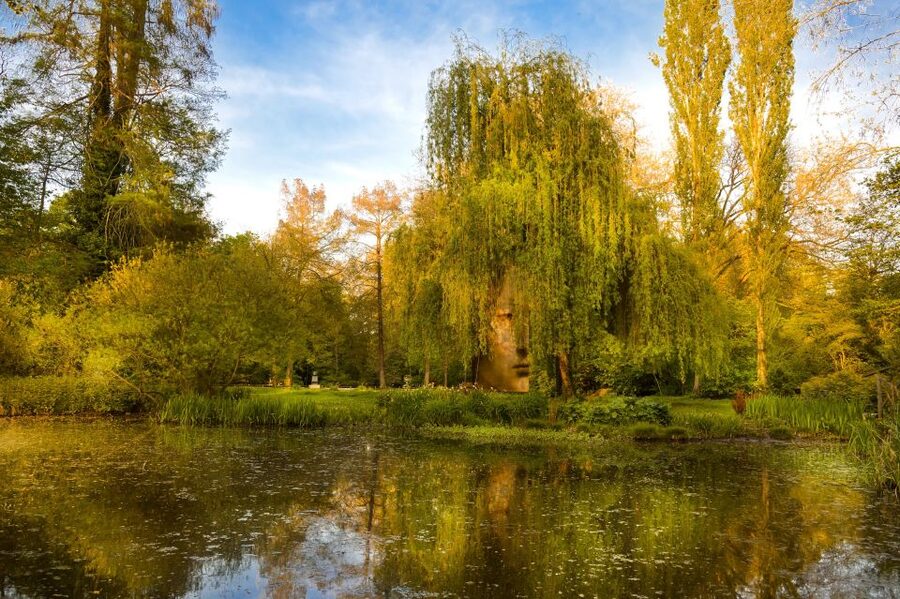
I would choose Clos Lucé for anyone who wants more than a standard art museum. It works especially well for:
- Families who enjoy machines, outdoor displays, and interactive learning
- Adults interested in science, invention, architecture, and Renaissance history
- Visitors already touring Amboise who want a substantial half-day activity
- Independent explorers who prefer to read and move at their own pace
- Art lovers who want to see Leonardo as a thinker and designer, not only as a painter
It may be less satisfying if you want a guided tour, a short visit, or a collection of original Leonardo paintings. The ticket includes access and exhibitions, but no guided tour. An English booklet guide has been available, which helps, but the visit still depends on your own attention.
The site also suits a mixed group. One person can focus on the château rooms, another can study the engineering displays, and children can spend time with the outdoor machines. Few attractions in the Loire Valley connect a historic home, art, technology, and gardens so directly.
Practical verdict: should you book Clos Lucé?
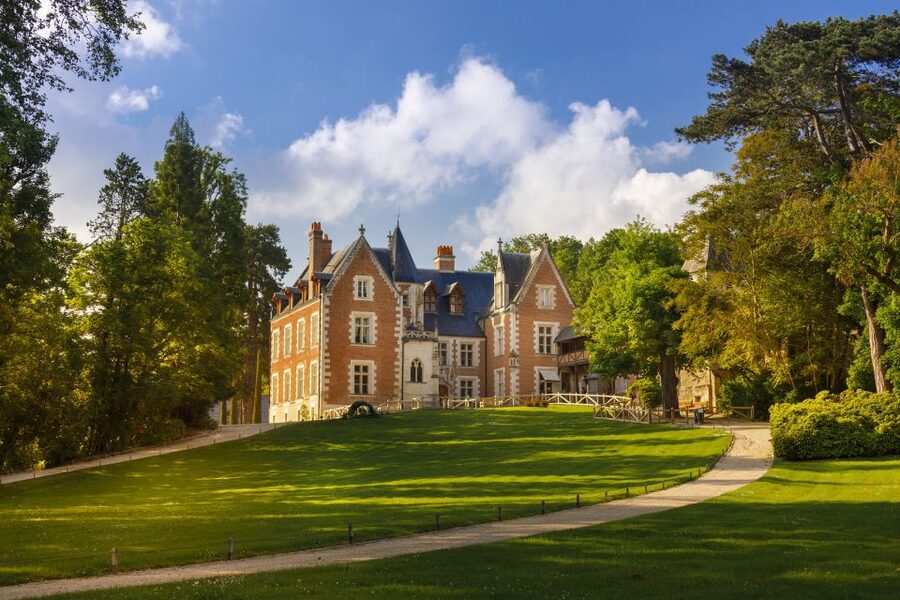
Book it if you have at least half a day in Amboise and want to understand Leonardo’s wider mind. The strongest reasons are the restored home, the 40 invention models, and the park, where his ideas become large, visible, and easier to grasp.
I would not book it as a rushed add-on between two other château visits. You will get much more from the $23 ticket if you allow time for the rooms, workshops, garden trail, and newer interactive museum area.
For families, science-minded visitors, and anyone curious about Leonardo’s final years in France, this is one of the most distinctive stops in the Loire Valley. Just wear comfortable shoes, arrive early enough for both indoor and outdoor areas, and remember that the gardens are not merely a pleasant extra. They are half the point.
FAQ
Where is Château du Clos Lucé?
Château du Clos Lucé is in Amboise in France’s Loire Valley.
What does the ticket include?
The ticket includes access to the Château du Clos Lucé, the park, exhibitions, and interactive installations.
Is a guided tour included?
No. A guided tour is not included. The visit is self-guided, and an English booklet guide has been available.
How long is the ticket valid?
The ticket is valid for one day on the booked date.
How many invention models can I see?
The site presents 40 models of Leonardo da Vinci’s inventions, with displays covering subjects such as mechanics, hydraulics, flying machines, military engineering, and urban planning.
Is the site open all year?
The château and park are open all year except December 25 and January 1.
Does the castle close before the park?
Yes. In July and August, the castle closes at 8:00 PM, one hour before the park.
Is Clos Lucé wheelchair accessible?
Yes, the site is wheelchair accessible. Paid private parking is available on Rue du Clos Lucé, about 300 meters from the entrance.
Newly walked in France
- Tours: Chateaux Azay-le-Rideau and Villandry Morning Tour★ 4.9 · 71 reviews
- Loire Valley Royal Castles Small Group Day Trip from Paris★ 4.6 · 9 reviews
- 2-day Private Top 6 Loire Valley Castles from Paris Mercedes★ 5.0 · 2 reviews
- 2-day Private D-Day Mont Saint-Michel 3 Castles by Mercedes★ 5.0 · 2 reviews
- Private tour: Chateaux de Vaux le Vicomte & Fontainebleau★ 5.0 · 8 reviews
- Chateau of Fontainebleau and Vaux le Vicomte 9-Hour Private Tour★ 5.0 · 14 reviews
- Private Day Trip to the Châteaux DE la Loire★ 4.5 · 13 reviews
- Château of Versailles and Marie Antoinette’s Petit Trianon Private Tour★ 4.0 · 126 reviews
Loire Valley Chateaux, compared.
Loire Valley Castles Day Trip from Paris with Complementary Wine
Read our review →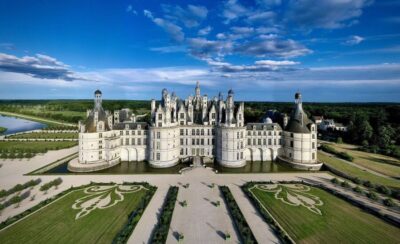
Loire Valley Castles Day Trip With Wine Tasting
Read our review →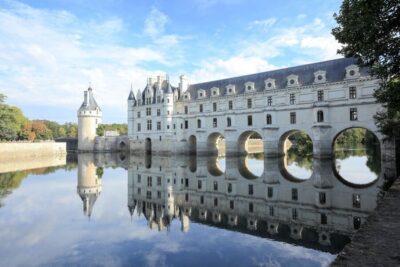

Loire Valley Castles Trip with Chenonceau and Chambord from Paris
Read our review →
Loire Valley: Château Royal d’Amboise Entrance Ticket
Read our review →
Loire Valley Day Tour Chambord and Chenonceau plus Lunch at a Private Castle
Read our review →Browse the lists this tour appears in