
Review · ACCRA
Cape Coast Castle, Assin Manso Slave River and Door of No Return
Cape Coast Castle and Assin Manso Slave River Park bring Ghana’s history into sharp focus. This is not a light sightseeing day. You’ll walk through a former slave-trading castle, visit the river where enslaved people were bathed before sale, and reach the Door of No Return, a place that carries painful meaning.
I like the private format, since your group can ask questions and set the pace with guides such as Ruby and Kwame Divine. I also like that the day joins Cape Coast with Assin Manso, instead of treating the castle as an isolated attraction. The main drawback is the long day from Accra, with an early 6:00 am start and substantial time on the road.
Key points to know before booking
- Cape Coast Castle gives the day its strongest historical focus: Expect about two hours inside a UNESCO World Heritage Site connected to the trans-Atlantic slave trade.
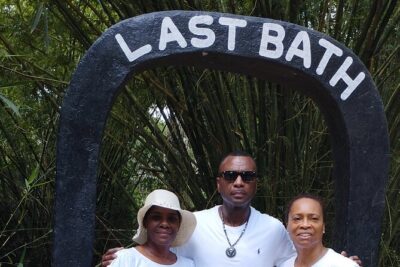
- Assin Manso adds a personal and ceremonial dimension: The Slave River Park brings you closer to the treatment of enslaved people before they were taken to the coast.
- Ruby and Kwame Divine guide the experience: Ruby is noted for her warm manner, while Kwame Divine handles difficult material with care and tact.
- The tour is private: Only your own group takes part, which makes conversation easier and allows room for questions.
- The full outing takes 8 to 10 hours: Travel from Accra and lunch at Hans Cottage Crocodile Botel are included in that time.
- The Door of No Return is emotionally demanding: This is best for people ready to give the subject attention, not for anyone seeking a casual coastal day trip.
Why this Cape Coast day matters
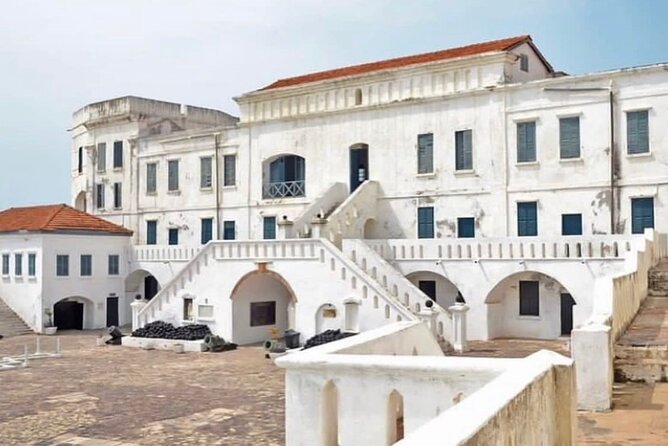
Ghana’s Central Region holds some of the clearest physical reminders of the trans-Atlantic slave trade. Cape Coast Castle was established by Swedish colonists and built in the 1650s. Its walls later became part of the European system for holding and transporting enslaved Africans.
The value of this tour is the order in which you encounter the sites. Assin Manso helps you understand what happened before people reached the coast. Cape Coast Castle then shows the final stage of confinement near the Atlantic. That sequence makes the subject easier to follow than a single castle visit.
You also get a broader look at Ghana. The tour includes an introduction to the Central Region and its Fante culture, along with contact with the fishing community on the central coast. The day is still mainly a heritage tour, but it is not limited to stone walls and dates.
I would treat the experience with respect. The subject includes forced movement, imprisonment, separation, and death. Your guide’s tone matters here, and the strongest part of this outing is the care shown in presenting painful facts without turning them into entertainment.
More Cape Coast and Elmina Castle Tours in Accra:
- Cape Coast ,Elmina Castle and Kakum Full-Day Tour
★ 5.0 · 62 reviews - Cape Coast and Elmina Castles Tour
★ 5.0 · 31 reviews - 10 Days Trip to Cape Coast and Elmina Castles from Accra
★ 5.0 · 31 reviews
The 6:00 am departure from Accra
The early start is practical rather than leisurely. Leaving Accra at 6:00 am gives you a full day for the Central Region, but you should expect the outing to last roughly 8 to 10 hours. Travel time is included, so the hours are not all spent walking through historic sites.
A private vehicle and pickup make the day simpler. You do not have to find your way to Cape Coast, coordinate several local rides, or keep up with a large shared group. Since only your party participates, you can use the drive to ask about Ghanaian history, the Fante people, and the places ahead.
The tradeoff is clear: this is a substantial day trip. If you are staying in Accra and want to see Cape Coast properly, the schedule makes sense. If you dislike early starts or long road journeys, the day may feel tiring before the main sites even begin.
Plan your clothing for a full day out. Comfortable shoes are sensible, since the castle visit and river park require walking. Service animals are allowed, and most people can take part. The tour is also near public transportation, though the included pickup is the more convenient choice for this itinerary.
Assin Manso Slave River Park comes first in the story
Assin Manso Slave River Park offers an important setting for understanding the slave trade in Ghana. The river is tied to the forced movement of enslaved people before they reached the coastal forts and castles.
The visit is scheduled for about two hours. That gives you time to hear the story, consider the site, and take part in the type of heritage experience that has made Assin Manso important to people tracing African ancestry or seeking a fuller account of the slave trade.
The emotional force here comes from the connection between a natural place and a human tragedy. A river can look peaceful, but the history attached to it is not. A thoughtful guide can help you keep both ideas in view.
The experience may include a ritual element. The account of the visit describes it as powerful and moving, so you should not expect a quick stop for photographs. You may find the atmosphere solemn, especially if you have a family or personal connection to the history of the African diaspora.
Guide Kwame Divine is especially important at this point. His delivery is described as powerful but tactful, which is exactly what this subject needs. Facts alone can feel cold, while excessive drama can feel disrespectful. A calm, careful presentation gives you space to think.
Cape Coast Castle and the Door of No Return
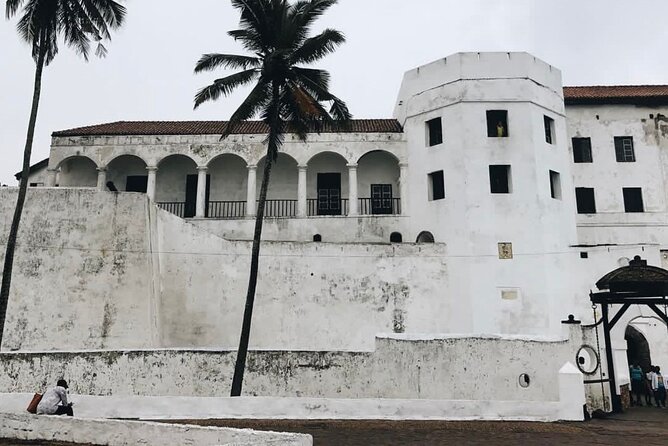
Cape Coast Castle is the central stop, with about two hours set aside for the visit. The castle was established by Swedish colonists in the 1650s and built by enslaved labor. It later became a major site in the movement of enslaved Ghanaians and other West Africans toward European destinations.
The structure matters because the history is visible in the building itself. You are not only hearing about a system from a distance. You are entering a place designed for control, confinement, and transport.
The Door of No Return is the part many people find hardest to process. Its name refers to the final exit toward the ships and the Atlantic. Standing at that point connects the castle’s rooms to the much larger story of forced removal from West Africa.
I would not rush this visit. Two hours is a useful amount of time because it allows the guide to explain the castle and gives you a chance to absorb what you are seeing. Ask questions if you need context, but also allow some quiet. Not every moment needs narration.
The castle visit can be especially meaningful for people tracing family roots or studying African and Atlantic history. The tour provider describes it as a way to connect with your roots, and that is a fair reason to choose it. Still, you do not need a personal family connection to find value in the visit. The site speaks to a history that shaped several continents.
Ruby has received particular praise for being friendly, informed, and easy to spend a full day with. Her role appears to extend beyond delivering facts. She helps connect the sites and makes the day feel personal without taking attention away from the history.
More Castle Tours in Accra:
- Assin Manso Slaves River and Cape Coast Castle Tour
★ 5.0 · 24 reviews - One Day Tour To Cape Coast, Elmina Castle, Kakum National Park
★ 5.0 · 21 reviews - Cape Coast Castle, Assin Manso Slave River & Kakum Day Tour.
★ 5.0 · 19 reviews - Assin Manso Slave River, Cape Coast and Elmina Castle Day Tour
★ 5.0 · 19 reviews
A look at coastal culture beyond the castle
The Central Coast is not only a collection of memorial sites. It is also home to fishing communities and Fante culture. The tour includes a chance to see something of that living culture, which gives the day a wider frame.
This part should not be confused with a separate long cultural workshop. The supplied details do not promise a cooking lesson, market visit, or formal village program. Instead, expect an introduction to local life as part of the wider Cape Coast journey.
That distinction matters. You will see the region as a place where people live and work today, not only as a place defined by colonial history. The fishing community helps prevent the tour from presenting Ghana only through the lens of tragedy.
The balance may appeal to you if you want history with a connection to the present. At the same time, the castle and Assin Manso remain the main purpose of the day. If your priority is extended cultural exchange, ask the provider ahead of time what local touring is planned for your date.
Lunch at Hans Cottage Crocodile Botel
Lunch at Hans Cottage Crocodile Botel is included in the total tour duration. This gives the long day a built-in pause and removes the need to arrange a separate meal during the excursion.
The name suggests a distinctive setting, but the available details do not specify the menu or how long lunch lasts. I would not book this tour on the assumption that the meal is a full culinary program. Think of it as a practical stop within a demanding heritage day.
It is still useful for two reasons. First, you have a chance to rest between the road journey and site visits. Second, the meal keeps the itinerary moving without requiring your group to search for a restaurant in an unfamiliar area.
If you have dietary needs, ask before departure. The tour information confirms that lunch is included, but it does not list menu choices or special dietary arrangements.
What the private format is worth at $180
At $180 per person, this is not the cheapest way to reach Cape Coast. The price becomes easier to assess when you consider what is bundled into the day: pickup, private transport, a guide, admission to Cape Coast Castle, the Assin Manso visit, lunch, and a full 8 to 10 hour schedule.
A private tour can also offer better value than a cheaper group outing if you care about conversation. You can ask Ruby or Kwame Divine to explain terms, pause over difficult sections, or connect the history to your own interests. You are not limited to the questions of a busload of strangers.
The cost makes the most sense for families, couples, and small groups who want a focused heritage day from Accra. It is also useful for people visiting Ghana for a limited time and wanting to combine two major sites in one trip.
The value is weaker if you only want a quick look at Cape Coast Castle. In that case, the long drive and price may feel excessive. This is a full regional excursion, not a short attraction transfer.
The tour is booked around 30 days ahead on average, which suggests you should not leave it until the last moment if your Ghana schedule is fixed. Confirmation is provided at booking, and free cancellation is available if you cancel at least 24 hours before the local start time. Inside that window, the payment is not refunded and changes are not accepted.
Who will get the most from this experience
I would recommend this tour to you if you want history presented with context and human feeling. It suits people interested in African diaspora history, Ghanaian heritage, genealogy, and the legacy of the trans-Atlantic slave trade.
It is also a good fit for families who want a private setting for serious questions. Ruby’s friendly manner and Kwame Divine’s tactful delivery may help younger participants engage with difficult material, though parents should decide whether the subject is suitable for their children.
The tour is less suited to someone seeking a relaxed beach day, a short city tour, or a highly flexible schedule. The early departure and long road time are part of the deal. The subject also demands attention, so you should be ready for a reflective experience rather than a cheerful sightseeing circuit.
People with mobility concerns should ask for more details before booking. The information says most people can participate and allows service animals, but it does not provide specific information about steps, surfaces, or wheelchair access inside the historic sites.
How the guides shape the day
A good guide is essential at sites connected to slavery. Without context, a castle can become a set of rooms. With too much performance, the visit can lose its dignity.
Ruby brings warmth and a clear interest in helping people connect with Ghana. Her friendly style is useful during a long private day, especially when your group is spending hours together on the road.
Kwame Divine is associated with the Assin Manso portion of the experience and offers a powerful, tactful explanation of the site. That balance is worth noting. The most effective guide for this subject is not the loudest person in the room. You need someone who can explain the facts, respect the emotional weight, and let you form your own response.
You can also contact Ruby ahead of time. That may help if you want to discuss family roots, the level of historical detail you prefer, or practical questions about the day.
Should you book this Cape Coast tour?
Book it if you want a serious, private introduction to Ghana’s slave-trade history and prefer to see Assin Manso and Cape Coast Castle together. The Door of No Return, the Slave River, and the castle create a connected story that is far more meaningful than a quick stop at one attraction.
The strongest reasons to choose it are the private setting, the care of guides Ruby and Kwame Divine, and the inclusion of transport and lunch in a long day from Accra. The main cautions are the early start, road time, $180 price, and emotional weight of the subject.
If those tradeoffs suit you, this is a worthwhile way to spend a day in Ghana’s Central Region. Go prepared to listen, ask thoughtful questions, and give the sites the attention they deserve.
FAQ
Where does the tour begin?
The tour begins with pickup in Accra at 6:00 am.
How long does the experience last?
The tour takes approximately 8 to 10 hours, including travel time and lunch at Hans Cottage Crocodile Botel.
Which historic sites are included?
The experience includes Cape Coast Castle and Assin Manso Slave River Park. The Cape Coast visit includes the Door of No Return.
Is Cape Coast Castle admission included?
Yes. Admission to Cape Coast Castle is included.
Is admission to Assin Manso Slave River Park included?
The provided tour details list admission to Assin Manso Slave River Park as free.
Is this a private tour?
Yes. Only your group participates in the activity.
Are pickup and mobile tickets available?
Pickup is offered, and the experience uses a mobile ticket.
Can service animals participate?
Yes. Service animals are allowed.
What is the cancellation policy?
You can cancel at least 24 hours before the local start time for a full refund. Cancellations or changes made within 24 hours are not accepted and are not refunded.
Newly walked in Accra
- Private Slave Castles and Dungeons Tour in Cape Coast, Ghana★ 5.0 · 3 reviews
- Cape Coast Castle and Kakum National Park 2-Day Private Tour★ 5.0 · 3 reviews
- Cape Coast and Elmina castle Day Trip★ 5.0 · 2 reviews
- Naming Ceremony, Assin Manso Slave River and Cape Coast Castle★ 5.0 · 7 reviews
- The Door Of No Return/ Dungeon & cape Coast Castle★ 5.0 · 4 reviews
- Experience Cape Coast Castle and Kakum National Park★ 4.5 · 3 reviews
- Elmina & Cape Coast Castles Day Trip from Accra★ 5.0 · 5 reviews
- One Day Tour To Cape Coast, Elmina Castle, Kakum National Park★ 5.0 · 21 reviews
Cape Coast & Elmina Castle Tours, compared.
Cape Coast ,Elmina Castle and Kakum Full-Day Tour
Read our review →
Assin Manso Slaves River and Cape Coast Castle Tour
Read our review →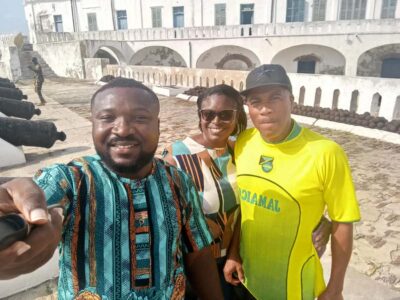
From Accra: Cape Coast and Elmina Castles Day Trip
Read our review →
Accra Slave Castle and City Private Tour with Pick up
Read our review →
HERITAGE GHANA(Cape Coast Castles and Kakum National Park)
Read our review →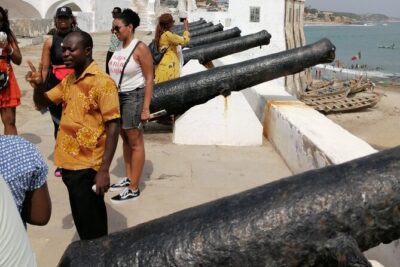
Full- Day Cape Coast Castles and Kakum Canopy Private Tour
Read our review →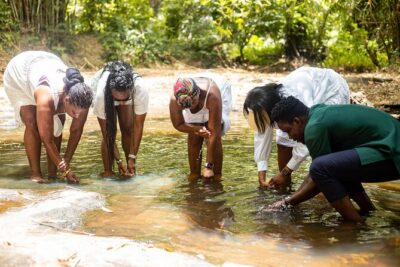
Naming Ceremony, Assin Manso Slave River and Cape Coast Castle
Read our review →Browse the lists this tour appears in