
Review · ACCRA
Naming Ceremony, Assin Manso Slave River and Cape Coast Castle
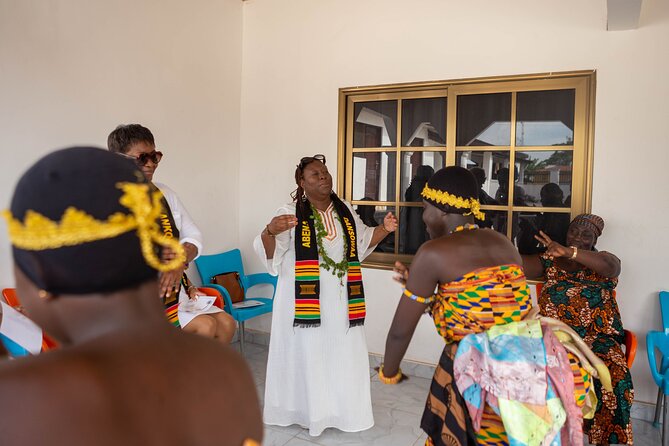
A Ghanaian naming ceremony gives this long day a personal beginning. You do not simply look at Ghanaian culture from the outside. You receive a traditional name, blessings, a customized bead, clay marks, a sash, and a laminated certificate. Later, at Assin Manso Slave River and Cape Coast Castle, the mood turns solemn as you confront the forced journey of enslaved Africans.
I like the way the three stops fit together: the ceremony connects you with Ghanaian community traditions, while the slave river and castle provide a serious historical setting. I also like the private format, with an air-conditioned vehicle, snacks, drinks, WiFi, and a guide such as Ruby, who has hosted the route with driver Prinze.
The drawback is the length. With a 6:00 a.m. start, long road time, three major stops, and lunch at Hans Cottage Crocodile Botel, you should expect a full and tiring day. Lunch costs an additional 100 to 200 cedis, and the emotional weight of the final two visits is not something to brush aside.
Key points to know before booking
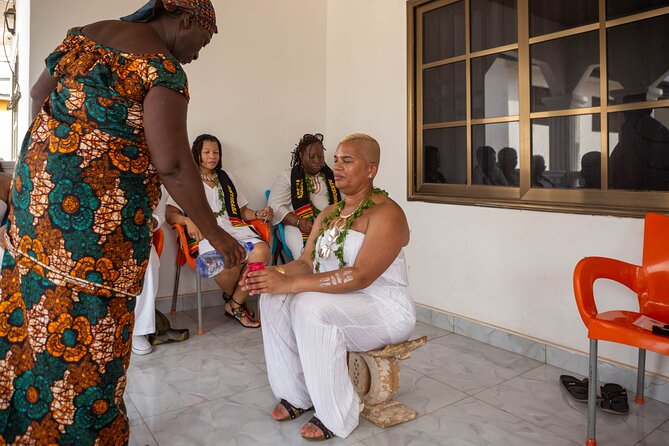
- A Queen Mother leads the naming ceremony: Expect prayers, libation, blessings, and a traditional Ghanaian name connected to Akan customs.
- Your keepsakes are made for the occasion: The package includes a customized sash, name certificate, bead with your name, and clay marks.
- Assin Manso is a quiet but difficult stop: The ancestral slave river is linked with the last bath taken by enslaved Africans before their forced removal.
- Cape Coast Castle brings the history indoors: The castle’s dungeons show the cramped and harsh conditions imposed on enslaved people.
- The day is private and well supplied: Your group has its own vehicle, with bottled water, soda, snacks, WiFi, and an air-conditioned interior.
- Plan for a 12 to 14-hour commitment: The tour leaves Accra Mall at 6:00 a.m. and returns to the same meeting point.
A Ghanaian name before the road south
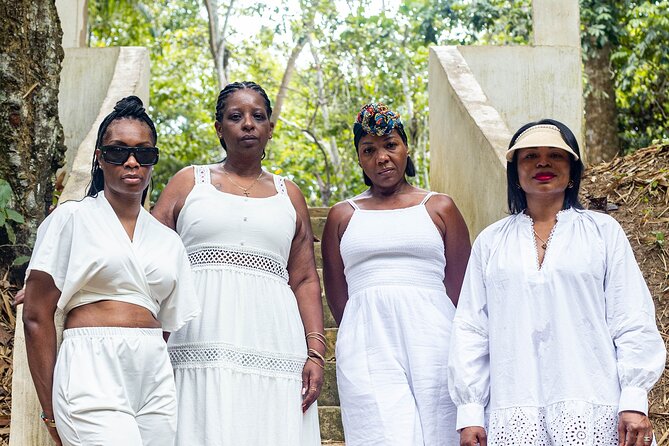
The ceremony takes place in Ghana’s Central Region and is performed by a Queen Mother. This matters because the ceremony is not just a decorative welcome. In Akan tradition, naming is connected with family, community, elders, and ancestors. The event is also known as outdooring in some Akan communities, a public introduction of a person to the community.
You can expect a name often linked to the day of the week on which you were born. The ceremony may include prayers, the pouring of libation to honor ancestors, blessings from elders, drumming, dancing, and food. The supplied details do not promise every element at every ceremony, so think of these as traditional parts you may encounter rather than a fixed stage show.
The keepsakes give the experience a useful physical reminder. Your package includes a customized sash, a laminated certificate showing your name, a bead with your name, and clay marks. These items help explain why this ceremony feels more personal than a short cultural demonstration. You leave with a name and objects tied to the occasion, not just photographs.
I would approach the ceremony with respect and an open mind. If you are hoping for a quiet museum visit, this is not that. It is participatory, symbolic, and designed to make you part of the event for a short time.
More Cape Coast and Elmina Castle Tours in Accra:
- Cape Coast ,Elmina Castle and Kakum Full-Day Tour
★ 5.0 · 62 reviews - 10 Days Trip to Cape Coast and Elmina Castles from Accra
★ 5.0 · 31 reviews - Cape Coast and Elmina Castles Tour
★ 5.0 · 31 reviews
What the naming ritual means
The traditional name is the heart of the morning. In Akan practice, a day name can connect a person to a wider cultural system, while the blessing places that person within a circle of care and responsibility. You are not being given a random souvenir name. The ceremony presents naming as a social and spiritual act.
The Queen Mother’s role also gives the ceremony local authority. She represents the elder voice in the event, while the prayers and libation connect the present moment with ancestors. Even if you do not share the same religious beliefs, you can understand the ceremony as a formal welcome and a statement of belonging.
Drumming, dancing, and food can make the occasion joyful. That joy is useful here. Ghanaian culture is not reduced to the painful history you encounter later in the day. The first stop shows a living tradition, with celebration and community at its center.
If you are visiting Ghana because of family roots, this part may carry particular weight. The experience is also suited to anyone looking for a respectful cultural connection rather than a quick photo stop. Ask your guide to explain any part of the ceremony that is unfamiliar to you.
Assin Manso and the last bath
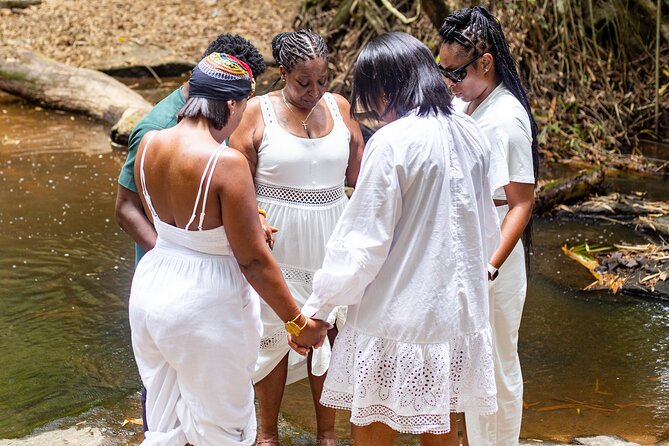
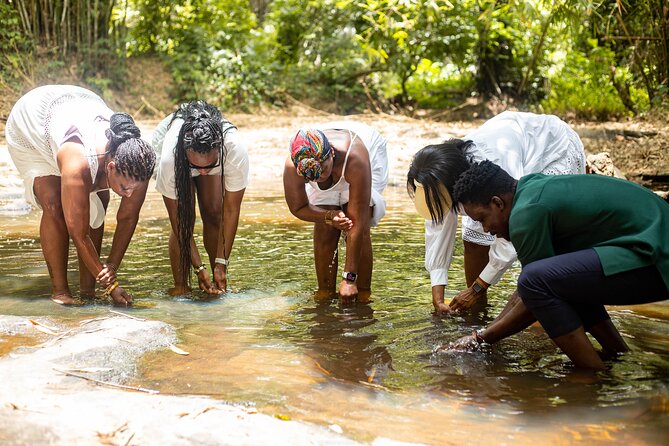
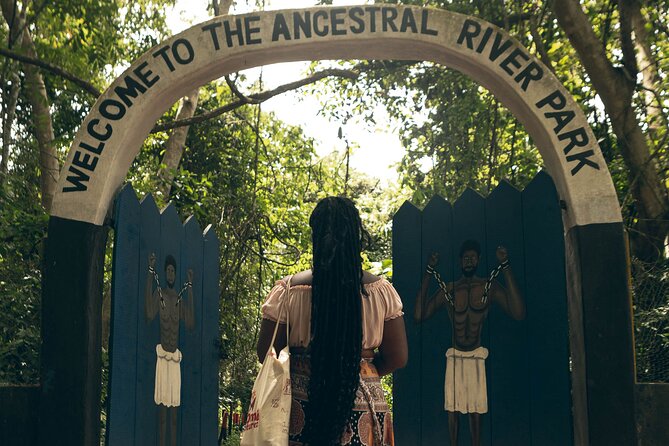
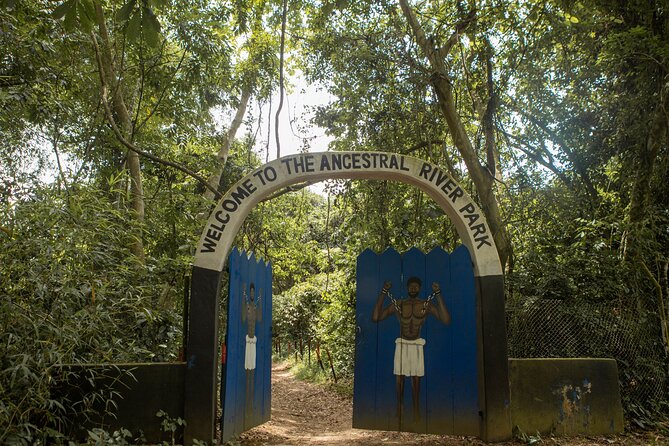
The route then moves to Assin Manso Ancestral Slave River Park. This stop is tied to the last bath, a painful part of the history of enslaved Africans. Before being taken onward, enslaved people were washed at the river. The water may look calm, but the meaning of the site is anything but peaceful.
Allow yourself time here. The stop is scheduled for about two hours, which gives you room to listen, think, and ask questions instead of rushing through. You may find the contrast between the quiet setting and the human suffering associated with it especially difficult.
This is also where the tour’s cultural and historical themes meet. The naming ceremony has just welcomed you into a Ghanaian tradition. Assin Manso then asks you to consider the lives of people who were separated from home, family, and identity. The sequence can make the history feel more personal, but it can also make the day emotionally demanding.
You should not expect a light sightseeing stop. The description of the experience specifically presents the site as an emotional part of the journey. If you prefer to process difficult subjects slowly, tell the guide that you need a little time before moving on.
Cape Coast Castle and its underground rooms
Cape Coast Castle is the final major stop. The fort was established by Swedish colonists and built in the 1650s, with enslaved labor used in its construction. It later became part of the European trade in enslaved Africans from Ghana and other parts of West Africa.
The castle’s dungeons are the focus for most visitors. Here, the setting shows the brutal conditions imposed on enslaved people before transportation to other parts of the world. The rooms are not an abstract history lesson. The enclosed spaces make the loss of freedom and dignity harder to ignore.
Plan to spend about two hours at the castle. A licensed guide can help explain the building’s purpose and the movement of people through it. The information supplied for this tour does not list a separate castle guide by name, so Ruby or another assigned guide may coordinate the visit while the site provides its own explanation.
You may find this stop more intense than the river. At Assin Manso, the surroundings offer space for reflection. At Cape Coast Castle, the dungeons place the machinery of enslavement directly in front of you. I would not schedule another demanding activity immediately afterward.
The castle is also a World Heritage Site, so its importance is both local and global. The visit is not only about the structure. It is about remembering the people who passed through it and understanding how the slave trade shaped Ghana, West Africa, and communities across the Atlantic.
More Castle Tours in Accra:
- Assin Manso Slaves River and Cape Coast Castle Tour
★ 5.0 · 24 reviews - One Day Tour To Cape Coast, Elmina Castle, Kakum National Park
★ 5.0 · 21 reviews - Cape Coast Castle, Assin Manso Slave River & Kakum Day Tour.
★ 5.0 · 19 reviews - Assin Manso Slave River, Cape Coast and Elmina Castle Day Tour
★ 5.0 · 19 reviews
Why the three-stop route works
Many day tours from Accra focus on one theme. This one moves from belonging, to loss, to remembrance. The naming ceremony gives you a living cultural experience. Assin Manso provides a place for reflection. Cape Coast Castle shows the physical setting where the slave trade operated.
That order is effective, though not easy. You begin with drumming, blessings, and a new name, then spend the later hours with painful history. The change in mood may feel abrupt, but it also prevents Ghana from being presented only through tragedy.
I especially value the fact that the route includes both contemporary cultural practice and historic sites. You see that Ghanaian identity is not frozen in the past. The ceremony gives a human face to the country, while the final stops explain one of the forces that scattered African families and communities around the world.
This combination may appeal to you if you want more than standard sightseeing. It may not suit you if you want a relaxed coastal day with plenty of free time. The schedule is built around learning and reflection, not beaches or unplanned wandering.
The long road from Accra
The meeting point is Accra Mall at Plot C11, Tetteh Quarshie Interchange, on Spintex Road. Pickup is offered, but the listed start point is the place to confirm when booking. Departure is at 6:00 a.m., an early start that helps fit the Central Region into one day.
The full experience lasts about 12 to 14 hours. That includes road time, the three main visits, and lunch at Hans Cottage Crocodile Botel. You return to the same meeting point at the end.
The private setup is a real advantage. Only your group participates, so you can ask questions without worrying about a large coach group or a fixed public schedule. You may also find it easier to manage the emotional pace of the slave-history stops when you are with your own party.
Ruby has been praised for being timely, patient, and well informed about Ghana, while driver Prinze has been associated with the same welcoming team. Guide assignments can change, so confirm who will lead your date. The most useful quality on this route is not entertainment. It is a guide who can explain the ceremony and history clearly while giving you room to reflect.
The air-conditioned vehicle matters in Ghana’s heat, especially on a day with considerable road travel. Bottled water, soda, snacks, and onboard WiFi are included. These are practical comforts rather than major attractions, but they make a long private day easier.
Lunch at Hans Cottage and the extra cost

Lunch at Hans Cottage Crocodile Botel is included in the day’s timing but not in the $280 price. You should budget an additional 100 to 200 cedis for the meal.
The supplied information does not specify the exact menu, so do not book this tour solely for a particular dish. It does note that the lunch stop is part of the route, giving you a chance to eat during a day when the schedule would otherwise be demanding.
Snacks, soda, and bottled water are included, but they should not be treated as a full replacement for lunch. Carry any personal snacks you need, especially if you have dietary restrictions, since the available information does not spell out special meal arrangements.
Is $280 a fair price?
At $280 per person, this is not a budget day trip. Its value depends on what you want from the day. You are paying for a private experience, an air-conditioned vehicle, a licensed guide, admission fees, drinks, snacks, WiFi, and a naming ceremony with several personalized items.
The price also covers a route that would be difficult to manage comfortably by public transport in one day. You would need to arrange transport from Accra, coordinate the Central Region stops, handle the timing, and find suitable guides. Here, one provider connects the ceremony, Assin Manso, and Cape Coast Castle.
The value is strongest for a small group that wants privacy and a cultural experience with historical depth. If you are traveling alone and only want to see Cape Coast Castle, the cost may feel high. If you are sharing the vehicle with family or friends and want the naming ceremony as a central part of your Ghana visit, the package makes more sense.
Lunch is the main extra expense listed. All fees and taxes are included, but read the booking details carefully for any personal expenses beyond the stated package.
Who will appreciate this experience most?
I would recommend this day to you if you want to take part in Ghanaian traditions rather than only observe them. It is also a strong choice for people exploring African heritage, family history, or the wider story of the transatlantic slave trade.
Families and private groups may value the flexible setting. The ceremony can give children or younger adults a clear introduction to Ghanaian customs, while the castle and slave river require age-appropriate discussion. Adults should be ready to explain the difficult parts in a thoughtful way.
The tour is also suitable for most people physically, according to the supplied information, and service animals are allowed. It is near public transportation, though the organized meeting point and early departure make the provided vehicle the practical choice.
I would hesitate to recommend it to someone seeking a slow, easygoing holiday day. The start is early, the drive is long, and the historical visits can be heavy. You should also be comfortable with a structured schedule, since the route has to cover three substantial stops before returning to Accra.
Booking, timing, and cancellation advice
Confirmation is received at the time of booking. Since the experience is booked an average of 21 days ahead, reserve early if you need a particular date, especially for a private group or a ceremony connected to a special occasion.
Free cancellation is available if you cancel at least 24 hours before the local start time. Cancellations or changes made within 24 hours are not refunded or accepted, so check your plans before the cutoff.
Bring comfortable clothing for a long day, and consider carrying a small amount of cash for lunch or personal purchases. The tour provides drinks and snacks, but lunch remains separate.
Should you book this Ghana tour?
Book it if you want a meaningful Ghana day that combines a personal naming ceremony with two major sites connected to the slave trade. The strongest feature is the contrast between joyful cultural welcome and serious historical reflection. Ruby and driver Prinze have been praised for their care, patience, timing, and friendly approach, though you should confirm the assigned team for your date.
Skip it if you want a short outing, a low price, or plenty of unplanned free time. At 12 to 14 hours, this is a major commitment. For the right person, though, the day offers something rare: you receive a Ghanaian name, visit the river associated with the last bath, walk through Cape Coast Castle, and return to Accra with a more personal connection to the country.
FAQ
Where does the tour begin?
The tour begins at Accra Mall, Plot C11, Tetteh Quarshie Interchange, Spintex Road, Accra. The listed start time is 6:00 a.m.
Where does the tour end?
The activity ends back at the meeting point at Accra Mall.
How long does the experience last?
The full experience lasts approximately 12 to 14 hours, including road travel and lunch at Hans Cottage Crocodile Botel.
Is this a private tour?
Yes. Only your group participates in the activity.
What does the naming ceremony include?
The ceremony includes a traditional Ghanaian name, a customized sash, a laminated certificate of name, a customized bead with the name, and clay marks. It is performed by a Queen Mother.
Are admission fees included?
Yes. Admission fees and all listed taxes are included, along with an air-conditioned vehicle, bottled water, snacks, soda, WiFi, and a licensed guide.
Is lunch included in the price?
No. Lunch at Hans Cottage Crocodile Botel is not included and costs approximately 100 to 200 cedis.
Can I cancel for a full refund?
Yes, if you cancel at least 24 hours before the experience start time. Cancellations made less than 24 hours before the start time are not refunded, and changes within that period are not accepted.
Newly walked in Accra
- Private Slave Castles and Dungeons Tour in Cape Coast, Ghana★ 5.0 · 3 reviews
- Cape Coast Castle and Kakum National Park 2-Day Private Tour★ 5.0 · 3 reviews
- Cape Coast and Elmina castle Day Trip★ 5.0 · 2 reviews
- The Door Of No Return/ Dungeon & cape Coast Castle★ 5.0 · 4 reviews
- Experience Cape Coast Castle and Kakum National Park★ 4.5 · 3 reviews
- Elmina & Cape Coast Castles Day Trip from Accra★ 5.0 · 5 reviews
- Cape Coast Castle, Assin Manso Slave River and Door of No Return★ 5.0 · 14 reviews
- One Day Tour To Cape Coast, Elmina Castle, Kakum National Park★ 5.0 · 21 reviews
Cape Coast & Elmina Castle Tours, compared.
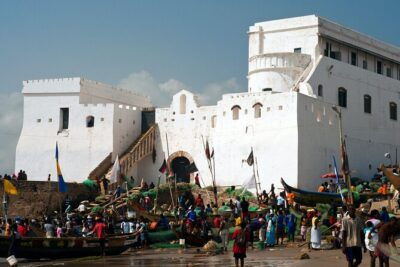
Cape Coast ,Elmina Castle and Kakum Full-Day Tour
Read our review →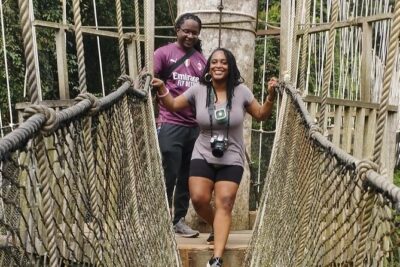
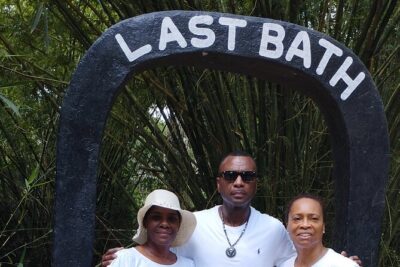
Assin Manso Slaves River and Cape Coast Castle Tour
Read our review →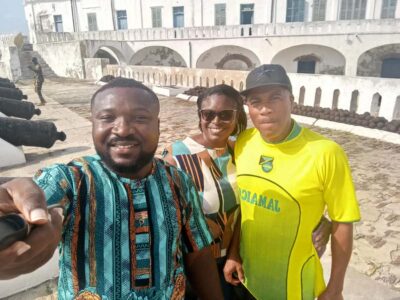
From Accra: Cape Coast and Elmina Castles Day Trip
Read our review →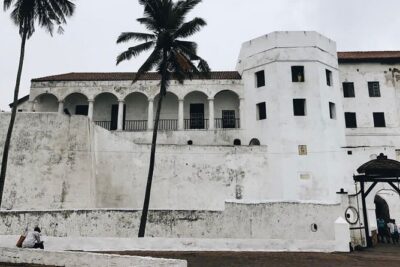
Cape Coast Castle, Assin Manso Slave River and Door of No Return
Read our review →
Accra Slave Castle and City Private Tour with Pick up
Read our review →
HERITAGE GHANA(Cape Coast Castles and Kakum National Park)
Read our review →
Full- Day Cape Coast Castles and Kakum Canopy Private Tour
Read our review →Browse the lists this tour appears in