
Review · ITALY
Milan: Sforza Castle Guided Tour
Sforza Castle gives you far more than a quick look at a grand old wall. In two hours, you follow Milan’s great fortress through its years as a military stronghold, noble residence, barracks, and museum complex, ending with Michelangelo’s Pietà Rondanini, the unfinished sculpture he worked on late in life.
I like the small group of up to nine, which makes it easier to hear the guide and ask questions. I also like that admission to the castle museum is included, so you are not left wandering through a large complex without context. The main consideration is the price: at $158.60 per person, this is a premium guided visit, not a casual add-on.
Key points to know before you book
- See the Pietà Rondanini: The tour ends with Michelangelo’s famous unfinished sculpture.
- Follow the castle’s changing roles: Learn how it moved from Visconti and Sforza fortress to military quarters and museum center.
- Small group format: Numbers are limited to nine participants.
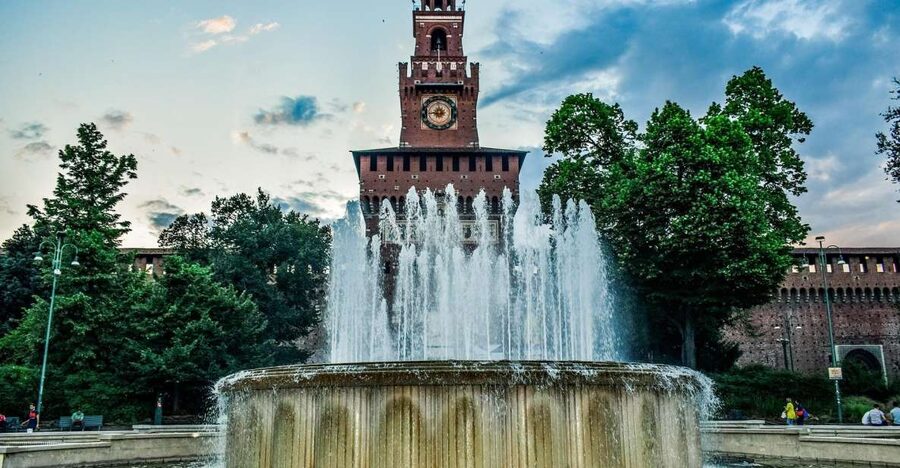
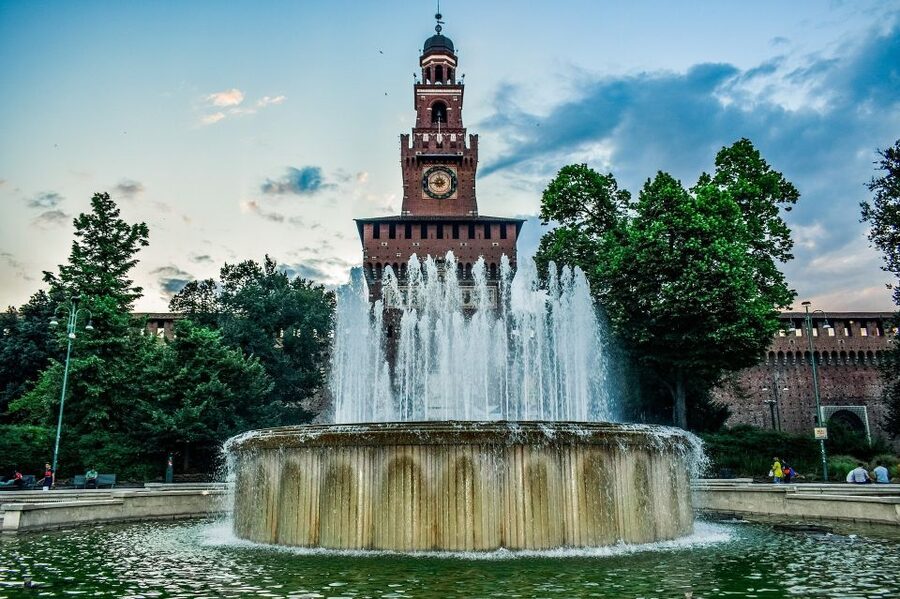
- Meet at Piazza Castello: Find the guide at the fountain in front of the main entrance.
- Choose from six languages: Tours are offered in English, German, Italian, French, Spanish, and Russian.
- Allow for steady walking: Comfortable shoes and water are sensible, and the tour is not recommended for people with back problems.
Why Sforza Castle matters in Milan
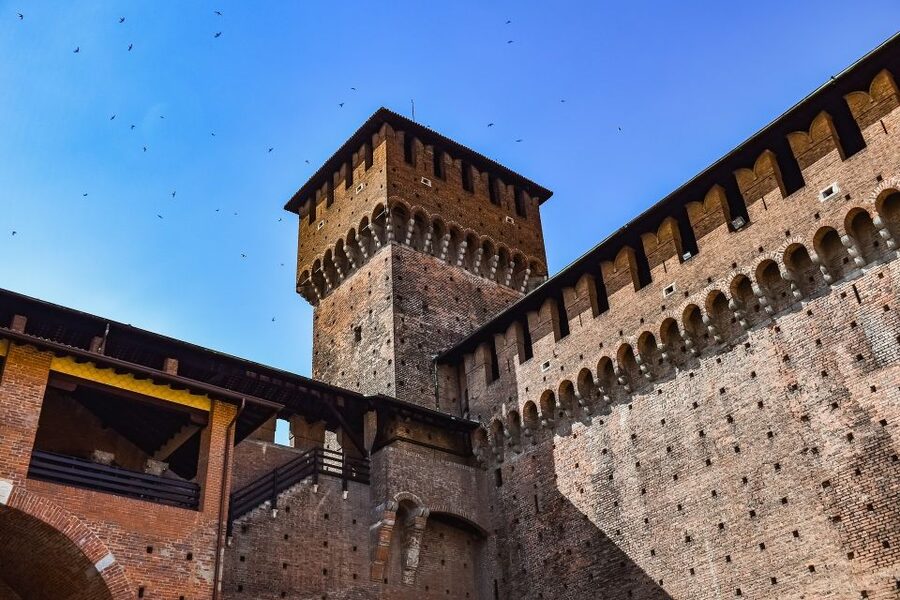
Sforza Castle is one of Milan’s defining monuments. It is not simply a pretty building to photograph from outside. Its long life reflects the city’s political and cultural shifts, and a guided visit helps you see those changes in sequence.
The castle was connected first with the Visconti family and later with the Sforza family. Those names matter because they shaped Milan during its most important Renaissance period. Your guide explains how the site functioned as a defense fortress, then as a place of power, military accommodation, private living quarters, and eventually a home for museums, archives, and libraries.
That range gives the tour its appeal. You are not looking at one frozen moment in Milan’s past. You are seeing a building repeatedly adapted to new needs. A fortress can become a residence. A military complex can become a cultural center. The walls stay, but the purpose changes.
I find that this kind of context is especially useful at Sforza Castle because the site is large and layered. Without guidance, you may notice impressive masonry and spacious courtyards but miss why the building mattered. The tour gives those features a place in Milan’s story.
More Guided Castle Tours in Italy
- Milan: The Last Supper & Sforza Castle Guided Tour
★ 4.6 · 610 reviews - Milan: Last Supper and Sforza Castle Guided Tour
★ 4.6 · 498 reviews - Valpolicella: Amarone Chateau Guided Tour and Wine Tasting
★ 4.5 · 164 reviews
Meeting at Piazza Castello
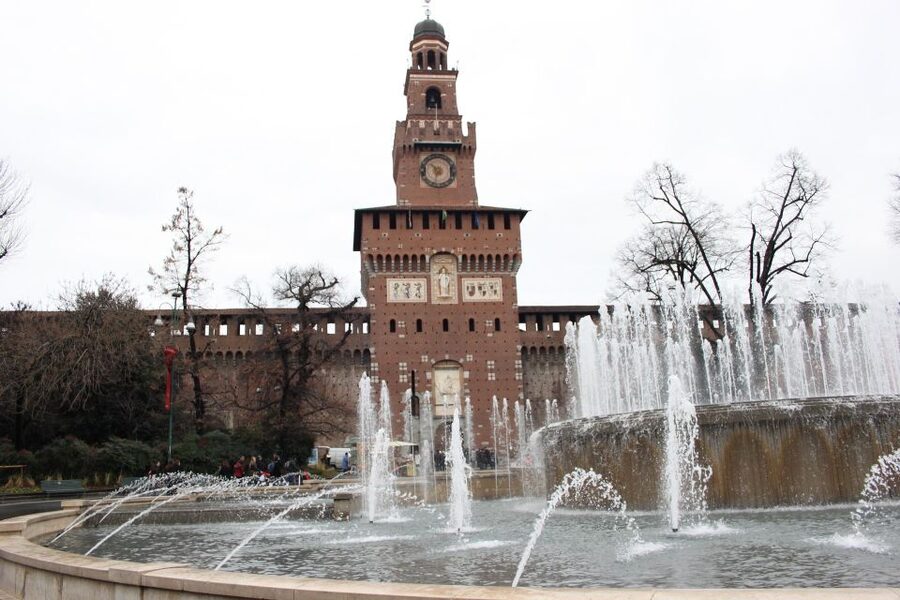
The meeting point is simple: Piazza Castello, at the fountain in front of the main entrance. The activity ends back at the same meeting point, which makes the visit easy to fit into a day of sightseeing in central Milan.
Give yourself enough time to locate the fountain without rushing. The castle is an important city landmark, but a busy square can still make a last-minute meeting stressful. Arriving early also gives you a moment to look at the approach before the tour begins.
The entry process is handled with included tickets, and the experience provides skip-the-ticket-line access. That matters most when you want to spend your limited time inside the castle rather than waiting to buy admission.
Your guide uses a radio-guided system. In a stone complex with open spaces and several areas to cover, this can help you keep up with the explanation without standing shoulder to shoulder with the guide. The group limit of nine is another advantage. You still get a guided visit, but the scale is more personal than a large coach tour.
From defense fortress to Sforza power base
The first major part of the experience is the castle itself. The guide explains its transformations over the centuries, beginning with its role as a defensive structure and continuing through the period when it served the Visconti and Sforza families.
You will hear about the building as a military fortress, including its use as barracks. That practical side is worth remembering as you move through the site. Castles can look ceremonial now, but their original purpose was control, protection, and military strength.
The Sforza connection brings the Renaissance closer. Milan was not merely a stop on the art trail. It was a major center of politics, architecture, and patronage, and the castle was closely tied to the people who governed the city. The guide’s job is to connect the structure to that wider story rather than treating each room or wall as an isolated object.
The tour also covers the private quarters. This change in focus helps you picture the castle as more than a fortress. Powerful families used it as a place of residence and administration, so military needs and courtly life existed within the same broad complex.
I like this part because it gives the castle a human scale. You are not only hearing dates and family names. You are considering how the same site accommodated soldiers, rulers, residents, and later museum visitors.
The castle’s restorations and Luca Beltrami
One of the most useful parts of the tour is the discussion of restoration. Sforza Castle has not simply survived untouched from the Renaissance. It has been altered, repaired, and interpreted over time.
The guide explains the major restoration carried out by architect Luca Beltrami at the beginning of the twentieth century. This is an important detail for anyone who wants to understand what they are seeing. A restored historic building raises questions about which parts are original, which parts were rebuilt, and how later generations decided to present the past.
Beltrami’s work is described as the last extraordinary restoration of the castle. It forms a bridge between the medieval and Renaissance structure you are visiting and the modern museum complex you see today.
That makes the restoration story more than a side note. It reminds you that historic sites are often the result of choices made long after their most famous occupants were gone. The castle’s present appearance reflects both its earlier history and the ideas of those who wanted to preserve it.
If you enjoy architecture, this section may be the intellectual heart of the visit. If you mainly want art, it still helps explain why the castle feels like a mixture of fortress, palace, and public institution.
Same walls, a different way in:
- Milan: Sforza Castle Entry Ticket with Digital Audio Guide
★ 4.0 · 2,675 reviews - Milan: Sforza Castle and Michelangelo’s Pietà Rondanini Tour
★ 4.7 · 1,119 reviews - From Siena: Chianti and Castles Tour with Wine Tastings
★ 4.6 · 631 reviews - Montalcino: Brunello Wine Tasting & Lunch in a Tuscan Castle
★ 4.6 · 324 reviews
Inside the museum complex
Entry to the Sforza Castle Museum is included in the tour. The castle now houses museums of art, along with archives and libraries, so the experience connects the building with Milan’s continuing cultural life.
The exact route may vary with the guide and the areas included on the day. You should expect a guided look at the castle and museum rather than a free afternoon to inspect every collection at your own pace. The two-hour limit is useful here: it keeps the visit focused, but it also means you will not cover every corner of a complex this large.
This is a good choice if you prefer a clear introduction to a major site. You get a sense of how the castle functions today and why it remains important, without having to plan a museum visit from scratch.
The tradeoff is that independent art lovers may want more time afterward. If a particular collection catches your attention, you may wish to return separately or allow extra time around the tour, depending on the day’s schedule. The supplied activity includes the museum entry, but the guided portion lasts two hours.
Ending with Michelangelo’s Pietà Rondanini
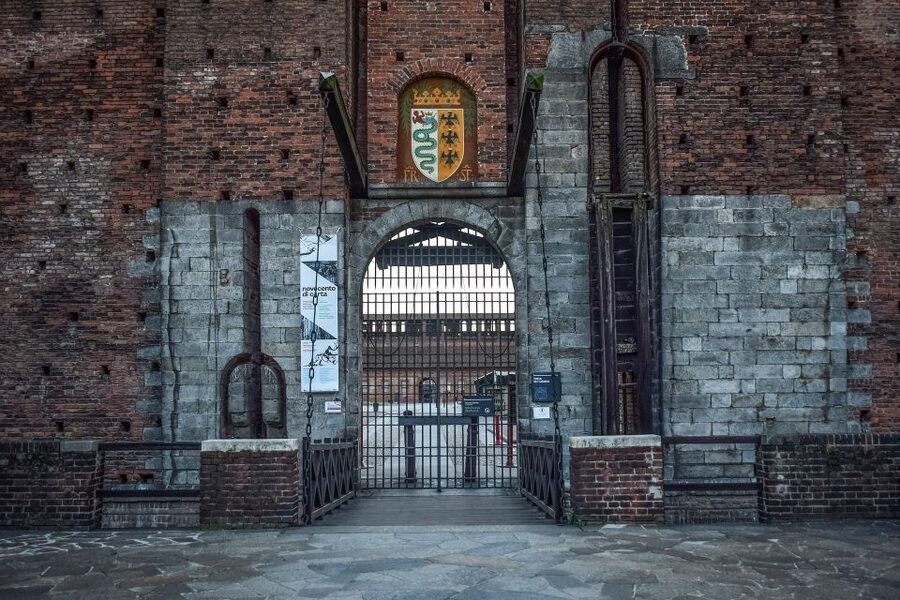
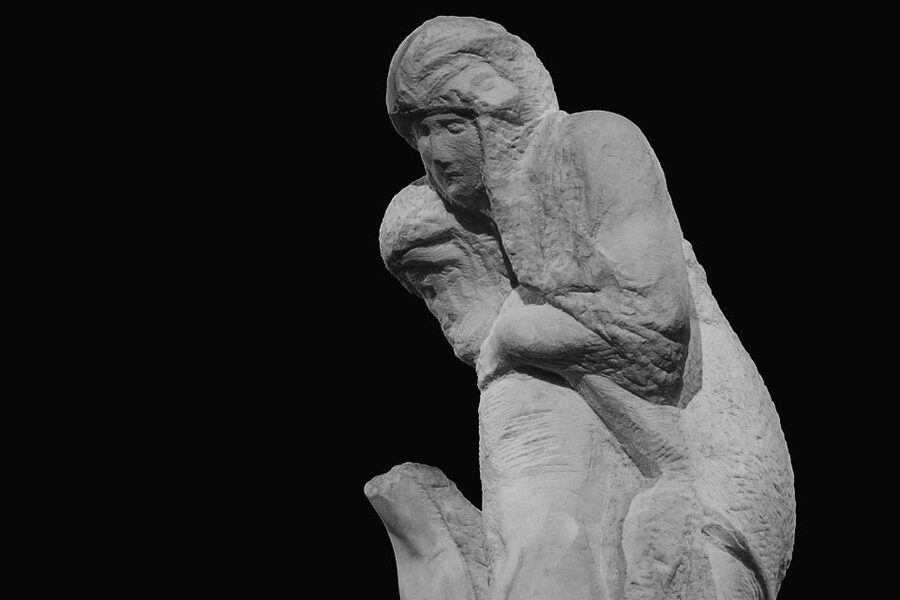
The emotional focus of the visit is the Pietà Rondanini. The tour concludes with the chance to see Michelangelo’s famous sculpture, an unfinished work associated with the final years of his life.
This is a strong ending because the sculpture shifts the mood from military architecture to intimate artistic reflection. After hearing about fortifications, ruling families, barracks, and restoration, you finish with a work that feels personal and unfinished by design.
Do not expect the polished completeness of Michelangelo’s better-known Pietà in St. Peter’s Basilica. The Pietà Rondanini has a different character. Its unfinished state is part of what makes it worth seeing, and the guide can give you a useful framework for looking at it rather than treating it as just another item in a museum room.
The tour description places the sculpture at the end, so plan your attention accordingly. Some people may find that this is the one object they most want to see, while others will appreciate it more after understanding the castle’s broader story.
For me, the sculpture is the clearest reason to choose a guided visit over a quick exterior stop. You can see the castle walls on your own, but a guide helps connect the final artwork to the rest of the experience.
The guide makes a real difference
The tour is offered in English, German, Italian, French, Spanish, and Russian. Language choice can shape the quality of a history tour, especially when the subject includes several families, restorations, and changes in use.
One named guide is Pier. His French was described as impeccable, and his approach focused on history and architecture. If Pier leads your departure, you can expect a guide with particular strength in those subjects. Guide assignments can vary, so the important point is to choose the language and time that suit you.
A good guide matters here because the castle is not a single-object museum. The value comes from connections: Visconti to Sforza, fortress to residence, barracks to museum, restoration to present-day preservation.
The small group also helps. With no more than nine participants, you have a better chance of hearing the explanation clearly and asking a question without interrupting a large crowd. The radio system adds another layer of convenience, especially as you move between different parts of the complex.
Is $158.60 a fair price?
At $158.60 per person, this tour is expensive for a two-hour activity. You should compare it with the cost of visiting the castle independently, then decide how much you value a guide, skip-the-line access, language support, and a very small group.
The price makes more sense if you want a structured introduction and do not want to research the castle before arriving. It also has greater appeal if you are especially interested in Renaissance Milan, restoration, architecture, or Michelangelo.
It is less compelling for a budget-minded visitor who is happy to explore at a slower pace and read the available information independently. The tour does not promise a full-day museum visit, and two hours is a compact introduction.
The strongest value comes from the combination of included entry, a live guide, and a group capped at nine. You are paying for interpretation and time saved, not just for access to the building. For a special Milan visit, that may be worthwhile. For a quick stop between other attractions, the price could feel steep.
Walking, timing, and practical comfort
The activity lasts two hours, with starting times available according to the date you choose. Check the schedule carefully so you can place it comfortably within the rest of your Milan plans.
Wear comfortable shoes. The tour involves a moderate amount of walking, and it is not recommended for people with back problems. Bring water, especially if you are visiting during a warm period or have several other sights planned that day.
There is no separate transport element described, so you should plan to reach Piazza Castello on your own. Since the tour returns to the starting point, you will not need to arrange a second pickup location afterward.
The activity has a minimum participation requirement. If that number is not met, the tour may be canceled after confirmation, with an alternative or full refund offered. It is a minor uncertainty to keep in mind if your Milan schedule is tight.
You can cancel up to 24 hours in advance for a full refund, and the reserve-now, pay-later option gives you some flexibility while you finalize your plans.
Who should book this castle tour?
I would choose this experience if you want the castle explained rather than simply photographed. It suits first-time visitors to Milan, art lovers who want to see the Pietà Rondanini, and anyone interested in how historic buildings change purpose over time.
The tour also works well for couples or small groups who prefer a quieter format. A maximum of nine participants is a useful middle ground: more personal than a large group, but still organized and efficient.
I would hesitate if you are mainly looking for a low-cost museum entry or several uninterrupted hours with the collections. The price is high for the duration, and the moderate walking may not suit anyone with back problems.
Should you book the Sforza Castle Guided Tour?
Book it if Michelangelo’s Pietà Rondanini is a priority and you want the castle’s military, Renaissance, and restoration stories tied together by a guide. The small group, included museum entry, language choices, and skip-the-line access add real convenience.
Skip it if you prefer to explore independently or are watching every euro. The two-hour visit is focused, not exhaustive, and the $158.60 price requires you to value expert explanation and a small group.
For most visitors who want a clear, well-paced introduction to one of Milan’s key monuments, this is a useful choice. Just arrive ready to walk, meet at the fountain in Piazza Castello, and save your sharpest attention for the Pietà Rondanini at the end.
FAQ
How long does the Sforza Castle guided tour last?
The tour lasts two hours. Starting times depend on availability for the date you choose.
Where does the tour begin and end?
It begins at Piazza Castello, in front of the main entrance at the fountain. The activity ends back at the same meeting point.
Is admission to the Sforza Castle Museum included?
Yes. The package includes the Sforza Castle tour and entry to the Sforza Castle Museum.
What languages are available?
Live guided tours are offered in English, German, Italian, French, Spanish, and Russian.
How large is the tour group?
The tour is limited to nine participants, making it a small-group experience.
What should I bring, and is the tour suitable for people with back problems?
Bring comfortable shoes and water. The tour involves a moderate amount of walking and is not recommended for people with back problems.
Newly walked in Italy
- HIKING TOUR: VARENNA, Castle of VEZIO Villa MONASTERO, FIUMELATTE★ 5.0 · 48 reviews
- Castles of Puglia Day Trip from Bari★ 4.5 · 7 reviews
- Enchanted Castle of Sciacca – Museum Tickets★ 3.5 · 63 reviews
- Taormina; Taormina Castle Tour★ 3.8 · 11 reviews
- St. Angel’s Castle: 2-Hour Private Tour★ 5.0 · 9 reviews
- Milan: Skip-the-line Sforza Castle and Museums Private Tour★ 4.7 · 7 reviews
- Siena: Tour and Wine Tasting in a Tuscan Private Castle★ 4.9 · 50 reviews
- Sforza Castle & Michelangelo’s Pietà Rondanini Guided Tour★ 4.7 · 3 reviews
Guided Castle Tours, compared.

Edinburgh Castle: Guided Walking Tour with Entry Ticket
Read our review →
Cathedral, Giralda & Alcazar Entry With Guided Tour
Read our review →Edinburgh Castle: Guided Walking Tour with Entry Ticket
Read our review →
Stonehenge, Windsor Castle and Bath Full Day Guided Tour
Read our review →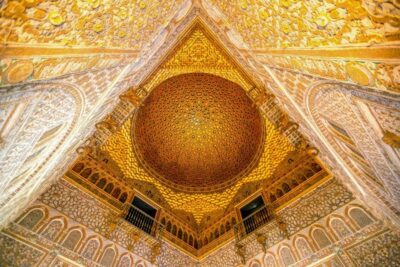
Alcázar of Seville Skip-the-Line Tickets and Guided Tour
Read our review →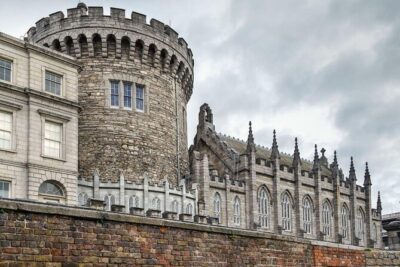
Dublin Book of Kells, Castle and Molly Malone Statue Guided Tour
Read our review →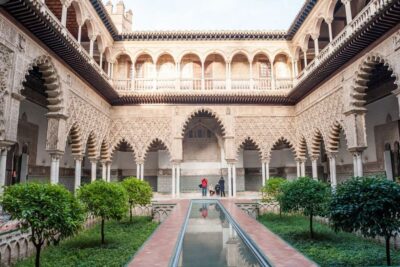
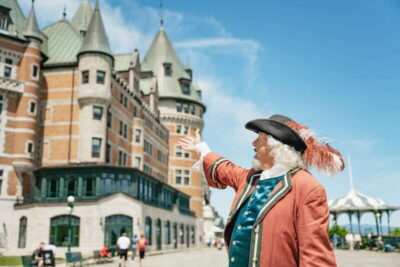
Quebec City: Guided Tour of Fairmont Le Château Frontenac
Read our review →Browse the lists this tour appears in