
Review · FRANCE
Château du Bois-Huaut: Cellar Tour and Wine Tasting Class
Château du Bois-Huaut gives you a pleasant introduction to Muscadet country without turning wine into a classroom chore. In two hours, you walk the vines, see the cellars, taste eight wines, and leave with a bottle from a family estate that has worked here since 1897. The range of wines is the main attraction.
I like the mix of gentle sightseeing and useful instruction. You are not only seated at a tasting table, and you are not left wandering among barrels with no explanation. I also like the family connection, especially when Luis leads the visit and explains work passed down from his grandfather. The relaxed vineyard walk gives the experience a welcome pause.
The main caution is language. The instructor is French, and English availability is not guaranteed, although an English version has been offered on some visits. If you do not understand French, confirm the language before booking, since the tasting class depends on the explanations as much as the wine.
Key points to know before you book
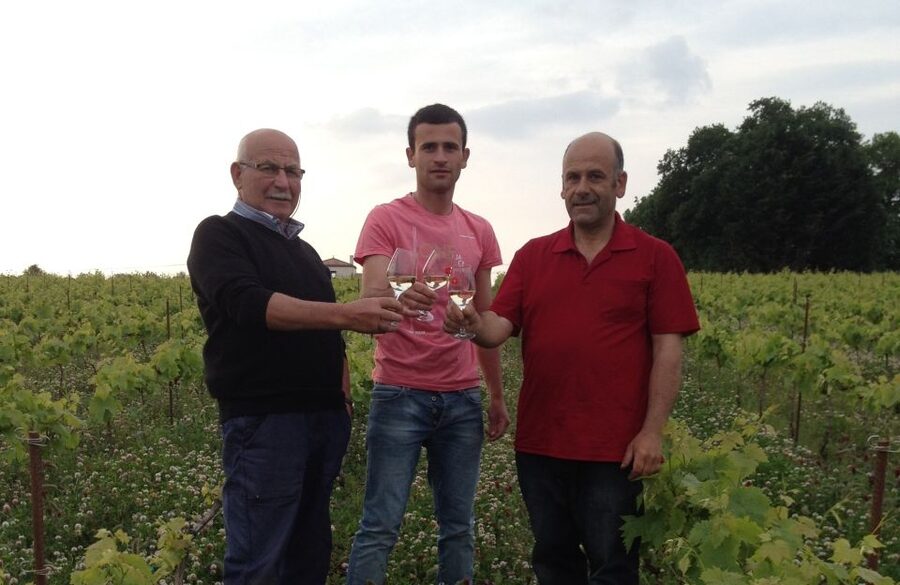
- Eight wines in one sitting: Expect dry, semi-dry, sweet, vintage, and barrel-aged examples rather than eight similar pours.
- A family estate near Nantes: Château du Bois-Huaut has been in the same family for more than four generations and has produced wine since 1897.
- A practical tasting class: A professional sommelier explains aromas, tasting technique, and ways to get more from each glass.
- One bottle is included: Each person receives a bottle to take home, which adds useful value to the $38 price.
- French is the working language: English support may be available at certain times, but it should not be assumed.
- Two hours with room to breathe: The visit combines a vineyard stroll, cellar tour, and tasting without taking up a full day.
A family winery in the Gorges countryside
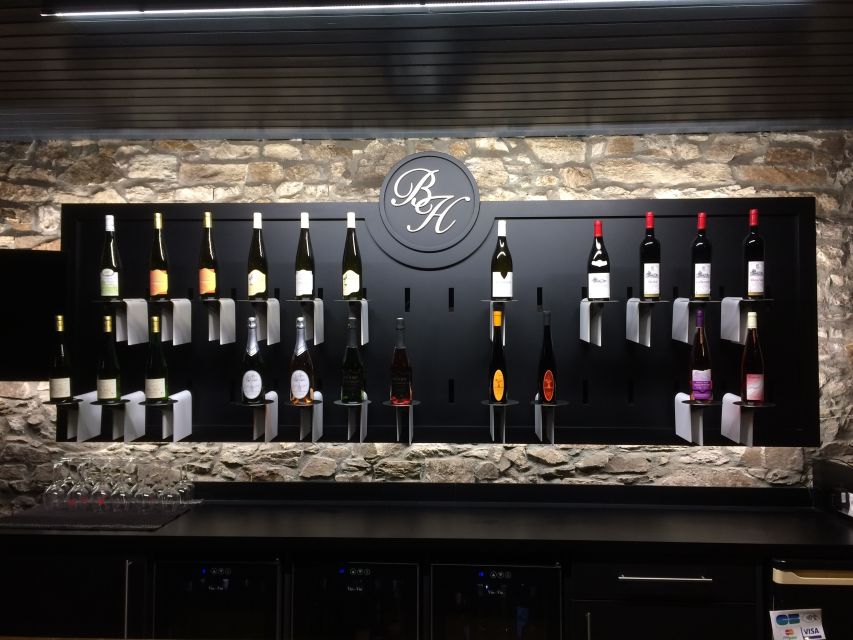
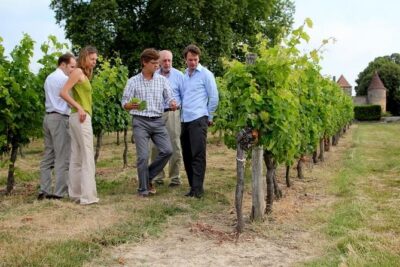
Château du Bois-Huaut is in Gorges, just outside Nantes, in the Pays de la Loire. That setting matters because this is not a city wine bar with bottles brought in from elsewhere. You are visiting a working estate, walking among its vines, and seeing where the wine begins.
The estate has been in the family for more than four generations. Its history reaches back to 1897, giving the visit a personal scale that suits a small producer. The family connection is not presented as a dusty museum story. It comes through in the way the hosts explain the vines, cellar work, and wine made by earlier generations.
I especially like that you can wander through the vineyard at your own pace. The walk is not described as a strenuous hike, and the activity leaves room for you to look around rather than rushing from one fixed stop to another. If you are coming from Nantes, this is a useful way to trade city streets for open vines without committing to an all-day excursion.
The estate works with 14 grape varieties and styles. These include Muscadet, Sauvignon, Pinot Gris, Gewurztraminer, rosé, Pinot Noir, Merlot, Cabernet, sparkling wines, and sweet wines. That list tells you something important: this is not a single-wine tasting built around one familiar bottle. You will get a broad look at what the producer makes.
More Workshops at the Castle in France:
- Blending workshop and tour of the chateau
★ 5.0 · 12 reviews - Learn Zen in a class of making Matcha tea near Osaka Castle
★ 4.8 · 17 reviews - Matsumoto Castle Tour & Soba Noodle Making Workshop
★ 5.0 · 10 reviews
The vineyard walk comes first
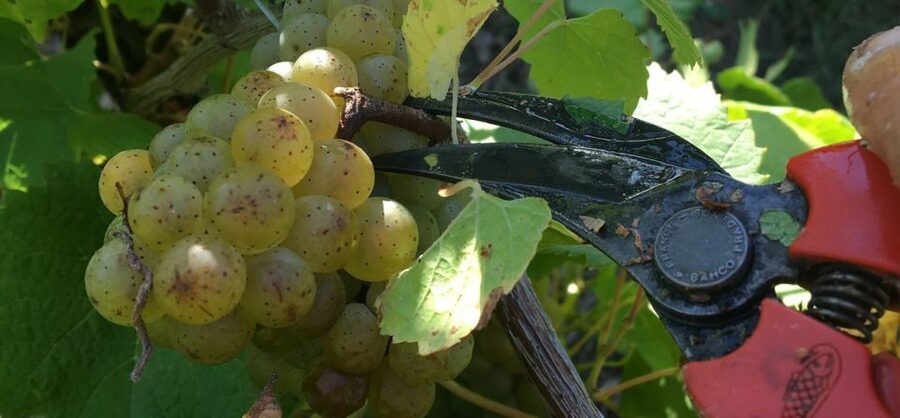
The vineyard portion gives you a simple visual introduction before the tasting begins. You can see the setting where the grapes are grown, then connect that view with the wines poured later. For someone new to wine, that sequence is helpful. The labels and tasting notes make more sense after you have seen the vines and heard how the estate works.
Do not expect a long guided agricultural lecture based on the information available. The strength of this stop is its leisurely pace and direct connection to the estate. You can ask questions, take in the surroundings, and get a feel for the family operation before heading indoors.
The vineyard is also a good reason to wear sensible shoes. The activity is wheelchair accessible, but outdoor conditions can vary, so anyone who has mobility concerns should still ask the provider about the current route. No special walking distance is stated, and I would not plan on this as a demanding countryside walk.
The setting works best for people who enjoy small details. Look at the rows, notice the different feel of a working vineyard, and listen for the link between grape variety and wine style. You are not simply waiting for the tasting to start. The walk helps set up the rest of the visit.
Inside the cellars with a family guide
The guided cellar visit is the historical and practical center of the tour. You will learn about the winery, the making of the wines, and the role of the cellar in the finished bottle. This is where the estate’s age becomes useful rather than decorative.
The guide makes a difference here. Luis has been praised for his passion and for the way he explains the vines, cellar, and tasting. On other dates, the host has been a member of the family by marriage, connected to the older generation. The exact guide can vary, but you can expect the visit to be led by someone closely tied to the estate rather than a detached outside presenter.
That family link adds warmth, but it also means the presentation may feel personal and informal. If you want a highly polished, multilingual wine-school production, this may not be the right fit. If you prefer hearing how a family winery actually works, the approach is more appealing.
The cellar stop also gives you a break from abstract tasting language. You can connect what you hear about fermentation, aging, and storage with a real production space. The experience specifically includes vintage and barrel-aged wine, so the cellar visit prepares you for some of the differences you will notice in the glasses.
One practical note: wine is sensitive to temperature changes. A French visitor raised concern about the difficulty of shipping bottles directly to buyers and the risk of cartons sitting in high heat. That issue does not change the tour itself, but it is worth remembering if you plan to buy extra bottles. Ask the estate how bottles can be transported and stored before making arrangements.
Eight wines and a useful tasting lesson
The tasting class is the most substantial part of the experience. You will taste eight of the winemaker’s favorite wines, with a professional sommelier guiding the session. The purpose is not only to identify whether you like a wine. You will learn how to notice aromas and how to taste with more attention.
The selection includes dry, semi-dry, sweet, vintage, and barrel-aged wines. This gives you several points of comparison. A dry wine can feel crisp and restrained, while a sweeter style may seem fuller and softer. A vintage wine can show a different character from a younger bottle, and barrel aging can add another layer to the aroma and finish.
The estate’s broad range makes the tasting more interesting. You may encounter white wines made from Muscadet, Sauvignon, Pinot Gris, or Gewurztraminer, along with rosé, red varieties such as Pinot Noir, Merlot, and Cabernet, plus sparkling or sweet wines. The exact eight pours are not specified, so do not arrive expecting a guaranteed lineup of every variety.
I like the way this format suits both beginners and people who already know a little about wine. Beginners get a vocabulary for describing what they notice. More experienced tasters get several styles from one producer and can compare how the estate handles different grapes and aging methods.
The tasting class is also a good reason not to hurry. Eight wines in two hours may sound like a lot, but the experience is built around explanation, not rapid sampling. Give yourself time to smell each wine, taste it slowly, and notice how your preference changes from one style to the next.
The sommelier’s role is important because wine tasting can become vague when nobody explains what to look for. Here, you are shown how aromas work and how to make the most of them. You do not need expert knowledge beforehand. Curiosity is enough.
More Castle Tours in France:
- Loire Valley Castles Day Trip from Paris with Complementary Wine
★ 4.5 · 3,907 reviews - Carcassonne: Castle and Ramparts Entry Ticket
★ 4.6 · 2,884 reviews - Chambord: Entry Ticket to the Castle
★ 4.6 · 1,841 reviews - From Paris: Loire Valley Castles Day Trip With Wine Tasting
★ 4.6 · 1,727 reviews
What the $38 price really includes
At $38 per person, the price is fair if you value both instruction and variety. You are paying for entry to the winery, the vineyard setting, a guided cellar visit, a professional tasting workshop, eight wines, and one bottle to take home.
The bottle is the practical value booster. A basic tasting can feel expensive when it ends with an empty glass and no keepsake. Here, each person receives one bottle, so part of the cost becomes something you can enjoy later or share with friends.
Food is not included. That is easy to overlook when planning a rural outing, so eat beforehand or arrange food separately. The experience is a wine visit, not a lunch stop.
The value is strongest for couples, friends, and curious first-time wine drinkers who want more than a quick pour at a shop. It is also a good choice if you are staying near Nantes and want a compact countryside activity. At two hours, it can fit beside other plans rather than taking over your day.
The value is weaker if you are looking for a full meal, a long agricultural tour, or a guaranteed English presentation. The language issue is the one concern I would take seriously. A tasting class loses some of its purpose if you cannot follow the guide’s explanations.
French language, English support, and the pace of the visit
The listed language is French. That should be your starting assumption when planning. English support has been available on some occasions, and one host provided an English version that helped explain the production process, but you should confirm this for your date.
Arrive 15 minutes before the activity begins. That small buffer matters at a winery, where the group may be leaving the meeting point for the vineyard or cellar at the scheduled start. It also gives you time to settle in before the instruction begins.
The pace sounds relaxed rather than hurried. You move from vineyard to cellar to tasting, with enough time for explanations and questions. Still, two hours is not unlimited. If you want to study every grape variety in depth, you may find the visit introductory rather than exhaustive.
The activity is wheelchair accessible. Since the experience includes outdoor and cellar areas, it is sensible to confirm the exact route and current conditions if you need specific accessibility arrangements. The supplied information confirms accessibility, but it does not describe every surface or transition.
Free cancellation is available up to 24 hours before the start, and you can reserve now and pay later. Those policies are useful if your Nantes plans are still shifting, though they do not replace checking the language and start time before you commit.
Who will enjoy Château du Bois-Huaut most
I would choose this experience if you want a personal introduction to Loire wine without spending a whole day on a formal wine route. The combination of family history, vineyard access, cellar explanation, and eight styles gives you a fuller picture than a simple tasting flight.
It suits couples who want a calm outing, friends comparing their wine preferences, and visitors who enjoy meeting producers directly. It also works for beginners because the sommelier explains how to taste rather than assuming you already know the terms.
Families with older children may find the vineyard and cellar portions interesting, but the core activity is an adult wine workshop. The information does not specify age requirements, so check before booking if children are part of your group.
I would be more cautious if you speak neither French nor English, or if an English-language tour is essential. I would also look elsewhere if your priority is food. No meal is included, and the visit is centered on wine education and tasting.
Should you book this vineyard visit?
Book Château du Bois-Huaut if you want a family-run estate near Nantes, a broad eight-wine tasting, and a bottle included in the price. The most appealing part is the balance: you walk the vineyard, see the cellar, hear from people connected to the estate, and then put the lesson into practice at the tasting table.
Before booking, confirm the language for your date. That is the deciding detail. If French works for you, or an English version is available, the $38 price offers a solid two-hour introduction to a long-running wine estate. If you need a guaranteed English tour or want lunch included, choose another activity.
FAQ
Where is Château du Bois-Huaut?
The estate is in Gorges, in the Pays de la Loire, just outside Nantes.
How long does the experience last?
The activity lasts two hours.
How many wines will I taste?
You will taste eight wines selected from the winemaker’s favorites.
What kinds of wine are included?
The tasting can include dry, semi-dry, sweet, vintage, and barrel-aged wines. The estate produces styles including Muscadet, Sauvignon, Pinot Gris, Gewurztraminer, rosé, Pinot Noir, Merlot, Cabernet, sparkling, and sweet wines.
Is a bottle included?
Yes. Each person receives one bottle of wine to take home.
Is the tour offered in English?
The listed instructor language is French. An English version has been available on some visits, so confirm the language before booking.
Is the activity wheelchair accessible?
Yes, the activity is listed as wheelchair accessible.
What happens if I need to cancel?
You can cancel up to 24 hours before the activity for a full refund. You can also reserve now and pay later.
Newly walked in France
- Château de Fieuzal, Pessac-Léognan: Visit and Tasting★ 5.0 · 18 reviews
- Full-day Saint-Emilion: Village, Undergrounds and Châteaux★ 4.5 · 55 reviews
- Saint Emilion Castle and Village Wine Tour★ 4.5 · 23 reviews
- Private Wine Lovers – Super St Emilion – behind the scenes visits top chateaux and medieval town★ 5.0 · 25 reviews
- Bordeaux Médoc Region Private Wine Lovers Tour with Chateau Visits & Tastings★ 5.0 · 40 reviews
- On the Medoc Castle Route on a full day private tour (Premium Sedan)★ 3.0 · 2 reviews
- Full Day Tour Saint Emilion with lunch two Chateaux and Village★ 5.0 · 49 reviews
- Wine Tour of Mèdoc : Châteaux, Tastings and WSET Guide★ 5.0 · 21 reviews
France Castle Tours, compared.
Loire Valley Castles Day Trip from Paris with Complementary Wine
Read our review →
Loire Valley Castles Day Trip With Wine Tasting
Read our review →
Medoc or Saint Emilion Wine Tasting and Chateau from Bordeaux
Read our review →
Browse the lists this tour appears in