
Review · ITALY
Chianti Rufina: Wine Tour in Castle & Historical Villa
Chianti wine tastes best when the setting is part of the story. This small-group trip takes you from Florence to two estates in historic castles or villas, with cellar visits, guided tastings, and a Tuscan lunch between them. Chianti Classico and Super Tuscan wines give the day a useful sense of range, not just a string of similar pours.
I like the maximum group of eight, which gives you a better chance to ask questions and get help with tasting. I also like the food break: pasta, cured meats, and local cheeses make the wine feel connected to everyday Tuscan cooking. The main drawback is that the exact estates can vary, and the published transport schedule contains an apparent timing error, so confirm the details before booking.
Key points to know before you go
- Two wine estates in one day: Visit one morning estate and one afternoon winery, with the exact pair selected from several named properties.
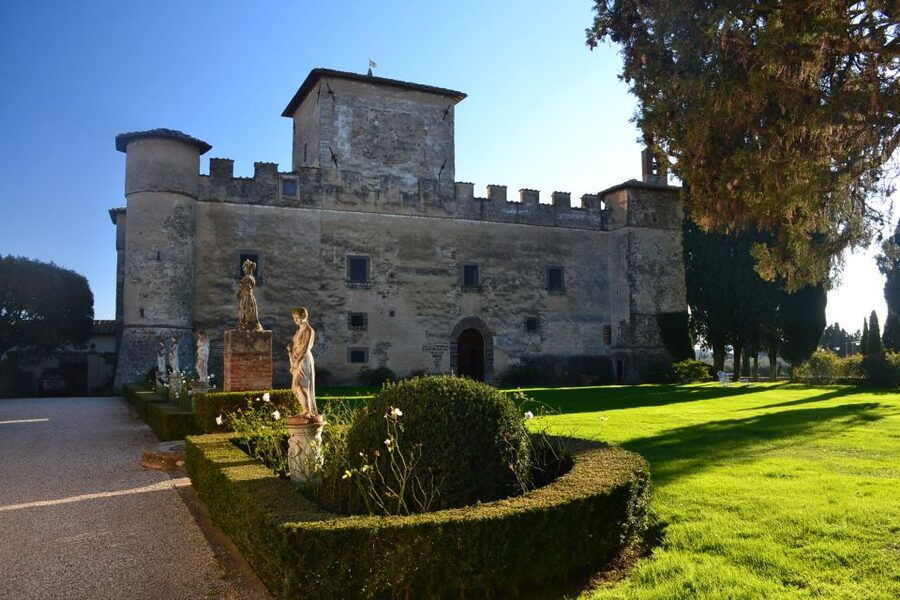
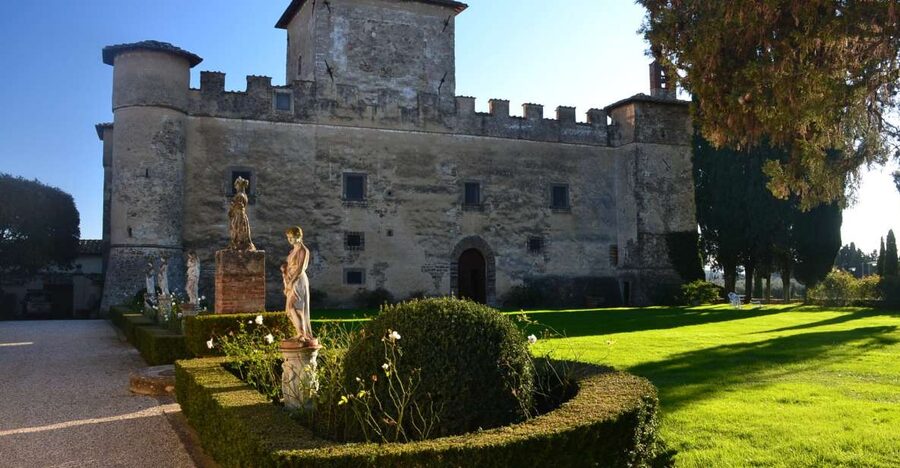
- Medieval Tuscan settings: Cellars and tastings take place at estates such as Castello della Panereta, Castello di Monsanto, Fattoria Montecchio, or Castello dei Rampolla.
- A proper food pause: Expect a light Tuscan lunch with pasta, cold cuts, and cheeses at a local restaurant.
- Useful wine guidance: Guides such as Matteo and Hillary explain the wines, tasting technique, serving, opening, and food pairings.
- Small-group transport: A minivan carries no more than eight participants between Florence and the countryside.
- Plan for a full day: The experience lasts seven hours and begins and ends at Piazza dei Cavalleggeri.
Why this Chianti day trip works
Many Florence day trips treat wine as a quick stop on a wider sightseeing circuit. This one gives wine a central role. You visit two estates, hear how the vineyards and cellars work, taste several levels of Chianti, and leave time for lunch rather than rushing from one photo stop to the next.
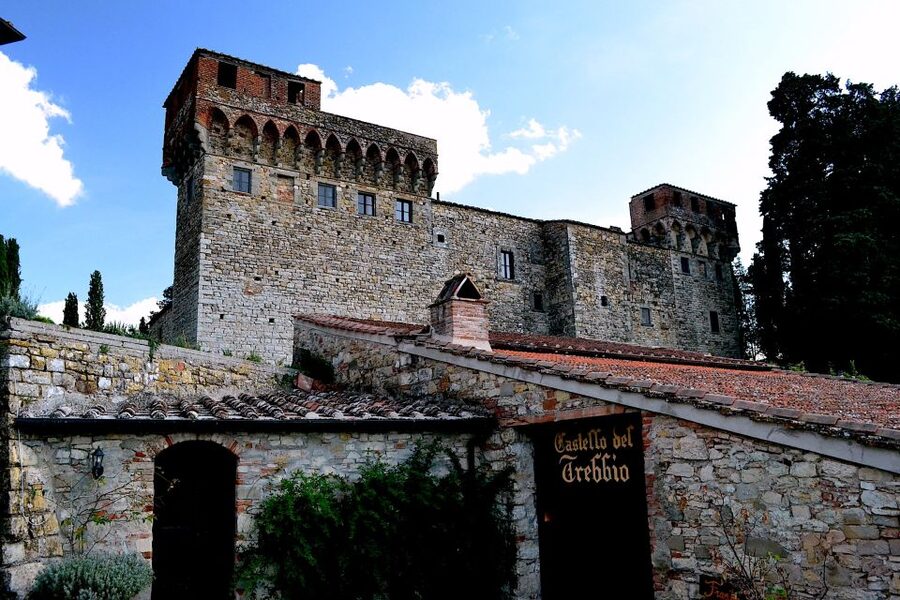
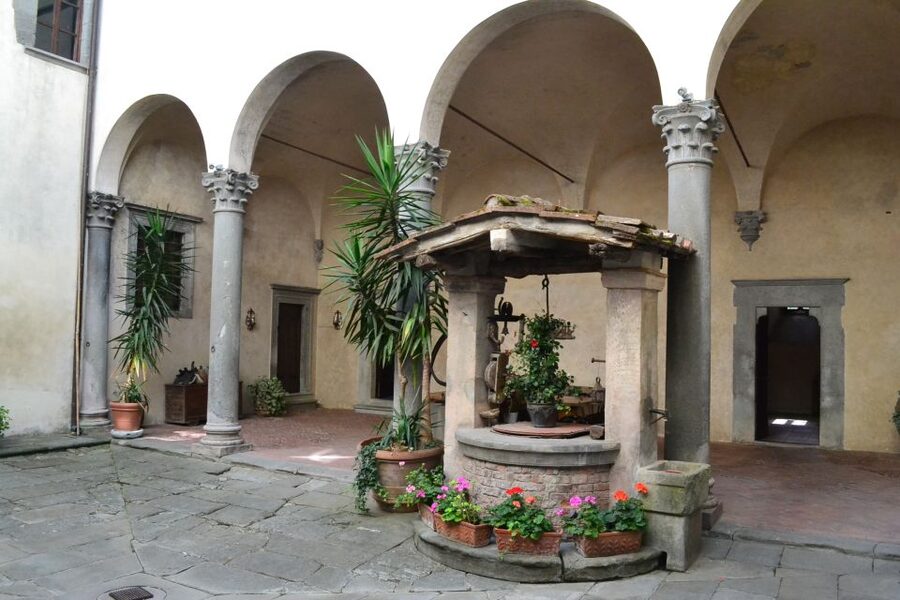
The setting adds plenty. Medieval castles and fortified estates are not just decorative backdrops here. They help explain why Tuscan wine production is tied so closely to old rural properties, family land, and long-established methods. You get a taste of the countryside without having to rent a car or work out the winding roads yourself.
The day is conducted in English and includes transport, tasting fees, lunch, and a local guide. At $283.21 per person, it is not a budget outing. The value comes from the combination of a small group, two estate visits, a meal, guided instruction, and door-to-door travel from a central Florence meeting point.
I would choose this tour if you want a focused wine day with some history and scenery. I would not choose it if you mainly want to see Florence’s museums, or if you prefer to pick every winery yourself.
More History Inside the Walls in Italy:
- Lake Garda: Historic Castle Cruise with Wine Tasting
★ 4.5 · 241 reviews - Edinburgh: Edinburgh Castle Guided History Tour with Tickets
★ 4.8 · 9,933 reviews - Charleston historical walking tour with a Professor of History at The Citadel
★ 5.0 · 1,284 reviews
Meeting in Florence and riding into the hills
The meeting point is Piazza dei Cavalleggeri, in front of the staircase of the Biblioteca Nazionale. The tour returns to the same spot, which is useful if you are staying in central Florence and do not want to arrange a separate pickup.
Transport is by minivan. With a maximum of eight participants, the ride should feel more personal than a large coach excursion, and the guide can usually keep the group together during cellar visits and tastings. You should still expect several hours of sitting in the vehicle across the day, since the route links Florence with the Rufina area and the Chianti hills.
The schedule lists the van sections as 45 hours, which cannot fit a seven-hour tour. This appears to be a listing error, likely intended to mean 45 minutes, but you should confirm the actual departure and transfer timing when you book. Starting times also depend on availability.
Wear comfortable shoes. You will not need luggage for this outing, and large bags are not allowed. Pets and smoking are also not permitted.
Rufina and the first castle estate
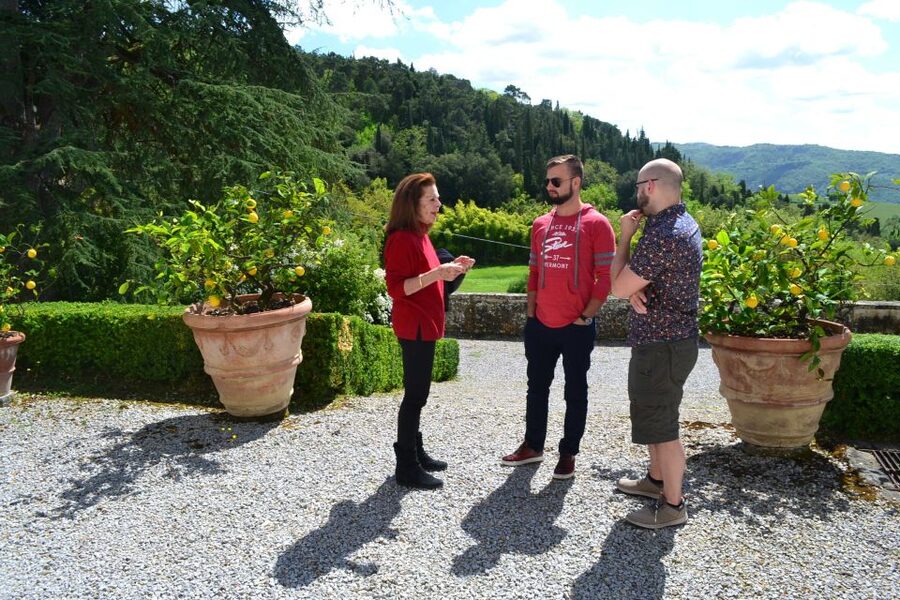
The first wine stop is in the Rufina area, where the scheduled tasting lasts about two hours. The named estate may be Castello della Panereta or Castello di Monsanto. Since the exact property can vary, you should treat the architectural setting as a feature of the tour, but not assume you will visit one specific castle unless the operator confirms it.
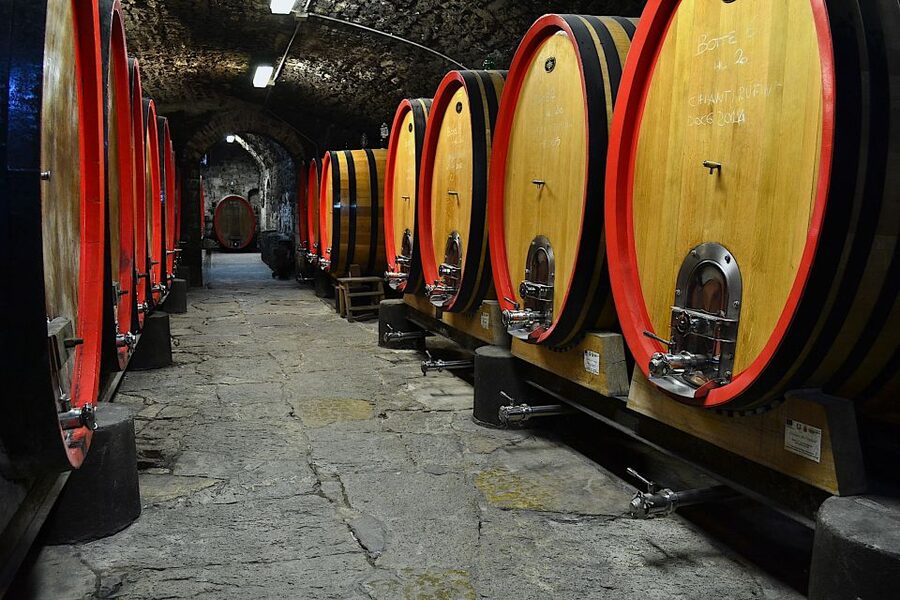
At the estate, the guide explains the cellars and the wines produced there. This is more useful than simply standing at a tasting counter because you get some context before the glass reaches your hand. You can expect the discussion to cover the estate’s production and the role of local wine-growing traditions.
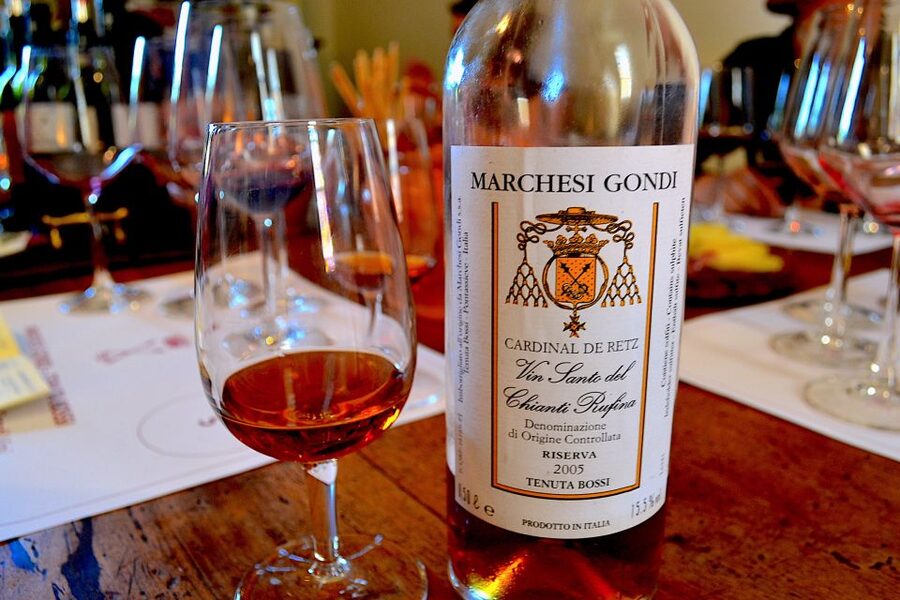
The tasting generally includes at least one standard Chianti Classico, a Chianti Classico Riserva, and a Super Tuscan. That lineup lets you compare wines made in different styles and price ranges. A Riserva is presented as a more developed version of Chianti Classico, while a Super Tuscan gives you a chance to taste a wine that sits outside the traditional Chianti classification system.
Your guide matters here. Matteo has been praised for combining clear information with wit. Hillary has also led this experience, helping people pay attention to their nose and palate rather than guessing at the right answer. That is a good fit if you know little about wine and do not want a formal tasting to feel intimidating.
Learning how to taste instead of just drinking
The strongest part of a guided tasting is not the number of samples. It is learning what to notice. Hillary’s approach, as described by the experience, includes encouraging people to trust their own senses. That makes the tasting more accessible than a lecture filled with technical terms.
You may also receive practical advice about opening a bottle, allowing wine time before serving, and matching wines with food. Those details have value after the tour because they help you use what you learned at home. A good guide should also explain why a wine feels different from the one before it, rather than simply labeling one as better.
The wine selection gives you a helpful structure. Start with a regular Chianti Classico, compare it with a Riserva, then consider the Super Tuscan as a separate expression of Tuscan winemaking. You do not need to be a serious wine enthusiast to enjoy this progression. The guide’s job is to make the differences understandable.
Keep your expectations sensible. This is a group tasting, not a private consultation with a winemaker. The estates, exact wines, and order of the tastings can change. Still, the inclusion of cellar visits and an English-speaking guide makes the experience more substantial than a simple series of samples.
More Castle Tours in Italy:
- Milan: Sforza Castle Entry Ticket with Digital Audio Guide
★ 4.0 · 2,675 reviews - Milan: Sforza Castle and Michelangelo’s Pietà Rondanini Tour
★ 4.7 · 1,119 reviews - From Siena: Chianti and Castles Tour with Wine Tastings
★ 4.6 · 631 reviews - Milan: The Last Supper & Sforza Castle Guided Tour
★ 4.6 · 610 reviews
A Tuscan lunch between the tastings
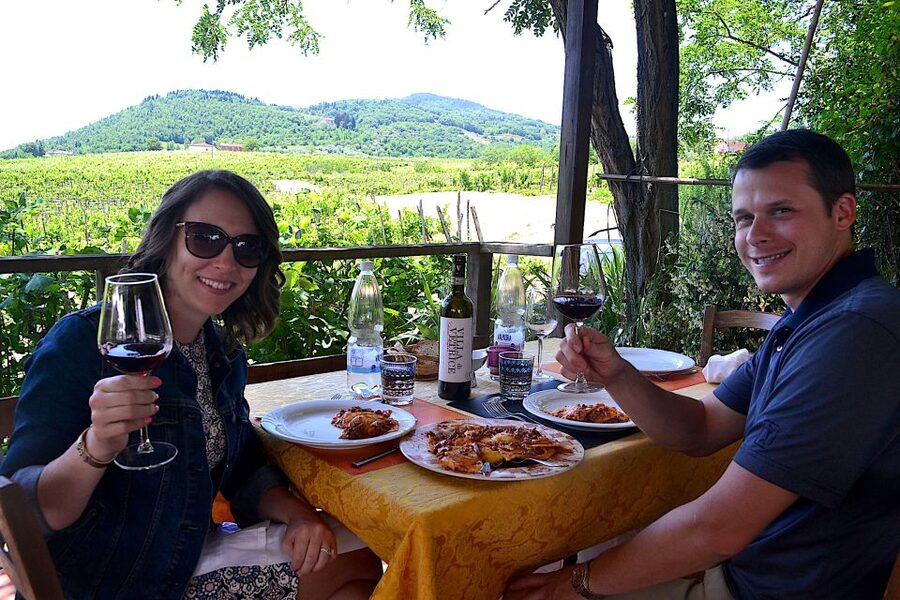
The midday stop is at a local restaurant for about two hours. Lunch is described as light, but it is still more than a quick sandwich. Expect a spread built around pasta, cured meats, and cheeses from Tuscany.
This pause is well placed. Wine tastings can become tiring when you move from one glass to another without food, and a local meal helps reset your palate. It also gives you a chance to sit down, talk with the guide, and enjoy the countryside at a slower pace.
I like that lunch is based on regional produce rather than a generic tourist menu. Tuscan food is often simple: good ingredients, restrained preparation, and food that works naturally with red wine. The meal is part of the cultural value of the day, not just fuel between stops.
The description does not specify a fixed menu, drinks beyond the included wine tastings, or special dietary arrangements. If you have food restrictions, ask before booking. The stated lunch is centered on pasta, cold cuts, and cheeses, so it may not suit every diet without advance notice.
The afternoon estate in the Chianti hills
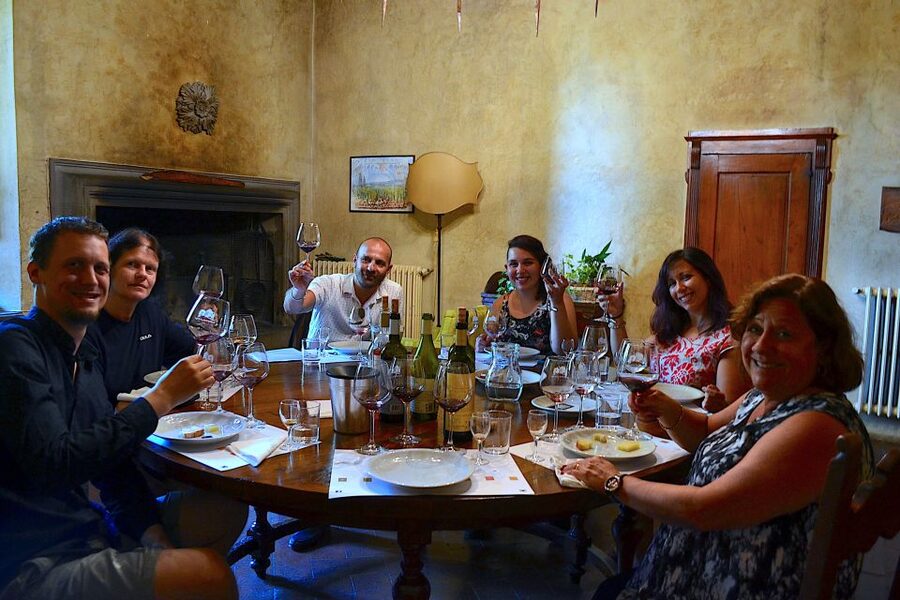
After lunch, the tour continues to a second wine estate in the Chianti hills. The possible destinations are Fattoria Montecchio or Castello dei Rampolla, and the tasting lasts about two hours.
This second visit gives the day a useful change of scene. Instead of hearing one estate’s story and leaving, you can compare two producers. The differences may appear in the setting, cellar presentation, wine style, or the way each guide explains production. Exact details depend on the estate assigned that day, so do not book expecting a particular property unless it is confirmed.
The afternoon tasting again focuses on prestigious Chianti wines. By this point, you will have a reference point from the first estate, which makes comparison easier. You can think about the balance between the wines, the effect of aging, and which bottles work best with the foods served at lunch.
The castle and villa settings are a major part of the appeal. You get historic architecture without giving up the main purpose of the trip, which is tasting and learning about wine. If you are choosing between a basic winery transfer and a more shaped day in the country, this second estate visit is one reason the higher price can make sense.
The ride back through rural Tuscany
The return to Florence takes you through the Tuscan countryside. The drive is not a formal sightseeing stop, but it is part of the day’s pleasure. You can relax in the minivan, look out at the hills, and let the guide fill in more details about the region if time allows.
Do not expect a full castle tour, a long hike, or a packed list of village visits. The schedule is built around two tastings and lunch. That focus is a strength for wine lovers, but a limitation if you want to see many towns or monuments in one day.
The seven-hour duration is long enough to make the countryside feel like a real change from Florence, yet short enough to fit into a typical Italy itinerary. Leave your evening reasonably open, since the return time depends on traffic and the day’s pacing.
Price, group size, and what is included
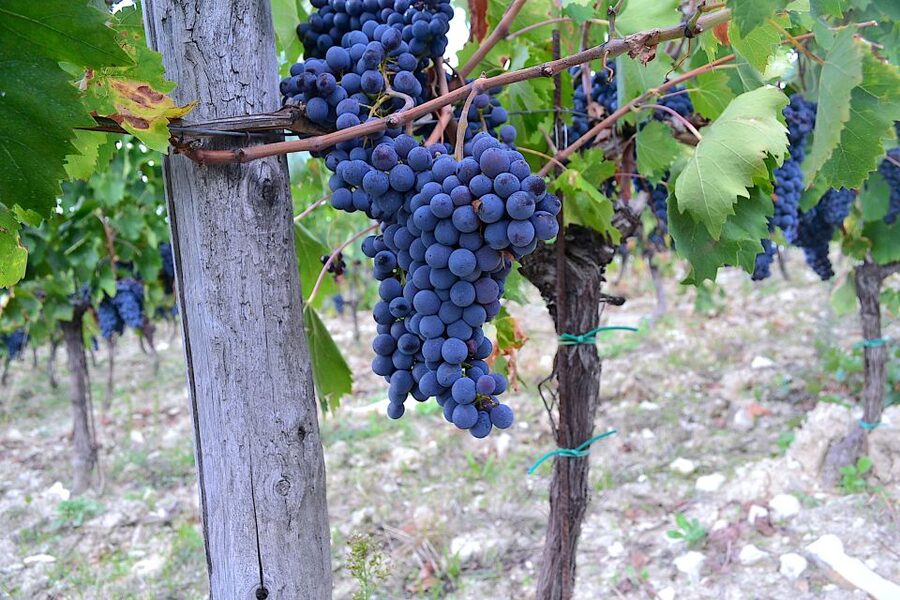
At $283.21 per person, the tour asks you to pay for convenience and structure. Included in the price are an expert local guide, minivan transport, wine tasting fees, and lunch. You do not have to pay separately at each estate or find a restaurant between visits.
The group limit of eight is especially important. A small group can make cellar explanations easier to hear and gives the guide more room to answer questions about wine. It also makes the minivan format more appealing than a large bus.
The price is harder to justify if you are mainly interested in transportation to the hills. You can find cheaper ways to reach wineries, but this experience combines driving, food, two tastings, and instruction. I see it as fair value for someone who wants an organized wine day and would otherwise need to arrange several separate bookings.
Optional activities and personal expenses are not included. Since the exact estates can change, check what is covered at the time of booking if you have a particular winery or add-on in mind.
Who should book this experience
This tour suits you best if you:
- Enjoy red wine and want to understand the differences between Chianti styles.
- Like historic buildings, rural scenery, and food as much as the tasting itself.
- Prefer a small group to a large coach.
- Want an English-speaking guide to explain the wines in plain terms.
- Are staying in Florence and do not want to drive after drinking wine.
- Can manage a full day with minivan travel and time on your feet.
It is less suitable for anyone with mobility impairments, since the experience is specifically not recommended for them. It is also not suitable for pregnant women. Comfortable shoes are required, and large bags are not allowed.
The guides are a meaningful part of the experience. Matteo brings humor and strong local knowledge, while Hillary is especially good at making wine tasting feel approachable and practical. The names and guide assignment are not guaranteed, but they give you a sense of the personal style available.
Booking and cancellation details to check
You can reserve now and pay later, which helps if your Florence plans are still shifting. The activity offers free cancellation up to 24 hours in advance in its general booking terms, but the detailed cancellation conditions are stricter and appear to conflict: cancellations more than seven days before the tour may incur a EUR 20 administration fee, cancellations before 24 hours may be charged 50 percent, and cancellations within 24 hours or no-shows are charged in full.
Because those terms do not match perfectly, read the final conditions shown at checkout and ask the provider if needed. This is especially important for a high-priced day trip.
Should you book this Chianti wine tour?
Book it if you want two serious wine stops, a Tuscan meal, historic estate settings, and a small group without arranging the details yourself. The best reasons to choose it are the castle locations, the comparison between several Chianti styles, and the guides’ practical help with tasting and food pairing.
Skip it if you want a cheap countryside transfer, a fixed winery list, or a broad sightseeing tour with many villages. Also confirm the exact estates, transfer times, and cancellation terms before paying. For an English-speaking wine day from Florence, though, this is a well-balanced choice for people who value time, comfort, and a little more substance than a quick tasting.
FAQ
Where does the tour start and end?
It starts at Piazza dei Cavalleggeri, in front of the staircase of the Biblioteca Nazionale, and ends back at the same meeting point.
How long does the experience last?
The tour lasts seven hours. Starting times vary, so you need to check availability for the date you want.
How many people are in the group?
The group is limited to eight participants.
What language is the tour conducted in?
The live tour guide speaks English.
Which wineries will I visit?
The morning visit is scheduled for either Castello della Panereta or Castello di Monsanto. The afternoon visit is scheduled for either Fattoria Montecchio or Castello dei Rampolla. The exact estates may vary.
Is lunch included?
Yes. Lunch at a local restaurant is included and features Tuscan specialties such as pasta, cured meats, and cheeses.
What should I bring, and what is not allowed?
Bring comfortable shoes. Pets, smoking, luggage, and large bags are not allowed.
Newly walked in Italy
- HIKING TOUR: VARENNA, Castle of VEZIO Villa MONASTERO, FIUMELATTE★ 5.0 · 48 reviews
- Castles of Puglia Day Trip from Bari★ 4.5 · 7 reviews
- Enchanted Castle of Sciacca – Museum Tickets★ 3.5 · 63 reviews
- Taormina; Taormina Castle Tour★ 3.8 · 11 reviews
- St. Angel’s Castle: 2-Hour Private Tour★ 5.0 · 9 reviews
- Milan: Skip-the-line Sforza Castle and Museums Private Tour★ 4.7 · 7 reviews
- Siena: Tour and Wine Tasting in a Tuscan Private Castle★ 4.9 · 50 reviews
- Sforza Castle & Michelangelo’s Pietà Rondanini Guided Tour★ 4.7 · 3 reviews
Historical Tours, compared.
Edinburgh Castle Guided History Tour with Tickets
Read our review →
Charleston historical walking tour with a Professor of History at The Citadel
Read our review →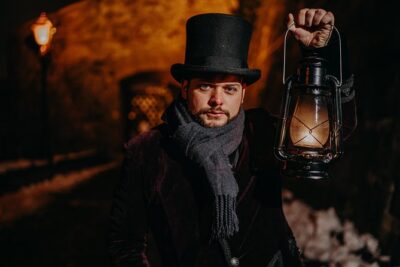
Buda Castle District Dark History, Legends and Vampire Night Tour
Read our review →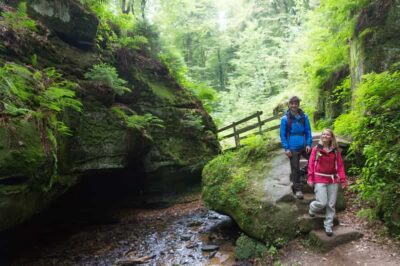
Luxembourg: Nature, History and Castles Full-Day Tour
Read our review →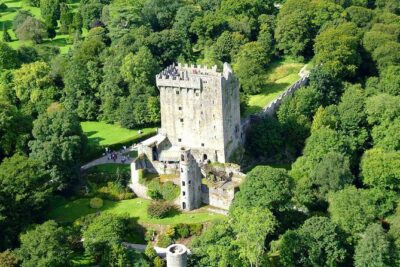
Dublin to Cork, Blarney Castle & Cóbh Heritage Centre by train
Read our review →
Lake Garda: Historic Castle Cruise with Wine Tasting
Read our review →
Castle History Walking Tour / Castle Tower Admission
Read our review →Browse the lists this tour appears in