Review · KRAKOW
Krakow: Wawel Castle and Cathedral Guided Tour
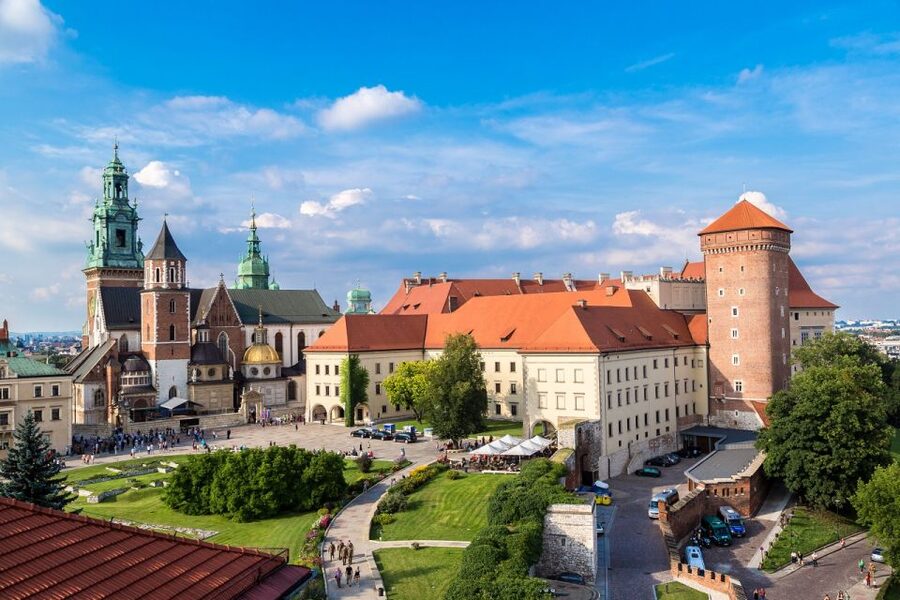
Wawel Castle and Cathedral pack Poland’s royal story into one hilltop visit. You’ll see the rooms where monarchs lived, the cathedral where they were crowned, and the crypts where kings and national figures were buried. The Sigismund Bell adds a memorable finish, with a chance to touch it for luck and look across Krakow.
I like the tour’s clear historical storytelling and its practical skip-the-line access, which matters at a major sight with limited entry times. I also like the range of guides, including Helena, Anna, Jacek, Joanna, and Helen, who are repeatedly praised for an easy pace and strong command of Polish history. The main drawback is time: two hours gives you a brisk overview, not a slow visit to every room and collection.
Key points to know before you book
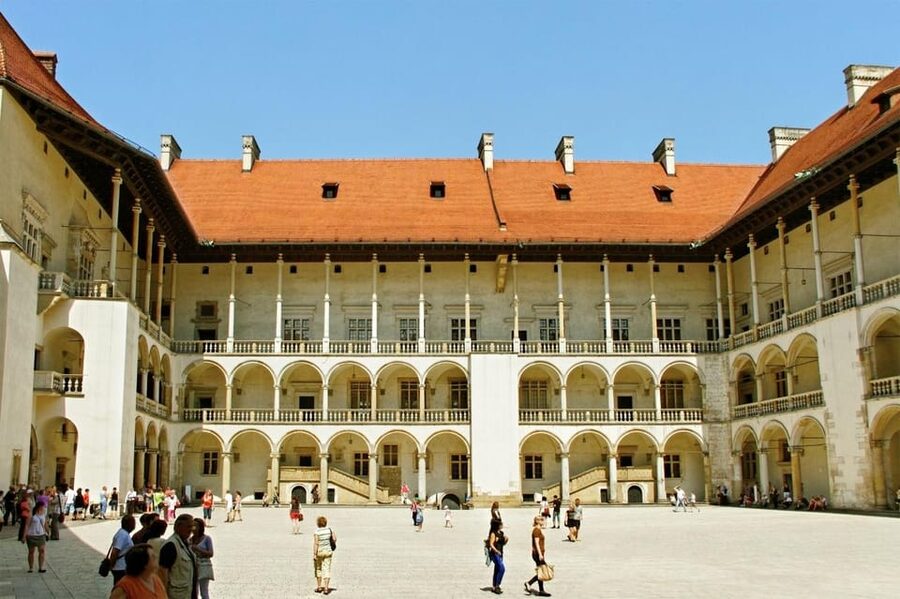
- The meeting point is off Wawel Hill: Find the Piotr Skarga Monument on St. Mary Magdalene Square, not the castle entrance.
- The tour covers two very different sights: Expect royal apartments and art at the castle, then chapels, tombs, and religious art in the cathedral.
- The castle exhibition can vary: Fast-track entry applies to one permanent exhibition, depending on availability.
- The pace is brisk but generally manageable: Two hours works well for a first visit, though you may want extra time afterward.
- Small groups are possible: The maximum is 30 people, but some departures have had only two to four participants.
- Dress for a church visit: Shoulders and knees must be covered, and comfortable shoes are essential.
Why Wawel Hill matters in Krakow
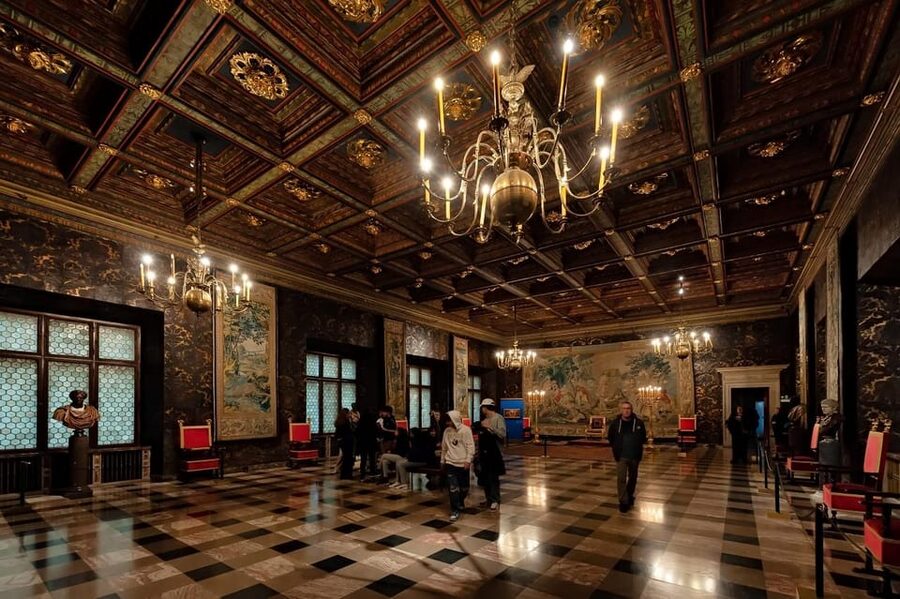
Wawel is more than a handsome castle complex. It is one of the clearest places in Krakow to understand Poland as a kingdom, a Catholic country, and a nation shaped by changing borders and outside influence.
The castle and cathedral sit side by side, but they tell different parts of the story. The Royal Castle presents power through rooms, paintings, weapons, furnishings, and court life. The cathedral presents power through coronations, royal tombs, chapels, bells, and religious ceremony.
That contrast is one of the best reasons to book a guide. You can look at a decorated ceiling or a stone tomb on your own, but it takes context to understand why it matters. Guides such as Helena, Anna, and Jacek have been praised for explaining the past in a way that is easy to follow, rather than unloading dates and names without a clear thread.
You should expect a lot of information in a short period. The strongest guides keep the story moving, answer questions, and make room for photographs. The two-hour format is useful if you have limited time in Krakow, but it is not designed for a leisurely museum afternoon.
More Castle and Cathedral Tours in Krakow
- Krakow: Wawel Castle & Cathedral Guided Tour
★ 4.7 · 2,111 reviews - Krakow: Wawel Royal Hill with Optional Castle and Cathedral
★ 4.2 · 1,220 reviews - Krakow: Wawel Castle and Cathedral Guided Tour
★ 4.7 · 273 reviews
Meeting at St. Mary Magdalene Square
Your tour begins at the Piotr Skarga Monument on St. Mary Magdalene Square. This detail matters because the meeting point is not on Wawel Hill, and it is easy to walk straight toward the castle and assume you should meet there.
Look for the guide holding a Wawel Castle and Cathedral Guided Tour sign. Arrive at least 10 minutes early. Once the group has entered, late arrivals cannot join, and the ticket cannot be refunded.
The location is central enough to fit neatly into a day of sightseeing, but give yourself time to identify the monument. One past departure had a guest who struggled to find the meeting place, and the operator came to help. That was a useful rescue, but you should not count on needing one.
The group can include up to 30 people, in line with museum rules. That is a reasonable maximum for a popular attraction, though it is not the same as a private tour. At smaller departures, the experience can feel much more personal. Some groups have been as small as two or four people, allowing plenty of questions.
Tours are offered in English, German, French, Polish, Italian, and Spanish. Choose one language when booking, since groups are conducted in a single language.
Inside the Royal Castle’s State Rooms
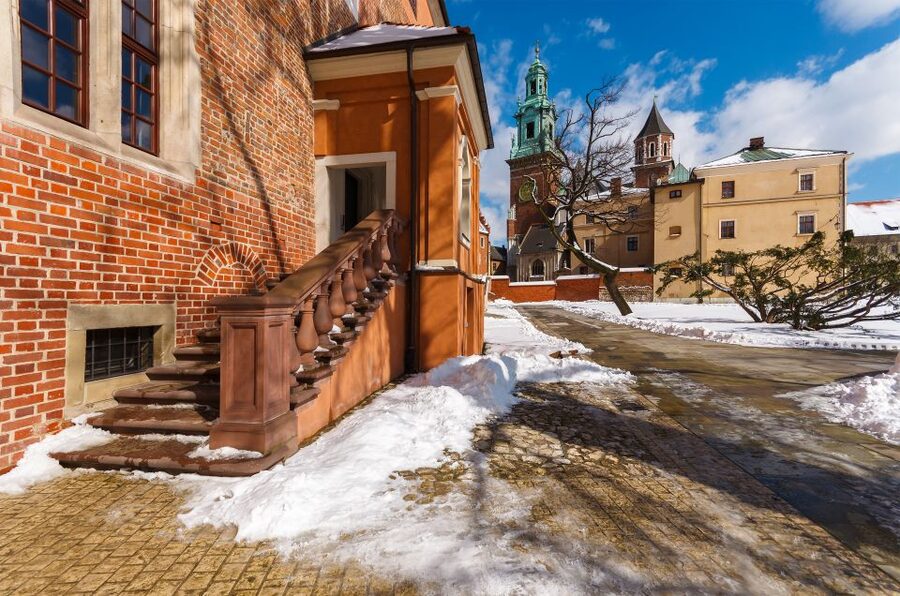
The castle portion focuses on the royal interiors and one permanent exhibition, with the exact exhibition subject to availability. You might enter the State Rooms and see Renaissance design, decorated ceilings, historic furnishings, and large woven wall hangings. You may also encounter sections devoted to paintings, porcelain, weapons, or Eastern art.
The castle’s appeal is not simply its size. It is the way the collections show Poland’s ties to the rest of Europe and the Ottoman world. The Italian paintings associated with the Lanckoroński collection are an important part of the art story. The collection of Ottoman tents is another unusual feature, described as the largest of its kind in Europe.
That range gives the tour more variety than a straightforward royal residence visit. One moment you are looking at court decoration, and the next you are hearing about military objects or trade and diplomacy. A good guide helps connect those objects to Poland’s position between Western Europe and the Ottoman sphere.
Do not expect every castle room to be open or every collection to appear on every tour. The included fast-track access applies to one permanent exhibition, and availability varies. This is worth checking if you are booking mainly for a particular gallery.
The castle can also feel more restrained than grander royal residences elsewhere in Europe. You might not find a long sequence of bedroom, dining, and private apartment displays. Some of the building’s historic contents were lost or removed over time, so the visit relies heavily on architecture, selected objects, and explanation.
That is where the guide makes a real difference. Chelsea, who visited with a teenager, found that the guide explained why some expected objects were missing. This is useful context: an apparently modest room or incomplete collection is not necessarily a failure of the museum. It may reflect Poland’s difficult past and the movement or loss of royal possessions.
The Lanckoroński paintings and international collections
Art lovers should pay close attention to the guide’s explanation of the Italian paintings. The Lanckoroński collection gives the castle a direct link to Renaissance and later Italian art, while the other displays broaden the story beyond Polish court life.
The collections of porcelain and weapons offer a change of pace from paintings and interiors. The Eastern art displays, especially the Ottoman tents, show how the castle’s objects reflect diplomacy, conflict, collecting, and cultural exchange.
You will not have time to study every work in detail. The guide’s job is to identify the objects that best explain the castle and point out details you might otherwise pass. If you want a long, quiet look at individual paintings, plan to return on your own if the museum’s opening hours and ticket rules allow.
For most people, the value is in seeing the main highlights with a clear explanation. The tour prevents you from spending your limited time wondering what matters most.
More Castle and Cathedral Tours in Poland
- Krakow: Wawel Guided Tour – Cathedral and/or Castle
★ 4.5 · 249 reviews
Wawel Cathedral, where Poland’s kings were crowned
The cathedral changes the mood. The castle rooms show how rulers lived, while the cathedral shows how they were publicly recognized, buried, and remembered.
This is where Polish monarchs were crowned and married, and where many were laid to rest. The interior includes ornate chapels, golden domes, tombs, and carefully worked architectural details. Several people who enjoyed the tour especially liked the cathedral, and I can understand why. Its meaning is immediate: you are not only looking at a church, but at a place tied to the ceremonial life of the Polish monarchy.
The route can be crowded, particularly around the cathedral entrance. A guide helps keep the visit orderly and gives you a framework while you wait or move through the interior. Dress respectfully, with shoulders and knees covered. Shorts and sleeveless tops are not permitted in places of worship and selected museum areas.
The cathedral is also a place where a guide’s tone matters. The best accounts are not just lists of coronations and burials. They explain how the building connects religion, royal authority, and national memory. Several guides, including Joanna, Helena, and Helen, have been praised for bringing that story to life without losing the human side of it.
The Sigismund Bell and views over Krakow
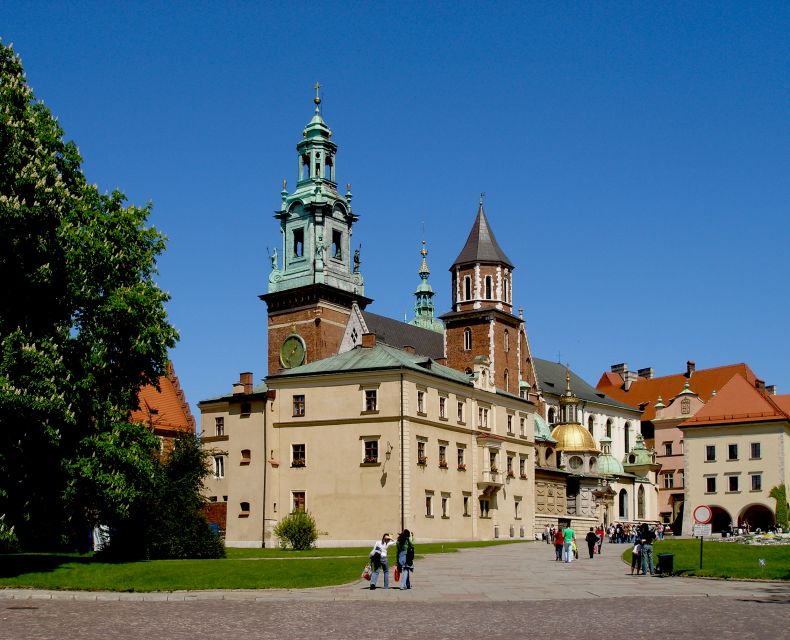
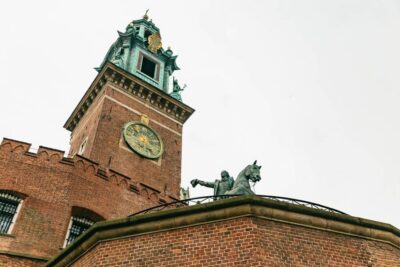
The bell tower adds one of the tour’s most distinctive moments. You climb to see the Sigismund Bell, touch it for good luck, and take in views across Krakow.
This part requires effort. The tour involves walking and stairs, so comfortable shoes are a must. The climb also takes time from the castle and cathedral interiors, but it gives the visit a physical change of pace and a memorable view.
The bell itself is more than a photo stop. It connects the cathedral to public ceremony and national identity. Touching it for luck is a simple tradition, but it gives you something active to do rather than merely look at another historic object.
Several people wanted more time for the views. That is a fair criticism of a two-hour visit. You may have only a short window to take photographs before the group moves on, especially if the route is busy. If the view matters to you, listen closely to the guide’s instructions and have your camera ready.
The royal crypts and Poland’s national memory
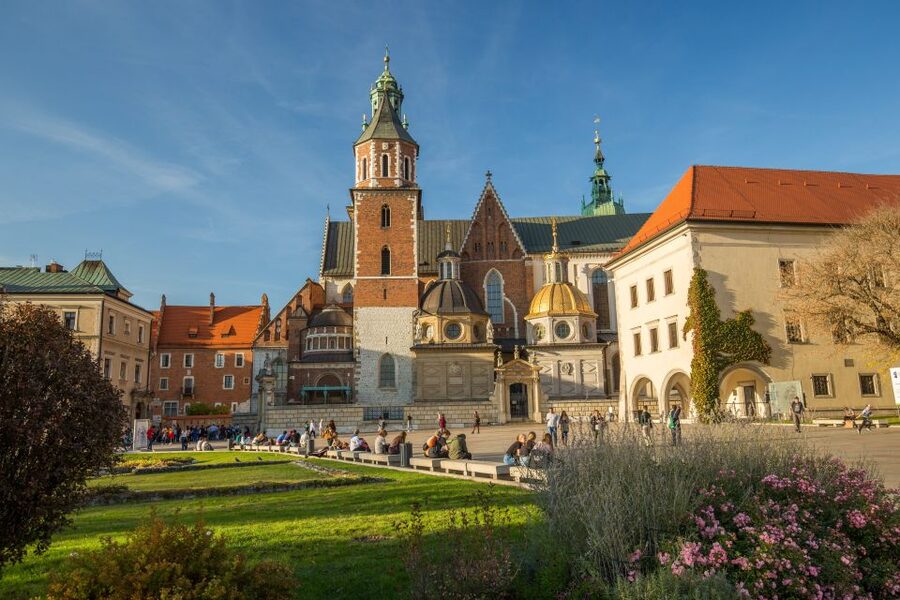
The tour continues below the cathedral to the royal crypts. This is the most solemn part of the visit and one of the clearest links between the building and Polish history.
The crypts hold the remains of Poland’s rulers and other major national figures. Seeing royal sarcophagi makes the cathedral’s role concrete. The people discussed in the castle rooms are no longer just names connected to a throne or a date. Their tombs are part of the place where the country remembers them.
The crypts are not a lighthearted stop, and a good guide will give the space appropriate respect. You will hear about monarchs, national heroes, and figures who shaped Poland’s political and cultural life. The cathedral therefore works as both a religious building and a national memorial.
For some visitors, this is the strongest part of the tour. It offers a direct sense of continuity, even though Poland’s political story has included invasion, partition, loss, and change.
How good is the two-hour pace?
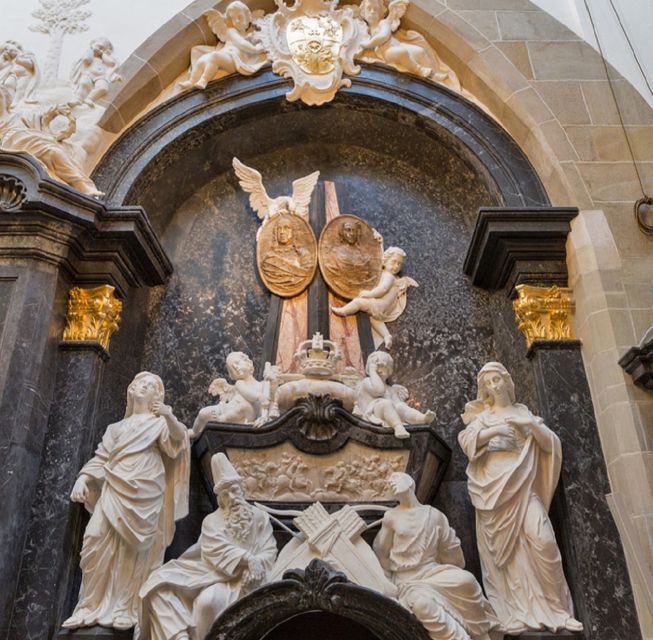
The pace is one of the tour’s strengths and its main limitation. Many people have found it comfortable, with enough time to listen, look around, and take photographs. Guides such as Anna, Helen, and Joanna have been praised for explaining a great deal without making the visit feel rushed.
Still, two hours goes quickly at Wawel. You are covering a castle exhibition, a cathedral, a tower, and the crypts. You will get a useful overview, but you may not have time to linger in every room or examine every object.
I would book this format if you want structure and a strong introduction. It is especially helpful on a first visit, when the site’s layers of history can otherwise blur together. If you already know Wawel well or want detailed art study, you may find the tour too compressed.
The guide’s pace can also depend on group size. A four-person group may move more easily and allow more questions. A group of 30 may take longer to pass through doorways and gather in busy spaces, even with headsets. Headsets are provided for groups of nine or more, which helps you hear the guide in crowded areas.
Is $57 a fair price?
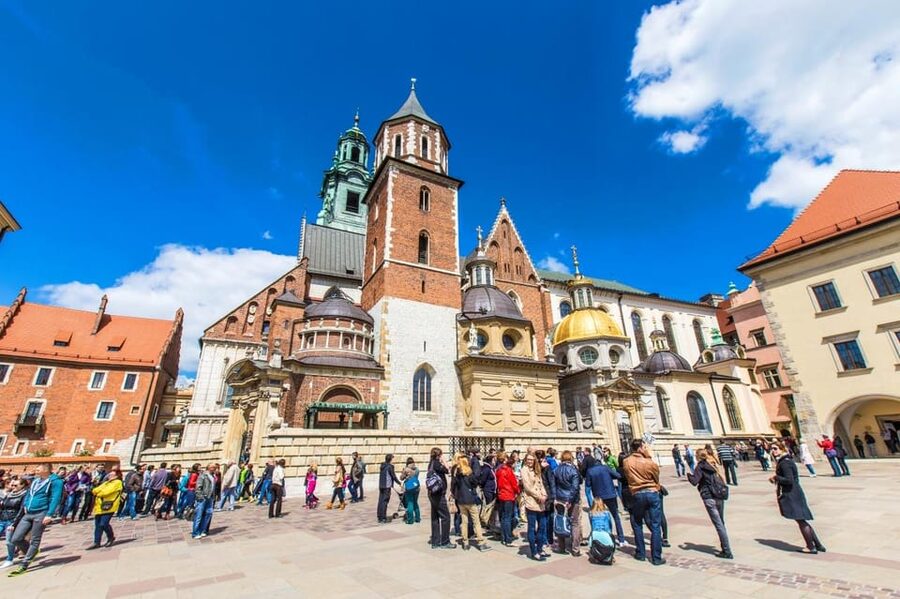
At $57 per person, this is not the cheapest way to see Wawel. You are paying for the guide, entry to the cathedral, fast-track access to one permanent castle exhibition, and the convenience of having the route explained in a single two-hour visit.
The value is strongest if you care about history and want to understand what you are seeing. Several people who had considered visiting alone found that the extra cost gave them far more context. That is especially true at the castle, where the meaning of a painting, room, or missing object may not be obvious.
The price is less compelling if you mainly want to walk around at your own speed. You will not have unlimited time for photographs, and the exact castle exhibition can vary. You may also leave wanting another hour to explore.
Free cancellation up to 24 hours before the start and reserve-now, pay-later booking make it easier to fit the tour into a changing Krakow schedule. These terms do not change the tour itself, but they reduce the risk of booking around uncertain plans.
Who should book this Wawel tour?
I would recommend it to first-time visitors, history students, art lovers, and anyone who wants the main Wawel story without planning a detailed route. The guides are the key reason to choose it. Names such as Helena, Anna, Jacek, Krzysztof, Joanna, and Helen appear across the tour’s guide team, and the strongest pattern is clear explanation, friendly delivery, and a pace that keeps moving.
Families with older children and teenagers can also do well here. The visit has enough variety to hold attention: royal rooms, paintings, weapons, chapels, a huge bell, views, and underground crypts.
I would hesitate if you dislike stairs, have strict mobility needs, or prefer extended quiet time in museums. The tour includes walking, a tower climb, and a short schedule. I would also arrive early and dress for the cathedral, since a late arrival or unsuitable clothing can stop the visit before it begins.
Should you book it?
Book this tour if you want Wawel’s royal and religious story to make sense, not just a series of impressive rooms. The guide-led format adds real value, and the combination of castle, cathedral, bell tower, and crypts gives you a strong first look at Krakow’s most important historic site.
Skip it if you want to explore every exhibition slowly or are mainly looking for a quiet photo visit. For most first-time visitors, though, $57 is a reasonable trade for priority entry, expert explanation, and a well-paced introduction to Wawel Hill.
FAQ
How long does the Wawel Castle and Cathedral tour last?
The tour lasts two hours.
Where does the tour meet?
Meet your guide at the Piotr Skarga Monument on St. Mary Magdalene Square. The meeting point is not on Wawel Hill.
How early should I arrive?
Arrive at least 10 minutes before the scheduled start. Once the group has entered, late arrivals cannot join and tickets are non-refundable.
What languages are available?
Tours are offered in English, German, French, Polish, Italian, and Spanish. Each group uses one language selected at booking.
Is the castle exhibition always the same?
No. Fast-track access applies to one permanent Wawel Castle exhibition, and the available exhibition can vary.
Is there a dress code?
Yes. In the cathedral and selected museums, clothing must cover your shoulders and knees. Shorts and sleeveless tops are not permitted.
Are headsets provided?
Headsets are provided for groups of nine or more participants.
More Guided Castle Tours in Poland
- Warsaw: Skip-the-Line Royal Castle Guided Tour
★ 4.9 · 79 reviews
More Guided Castle Tours in Krakow
- Krakow: Wawel Castle Guided Tour with Entry Tickets
★ 4.4 · 381 reviews
Newly walked in Poland
- Gdansk and Malbork Castle Small Group Tour from Warsaw with Lunch★ 4.5 · 20 reviews
- Everyday Chopin Concert at 7 PM with candlelight by the Castle★ 4.5 · 100 reviews
- Warsaw: Skip-the-Line Royal Castle Guided Tour★ 4.9 · 79 reviews
- 3 hour: Warsaw Old Town with Royal Castle /inc. Pick-up/★ 4.7 · 14 reviews
- Wroclaw: Project Riese and Ksiaz Castle Private Tour★ 4.7 · 39 reviews
- Malbork Castle Private Tour from Gdansk★ 5.0 · 25 reviews
- Gdansk: Malbork Castle Regular Tour★ 4.8 · 110 reviews
- From Gdansk: Malbork Castle Half-Day Private Tour★ 4.8 · 29 reviews
Wawel & Polish Castles, compared.
Wawel Royal Hill with Optional Castle and Cathedral
Read our review →
Old Town & Wawel Castle Walking Tour in English
Read our review →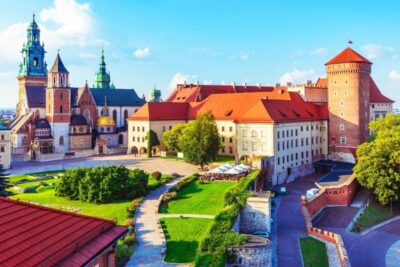
Skip-the-Line Wawel Castle Chambers Private Tour
Read our review →