Review · KRAKOW
Rynek Underground Museum & Wawel Castle, Cathedral – Cracow
Kraków’s past is stacked in layers, and this four-hour tour lets you walk through two of the city’s most important: the medieval market buried beneath the Main Square and the royal complex on Wawel Hill. I like the Rynek Underground Museum for its original stone streets and everyday objects, and I like the castle visit for connecting Poland’s rulers, faith, and national memory in one morning or afternoon.
The guide adds useful context to both sites, especially when explaining how trade shaped medieval Kraków. The main thing to watch is the change between the two visits: after the underground museum, you meet again at another location for Wawel, so ask your guide for the exact meeting instructions before leaving. Also arrive early, since latecomers cannot join.
Key points to know
- Medieval Kraków below the Main Square: Walk past original streets, market remains, coins, tools, jewelry, and other objects found under Rynek.
- Two major sights in four hours: The tour links the city’s commercial past with Wawel’s royal and religious traditions.
- One Wawel exhibition included: Your ticket covers the State Rooms, Royal Private Apartments, or Crown Treasury, depending on availability.
- Cathedral, tower, and crypts: See the national shrine, the Sigismund Bell, and the burial place of kings, poets, and national heroes.
- Languages and group limits: Choose English, Polish, French, Italian, or Spanish when booking. Groups can include up to 30 people.
- A few rules matter: Cover your knees and shoulders in the cathedral and arrive 10 minutes early.
Beneath Rynek, Kraków’s medieval market still speaks
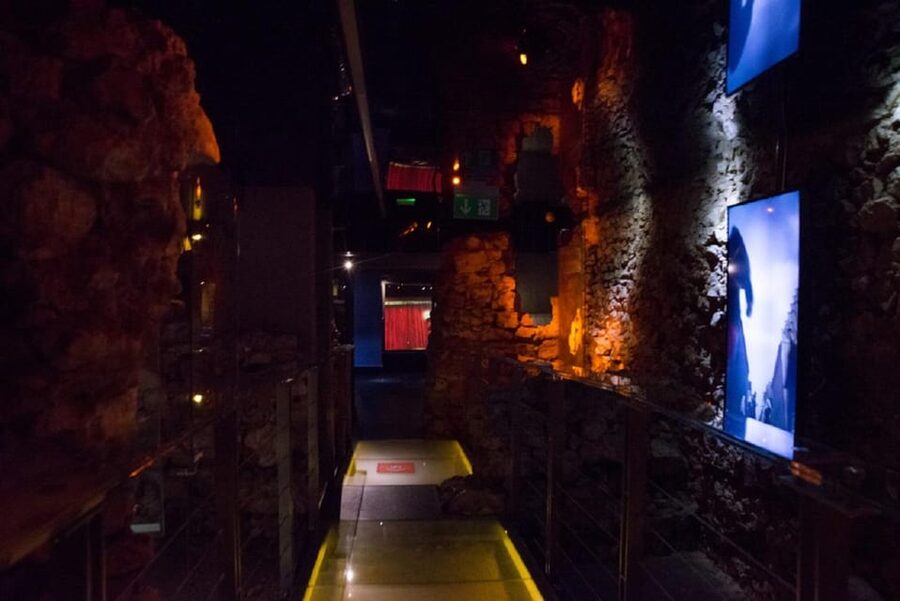
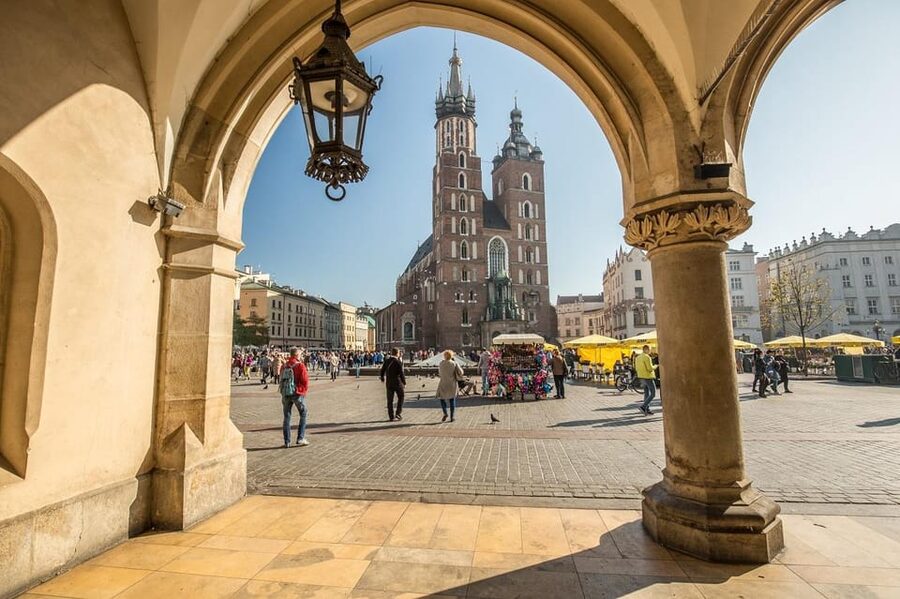
The Rynek Underground Museum begins below Kraków’s Main Square, where modern cafés and horse carriages sit above buried layers of the old city. You descend into a world of archaeological remains, narrow passageways, and original stone surfaces.
I like this museum because it gives you a physical sense of how Kraków changed. You are not just looking at a medieval map on a wall. You are walking along parts of the market that once carried merchants, craftsmen, shoppers, and visitors from across Europe.
Your guide helps turn the remains into a scene you can picture. You hear about merchants calling out their goods, workshops filling the square with work and noise, and foreign traders adding to the city’s growth. The strongest part of the visit is the link between ordinary life and major events. Coins, tools, jewelry, and household objects show what people handled every day, while the layers of construction reveal how prosperity, disaster, and rebuilding changed Kraków.
The displays also help explain why the city became an important trading point. The Main Square was not only a grand open space. It was a place where goods moved, languages mixed, and skilled workers made a living. That human scale keeps the museum from feeling like a collection of disconnected ruins.
More Castle and Cathedral Tours in Krakow
- Krakow: Wawel Castle & Cathedral Guided Tour
★ 4.7 · 2,111 reviews - Krakow: Wawel Royal Hill with Optional Castle and Cathedral
★ 4.2 · 1,220 reviews - Krakow: Wawel Castle and Cathedral Guided Tour
★ 4.6 · 595 reviews
What makes the underground museum worth your time
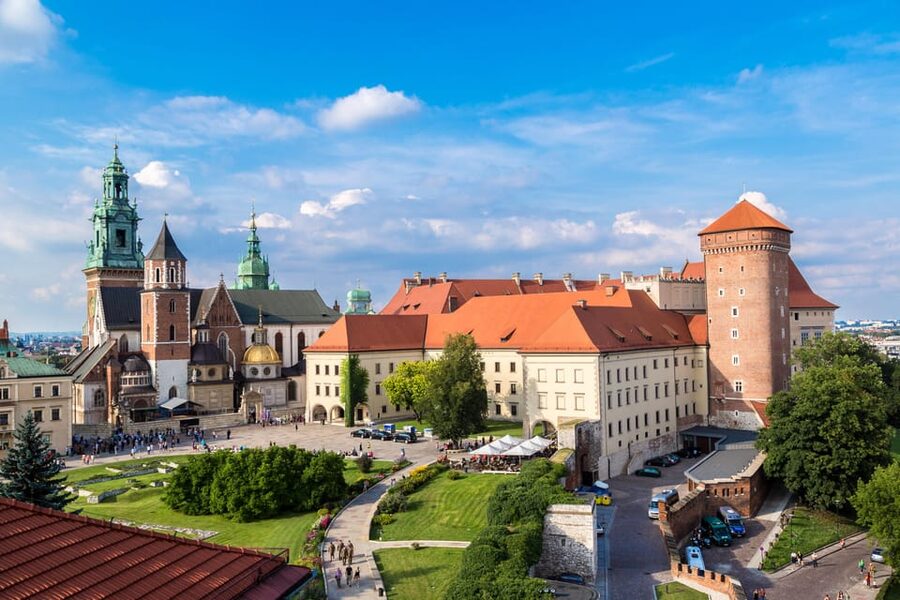
Some visitors prefer a traditional museum with large paintings and grand rooms. Rynek Underground offers something different. Its appeal comes from the setting, the archaeology, and the stories that connect small finds to a larger city.
You might see a simple object that says more about daily life than a royal portrait does. A coin suggests trade and travel. A tool points to a craft. Jewelry hints at personal taste, status, or family life. These details make the past feel close without pretending that medieval Kraków was easy or comfortable.
The museum also gives you a better view of the Main Square above. After this visit, the paving and surrounding buildings make more sense because you have seen what lies below them. Kraków’s Old Town becomes a city built over earlier streets, stalls, and foundations rather than a perfectly preserved scene from one single period.
The route uses passageways and uneven historic surfaces, so you should expect a museum that feels more like an archaeological site than a conventional gallery. The supplied information does not give specific accessibility details, so ask the provider if you have mobility concerns.
Moving from the market to Wawel Hill
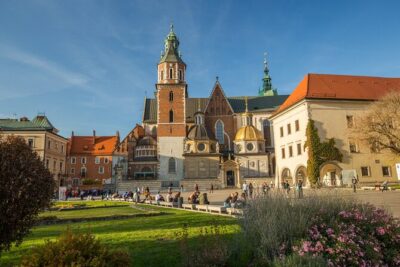
The tour then shifts from commerce to power. Wawel Hill rises above the Vistula River and carries a different mood from the Main Square. Here, the focus is Poland’s royal past, Catholic tradition, and the figures remembered as part of the nation’s story.
This is also the point where you need to pay attention to instructions. The two parts are separate visits, and you meet at another place after the underground museum. One French-speaking participant had to ask for the information, which is a useful warning for anyone who likes clear logistics. Before you leave the first site, confirm the next meeting point and timing with your guide.
The tour does not include every Wawel exhibition. It includes one permanent exhibition, chosen according to availability: the State Rooms, Royal Private Apartments, or Crown Treasury. That flexibility is practical, but it means you may not know the exact interior collection until the day of your visit.
Inside Wawel Castle’s State Rooms and apartments
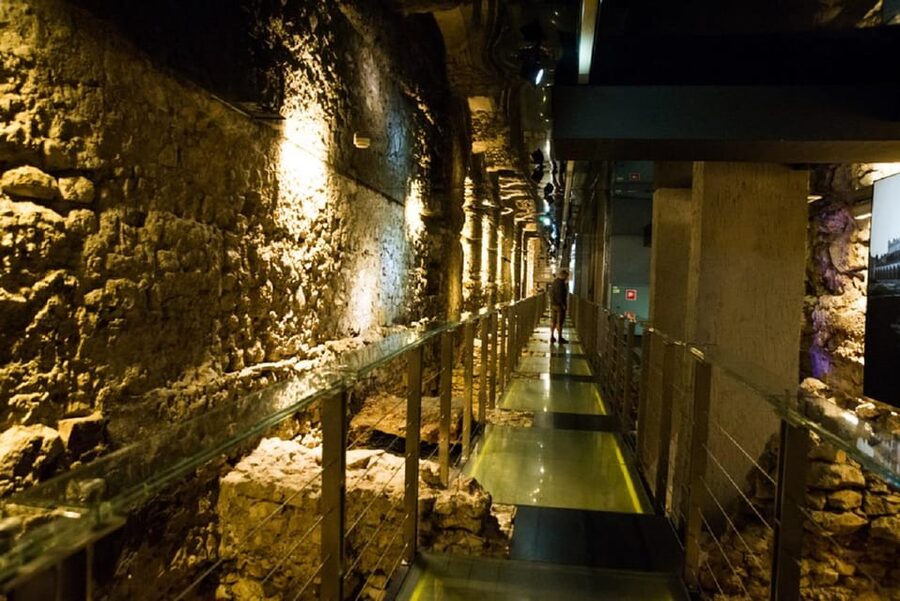
Wawel Castle was once the seat of Polish monarchs, and its interiors show how royal power was expressed through architecture, decoration, ceremony, and art. Your guide explains how the castle developed and how Renaissance influences shaped its rooms and courtyards.
If the State Rooms are assigned, expect a formal presentation of royal life and public ceremony. The rooms help you picture the castle as a working center of government, not just a residence. You learn how monarchs received visitors, displayed status, and used art and architecture to support their authority.
The Royal Private Apartments offer a more personal angle. They point toward the daily lives of rulers and their households, including the distinction between public duties and private space. The Crown Treasury focuses on objects linked to monarchy and ceremony. Each option gives you a different view of Wawel, so the availability rule is worth keeping in mind when comparing this tour with a ticket to a specific exhibition.
I like having a guide here because castle rooms can otherwise blur together. A well-paced explanation helps you notice why a room matters, how it fits into the castle’s development, and what it tells you about Polish political and artistic life. If you want long stretches of quiet time to study every object, a guided four-hour visit may feel brisk. If you want the main story without having to decode every room yourself, the format is more useful.
More Castle and Cathedral Tours in Poland
- Krakow: Wawel Castle and Cathedral Guided Tour
★ 4.7 · 273 reviews - Krakow: Wawel Guided Tour – Cathedral and/or Castle
★ 4.5 · 249 reviews - Guided Tour of the Wawel Castle & Cathedral in Cracow
★ 4.7 · 24 reviews - Krakow: Wawel Castle & Cathedral Guided Tour
★ 4.5 · 20 reviews
Wawel Cathedral, the Sigismund Bell, and the crypts
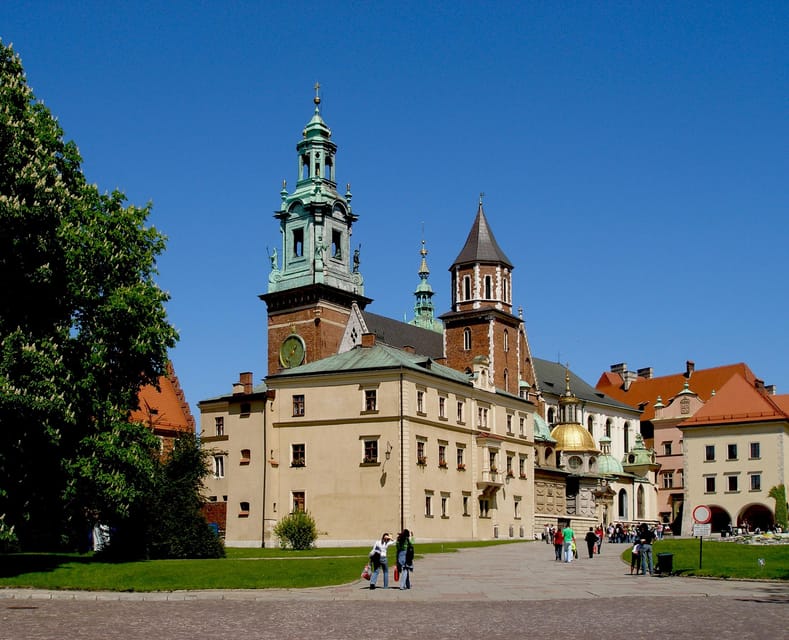
Wawel Cathedral adds the spiritual and national side of the hill. It has served as a place of coronations, funerals, prayer, and public memory. Its chapels, altars, and high vaults show several layers of religious and artistic tradition.
The cathedral is not simply an extra church stop added to a castle tour. It helps explain why Wawel matters so much to Poland. Royal authority and religious tradition developed side by side here, and the building became a place where important national figures were honored and remembered.
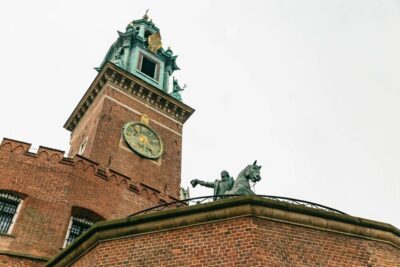
The tower visit brings one of the tour’s most memorable details: the Sigismund Bell. You climb to see the large bell, which tradition connects with good fortune. The climb is part of the appeal, but it may not suit everyone. The supplied details do not specify the number of steps or accessibility arrangements, so ask ahead if stairs are a concern.
You also descend into the crypts, where kings, poets, and national heroes are buried. This section can feel more solemn than the castle rooms. The guide’s role is especially useful because names and dates alone do not explain why these figures remain important in Polish memory.
You should dress with the cathedral in mind. Shorts and sleeveless tops are not allowed in places of worship and selected museums, and both men and women must cover their knees and shoulders. It is easier to follow the rule from the start than to find a cover-up at the last minute.
The guide and group format
A licensed local guide leads the tour, and the language is selected when you book. English, Polish, French, Italian, and Spanish are available. Each group uses one language rather than switching back and forth, which keeps the explanations easier to follow.
The group limit is 30 people. That is not an intimate private tour, but the museum sets limits for group visits, and the cap prevents the party from becoming unlimited. If you want to ask questions, stay near the guide and do not drift to the back in crowded rooms.
The guide makes the biggest difference in a tour like this. At Rynek Underground, the job is to turn archaeological remains into scenes from daily life. At Wawel, it is to connect architecture, monarchy, religion, and memory. One guide received especially strong praise for being friendly and full of useful information, and that is the quality you should look for here: clear storytelling rather than a rapid list of dates.
Is $93 a fair price?
At $93 per person, this is not the cheapest way to see Kraków. The price makes more sense if you value a local guide, skip-the-line access, and a structured route through several major sights.
The package includes the underground museum ticket, a ticket to one permanent Wawel exhibition, the cathedral ticket, and the guide. Food and drinks are not included, but that is easy to manage in central Kraków. You should think of the cost as paying for access and interpretation rather than for a meal or transport service.
The value is strongest for a first visit when you want the basic story of Kraków in one organized block. You see the city’s medieval commercial center, royal residence, cathedral, bell, and crypts without having to plan each ticket separately.
The price is less appealing if you already know the city well, want to choose a specific Wawel exhibition, or prefer to visit at your own pace. Since the castle exhibition depends on availability, check whether the flexibility suits your priorities before booking.
Timing, meeting point, and small details that matter
The experience lasts four hours, with starting times based on availability. Meet your guide at the entrance to the Rynek Underground Museum, where you should look for a sign marked excursions.city.
Arrive at least 10 minutes early. Once the group has left, latecomers cannot join, and the tickets are non-refundable. This is particularly important because the underground museum has a fixed entry system and the Wawel visit follows on a separate schedule.
The tour offers skip-the-line entry to the underground museum and the selected Wawel exhibition. That can save time at popular sights, though it does not mean you can ignore the meeting time. A reserved entry is useful only if you are at the correct door when the group goes in.
You can cancel up to 24 hours before the start for a full refund, and the reserve-now, pay-later option gives you some flexibility while arranging your Kraków plans.
Who should book this Kraków combination tour?
I would choose this tour if you are visiting Kraków for the first time and want a firm introduction to the city’s central story. It suits you especially well if you enjoy archaeology, royal buildings, religious art, and guided historical explanation.
It is also a good choice for anyone who dislikes managing several tickets and entry systems. The route gives you a clear four-hour plan and puts a local guide between you and the confusing parts of a large historic complex.
Families with older children may find the underground streets, bell tower, and crypts more engaging than a long sequence of formal galleries. The four-hour length is still substantial, so younger children may lose interest before the final stop.
You may want another option if you need a private pace, have difficulty with stairs, require detailed accessibility information, or feel strongly about seeing one particular Wawel exhibition. In those cases, confirm the exhibition and physical requirements before paying.
Should you book it?
Book this tour if you want Kraków’s main historic themes in one well-organized visit: medieval trade below Rynek, royal power at Wawel, and the cathedral’s role in Polish memory. The guide, included tickets, and skip-the-line access make the $93 price reasonable for a first-time visitor who values context.
Skip it if you prefer to wander alone, want a guaranteed specific castle collection, or dislike switching meeting points between attractions. If you do book, wear appropriate clothing, arrive early, and confirm the Wawel meeting instructions before leaving the underground museum.
FAQ
How long does the tour last?
The tour lasts four hours.
Where do I meet the guide?
Meet at the entrance to the Rynek Underground Museum. Look for a guide holding a sign marked excursions.city.
Which languages are available?
Tours are offered in English, Polish, French, Italian, and Spanish. You select one language when booking, and each group tour is conducted in a single language.
What is included in the price?
The price includes a licensed local guide, skip-the-line entry to the Rynek Underground Museum, entry to one permanent Wawel Castle exhibition, and a ticket to Wawel Cathedral.
Which Wawel Castle exhibition will I visit?
You will visit one of three permanent exhibitions, subject to availability: the State Rooms, Royal Private Apartments, or Crown Treasury.
Are food and drinks included?
No. Food and drinks are not included.
How early should I arrive?
Arrive 10 minutes before the tour begins. Latecomers cannot join after the group has departed, and their tickets are non-refundable.
Is there a dress code?
Yes. For the cathedral and selected museums, both men and women must cover their knees and shoulders. Shorts and sleeveless tops are not allowed.
Can I cancel the booking?
You can cancel up to 24 hours before the tour for a full refund. You can also reserve now and pay later.
More Castle Museums in Krakow
- Osaka Castle: Museum and Tower Entry Ticket
★ 4.5 · 2,380 reviews - Chapultepec Castle & Anthropology Museum Tour
★ 4.5 · 1,348 reviews - Cairo: Egyptian Museum, Citadel, and Old Cairo Guided Tour
★ 4.7 · 853 reviews - Amboise: Clos Lucé Castle, Da Vinci Park and Museum Ticket
★ 4.7 · 779 reviews
More Wawel and Polish Castles in Krakow
- Old Town Krakow & Wawel Castle Walking Tour
★ 5.0 · 1,508 reviews - Kraków: Old Town & Wawel Castle Walking Tour in English
★ 4.8 · 532 reviews - Krakow: Wawel Castle Guided Tour with Entry Tickets
★ 4.4 · 381 reviews - Krakow’s Essential Tour of the Old Town and Wawel Castle
★ 5.0 · 340 reviews
Newly walked in Krakow
- Krakow: Wawel Castle Guided Tour with Skip-The-Line Entry★ 5.0 · 2 reviews
- Krakow: Skip-the-Line Wawel Castle & Old Town Guided Tour★ 4.9 · 23 reviews
- Krakow: Wawel Castle Guided Tour★ 4.7 · 14 reviews
- Krakow: Wawel Castle, Cathedral, Salt Mine, and Lunch★ 5.0 · 2 reviews
- Krakow: Wawel Castle, Cathedral, Salt Mine, and Lunch★ 4.9 · 6 reviews
- Krakow: Wawel Castle & Cathedral, Old Town & City Basilica★ 5.0 · 5 reviews
- Krakow: Wawel Castle, Cathedral, Rynek Underground & Lunch★ 4.4 · 12 reviews
- Krakow: Wawel Castle, Cathedral, Salt Mine, and Lunch★ 4.9 · 4 reviews
Wawel & Polish Castles, compared.
Wawel Royal Hill with Optional Castle and Cathedral
Read our review →
Old Town & Wawel Castle Walking Tour in English
Read our review →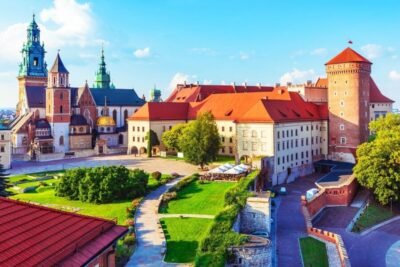
Skip-the-Line Wawel Castle Chambers Private Tour
Read our review →