
Review · JAPAN
Kumamoto: Castle Admission Ticket
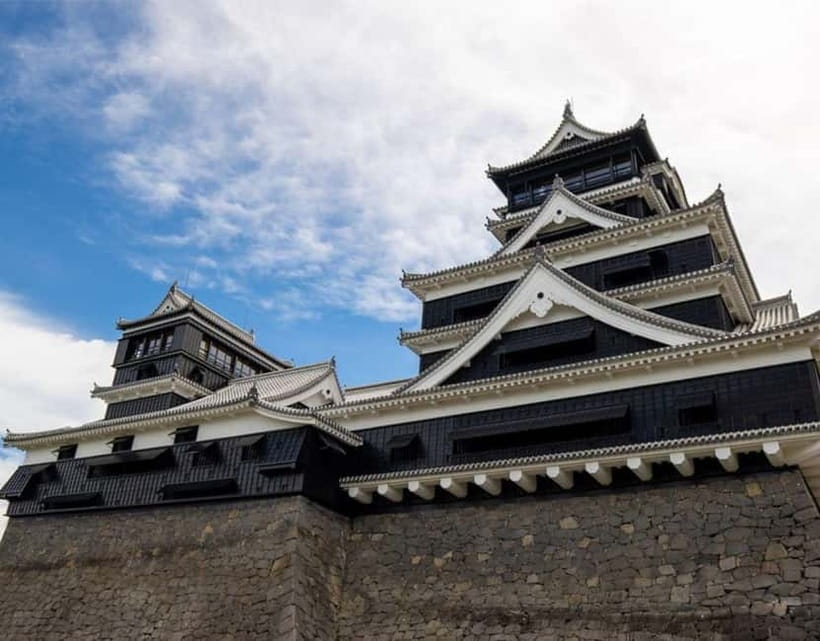
Kumamoto Castle gives you a clear sense of Japan’s feudal past, even while parts of the complex continue to recover from earthquake damage. You can walk the outer route, enter the main tower, and connect the castle to figures such as Kato Kiyomasa, the Hosokawa clan, Miyamoto Musashi, and Tani Kanjo.
I like the low $5 price and the freedom to spend the full day at your own pace. I also like the QR-code English explanations inside the castle, plus the chance to add Wakuwakuza for hands-on exhibits. The main drawback is that some buildings remain under repair, and the interior displays may feel thin if you do not read Japanese.
Key points to know before you go
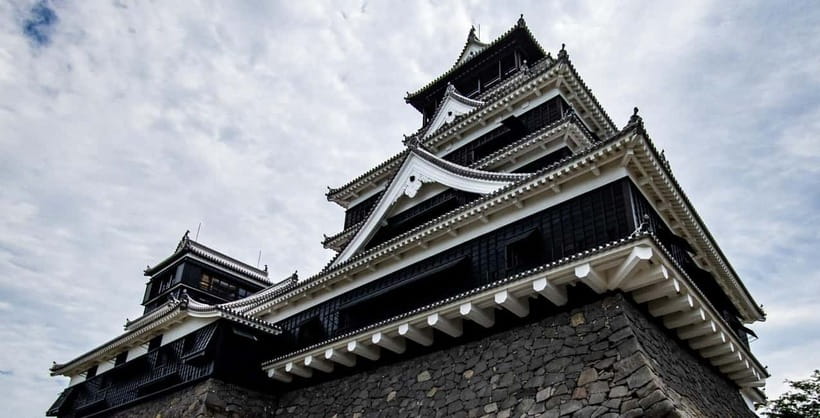
- Built in 1607: Follow the story of a castle that has shaped Kumamoto for more than 400 years.
- A very low-cost day out: The basic admission price is $5 per person, with extra ticket combinations available.
- English help by QR code: Scan the codes inside the main tower for English explanations.
- Wakuwakuza adds hands-on history: The museum uses sight, sound, touch, craft activities, and planned exhibitions.
- Good public transport access: Reach the castle from JR Kumamoto Station by tram, or from Aso Kumamoto Airport by limousine bus.
- Restoration remains visible: You will see active recovery work rather than a fully restored castle complex.
Why Kumamoto Castle matters
Kumamoto Castle is not just a pretty fortification with a dramatic tower. It has been part of Japanese history for more than four centuries, and the visit gives you a way to place local events and famous figures in one setting.
The castle was built in 1607. Its story is linked with Kato Kiyomasa, the early lord associated with the castle, as well as the later Hosokawa clan. Miyamoto Musashi, famous for his swordsmanship and writings, and Tani Kanjo are also part of the historical story presented here.
I find that background useful because it gives purpose to the walls, gates, towers, and restored rooms. Without some context, a castle visit can become a series of impressive stone surfaces. Here, the names and events help you understand why Kumamoto mattered.
The site also shows how history continues into the present. Earthquake damage means that restoration is still visible in parts of the complex. That may disappoint anyone expecting every building to be open, but it also gives you a more honest view of how major heritage sites are protected and repaired.
More Castle Entry Tickets in Japan:
- Osaka Castle: Museum and Tower Entry Ticket
★ 4.5 · 2,380 reviews - Odawara: Odawara Castle Tenshukaku Entrance Ticket
★ 4.2 · 30 reviews - Okayama Castle Admission Ticket
★ 3.9 · 17 reviews
Reaching the castle from Kumamoto and the airport
The official address is 1-1 Honmaru, Chuo-ku, Kumamoto City, Kumamoto Prefecture, 860-0002. The listed coordinates are 32.8061859, 130.7058335.
From JR Kumamoto Station, take the Kumamoto City Tram and get off at Kumamoto Castle City Hall. From there, allow about 10 minutes on foot. This is the most useful route if you are arriving by train or using Kumamoto as a base.
From Aso Kumamoto Airport, take the airport limousine bus to Sakuramachi Bus Terminal. The castle is about a 10-minute walk from the bus terminal. The ticket does not include either route, so you will need to pay for and arrange your own transport.
I like these access options because they make the castle easy to fit into a day in the city. You do not need a special castle shuttle or a private transfer. Do allow time for the final walk, since the ticket covers admission rather than door-to-door travel.
The outdoor route and earthquake recovery
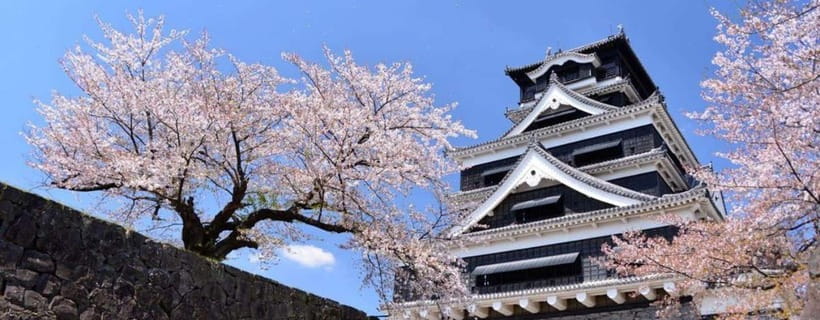
The outdoor route is a major part of the visit. You will see the castle setting, walls, and surviving or restored sections while following a route that is well marked. The clear signs help you get your bearings without a guide.
That route matters because the castle is still being repaired after earthquake damage. Some other buildings remain closed or under refurbishment, so you should not expect every historic room to be open. The experience is partly about seeing what survives, what has been restored, and what is still being worked on.
I would treat the restoration as part of the visit rather than a flaw that ruins it. It limits access, but it also makes the castle’s condition easy to understand. You can see that preservation is an ongoing task, not a one-time repair.
The outdoor path also helps if you prefer architecture and views to long blocks of text. One visitor found the route easy to follow and felt that it still gave a good sense of the castle, even with restoration underway.
Wear comfortable shoes for the walk, though the available information does not specify the route length or surface in detail. Wheelchair access is listed, which is useful, but visitors with specific mobility needs should still check current conditions before arrival because restoration work can affect access.
Inside the main tower
The main tower gives you the clearest indoor presentation of the castle’s story. The displays cover the castle’s chronology and the people connected with it, including Kato Kiyomasa, the Hosokawa clan, Miyamoto Musashi, and Tani Kanjo.
The interior uses a modern exhibition style rather than recreating every room as a period interior. That approach can make dates and events easier to follow, but it may not satisfy you if you want a fully furnished old castle.
English support is available through QR codes inside the castle. You scan each code with your phone to access explanations. This is an important practical detail because the displays may otherwise be difficult to follow if you do not read Japanese.
You should bring a charged phone and be ready to use it as part of the visit. The QR system is not the same as having a live guide, but it gives independent visitors a useful way to understand what they are seeing.
The indoor visit is strongest when you come with some interest in history. If your main goal is an old-world interior with original furnishings throughout, the modern presentation and ongoing repairs may feel less rewarding. If you enjoy timelines, names, and the process of rebuilding a historic site, it works better.
More Castle Tours in Japan:
- Tokyo Castle & Imperial PalaceーShogun Walking Tour
★ 4.7 · 1,068 reviews - Kyoto: Nijo-jo Castle and Ninomaru Palace Guided Tour
★ 4.7 · 1,020 reviews - Ultimate Osaka Walking Tour: Castle, Dotonbori & Hidden Gems
★ 5.0 · 862 reviews - Tokyo Castle & Imperial PalaceーShogun Walking Tour
★ 5.0 · 724 reviews
Wakuwakuza Museum for hands-on history
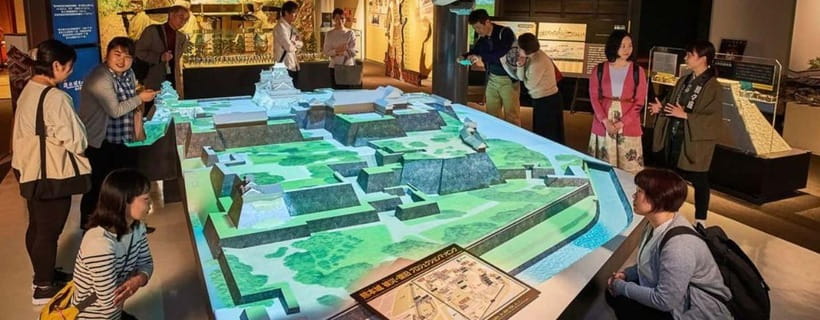
The optional Kumamoto Castle Museum Wakuwakuza adds a more active way to learn. Its theme is Connecting Kumamoto’s Memories to the Future, and the exhibits are designed to let you see, hear, touch, and experience history.
That makes Wakuwakuza a useful add-on for families and anyone who finds a standard museum display too quiet. It is also a good choice if you want more local culture after walking around the castle itself.
The museum includes:
- A permanent exhibition room
- A special exhibition room for planned displays
- A hands-on experiment and craft room
- A planetarium
- Historical and natural materials, including important cultural properties
The special exhibitions may change, so the exact content will depend on your visit date. The permanent exhibition gives you a more stable base, while the hands-on room offers a break from reading and looking.
Wakuwakuza is included only with the Ticket Combo. The basic Kumamoto Castle ticket does not include it, so check the option you select before paying. For just $5, the castle admission is already strong value, but the combo may make more sense if you want a fuller museum day.
Adding Kumamoto Museum
A second combination includes Kumamoto Museum as well as Wakuwakuza and Kumamoto Castle. This option is useful if you want to build a broader day around local history, culture, and natural materials.
The available information describes Kumamoto Museum as having a permanent exhibition room, a special exhibition room, a hands-on experiment and craft room, and a planetarium. It also presents historical and natural materials, including important cultural properties.
Because the exact ticket price for this combination is not provided here, compare the current options carefully before booking. The key point is that Kumamoto Museum is not included with the basic castle ticket. It appears only in the Wakuwakuza and Kumamoto Museum Ticket Combo.
I would choose this larger combination if you have a full day and like museums with different types of exhibits. If you only want the castle and its main tower, the basic ticket keeps things simple and inexpensive.
Special events and small extras
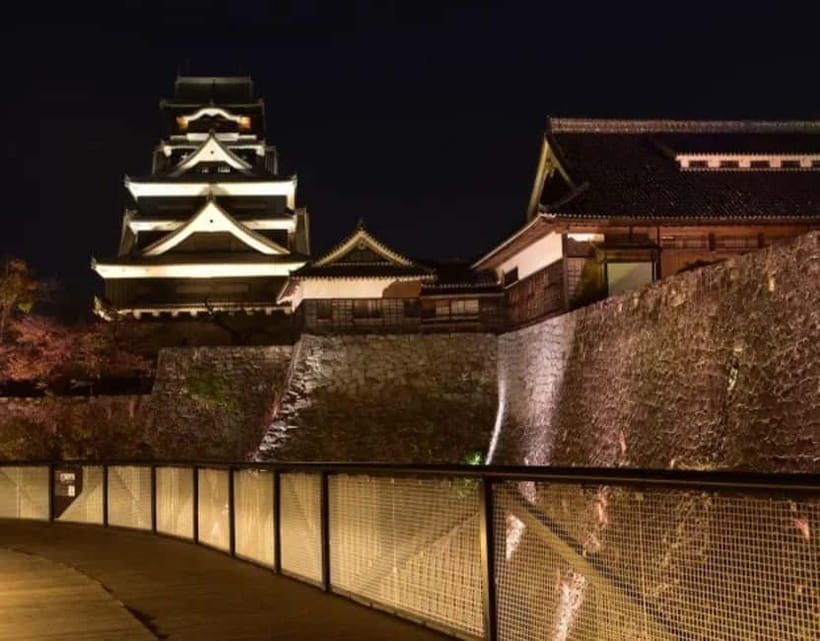
The castle visit can include more than the permanent displays. At the foot of the main tower, free samurai dance performances and tea ceremonies may be available on the day of your visit.
These events are not presented as guaranteed parts of every admission, so check the schedule when you arrive. If one is taking place, it can add a welcome live element to a visit that otherwise relies on signs, screens, and QR codes.
The tea ceremony is especially useful for slowing down after the outdoor route. The samurai dance gives the site a more public, performance-based link to the era represented by the castle. Neither replaces a guided tour, but both can make the day feel less like a museum visit.
There is also a market nearby, giving you another place to browse after the castle. Since the ticket does not include food or shopping, treat the market as a separate stop rather than part of the admission package.
How much time should you allow?
The ticket is valid for one day, and you can check availability for starting times when booking. No fixed tour length is listed, which means the pace is largely up to you.
For a quick visit, you can focus on the outdoor route and main tower. Add Wakuwakuza if you want interactive exhibits, and allow more time if you also select the Kumamoto Museum combination.
I would not rush the visit simply because the basic ticket is inexpensive. The value comes from having time to connect the outdoor route, main tower, museum displays, and any scheduled events.
A full day is practical if you want to see the castle and the additional museums without constantly checking the clock. If you are fitting the castle between other Kumamoto sights, the basic admission can still work as a shorter stop.
Price, ticket choices, and overall value
At $5 per person, the basic Kumamoto Castle ticket is easy to recommend on price alone. You receive access to a major historic site, the outdoor route, and the main castle presentation without paying for a guide or bundled transport.
The low price is especially helpful if you are building a day of several Kumamoto activities. You can decide how much time and money to spend on extra museum access rather than committing to an expensive all-day tour.
There are three practical choices:
- Kumamoto Castle admission
- Kumamoto Castle plus Wakuwakuza
- Kumamoto Castle, Wakuwakuza, and Kumamoto Museum
The two combo prices are not provided here, so check the current selection before booking. Pick the basic ticket if you mainly want the castle. Pick the Wakuwakuza combo if you want hands-on exhibits. Pick the largest combo if you want the widest museum coverage and have enough time to use it.
The ticket is non-refundable, so make sure your day and transport plans are settled before purchase. Since no guide is included, this is best viewed as an independent admission ticket rather than a guided history tour.
Who will enjoy this visit most?
I would recommend Kumamoto Castle to people who like historic buildings, Japanese castle history, and self-guided sightseeing. The low price also makes it a sensible choice for budget-conscious visitors.
Families may prefer the Wakuwakuza combination because the hands-on experiment and craft room offer a change from formal displays. The planetarium and touch-based exhibits give younger visitors more ways to stay involved.
The castle also suits visitors who want an accessible cultural stop. Wheelchair access is listed, though current restoration conditions may affect which sections you can reach.
You may want to lower your expectations if you want a completely restored castle interior or a live guide explaining every room. Some buildings remain under repair, and the main indoor presentation may have limited value if you cannot read Japanese and do not use the QR-code English explanations.
Smoking and fireworks are not allowed. Adult tickets apply to high school students and older, while child tickets apply to elementary and junior high students.
Should you book Kumamoto Castle?
Book it if you want a low-cost, self-guided look at one of Kyushu’s major historic sites. The outdoor route, main tower, restoration story, and optional museums give you enough variety for a worthwhile visit, and the QR-code English explanations make the castle more approachable for international visitors.
Choose the Wakuwakuza combo if you want history you can interact with, not just read. Choose the larger museum combination only if you have enough time for several exhibition spaces.
I would not book it expecting a fully restored complex or a guided tour. I would book it for the chance to see a famous Japanese castle while its long repair process is still visible, then add the museums if you want a fuller day.
FAQ
How much does Kumamoto Castle admission cost?
The basic admission price is $5 per person. Extra ticket combinations are available for Wakuwakuza and Kumamoto Museum, but their prices are not specified here.
How long is the ticket valid?
The ticket is valid for one day. Starting times are checked through availability when booking.
Does the ticket include Kumamoto Castle Museum Wakuwakuza?
Wakuwakuza is included only when you select the Ticket Combo. It is not included with basic Kumamoto Castle admission.
Does the ticket include Kumamoto Museum?
Kumamoto Museum is included only with the Wakuwakuza and Kumamoto Museum Ticket Combo.
Is a guided tour included?
No. Guided tours are not included, so you explore the castle and museums independently.
How do I reach the castle from JR Kumamoto Station?
Take the Kumamoto City Tram to Kumamoto Castle City Hall, then walk for about 10 minutes.
How do I reach the castle from Aso Kumamoto Airport?
Take the airport limousine bus to Sakuramachi Bus Terminal, then walk for about 10 minutes.
Is Kumamoto Castle wheelchair accessible?
Yes, the activity is listed as wheelchair accessible. Restoration work may affect access to some areas.
Are English explanations available?
English explanations can be accessed inside the castle by scanning QR codes. No guide or language service is included.
Newly walked in Japan
- Tokyo: Edo Castle and Imperial Palace Guided Walking Tour★ 5.0 · 6 reviews
- (Ticket Included) Explore Osaka Castle & Museum of History★ 4.8 · 21 reviews
- Peace Memorial Park, Hiroshima Castle, & Garden Private Tour★ 4.8 · 7 reviews
- Osaka: Osaka Castle – Tsuruhashi – Tennoji (Spanish Guide)★ 4.7 · 10 reviews
- Osaka/kyoto: Himeji Castle, Kobe. Luxury Day Trip with Guide★ 5.0 · 2 reviews
- Osaka: Osaka Castle 3 hours Historical Walking Tour★ 4.6 · 14 reviews
- Osaka: Early Morning Osaka Castle Guided Tour, Avoid Crowds★ 4.9 · 12 reviews
- Osaka: Explore Every Bit of Osaka Castle in 3 Hours★ 5.0 · 5 reviews
Castle Entry Tickets, compared.


Edinburgh Castle: Guided Walking Tour with Entry Ticket
Read our review →
Castle Tour with Local Guide and Entry Ticket
Read our review →
Prague Castle 2.5-Hour Tour Including Admission Ticket
Read our review →
Edinburgh Castle: Guided Walking Tour with Entry Ticket
Read our review →
Prague Castle and Lobkowicz Palace Entry Tickets
Read our review →
Alcázar and Cathedral Entry Ticket and Guided Tour
Read our review →Browse the lists this tour appears in