
Review · JAPAN
Kanazawa: Half-Day Private Tour – Garden, Castle, Geisha
Kanazawa packs an impressive amount of culture into a walkable half-day. This private tour links Oyama Shrine, Kanazawa Castle, Kenrokuen Garden, and Higashi Chaya, giving you a clear introduction to the city’s finest sights without leaving you to sort out the order yourself. I like the mix of grand architecture and small cultural details, from the castle’s gates to gold leaf craft and local sake.
I also like the private format. Your guide can adjust the pace, answer your questions, and change the plan when conditions call for it. Guides named Megumi, Lee Stephen, Gucci, and Sho have been praised for lively historical explanations and practical help, including food suggestions and shelter during heavy rain. The main drawback is the pace: four hours is tight, and people with mobility limits may find the walking difficult.
Key points at a glance
- Oyama Shrine’s unusual gate: Begin beneath a striking Shinmon Gate that blends Japanese and Western design.
- Castle details beyond the postcard view: See Hishi Yagura, Gojikken Nagaya, Hashizume Gate, San-no-maru Square, and Gyokusen’inmaru Garden.
- Kenrokuen’s classic views: Focus on Kasumigaike Pond, Karasaki Pine, Sazaeyama Hill, and the garden’s viewing platform.
- A practical private guide: The route can be adjusted for rain, prior visits, questions, and your preferred pace.
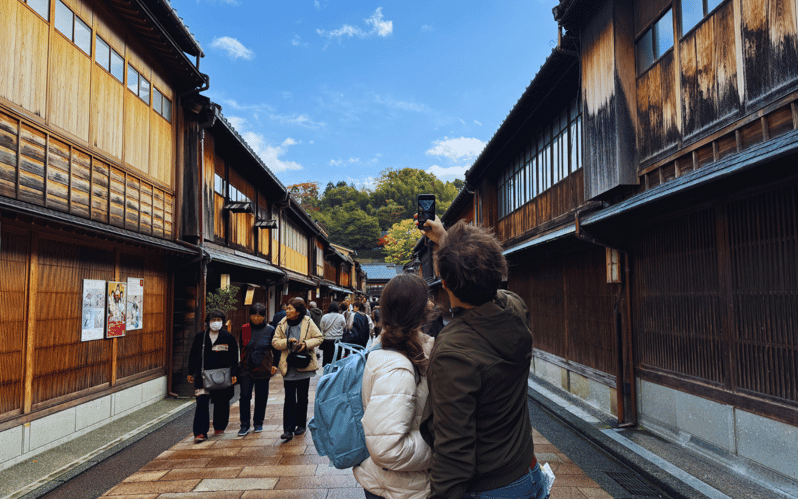
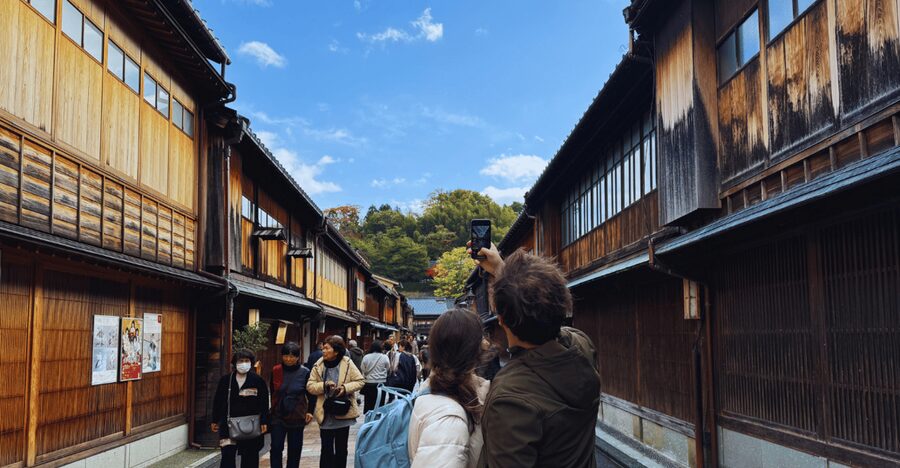
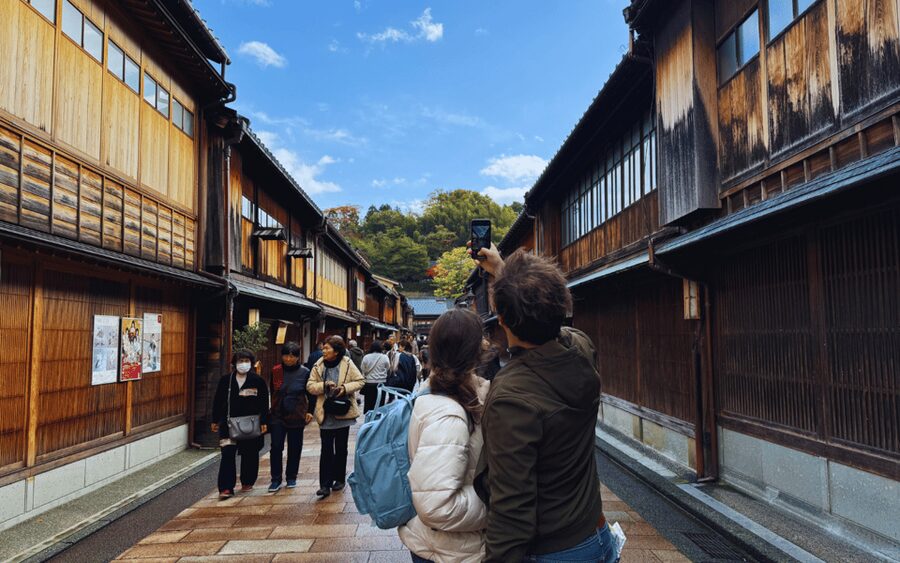
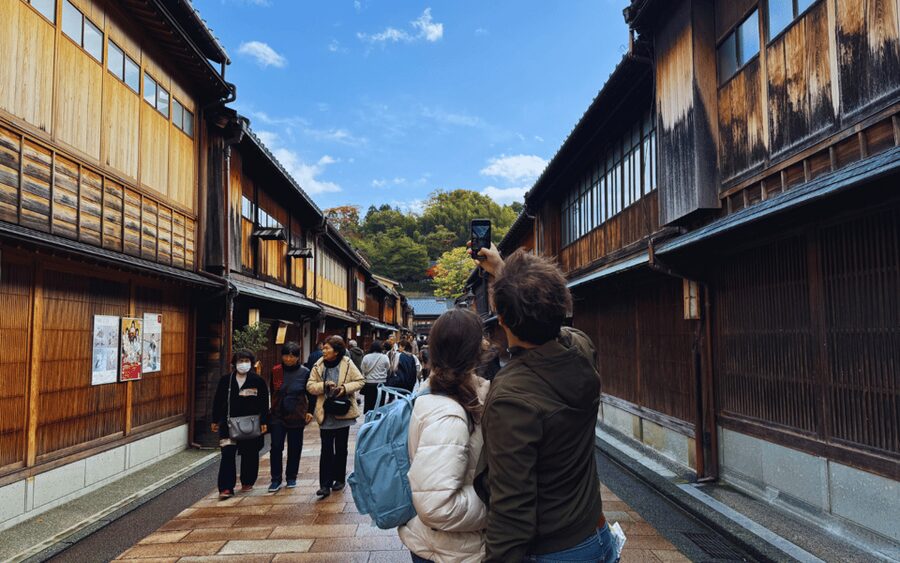
- Higashi Chaya with room to browse: Finish among teahouses, Kutani ware, gold leaf art, sake, and optional cultural stops.
- Good value for a short visit: At $150 per person, the price makes most sense if you want interpretation and a private group rather than a basic sightseeing walk.
Why this four-hour route works
Kanazawa is one of Japan’s best cities for seeing traditional culture without spending the day on trains or buses. Its central sights sit close enough to connect in one compact route, yet each has a different character. You begin at a shrine, move through a castle and formal gardens, then finish in an old teahouse quarter.
That sequence matters. The shrine introduces Kanazawa’s layered past. The castle explains power and defense. Kenrokuen shows the refined garden style associated with the city. Higashi Chaya brings the experience down to street level, with shops, crafts, food, and old teahouse buildings.
You meet in front of the Shinmon Gate of Oyama Shrine. Look for the guide holding a yellow DeepExperience sign. The tour is private, and the guide speaks English. That gives you a better chance to stop for questions or spend longer on a detail that catches your eye.
The advertised cost is $150 per person. That is not the cheapest way to see these places, but it includes the guide and entrances to Oyama Shrine, Gyokusen’inmaru Garden, Kanazawa Castle Park, Kenrokuen, and Higashi Chaya. For a solo visitor or couple, the cost is a fair trade if you value clear context and efficient routing. For a larger private group, the price becomes easier to justify because you are not joining a large crowd.
More Castle Gardens and Grounds in Japan
- Imperial Palace East Garden and Edo Castle Walking Tour in Tokyo
★ 5.0 · 510 reviews - Himeji: Himeji Castle & Kokoen Garden 3.5-Hour Guided Tour
★ 4.9 · 30 reviews - Tokyo: Edo Castle Ruins & Imperial Palace East Garden Tour
★ 4.4 · 13 reviews
Starting beneath Oyama Shrine’s Shinmon Gate
Oyama Shrine is a smart starting point because its entrance immediately gives you something to talk about. The Shinmon Gate combines Japanese and Western architectural features, creating a look that is unlike the standard shrine gate you may expect.
Your guide begins by explaining the shrine’s historical importance, then leads you through the grounds and gardens. The visit is listed at about 15 minutes, so this is an introduction rather than a long shrine study. Still, it sets the tone well: Kanazawa’s culture often mixes old Japanese traditions with outside influences and local craftsmanship.
Take a moment to look up at the gate before moving on. This is also the meeting point, so arriving a few minutes early will make the start easier. Comfortable shoes are important from the first stop, not just later in the castle grounds.
Kanazawa Castle and the calm of Gyokusen’inmaru Garden
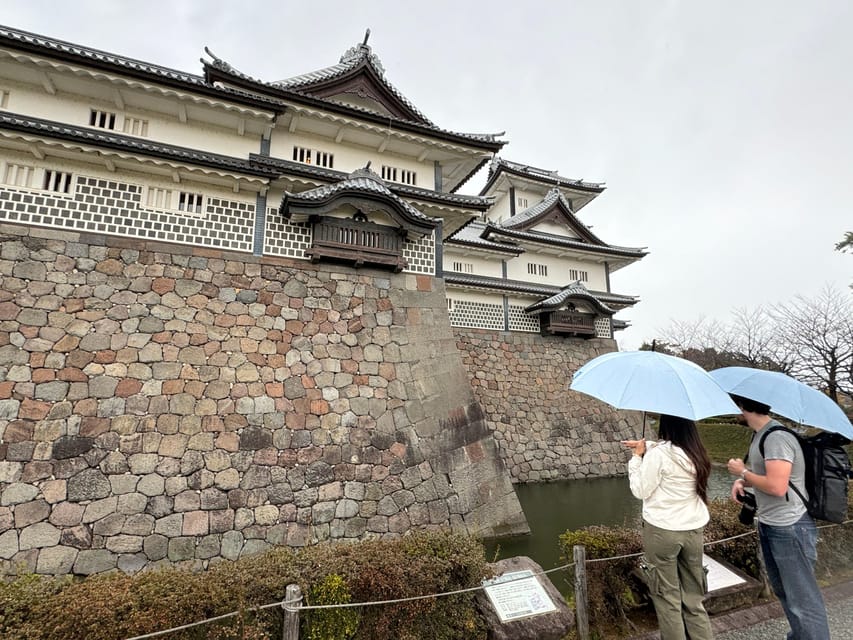
The castle portion takes about 45 minutes. You enter Kanazawa Castle Park and visit Gyokusen’inmaru Garden before exploring several important castle structures.
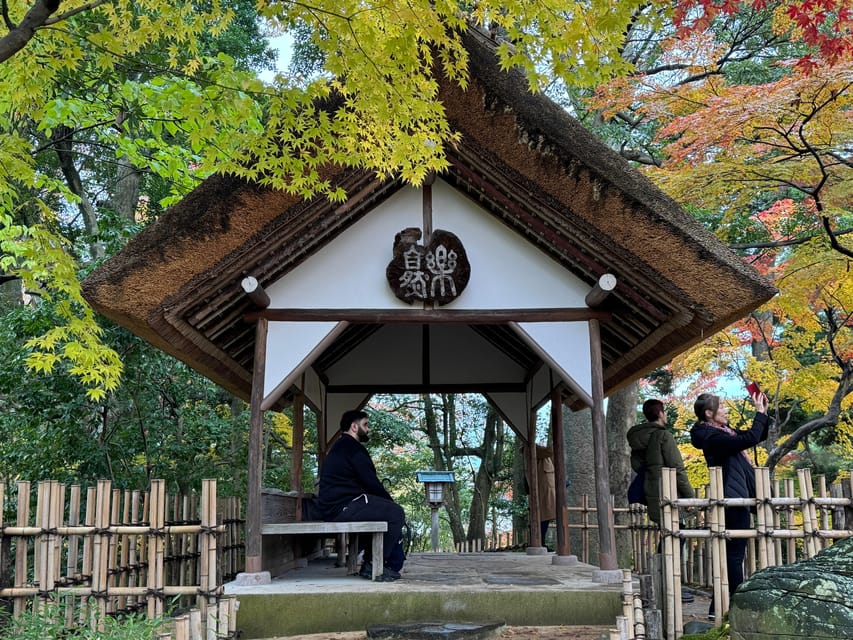
Gyokusen’inmaru Garden is known for its balanced design, seasonal changes, and quiet mood. It is a useful counterpoint to the stronger lines of the castle buildings. Rather than rushing straight to the most famous structure, you get a chance to see how water, stones, plants, and carefully framed views work together.
The tour also covers Hishi Yagura, Gojikken Nagaya, and Hashizume Gate. These structures help you understand the castle as more than a photogenic wall. Hishi Yagura is a corner tower, Gojikken Nagaya is a long storehouse building, and Hashizume Gate controlled movement through the grounds. Your guide’s explanations are especially useful here because the names and functions can blur together when you visit alone.
San-no-maru Square gives you a natural place for photographs and a wider look at the castle area. The schedule allows enough time for sightseeing, but not for a slow, detailed examination of every building. If castle architecture is your main interest, tell your guide early. The private setup may allow a little more attention to the structures that matter most to you.
The castle grounds also add walking time over open paths. In summer, bring water, a hat, and sunscreen. In wet weather, surfaces may be uncomfortable, so shoes with good support are a wise choice.
Kenrokuen’s famous pond, pine, and hill
Kenrokuen receives about one hour, making it the longest stop on the route. That is sensible. This is one of Japan’s three most celebrated gardens, and it deserves more than a quick photograph from the entrance.
The garden is valued for bringing together qualities that do not always appear in one place: spacious views, quiet corners, water, old trees, and carefully planned composition. You will visit the viewing platform, Kasumigaike Pond, Karasaki Pine, and Sazaeyama Hill.
Kasumigaike Pond gives the garden one of its key water views. Karasaki Pine draws attention through its shape and age, while Sazaeyama Hill offers another change in height and perspective. These stops help you see why Kenrokuen is not simply a collection of attractive plants. The garden guides your eye from one framed scene to another.
I would listen closely to the guide here rather than trying to photograph every view. A good explanation can help you notice why a bridge, pine, pond, or rise in the path was placed where it is. The gardens are easier to appreciate when you understand the thought behind their arrangement.
One practical note: Kenrokuen can feel crowded at popular viewpoints, especially when many people pause for photos. The private format will not remove the crowds, but it does let you ask the guide to explain a quieter section or help you use the hour well.
After Kenrokuen, a bus ride of about 10 minutes takes you to Higashi Chaya District. This short transfer saves your feet and keeps the route moving. It also means you do not have to work out the connection between the garden and the teahouse quarter on your own.
More Private Castle Tours in Japan
- World Heritage Himeji Castle & Sake Breweries Private Tour
★ 4.5 · 11 reviews - From Nagoya: Samurai Swords and Inuyama Castle Private Tour
★ 5.0 · 11 reviews - Himeji: Private Guide Tour of the Castle from Osaka or Kyoto
★ 4.5 · 7 reviews
Higashi Chaya and Kanazawa’s craft traditions
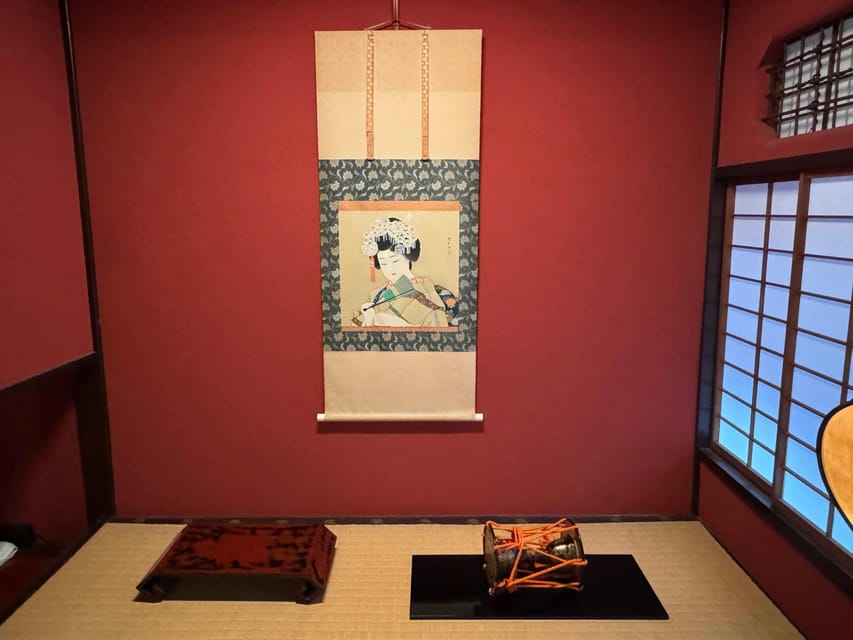
The final stop lasts about one hour and is less formal than the gardens. Higashi Chaya is a historic teahouse district with traditional buildings, craft shops, and places to pause for local tastes.
This is where the tour becomes especially useful for first-time visitors. You can ask your guide how Kutani ware differs from other ceramics, what makes Kanazawa’s gold leaf work important, or where local sake fits into the city’s food culture. These details turn a stroll into a better sense of place.
Gold leaf is one of Kanazawa’s best-known crafts, and you may find shops displaying it in art, tableware, and sweets. Kutani ware gives you another local craft to look for, with its painted ceramics and distinctive decorative style. If you want a small souvenir, the guide’s suggestions can help you compare quality and price without wandering aimlessly.
The schedule includes shopping and sightseeing, but one hour is not enough for a long shopping session plus several museum visits. Treat this as a guided introduction. If a teahouse or craft shop catches your attention, you may need to choose between browsing and seeing every planned point.
You can also sample local sake. If you prefer a deeper cultural stop, the tour offers optional visits to Shima or the Ochaya Art Museum. These additions can give you more insight into the teahouse tradition, though the available time may require a choice. Ask your guide at the beginning if one of these visits matters to you.
The tour ends in Higashi Chaya District. That is convenient if you want to continue exploring, shop after the guide departs, or find a meal nearby. Guides have also helped with lunch and dinner recommendations, so ask for suggestions before the final goodbye.
What the private guide adds
The guide is the main reason to choose this experience over visiting the same sights on your own. The stops are easy to identify, but the connections between them are less obvious.
Megumi has been praised for clear storytelling, local customs, architecture, and practical care. Lee Stephen has a background as a teacher and is noted for making history engaging and fun, along with knowing good snack stops such as gold leaf ice cream. Gucci has a strong interest in Kanazawa’s history and regional crafts. Sho has provided useful background explanations and helped make the four-hour route feel complete.
Guide availability can vary, so you should not assume you will receive a particular person. What you can expect is an English-speaking guide in a private group, with room for questions and some flexibility.
That flexibility matters in bad weather. One guide adapted a rainy day by arranging time in a teahouse and using a ramen restaurant as shelter while the worst rain passed. Another adjusted the plan when part of the route had already been visited. These examples show the practical value of private touring: you are not locked into the same pace for every person in a large group.
Pace, walking, and what to bring
The route includes walking at Oyama Shrine, Kanazawa Castle, Kenrokuen, and Higashi Chaya. You do not need special equipment, but comfortable shoes are essential. Bring water, a hat, sunscreen, and a camera.
The tour is not suitable for wheelchair users or people with mobility impairments. The information provided does not promise an accessible route, so contact the provider before booking if you have any specific walking needs.
Smoking is not allowed during the activity. The four-hour length is useful for a first look, but you should keep your expectations realistic. This is a focused city introduction, not a leisurely full-day visit with long meals and extended museum time.
The private format can help with children or mixed interests, but the amount of walking and the garden terrain still matter. If someone in your group tires easily, ask the guide about the day’s pace at the start.
Is $150 per person good value?
The value depends on what you want from Kanazawa. If you only need directions and photographs, you can visit these places independently for less. If you want history, architectural explanation, garden interpretation, and help choosing local crafts or food, the price is more reasonable.
The fee includes the guide and the listed entrances, so you do not have to manage several separate admissions. The route also links four major areas in four hours, with a short bus transfer between Kenrokuen and Higashi Chaya.
I would see this as a strong choice for a first visit, a short stay, or a port day when time matters. It is less appealing if you have already explored Kanazawa’s main sights and want a slow, specialized look at one subject.
Cancellation is flexible, with a full refund available when you cancel at least 24 hours ahead. You can also reserve now and pay later, which helps if your Japan plans are still shifting.
Should you book this Kanazawa tour?
Book it if you want a well-shaped introduction to Kanazawa, prefer a private group, and value a guide who can explain what you are seeing rather than simply point it out. The combination of castle, garden, shrine, and teahouse district gives you a broad picture in half a day.
I would especially recommend it to first-time visitors, couples, families who want a flexible pace, and anyone who wants help with local crafts, snacks, sake, or dinner planning. Skip it if you need wheelchair access, dislike steady walking, or want several hours inside museums and teahouses.
For the best experience, wear supportive shoes, arrive at the Shinmon Gate early, and tell the guide whether you care most about gardens, castle design, crafts, food, or photography. That small bit of direction can make the private format work much harder for you.
FAQ
How long does the Kanazawa private tour last?
The tour lasts four hours.
Where does the tour begin?
It begins in front of the Shinmon Gate of Oyama Shrine.
How do I identify the guide?
The guide will be holding a yellow sign with the DeepExperience logo.
What language is the tour offered in?
The live tour guide speaks English.
Is this a private group tour?
Yes. The activity is arranged for a private group.
Which attractions are included?
The route includes Oyama Shrine, Gyokusen’inmaru Garden, Kanazawa Castle Park, Kenrokuen Garden, and Higashi Chaya District.
Is transportation included between the sights?
A bus or coach transfer of about 10 minutes is included between Kenrokuen and Higashi Chaya.
What should I bring?
Bring comfortable shoes, a hat, a camera, sunscreen, and water.
Is the tour suitable for wheelchair users?
No. The activity is not suitable for wheelchair users or people with mobility impairments.
Can I cancel for a full refund?
Yes. You can cancel up to 24 hours in advance for a full refund.
More Half-Day Trips in Japan
- From London: Half-Day Trip to Windsor with Castle Tickets
★ 4.4 · 840 reviews - From Gdansk: Malbork Castle Half-Day Private Tour
★ 4.8 · 29 reviews - Picturesque Samobor & Samobor Castle Half-day Tour
★ 4.5 · 9 reviews
Newly walked in Japan
- Himeji: Private Guide Tour of the Castle from Osaka or Kyoto★ 4.5 · 7 reviews
- World Heritage Himeji Castle & Sake Breweries Private Tour★ 4.5 · 11 reviews
- From Nagoya: Samurai Swords and Inuyama Castle Private Tour★ 5.0 · 11 reviews
- 2.5 Hour Private History and Culture Tour in Himeji Castle★ 5.0 · 185 reviews
- Kyoto: Nijo Castle World Heritage Guided Tour with Admission★ 5.0 · 128 reviews
- Himeji: Himeji Castle Guided Tour – UNESCO Heritage★ 4.7 · 115 reviews
- Osaka: Osaka Castle & Historical Museum Guided Tour★ 4.8 · 28 reviews
- Osaka: Osaka Castle Guided Tour with Local Guide★ 4.7 · 78 reviews
Castle Gardens & Grounds, compared.

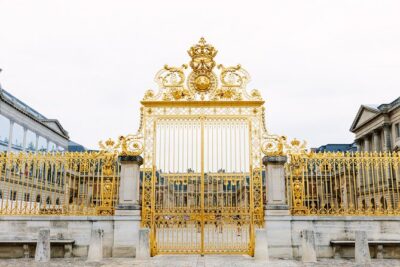
Versailles Château and Gardens Walking Tour from Paris by Train
Read our review →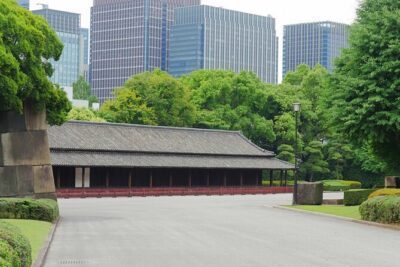
Imperial Palace East Garden and Edo Castle Walking Tour in Tokyo
Read our review →
Cordóba: Gardens & Fortress of Catholic Monarchs Guided Tour
Read our review →
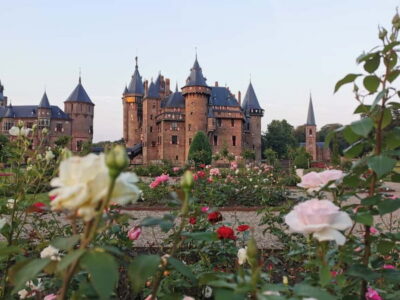
De Haar Castle Gardens and Park Only Entry Ticket
Read our review →
Batumi City – Botanical Garden – Petra Fortress from Kutaisi
Read our review →Browse the lists this tour appears in