
Review · KYOTO
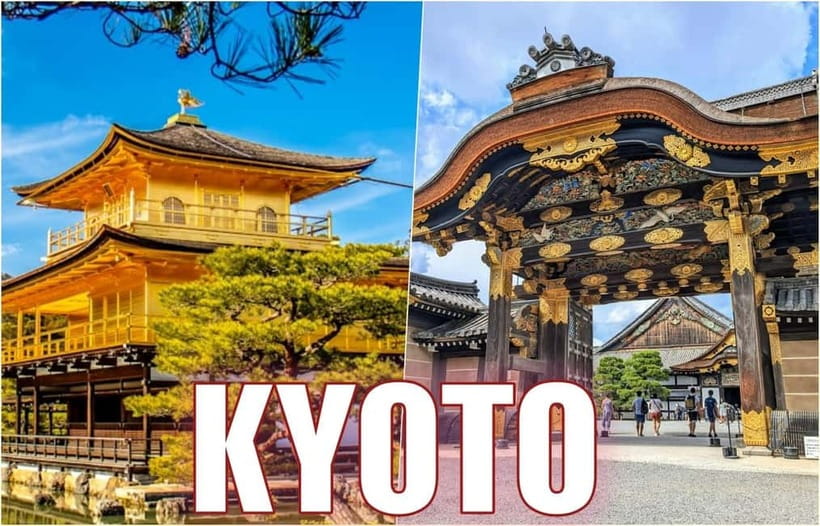
Golden Pavilion, Nijo Castle, & Nishiki Market Half day tour
Kyoto’s past comes into focus on this four-hour private tour. You see the Golden Pavilion, walk through the former world of the shogun at Nijo Castle, and finish among the food stalls of Nishiki Market. The route also gives you useful bearings for the rest of your Kyoto stay.
I like the clear historical thread, from Ashikaga Yoshimitsu and the early shoguns to the samurai era’s end and Japan’s modernization. I also like Roberto’s use of an iPad with his own images and explanations. It gives you something to look at while he explains complicated events.
The main drawback is the pace. You cover three major sights in one morning, using public buses and trains between them. You also pay the two entrance fees, local transport, and lunch separately, and the tour is not suited to anyone who needs a wheelchair or has limited walking ability.
Key points at a glance
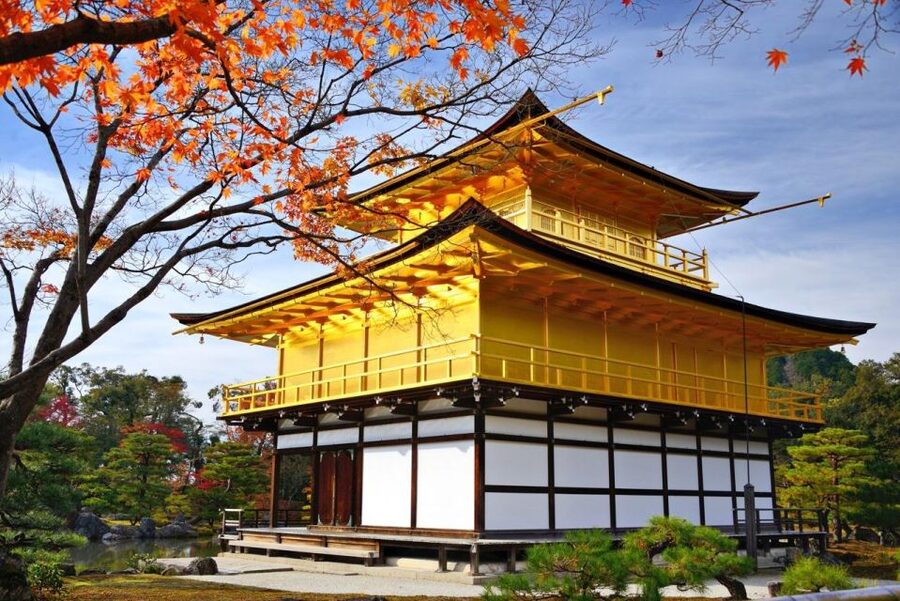
- Three major Kyoto stops in four hours: Kinkaku-ji, Nijo Castle, and Nishiki Market.
- Roberto leads the tour: He is a Kyoto City certified guide and speaks English and Spanish.
- Visual explanations help: Roberto uses an iPad he prepared himself, with images and explanations to make the history easier to follow.
- Public transport is part of the experience: The route uses a bus and subway, giving you a practical introduction to getting around Kyoto.
- A useful lunch finish: The tour ends at Nishiki Market, where you can choose from many food options on your own.
- Extra costs are modest but real: Add 500 yen for Kinkaku-ji, 1,300 yen for Nijo Castle, transport, and any food or drinks.
Why this Kyoto morning works well
This tour is built around contrast. Kinkaku-ji gives you polished beauty and Zen symbolism. Nijo Castle gives you political drama, defensive design, and the atmosphere of the Edo period. Nishiki Market brings you back to daily life, with food, kitchen tools, and local shopping.
That mix is useful because Kyoto can otherwise feel like a long parade of temples. You are not simply looking at one beautiful building after another. Roberto connects architecture to power, religion, warfare, and food.
The tour begins at 8:30 in the morning and finishes around 12:30. Starting early matters at Kyoto’s most famous sights. It gives you a better chance of seeing the Golden Pavilion before the day becomes more crowded, though the tour still takes place at popular locations.
You meet in front of the 7-Eleven at the central entrance of JR Kyoto Station, on the Kyoto Tower side. Roberto holds an iPad and a red card marked RBRT, which makes him easier to spot in the busy station area.
More Castle Day Trips in Japan
- From Osaka: Himeji Castle, Arima Onsen & Mt. Rokko Day Tour
★ 4.6 · 339 reviews - 1-Day Tour from Nagano and Matsumoto Kamikochi & Matsumoto Castle
★ 5.0 · 105 reviews - Full-Day Tour: Matsumoto Castle & Kamikochi Alpine Valley
★ 4.8 · 78 reviews
Kinkaku-ji: Kyoto’s famous gold pavilion
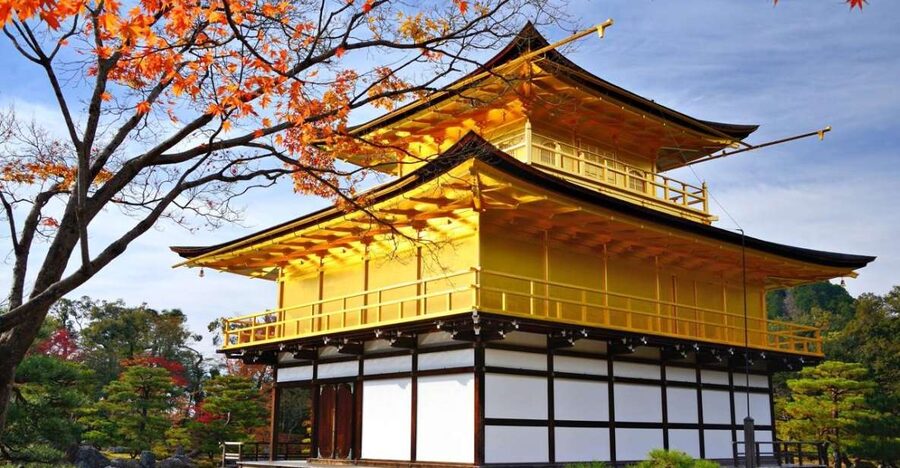
The first major stop is Kinkaku-ji, better known in English as the Golden Pavilion. The temple sits in northwest Kyoto and is one of Japan’s most recognizable sights.
The top two floors are covered in real gold leaf. The pavilion faces a pond, and its reflection is one of the main reasons people come. The gold is not only decoration. It signals wealth, authority, and religious devotion, which gives the building more meaning than a quick photograph might suggest.
Kinkaku-ji began as a villa for Ashikaga Yoshimitsu, the 14th century shogun. After his death, it became a Zen Buddhist temple. This is an excellent place to begin the day because the building introduces the relationship between military rulers, religion, art, and status that runs through much of Kyoto’s history.
You spend about 90 minutes at the site with Roberto. That is enough time for an explanation and a proper look, but it is not an open-ended visit. You follow a set route, and some parts of the temple grounds have restrictions on photography. Bring your camera, but be ready to put it away in certain areas.
The pavilion itself is the visual star, yet the value of the stop depends heavily on context. Without an explanation, you may simply see a gold building beside a pond. With Roberto’s iPad images and guidance, you can better understand why this particular structure mattered to the shogun who commissioned it.
Nijo Castle and the sound of power
From Kinkaku-ji, the group travels by subway for about 20 minutes before reaching Nijo Castle. The castle visit lasts about 95 minutes, making it the longest stop of the morning.
Nijo Castle offers a very different experience. Kinkaku-ji is designed to impress through elegance and reflection. Nijo Castle was built for control, ceremony, and protection. Its architecture helps explain how the shogun and feudal lords managed power during the Edo period.
Roberto focuses on the struggle among samurai, feudal lords, and the shogun, the military ruler who held enormous authority. He also explains the end of the samurai era and the start of Japan’s modernization. This makes Nijo Castle especially useful if you want more than names and dates.
One detail to listen for is the castle’s nightingale floors. These wooden floors make a chirping sound when people walk across them. The sound acted as an early security measure, warning occupants when someone was moving through the building.
The castle also rewards close attention to craftsmanship. You see Edo period woodwork and detailed decorative designs, but the setting is not only about beauty. The building was part residence, part political stage, and part defensive system.
Nijo Castle requires an entrance fee of 1,300 yen, approximately US$8.15 based on the supplied price. That fee is separate from the $90 tour cost. You should also expect to remove or manage footwear according to the site’s rules, although the precise arrangements can vary by area and day.
The 95-minute visit is useful, but it contributes to the tour’s brisk pace. If you like to linger over every room or study every architectural detail, you may wish you had more time. If you want a guided introduction that puts the castle into a larger story, the timing is more practical.
Nishiki Market: a lively finish with lunch choices
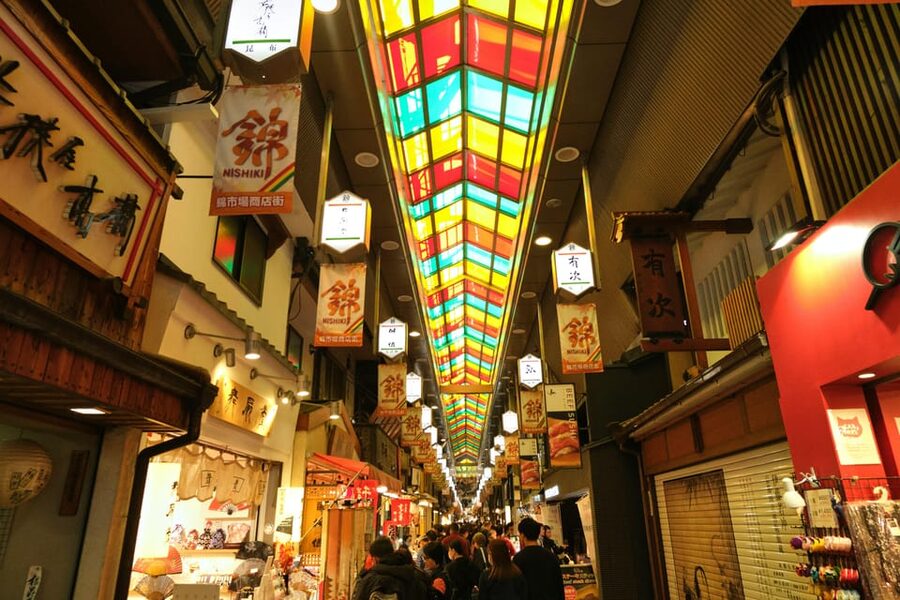
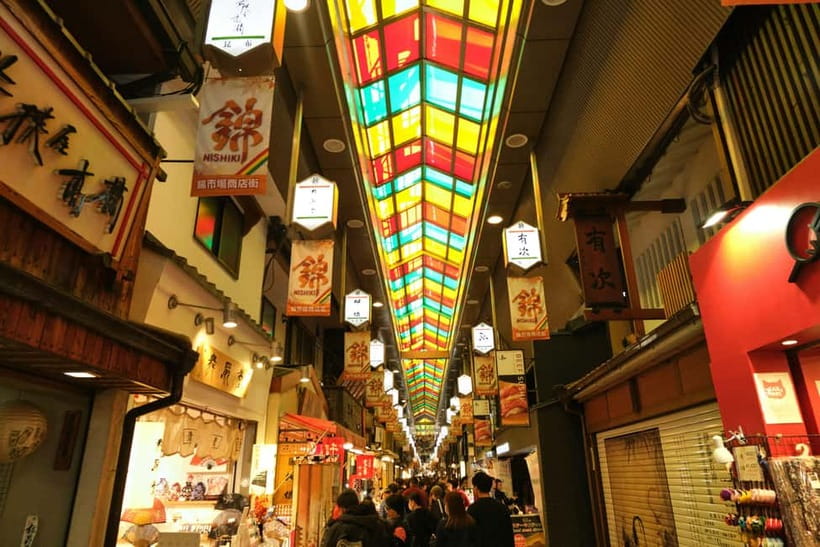
After Nijo Castle, you travel by subway for about 15 minutes and then walk roughly 10 minutes to Nishiki Market. The market is a narrow shopping street about five blocks long, with more than 100 shops and restaurants.
Nishiki is often called Kyoto’s Kitchen. You find food-related goods, fresh seafood, produce, knives, cookware, and many small places to eat. The market is a good change of pace after two formal heritage sites.
Roberto explains the market’s origins at the entrance. After that, the tour ends and you are free to decide what to eat for lunch. This is a smart arrangement because food tastes and budgets vary. You are not locked into a restaurant chosen for the group.
The market can feel lively and crowded, especially because it is a popular stop for international visitors. Keep your bag close, move at the pace of the foot traffic, and avoid bringing a large suitcase. Strollers and luggage are not allowed on the tour, so plan to leave bulky items at your accommodation or in suitable storage before meeting the guide.
Nishiki is also a practical place to start exploring Kyoto’s food culture. You can browse kitchen knives and cookware, look at local ingredients, or choose a quick lunch. The tour does not include food or drinks, so budget separately for anything you buy.
More Japanese Castle Tours in Japan:
- Osaka Castle: Museum and Tower Entry Ticket
★ 4.5 · 2,380 reviews - Kyoto: Nijo-jo Castle and Ninomaru Palace Guided Tour
★ 4.7 · 1,020 reviews - Kyoto: Nijo Castle, Kiyomizu & Fushimi Inari Guided Tour
★ 4.7 · 700 reviews - Osaka Castle Walking Tour and Castle Tower Admission
★ 5.0 · 561 reviews
Roberto’s guiding style and use of the iPad
Roberto is a Kyoto City certified tourist guide and leads tours in English and Spanish. His use of an iPad is one of the more useful features here. Kyoto’s political history involves many unfamiliar names, shifting alliances, and titles. A picture or short visual explanation can make those details easier to remember.
The supplied information also notes that Roberto can take as many pictures of you as you wish. That is helpful for solo visitors, couples, and families who want photographs together rather than another set of shots with one person missing.
A small video made for a visitor’s trip was also praised in the supplied comments, as was the cheerful and attentive approach to guiding. You should not assume a particular video is included on every departure, but it shows the personal style associated with this private tour.
The private format is important. You are not trying to hear a guide over a large crowd, and the pace can be more personal than on a big group outing. Roberto can also offer suggestions for places to visit during the rest of your time in Kyoto.
That last point may be especially valuable if this is your first morning in the city. You can ask about how to arrange later visits, and the tour’s central finish at Nishiki Market leaves you in a useful part of downtown for the afternoon.
How the transport shapes the morning
The tour does not use a private vehicle. You travel by public bus and subway, including a bus ride of about 35 minutes from Kyoto Station to the first stop, a 20-minute subway journey to Nijo Castle, and another 15-minute subway trip toward Nishiki Market.
I see that as both a benefit and a limitation. The benefit is practical: you learn how Kyoto’s public transport fits together, which can help you during the rest of your trip. The limitation is that buses and trains take time, and you may be standing or moving through busy stations.
The tour includes the guide’s entrance fees and transport costs, but your own transportation fee is not included. The supplied price also lists your two attraction tickets as separate expenses. Clarify the current transport cost when booking, since fares can vary with the exact route and local pricing.
Comfortable shoes are essential. You do not climb mountains or face very long stairways, but this is still a walking tour with several transfers and visits to large historic sites.
What the $90 price really covers
The tour costs $90 per person. For a private four-hour experience with a certified local guide, personal attention, visual explanations, and three significant stops, that can be a reasonable price for people who value structure and context.
It is not an all-inclusive $90 morning. Add 500 yen for Kinkaku-ji and 1,300 yen for Nijo Castle, or about 1,800 yen total, listed as approximately US$11.25 in the supplied figures. You also pay for your own public transport and lunch.
The value is strongest for first-time visitors who want Kyoto explained rather than simply pointed out. A self-guided visit can cost less, especially if you already understand the city’s bus and subway system. But it will not give you Roberto’s connected explanation of the shogun, samurai, feudal lords, architecture, and market traditions.
The private format also changes the calculation for families or small groups. The more people in your party, the more useful the one-guide arrangement may feel, provided the per-person rate fits your budget.
Who should book this tour
I would choose this tour if you are visiting Kyoto for the first time and want an early introduction to the city’s major themes. It is also a good fit if Japanese history feels confusing and you want the Edo period, samurai, and shogun explained in plain language.
It suits people who like a clear schedule, practical transport help, and a guide who can answer questions. English and Spanish speakers can choose the language that works best for them.
Families may appreciate the visual aid and the chance to have photographs taken. The tour is also useful for anyone who wants recommendations for the following days rather than planning every hour alone.
This is not the right choice if you want a slow photographic morning at Kinkaku-ji, a long lunch, or a relaxed visit to only one attraction. It is also unsuitable for wheelchair users, pregnant women, people with back problems, people with a low fitness level, and anyone who cannot manage regular walking and public transport.
The tour runs rain or shine. Wear shoes that can handle several hours on your feet, and bring weather protection. Do not bring a stroller, suitcase, or large bag.
Should you book the Golden Pavilion, Nijo Castle, and Nishiki Market tour?
Book it if you want three different sides of Kyoto in one morning and prefer a private guide to explain what you are seeing. Roberto’s certified status, iPad presentations, language options, and willingness to suggest later stops add real value.
Skip it if you dislike fixed timing, public transport, or extra entrance costs. The strongest reason to choose this tour is not simply the Golden Pavilion. It is the way the morning links gold leaf, shogun power, samurai security, and Kyoto food culture before leaving you at Nishiki Market for lunch.
FAQ
How long does the tour last?
The tour lasts about four hours, from approximately 8:30 AM to 12:30 PM.
Where does the tour begin?
It begins in front of the 7-Eleven at the JR Kyoto Station Central Entrance, on the Kyoto Tower side. The guide holds an iPad and a red card marked RBRT.
Where does the tour finish?
It finishes at the entrance to Nishiki Market. Roberto explains the market’s origins, then you can choose where to eat lunch.
Which sights are included?
The tour visits Kinkaku-ji, also called the Golden Pavilion, Nijo Castle, and Nishiki Market.
Are entrance fees included?
Your entrance fees are not included. Kinkaku-ji costs 500 yen and Nijo Castle costs 1,300 yen, according to the supplied information.
Is transportation included?
Your own transportation fee is not included. The tour uses public buses and subways, while the guide’s entrance fees and transportation are covered.
Which languages are available?
The tour is available in English and Spanish.
Can I cancel the booking?
You can cancel up to 24 hours in advance for a full refund. A reserve now and pay later option is also available.
More Shopping Beside the Castle in Japan
- Kruja castle, the old Bazaar & Sarisalltik- Departure from Tirana
★ 5.0 · 592 reviews - The Egyptian Museum, the Citadel, Khan Khalil Bazaar & Old Cairo
★ 5.0 · 418 reviews - Pisac Indian Market and Ollantaytambo Fortress with Lunch
★ 4.5 · 395 reviews - From Durres/Golem: Kruja Castle, Old Bazaar & Sari Salltik
★ 4.5 · 169 reviews
More Market Stops Below the Castle in Japan
- [Same Day OK] Osaka 4 hour, Castle, Market, Walking tour
★ 5.0 · 186 reviews - From Tirana: Kruja Castle, Old Bazaar & Sari Salltik View
★ 4.8 · 2,171 reviews - From Durres/Golem: Kruja Castle & Old Bazaar Day Tour
★ 4.9 · 1,317 reviews - Durres/Golem: Kruja Castle & Bazaar with Traditional Lunch
★ 5.0 · 632 reviews
Newly walked in Japan
- Tokyo: Edo Castle and Imperial Palace Guided Walking Tour★ 5.0 · 6 reviews
- (Ticket Included) Explore Osaka Castle & Museum of History★ 4.8 · 21 reviews
- Peace Memorial Park, Hiroshima Castle, & Garden Private Tour★ 4.8 · 7 reviews
- Osaka: Osaka Castle – Tsuruhashi – Tennoji (Spanish Guide)★ 4.7 · 10 reviews
- Osaka/kyoto: Himeji Castle, Kobe. Luxury Day Trip with Guide★ 5.0 · 2 reviews
- Osaka: Osaka Castle 3 hours Historical Walking Tour★ 4.6 · 14 reviews
- Osaka: Early Morning Osaka Castle Guided Tour, Avoid Crowds★ 4.9 · 12 reviews
- Osaka: Explore Every Bit of Osaka Castle in 3 Hours★ 5.0 · 5 reviews
Japanese Castle Tours, compared.
Nijo-jo Castle and Ninomaru Palace Guided Tour
Read our review →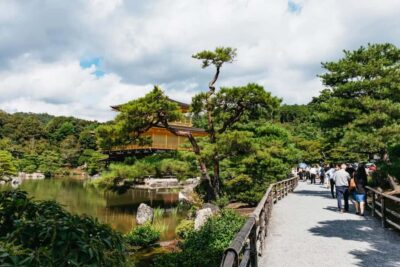
Nijo Castle, Kiyomizu & Fushimi Inari Guided Tour
Read our review →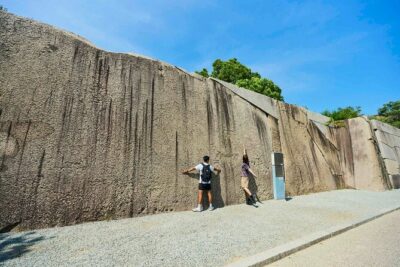
Osaka Castle Walking Tour and Castle Tower Admission
Read our review →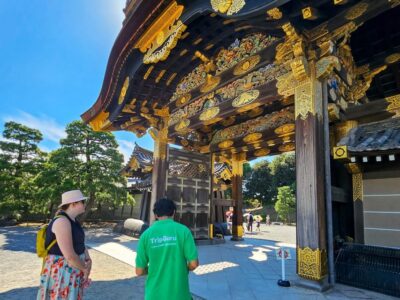
Imperial Palace & Nijo Castle Guided Walking Tour
Read our review →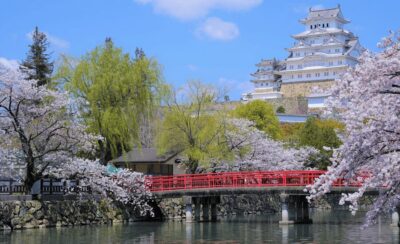
Himeji Castle, Arima Onsen & Mt. Rokko Day Tour
Read our review →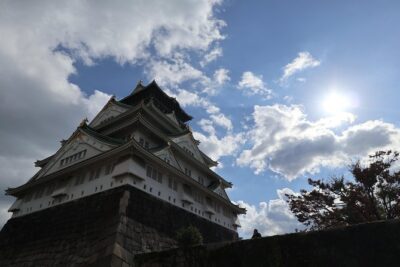
5-Hour Osaka Bike Tour to the Neighborhood of Osaka Castle
Read our review →
Browse the lists this tour appears in