
Review · KYOTO
Kyoto: Imperial Palace & Nijo Castle Guided Walking Tour
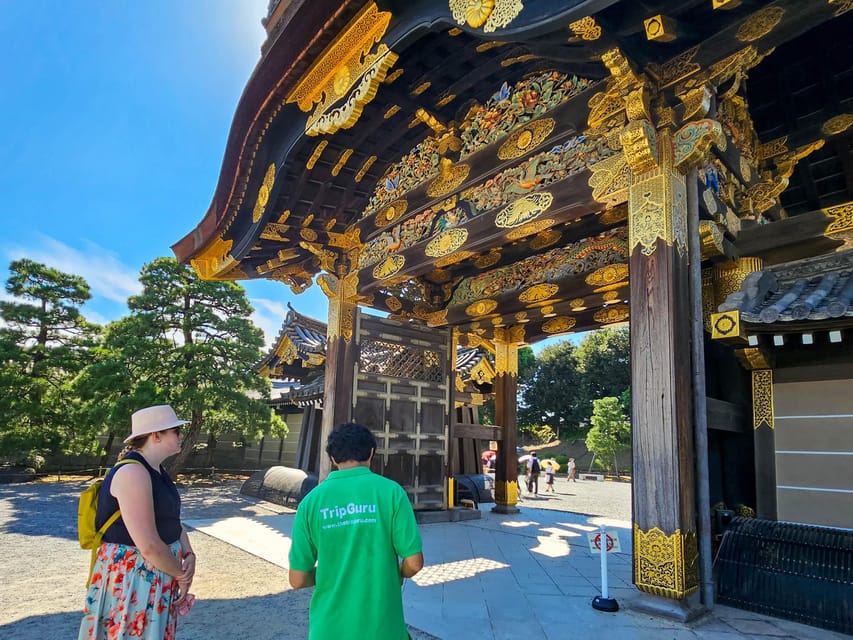
Kyoto’s political past comes into focus when you visit Nijo Castle and the Imperial Palace together. One was tied to the shogun, the other to the emperor, and seeing both in one outing gives you a useful key to Kyoto’s complicated power structure. I like the small group size, capped at nine, and the fact that entry to Nijo Castle’s Ninomaru-goten Palace and Painting Gallery is included.
I also like the flexible start times and the short format. You can fit this tour between other Kyoto plans, and guides such as Jasmine, Raphael, Vincent, and Taku have earned praise for clear English, good pacing, and answers that go beyond dates and names. The main consideration is walking: the Imperial Palace grounds are broad, and you should not expect a full indoor palace visit.
Key points to know before booking
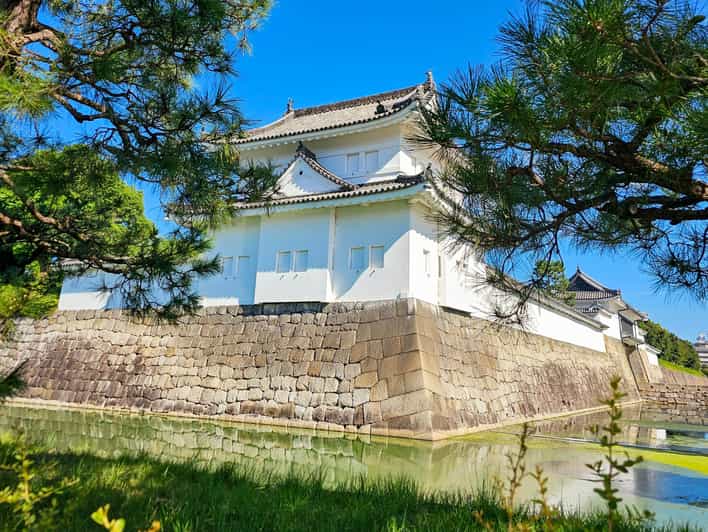
- Two power centers in one morning or afternoon: Compare the shogun’s Nijo Castle with the emperor’s Kyoto Imperial Palace.
- Ninomaru-goten entry included: The castle visit covers the palace, gardens, and Painting Gallery.
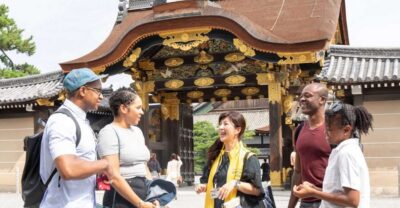
- Small groups capped at nine: A guide can usually answer questions and keep the group together without a microphone.
- Three hours, not a rushed photo stop: Plan on roughly an hour at each main site, plus walking between them.
- Flexible scheduling: Several starting times and last-minute reservations make this useful for a changing Kyoto itinerary.
- Comfortable shoes matter: Expect outdoor walking, palace grounds, gardens, and possible heat in warmer months.
Why pairing the shogun’s castle with the emperor’s palace works
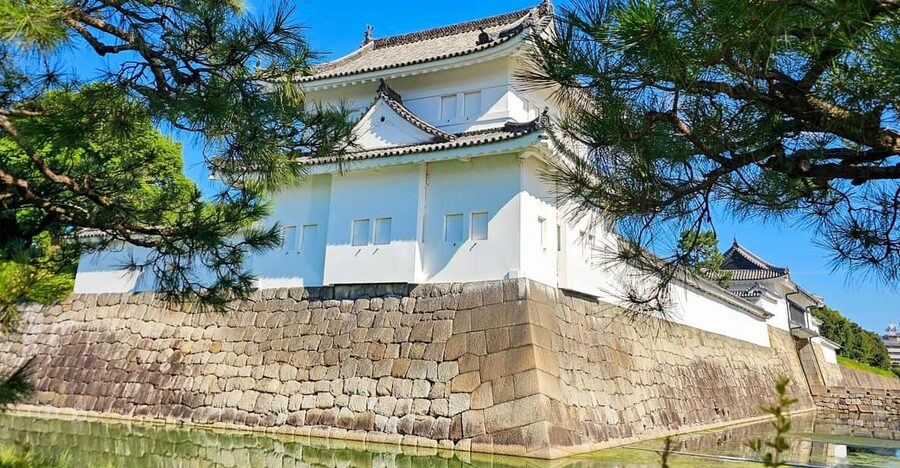
Kyoto can feel like a collection of beautiful sites without an obvious storyline. This tour helps connect two of the city’s most important places. At Nijo Castle, you look at the world of the shogun and the military government. At the Imperial Palace, you see the former home of the imperial family and a different side of Japan’s political tradition.
That contrast is the real reason to book. A guide can point out how architecture, gardens, ceremonies, and spaces for receiving visitors reflected rank and authority. Without that context, you may admire polished wood, painted screens, gravel paths, and formal gates without understanding what each place was trying to communicate.
The tour begins outside Exit 1 of Nijojo-mae Station. Your guide should be wearing a TripGuru shirt or holding a TripGuru sign. Arrive at least 10 minutes early. The guide waits only 10 minutes after the stated meeting time, and Kyoto traffic can be slower than navigation apps suggest.
More Castle Walking Tours in Japan
- Tokyo Castle & Imperial PalaceーShogun Walking Tour
★ 4.7 · 1,068 reviews - Ultimate Osaka Walking Tour: Castle, Dotonbori & Hidden Gems
★ 5.0 · 862 reviews - Tokyo Castle & Imperial PalaceーShogun Walking Tour
★ 5.0 · 724 reviews
Nijo Castle: polished rooms, gardens, and shogun power
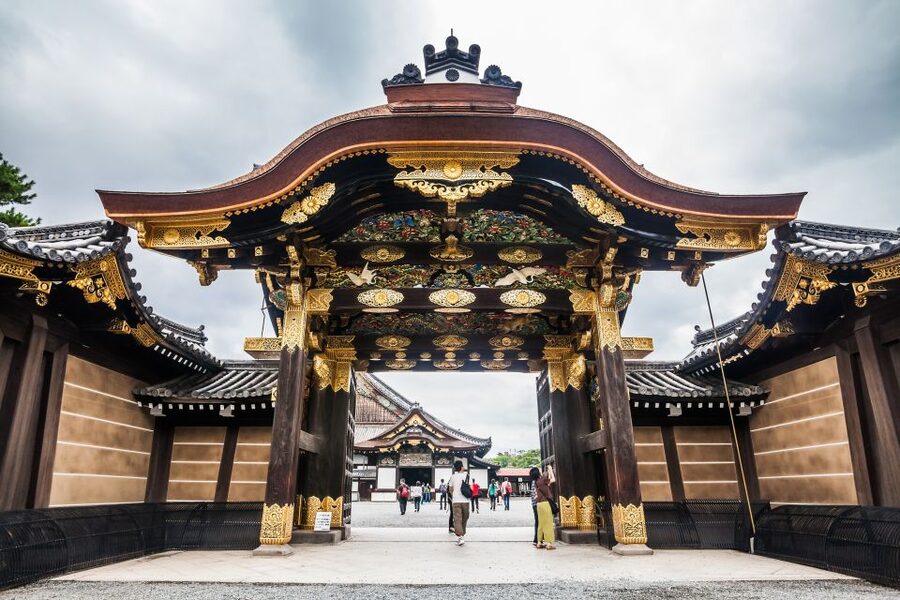
Nijo Castle is the stronger stop for many people because it gives you more to look at indoors. The included admission covers Ninomaru-goten Palace and the Painting Gallery, as well as the castle grounds and garden areas.
The Ninomaru-goten Palace is the heart of the visit. You move through formal interiors where architecture and decoration helped express status. Painted screens and carefully arranged rooms are not just pretty background. They offer clues about how visitors were received and how authority was displayed.
A guide adds value here by explaining details that are easy to miss on your own. You may hear about the meaning of symbols, the purpose of different rooms, and the difference between the shogun’s role and the emperor’s role. Several guides have been praised for answering questions about architecture, Japanese culture, and the hidden messages in the buildings and gardens.
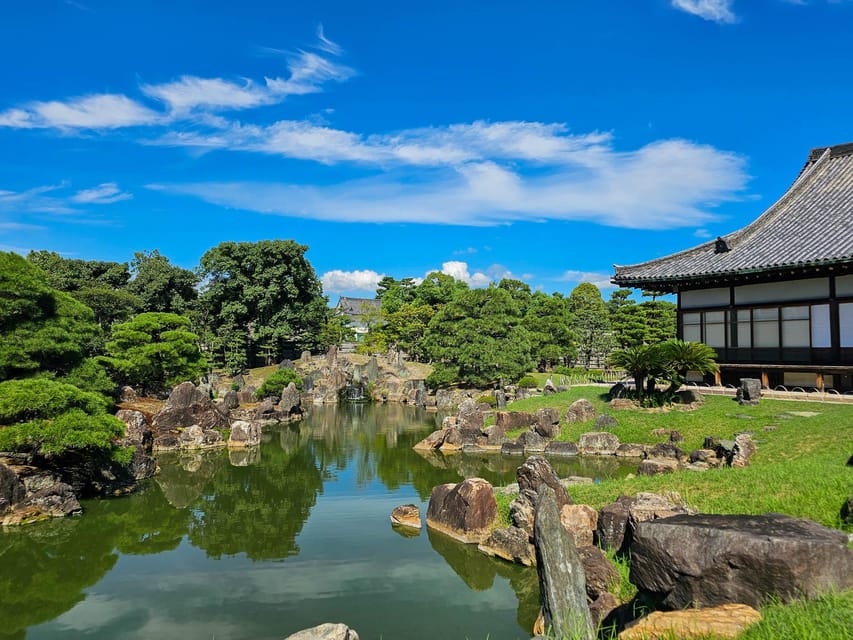
The gardens provide a change of pace after the formal interiors. You can pause for photographs and look at how the paths, trees, stones, and water features create carefully framed views. The tour does not treat the castle as a quick exterior photo stop. You get a guided visit of about an hour, though the exact pace can depend on the group.
One important limit: the advertised castle visit covers Ninomaru-goten Palace and Garden, not every section of Nijo Castle. If you want to explore every corner at leisure, a self-guided visit with more time may suit you better.
The walk to Kyoto Imperial Palace
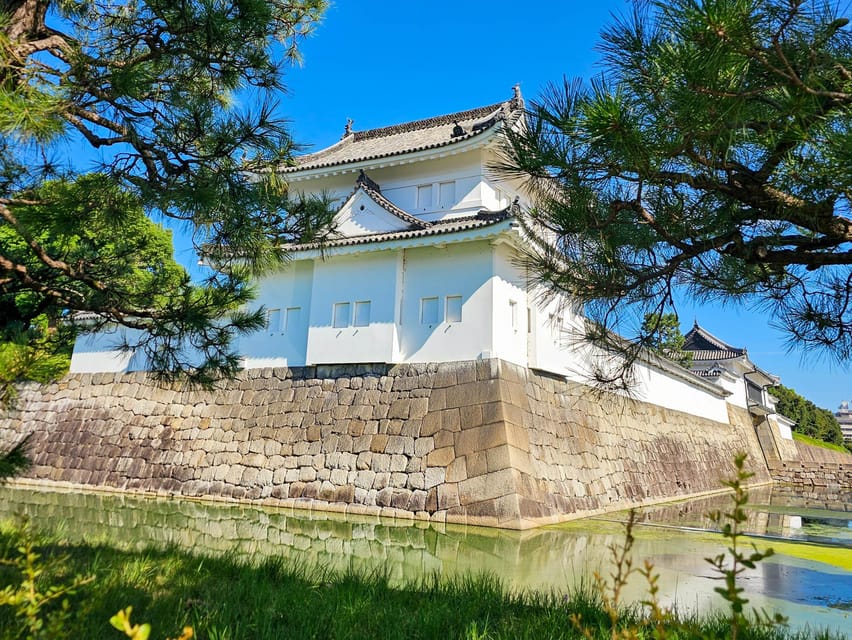
The itinerary finishes at Imadegawa Station, with the Imperial Palace after Nijo Castle. This is a walking tour, not a coach excursion, so you should be ready to spend much of the three hours on your feet.
The route gives the tour a useful rhythm. Nijo Castle offers concentrated interiors and a strong sense of ceremony. The Imperial Palace opens out into larger grounds and a more spacious setting. That shift helps you compare the two places rather than seeing them as two unrelated monuments.
The booking information describes the experience as three hours, while the main visits are listed at about one hour each. The remaining time covers walking, orientation, and the move between the sites. Think of it as a compact half-day outing, not exactly two hours from start to finish.
In summer, take water and wear a hat. One June visitor specifically noted the heat, and the open palace grounds can make warm weather feel stronger. Comfortable shoes are essential in every season.
Kyoto Imperial Palace: a quieter look at imperial life
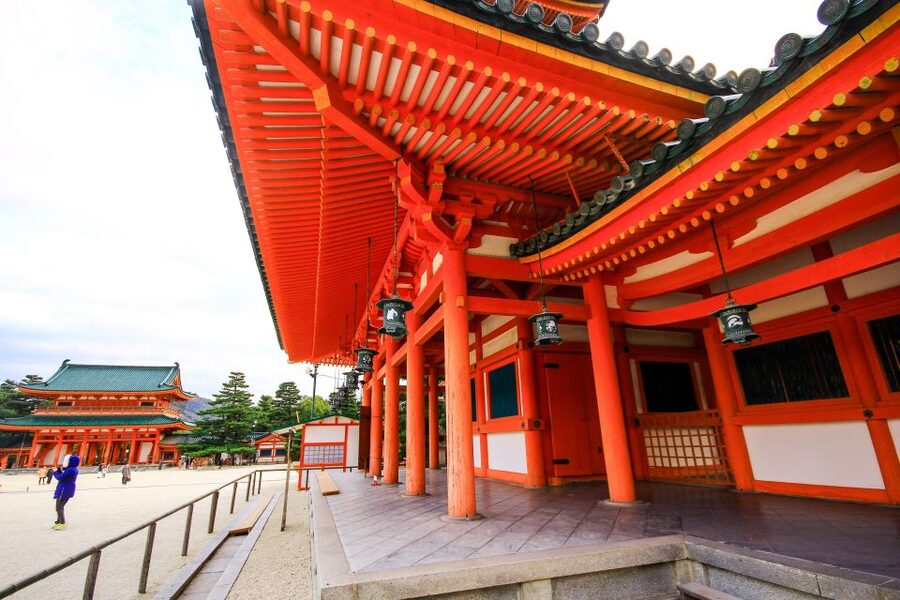
The Kyoto Imperial Palace was the residence of Japan’s imperial family when Kyoto served as the capital. Your guide takes you around the impressive buildings, gardens, and grounds while explaining the palace’s place in Japanese history.
The experience here is more about setting, scale, and historical meaning than a long indoor museum visit. Do not book this tour expecting to wander through every private room. One important practical point from the available information is that the palace interior is not generally part of the visit, so your time is focused mainly on the grounds and exterior architecture.
That limitation will matter to some people. If your main goal is lavish interiors, Nijo Castle will likely be the more satisfying stop. But the palace grounds give you a different experience: broad formal spaces, carefully planned gardens, and a sense of the setting in which the imperial household operated.
A guide can also help you understand why Kyoto remained important after the imperial court moved away. The best guides do not simply recite dates. They connect the buildings with Japanese government, court life, social rank, and modern culture. Guides such as Alex, Jasmine, Raphael, and Vincent have been praised for adding present-day cultural context to the historical explanation.
The palace visit lasts about an hour. That is enough for a useful overview, but not enough for a slow, independent exploration of every path. If you like to stop often for photographs or read every sign, you may feel the schedule is brisk.
More Guided Castle Tours in Japan
- Kyoto: Nijo-jo Castle and Ninomaru Palace Guided Tour
★ 4.7 · 1,020 reviews - Kyoto: Nijo Castle, Kiyomizu & Fushimi Inari Guided Tour
★ 4.7 · 700 reviews - Osaka Castle Guided Tour
★ 4.7 · 249 reviews - Kyoto: Nijo Castle World Heritage Guided Tour with Admission
★ 5.0 · 128 reviews
The guides make the difference
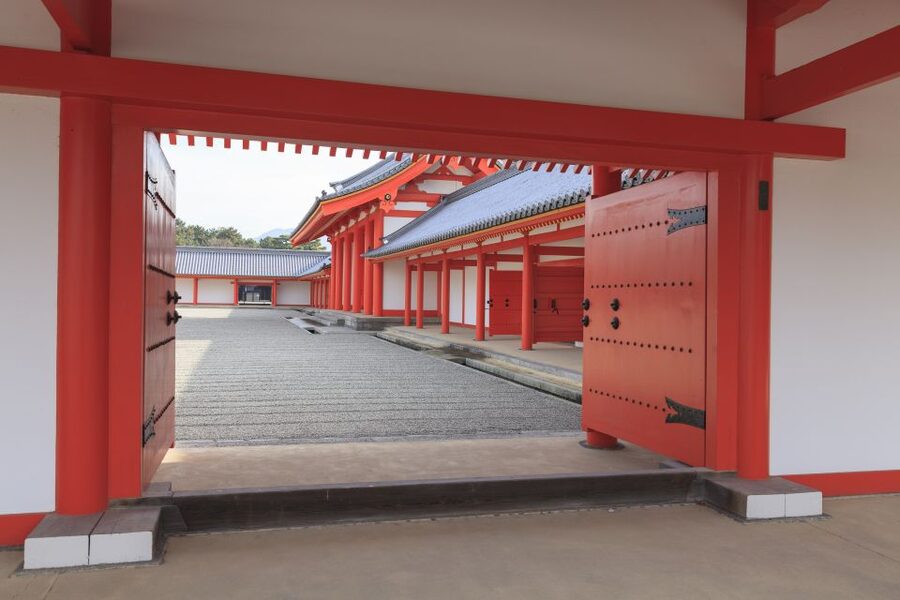
The sights are excellent on their own, but this tour depends heavily on the person leading it. The guide is expected to explain both sites in English, French, or Spanish, depending on the departure you choose.
The strongest praise has focused on guides who combine facts with storytelling. Jasmine has been described as clear, friendly, expressive, and good at explaining symbols and cultural background. Raphael has been praised for strong English, careful historical explanations, and a pleasant way of handling questions. Vincent has received similar praise for balancing historical detail with cultural references and managing time well.
Taku has also been noted for patience, local knowledge, and consideration for the whole group. One useful detail is that some guides offer recommendations for food or further sightseeing after the tour. That can be especially handy if Kyoto is your first stop in Japan and you still need help shaping the rest of your visit.
A small group of up to nine is a real advantage. You can usually hear the guide more easily than in a large bus group, and there is more room to ask about a detail that catches your attention. The tradeoff is that group pace still matters. You will not have complete control over how long you spend at each garden or room.
Guide quality can vary because you are not guaranteed a specific person. The consistently strong feedback about several named guides is encouraging, but book this as a well-organized group tour rather than a private appointment.
Is $49 a fair price?
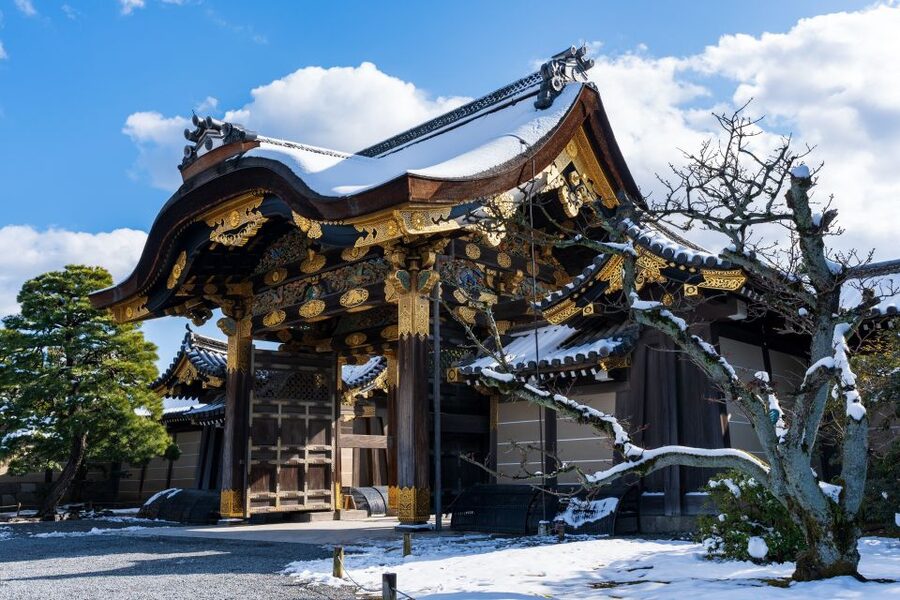
At $49 per person, this is a reasonable price if you want both admission and interpretation in a compact schedule. Nijo Castle entry, including Ninomaru-goten Palace and the Painting Gallery, is included, along with an English, French, or Spanish-speaking guide.
The value comes mainly from the pairing. You avoid arranging two separate visits, researching the political background yourself, and working out how to connect the sites. For a first visit to Kyoto, that structure can save time and help you notice details you might otherwise walk past.
You are not paying for meals, drinks, hotel pickup, hotel drop-off, or personal expenses. The meeting point is at Nijojo-mae Station, and the tour ends at Imadegawa Station. That start and finish arrangement works well if you plan another activity afterward, but it means you must handle your own transport to the first station and from the last one.
The price is less attractive if you prefer complete independence or want to spend several hours at one site. The tour gives you a solid introduction, not unlimited time. It is best value for someone who wants historical explanation and a clean route through two major sights.
Who will enjoy this Kyoto walking tour most
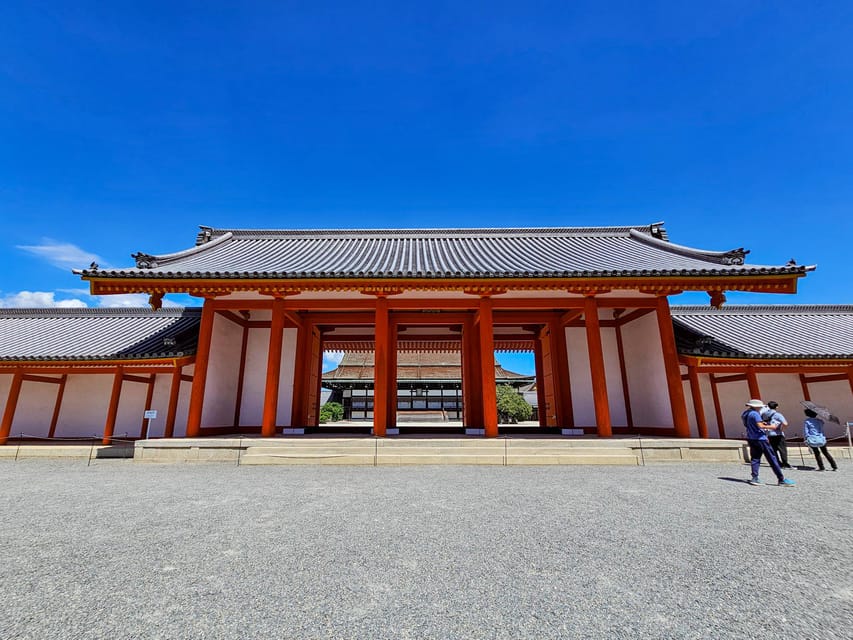
I would recommend it to first-time visitors who want a clear introduction to Kyoto’s imperial and military past. It also suits anyone with only one free morning or afternoon and a preference for guided sightseeing over reading signs alone.
Families with older children may find the contrast between emperor and shogun gives the tour an easy storyline. History fans will appreciate the explanations of architecture, gardens, rank, and court life. The small group format should also work well for solo visitors who want company without joining a large crowd.
This is not the best choice for anyone who needs a low-walking outing. The experience is not suitable for people with mobility impairments, pregnant women, heart problems, or respiratory issues. The grounds can also be tiring in hot weather.
Dress modestly and respectfully for the palace grounds. Avoid clothing that is too revealing or casual, including shorts or tank tops. Bring comfortable shoes, a camera, and cash. The information does not specify what cash is needed for, but it is included among the recommended items.
How to make the three hours work well
Choose a start time that leaves you enough room to reach Nijojo-mae Station early. Morning traffic can vary sharply, even when a map app gives you a short journey time. Being late can mean missing the group because the guide waits no more than 10 minutes.
Wear shoes you can walk in for several hours. The tour includes indoor castle areas, outdoor paths, gardens, and the spacious Imperial Palace grounds. In warmer months, add water and a hat, and do not assume the short format means minimal walking.
Keep your questions ready. The guide’s greatest value is not simply leading you from one gate to another. Ask about the difference between imperial and shogunal authority, the meaning of decorative details, or how the buildings were used. Guides such as Jasmine, Raphael, Vincent, and Alex have been especially praised for answering questions and adding useful cultural context.
Allow time after the tour if you want a meal, another sightseeing stop, or a slower look at the neighborhood. Since the finish is at Imadegawa Station, check your next destination before booking a departure time.
Should you book it?
Book this tour if you want two major Kyoto sites explained in one compact outing. The included Nijo Castle admission, small groups, flexible start times, and strong record of friendly, clear guides make $49 a fair buy for many first-time visitors.
Think twice if your priority is a long, quiet visit or full access to Imperial Palace interiors. The palace portion focuses on the grounds, and the schedule keeps moving. For most people who want historical context, practical organization, and a manageable introduction to Kyoto’s former rulers, this is a smart use of three hours.
FAQ
How long does the Kyoto Imperial Palace and Nijo Castle tour last?
The tour duration is three hours. The listed visits allow about one hour at Nijo Castle and one hour at Kyoto Imperial Palace, with the remaining time used for walking and moving between the sites.
Where does the tour begin?
It begins outside Exit 1 at Nijojo-mae Station, near Nijo Castle. The guide will wear a TripGuru shirt or hold a TripGuru sign.
Where does the tour finish?
The tour finishes at Imadegawa Station.
What languages are available?
Live guides are available in English, French, and Spanish.
How large is the group?
The group is limited to nine participants.
Is Nijo Castle admission included?
Yes. Admission includes Nijo Castle, Ninomaru-goten Palace, and the Painting Gallery.
Can I visit inside Kyoto Imperial Palace?
The tour focuses on the Imperial Palace grounds and exterior areas. The available information indicates that the palace interior is not part of the visit.
What should I wear and bring?
Wear comfortable shoes and dress modestly and respectfully for the palace grounds. Bring a camera and cash. In hot weather, water and a hat are also sensible.
Can I cancel the booking?
You can cancel up to 24 hours in advance for a full refund. The reserve-now-and-pay-later option lets you book without paying immediately.
More Japanese Castle Tours in Japan
- Osaka Castle: Museum and Tower Entry Ticket
★ 4.5 · 2,380 reviews - Osaka Castle Walking Tour and Castle Tower Admission
★ 5.0 · 561 reviews - From Osaka: Himeji Castle, Arima Onsen & Mt. Rokko Day Tour
★ 4.6 · 339 reviews - 5-Hour Osaka Bike Tour to the Neighborhood of Osaka Castle
★ 5.0 · 319 reviews
More Palace Tours in Japan
- Imperial Palace East Garden and Edo Castle Walking Tour in Tokyo
★ 5.0 · 510 reviews - Tokyo: Edo Castle Ruins & Imperial Palace East Garden Tour
★ 4.4 · 13 reviews
Newly walked in Japan
- Himeji: Private Guide Tour of the Castle from Osaka or Kyoto★ 4.5 · 7 reviews
- World Heritage Himeji Castle & Sake Breweries Private Tour★ 4.5 · 11 reviews
- From Nagoya: Samurai Swords and Inuyama Castle Private Tour★ 5.0 · 11 reviews
- 2.5 Hour Private History and Culture Tour in Himeji Castle★ 5.0 · 185 reviews
- Kyoto: Nijo Castle World Heritage Guided Tour with Admission★ 5.0 · 128 reviews
- Himeji: Himeji Castle Guided Tour – UNESCO Heritage★ 4.7 · 115 reviews
- Osaka: Osaka Castle & Historical Museum Guided Tour★ 4.8 · 28 reviews
- Osaka: Osaka Castle Guided Tour with Local Guide★ 4.7 · 78 reviews
Japanese Castle Tours, compared.
Nijo-jo Castle and Ninomaru Palace Guided Tour
Read our review →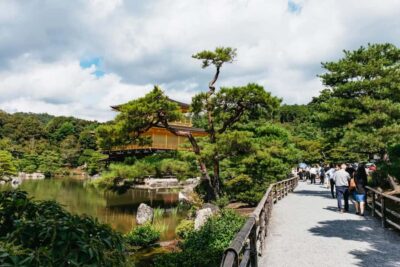
Nijo Castle, Kiyomizu & Fushimi Inari Guided Tour
Read our review →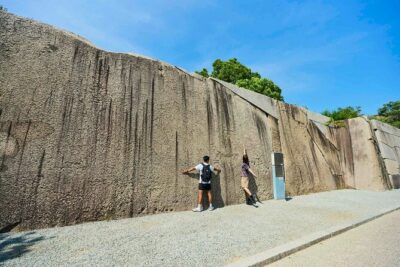
Osaka Castle Walking Tour and Castle Tower Admission
Read our review →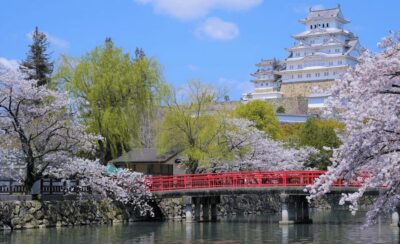
Himeji Castle, Arima Onsen & Mt. Rokko Day Tour
Read our review →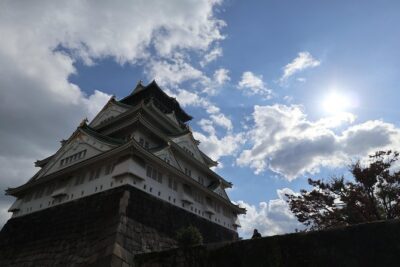
5-Hour Osaka Bike Tour to the Neighborhood of Osaka Castle
Read our review →
Best of Himeji Castle: 3hr Tour with Licensed Guide
Read our review →Browse the lists this tour appears in