
Review · JAPANESE
Kumamoto Castle Guided Tour with Locals
Kumamoto Castle is not just an old Japanese fortress. It is a working story of military planning, local pride, and patient repair after the 2016 earthquake. This private three-hour walk lets you see the castle with an English-speaking local guide who explains what the walls, slopes, and buildings were designed to do.
I like the clear samurai-era storytelling and the fact that the guide helps with photos at good viewpoints. I also like that your admission supports restoration, since about 30 percent of the castle’s stone walls collapsed in the earthquake. The main drawback is simple: three hours on foot can feel long in hot weather, so bring water, a hat, and proper shoes.
- Kato Kiyomasa’s fortress design: See how hills and a 50-meter rise helped shape the castle’s defenses.
- English explanation inside the castle: The guide fills in context where Japanese-only displays and a translation app may not be enough.
- Main keep observation floor: Look across Kumamoto from a castle tower said to be as tall as a 14-story building.
- Private group format: Ask questions freely and request help with photographs.
- Restoration with a purpose: Part of the tour proceeds supports the castle’s long rebuilding program.
Why Kumamoto Castle Feels Like More Than a Monument
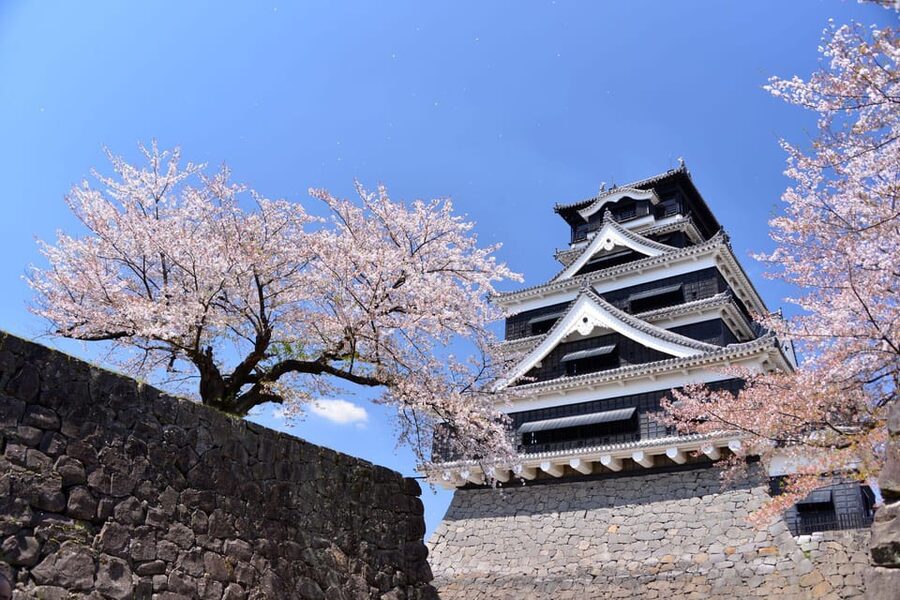
Kumamoto Castle was built about 400 years ago by Kato Kiyomasa, a powerful samurai lord known for strategy and practical construction. The castle’s design uses the natural hill rather than ignoring it. With an elevation of roughly 50 meters, the site gave defenders height, difficult approaches, and a commanding view of the city.
That detail changes how you look at the place. Instead of seeing only a grand tower, you begin to notice the logic of the whole fortress. Slopes, walls, gates, and stonework were part of a plan. The beauty came with a purpose.
For local people, the castle also carries a strong sense of identity. The 2016 Kumamoto earthquake damaged it badly, and the work to repair it is expected to take about 30 years. Seeing the castle today means seeing both an important piece of samurai history and an active preservation effort.
I appreciate tours that explain why a place matters now, not just what happened centuries ago. This one connects the samurai past with Kumamoto’s present effort to care for its cultural symbol.
Meeting by Kumamoto City Hall
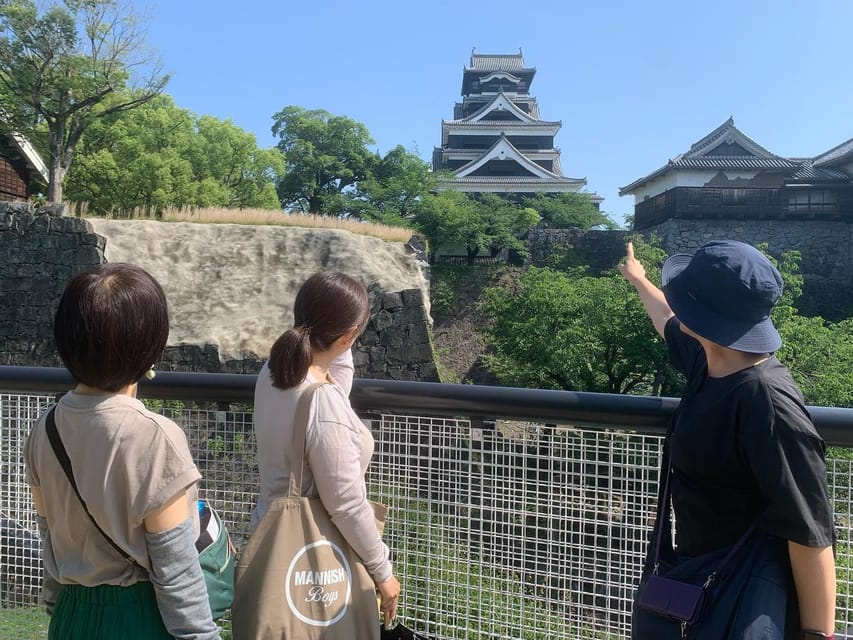
Your walk begins in front of Kumamoto City Hall, on the main entrance side facing the Kumamoto City Tram Street. Look for the guide holding the tour name. The starting point is central and easy to identify, but you should allow time to reach it without rushing.
The tour description also gives Sakuranokoji Josaien as the finish. Another meeting instruction says the activity ends back at the meeting point, so confirm the final drop-off arrangement when you book. This is a small but useful detail, especially if you have a train, restaurant reservation, or another timed activity afterward.
The walk lasts three hours and is offered as a private group with an English-speaking guide. That format matters. You are not trying to keep up with a large crowd, and you can ask for clarification when a name, date, or architectural term is unfamiliar.
A previous five-star experience praised the guide as friendly and clear, with a morning filled with stories about the castle. No guide name is provided, so do not book expecting a particular person. The important point is the local perspective and the chance to ask questions as you go.
More Guided Castle Tours in Japan
- Kyoto: Nijo-jo Castle and Ninomaru Palace Guided Tour
★ 4.7 · 1,020 reviews - Kyoto: Nijo Castle, Kiyomizu & Fushimi Inari Guided Tour
★ 4.7 · 700 reviews - Kyoto: Imperial Palace & Nijo Castle Guided Walking Tour
★ 4.7 · 453 reviews
Walking Into Kato Kiyomasa’s Fortress
The first part of the visit gives you the setting for the castle. Kato Kiyomasa built it as a powerful military base, not merely as a residence with attractive gardens. The guide’s job is to help you read the site as a samurai would have seen it, with attention to position, movement, and defense.
You will hear about the lives of samurai and the ideas behind the castle’s construction. The strongest part of this kind of explanation is its ability to turn physical features into clues. A wall is not only a wall. A steep approach is not only a steep approach. Each feature can tell you something about control and protection.
The castle’s use of the local terrain is especially important. The site rises by about 50 meters, giving the builders a natural advantage. Rather than presenting this as a dry engineering fact, the guide can show how the ground affected the shape and strength of the fortress.
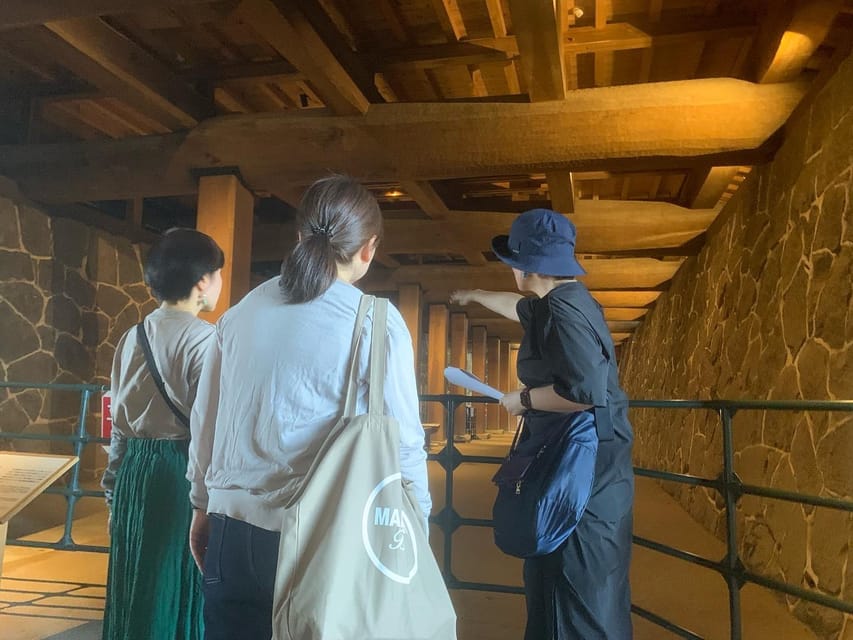
This is where a local guide adds real value. Castle displays can give you dates and names, but a person walking beside you can point out the details that are easy to miss and explain them in plain English.
Inside the Main Keep and the Museum
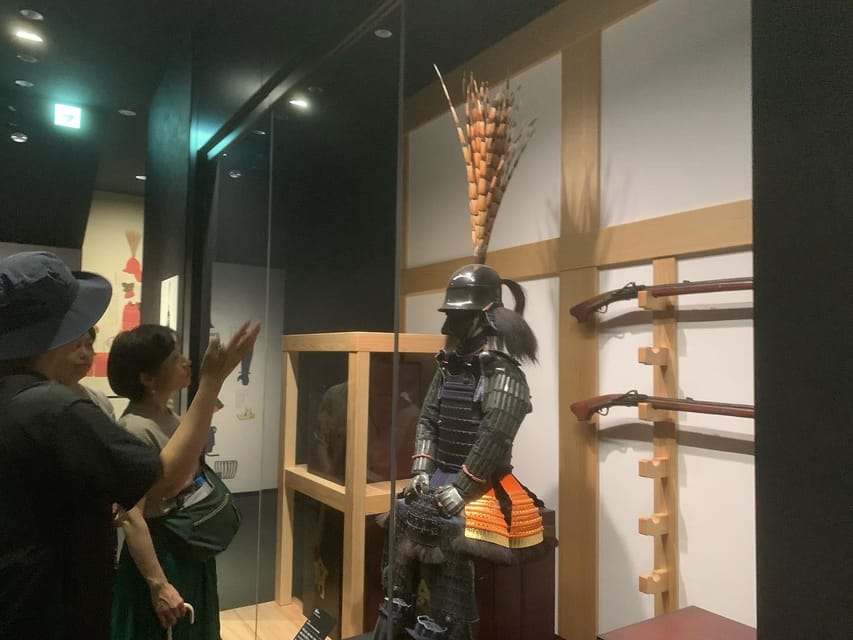
Admission includes Kumamoto Castle and the Kumamoto Castle Museum Exciting Zone. The museum adds useful background to the walk, while the castle keep gives you a closer look at the central building and its displays.
You should know that many exhibits inside the keep are primarily in Japanese. A translation app may help with labels, but it will not always explain the larger meaning of what you are seeing. The guide’s commentary is therefore one of the main reasons to choose this tour instead of entering on your own.
The main keep is described as having a height comparable to a 14-story building. That scale helps explain why the castle is so visually powerful from a distance. Inside, the focus is not only on royal-looking rooms or old objects. You are learning how architecture, military thinking, and samurai life fit together.
Ask questions as you go. A private group makes it easier to pause when you want more detail about construction, the samurai era, or the earthquake damage. If you prefer to move quickly through museum displays, tell the guide early. A three-hour visit can be used differently depending on your interests.
The Observation Floor and Photo Stops
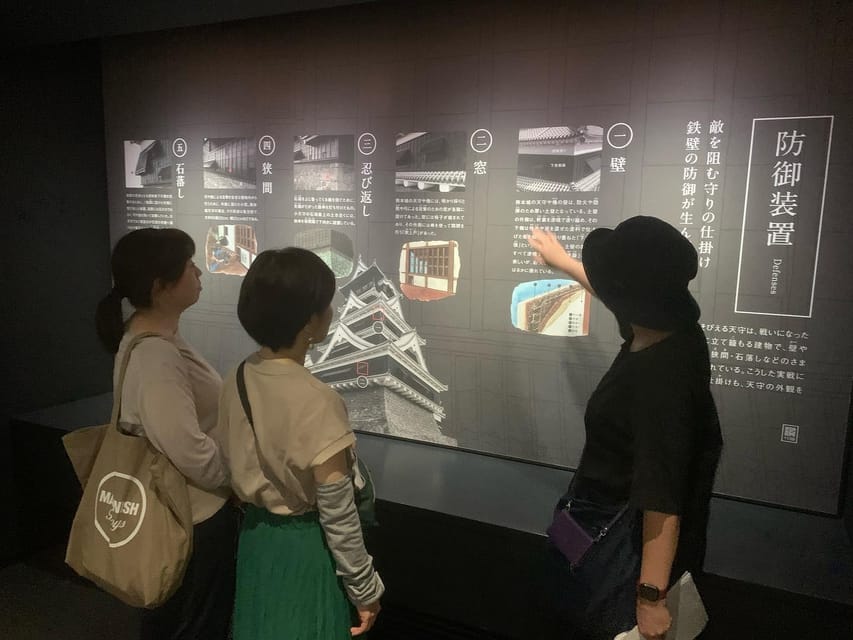
The observation floor is one of the tour’s clearest rewards. From above, you can appreciate the castle’s scale and see why its position mattered. The view also helps you understand the relationship between the fortress and Kumamoto around it.
The guide will point out attractive spots for photographs and help participants take pictures. That may sound like a small service, but it is useful on a private walking tour. You do not have to choose between appearing in the photo and leaving the camera with a stranger.
The best pictures will likely come from combining the castle’s strong lines with the wider view, rather than taking only close shots of the tower. Your guide can help you find the right angle and may explain which features deserve attention before you frame the picture.
Bring a phone or camera if you want photographs, but keep the walking pace in mind. This is a guided visit, not a dedicated photo session. The guide’s support is there to improve your memories of the place, not to turn the tour into a long series of posed stops.
More Japanese Castle Tours in Japan:
- Osaka Castle: Museum and Tower Entry Ticket
★ 4.5 · 2,380 reviews - Osaka Castle Walking Tour and Castle Tower Admission
★ 5.0 · 561 reviews - From Osaka: Himeji Castle, Arima Onsen & Mt. Rokko Day Tour
★ 4.6 · 339 reviews - 5-Hour Osaka Bike Tour to the Neighborhood of Osaka Castle
★ 5.0 · 319 reviews
What the 2016 Earthquake Adds to the Visit
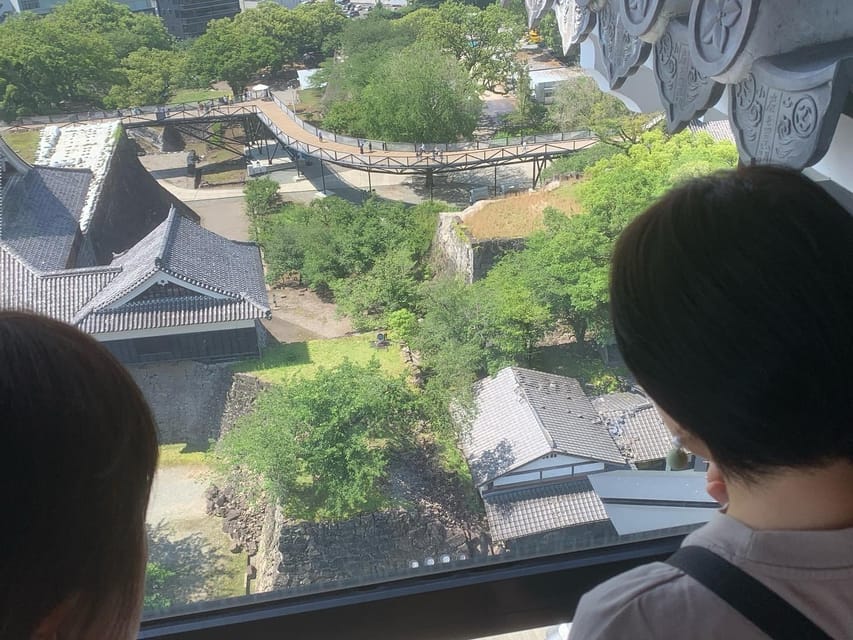
Kumamoto Castle’s earthquake damage is an important part of the experience. In 2016, a magnitude 7.3 earthquake struck the region. About 30 percent of the castle’s stone walls collapsed, and the rebuilding process is expected to last roughly 30 years.
That time scale can be hard to picture. It means the castle is not a finished artifact preserved behind glass. It is a place being repaired in stages, with the work itself forming part of its current story.
A portion of the tour proceeds supports restoration. At $105 per person, that contribution is worth considering when you compare the price with a basic admission ticket. You are paying for entry, a three-hour private guided walk, local interpretation, and a direct connection to the castle’s future.
The price will feel high if you only want to enter, take a few pictures, and leave. It makes more sense if you want the architecture explained, need English guidance, and value helping maintain a major cultural site. I would view it as a specialist walking tour rather than a cheap sightseeing add-on.
The Walking Conditions You Should Expect
Three hours is a fair amount of time on foot. Wear comfortable clothes and walking shoes, not dress shoes or footwear that rubs. The castle site includes outdoor areas, and sunny weather can make the walk feel harder than the timetable suggests.
Bring:
- Drinking water to help prevent dehydration and heatstroke
- A hat for sunny outdoor sections
- A towel for wiping sweat
- A bag for information materials
- Pens if you want to take notes
The tour does not include food or drinks, and there is no meal break listed. Food, drinks, and purchases at shops are also your responsibility. Plan accordingly, particularly in warm weather or if you are used to a slower sightseeing pace.
Bus fare and transportation to the meeting point are not included. You need to make your own way to Kumamoto City Hall. This is easy to factor in, but it is still worth checking your route before the start time.
Who Will Get the Most From This Tour
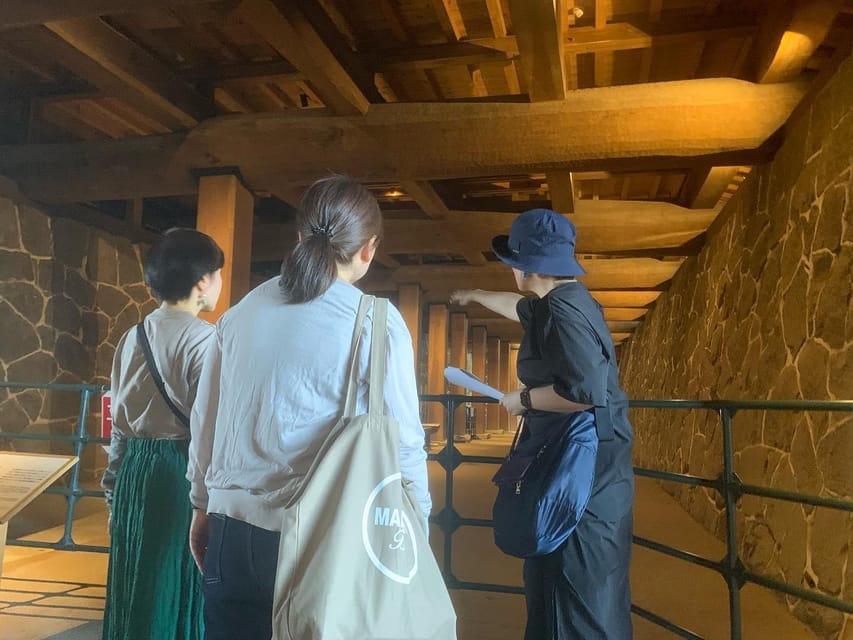
I would recommend this walk to anyone who wants more than a quick look at a famous Japanese castle. It suits first-time visitors to Kumamoto who want the basic story explained clearly, as well as people with a particular interest in samurai culture, architecture, and restoration.
It is also a good choice for couples, families, or small private groups that prefer to ask questions without worrying about strangers. The guide can focus on what interests you, and the photo assistance is handy for groups who want everyone included.
You may want to skip it if you dislike guided visits, already know Kumamoto Castle well, or have only a short window in the city. The three-hour duration is not easy to shorten unless the provider agrees to a change. You should also think twice if walking outdoors in warm weather is difficult for you.
Special requests, such as changing the start time or meeting point, may be possible. Contact the provider rather than assuming. Flexibility is offered when practical, but it is not guaranteed.
Booking Value, Timing, and Cancellation
The listed price is $105 per person. That includes the castle admission, entry to the Kumamoto Castle Museum Exciting Zone, and three hours with an English-speaking local guide. It does not include transport, food, drinks, gratuities, or shopping.
You can reserve now and pay later, which helps if your schedule is still shifting. Free cancellation is available up to 24 hours before the tour for a full refund. Those terms reduce the risk of booking ahead, though you should still check the exact start time and meeting details when selecting your date.
Because the tour is private, the value improves as your group size grows, assuming the per-person rate remains the same for each participant. For one person, the cost is harder to justify unless personal guidance is especially important to you. For a family or group with shared interests, the private format can make the price more reasonable.
Should You Book the Kumamoto Castle Guided Tour?
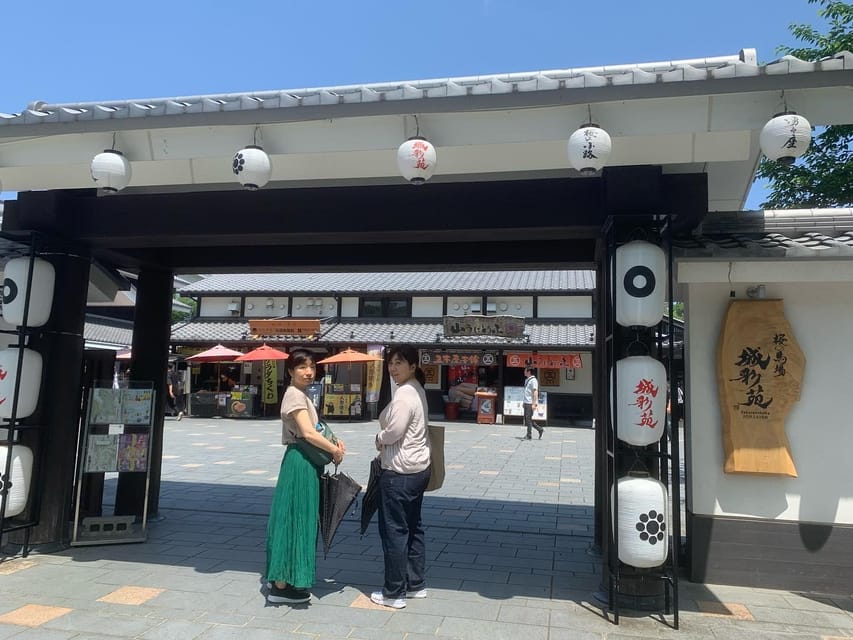
Book this tour if you want the castle explained rather than simply photographed. The strongest reasons are the local English guidance, the samurai-focused interpretation, the observation-floor views, and the chance to understand earthquake restoration in person.
Before booking, be comfortable with three hours of walking and a $105 price that does not cover transport or refreshments. Confirm the finishing point, since the information gives both Sakuranokoji Josaien and the original meeting point.
For me, the tour makes the most sense for a first visit to Kumamoto, especially if you want a friendly guide, useful photo help, and a stronger connection to the people and ideas behind the castle. It turns a grand building into a readable place, one wall, slope, and story at a time.
FAQ
How long is the Kumamoto Castle guided tour?
The tour lasts three hours. Starting times depend on availability.
Where does the tour begin?
It begins in front of Kumamoto City Hall, by the main entrance on the Kumamoto City Tram Street side. The guide will be waiting with the tour name.
Where does the tour finish?
Sakuranokoji Josaien is listed as the finish. The meeting information also says the activity ends back at the meeting point, so confirm the final location when booking.
Is the tour conducted in English?
Yes. The tour has a live English-speaking guide.
Is this a private tour?
Yes. It is offered for a private group.
Are Kumamoto Castle admission fees included?
Yes. The price includes admission to Kumamoto Castle and the Kumamoto Castle Museum Exciting Zone.
Are food, drinks, and transportation included?
No. Bus fare, transportation to the meeting point, food, drinks, gratuities, and purchases are not included.
What should I wear and bring?
Wear comfortable clothing and walking shoes. Bring drinking water, a hat, a towel, a bag for information materials, and writing utensils if you want to take notes.
Newly walked in Japan
- Tokyo: Edo Castle and Imperial Palace Guided Walking Tour★ 5.0 · 6 reviews
- (Ticket Included) Explore Osaka Castle & Museum of History★ 4.8 · 21 reviews
- Peace Memorial Park, Hiroshima Castle, & Garden Private Tour★ 4.8 · 7 reviews
- Osaka: Osaka Castle – Tsuruhashi – Tennoji (Spanish Guide)★ 4.7 · 10 reviews
- Osaka/kyoto: Himeji Castle, Kobe. Luxury Day Trip with Guide★ 5.0 · 2 reviews
- Osaka: Osaka Castle 3 hours Historical Walking Tour★ 4.6 · 14 reviews
- Osaka: Early Morning Osaka Castle Guided Tour, Avoid Crowds★ 4.9 · 12 reviews
- Osaka: Explore Every Bit of Osaka Castle in 3 Hours★ 5.0 · 5 reviews
Japanese Castle Tours, compared.
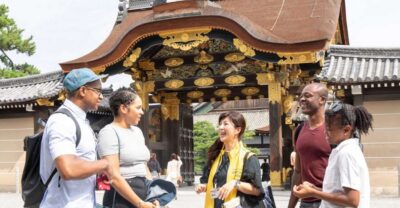
Nijo-jo Castle and Ninomaru Palace Guided Tour
Read our review →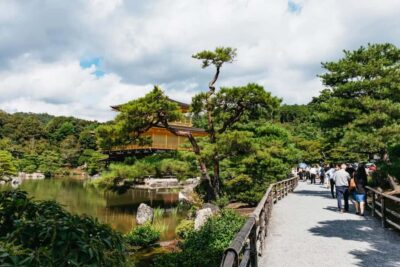
Nijo Castle, Kiyomizu & Fushimi Inari Guided Tour
Read our review →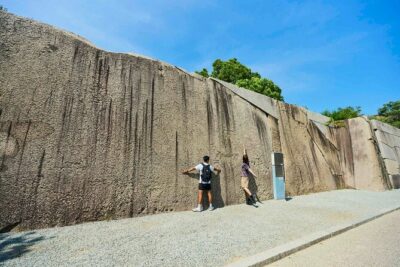
Osaka Castle Walking Tour and Castle Tower Admission
Read our review →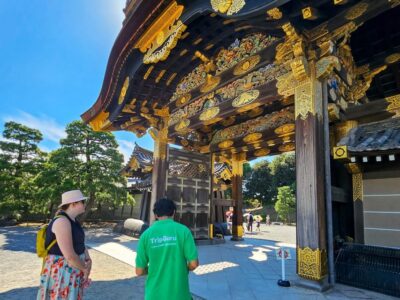
Imperial Palace & Nijo Castle Guided Walking Tour
Read our review →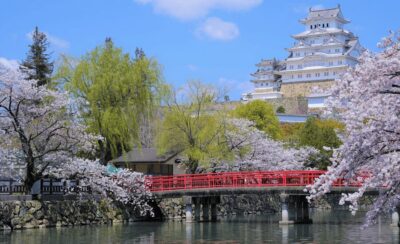
Himeji Castle, Arima Onsen & Mt. Rokko Day Tour
Read our review →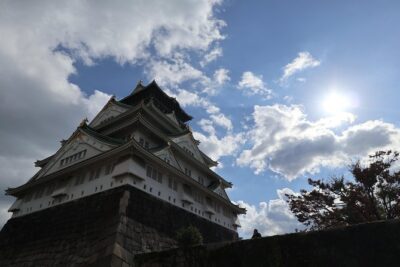
5-Hour Osaka Bike Tour to the Neighborhood of Osaka Castle
Read our review →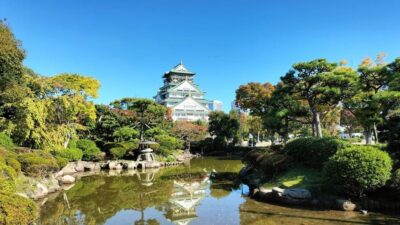
Browse the lists this tour appears in