
Review · JAPAN
Odawara: Guided Ninja & Samurai Tour of Odawara Castle
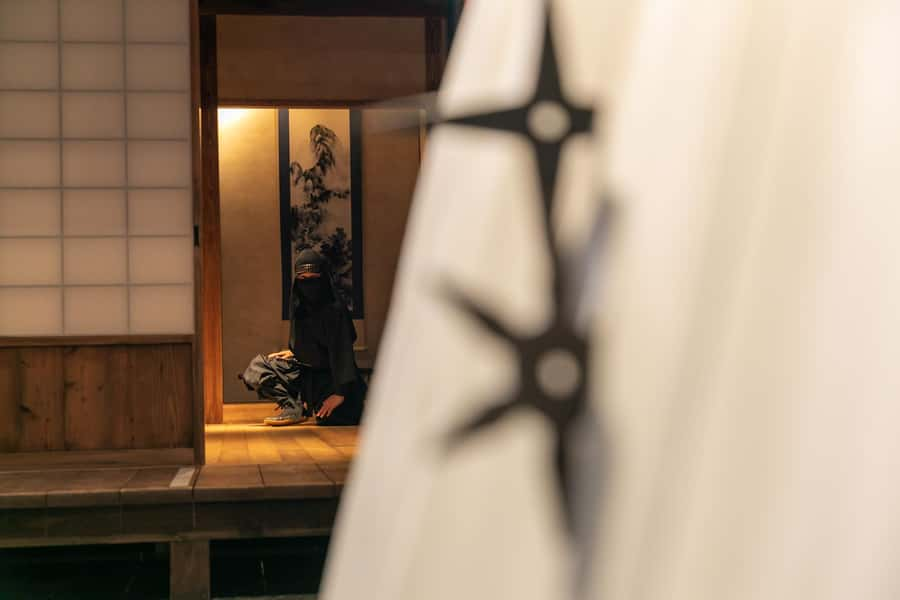
Odawara’s best surprise is not the castle view. It is the chance to step inside the Ninja Museum after regular hours, put on ninja clothing, and practice shuriken, blow darts, sword movements, and hand gestures with an expert. Before that, you get a clear introduction to samurai life, the Hojo clan, and the castle grounds.
I like the mix of serious history and hands-on fun, especially the authentic armor and weapons in the Samurai Museum. I also like the guides’ friendly approach. Jeff and Naoya have helped make the history easy to follow, while instructor Shidou has a patient, energetic way with both adults and children.
The main point to consider is the price: $116 per person is a fair deal only if you want the full guided experience and ninja class. If you simply want to stroll around Odawara Castle, you can see the area for much less on your own.
Key points at a glance
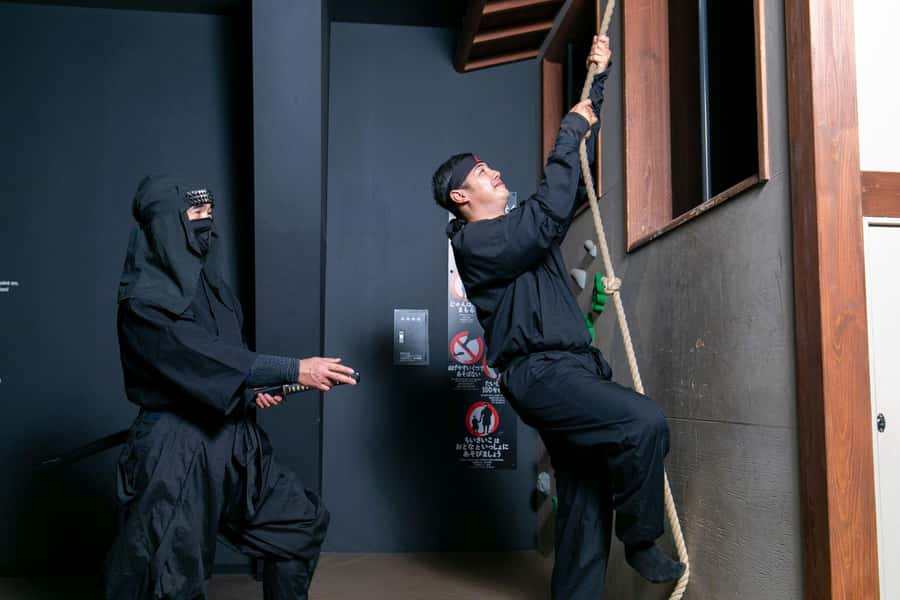
- Practice real ninja skills: Try shuriken, blow darts, sword movements, breathing, meditation, and traditional hand gestures.
- See authentic samurai equipment: The Samurai Museum displays armor, helmets, swords, and other artifacts.
- Learn the Hojo story: Hear how the clan ruled the Odawara area for five generations during the Sengoku period.
- Get more than a castle visit: The 150-minute program joins a walking tour, museum visits, and a private-style workshop.
- Good for families: The training includes activities that can suit younger children, and the instructors are patient with beginners.
- A practical Tokyo side trip: Odawara sits south of Tokyo between the Pacific coast and the mountains of Hakone.
Why the ninja workshop is the real draw
Many castle tours end with a view and a few photographs. This one saves its most memorable part for last. After walking through the park and learning about samurai culture, you enter the Odawara Castle Ninja Centre for a hands-on class.
You put on ninja attire and learn the basics of controlled movement. The class covers breathing, meditation, focus, and body position before moving on to tools and weapons. You can practice throwing shuriken, using blow darts, and handling a sword in a guided setting. The program finishes with the familiar ninja hand gestures.
That order matters. The class is more fun because you first understand the world these skills came from. You are not simply throwing stars at targets with no context. You have already heard about feudal Japan, castle defense, the Hojo clan, and the difference between the public image of a ninja and the practical demands of a shinobi.
The class is designed for beginners. You do not need martial arts experience, and the instructors are used to people fumbling their first attempts. Shidou has been praised for being encouraging and patient, which matters when your shuriken lands nowhere near the target or your blow dart veers off course.
For children, the workshop can feel magical. A six-year-old can take part in age-appropriate activities, while adults get enough instruction and historical detail to keep the session from feeling like a simple costume photo opportunity. Families also have a natural way to enjoy the activity together instead of splitting up for separate adult and child programs.
More Castle Tours in Japan:
- Osaka Castle: Museum and Tower Entry Ticket
★ 4.5 · 2,380 reviews - Tokyo Castle & Imperial PalaceーShogun Walking Tour
★ 4.7 · 1,068 reviews - Kyoto: Nijo-jo Castle and Ninomaru Palace Guided Tour
★ 4.7 · 1,020 reviews
Starting at the Ninja Centre
The meeting point is the entrance of the Odawara Castle Ninja Centre, also called the Ninja Museum. That is also where the tour finishes, so you do not need to find your way to a different part of town at the end.
Your guide takes you first through Odawara Castle Park. The route is on foot and combines outdoor walking with museum visits. Allow yourself enough time to reach the Ninja Centre before the stated start time, since the tour moves through several parts of the castle grounds.
English is the tour language. Guides such as Jeff have a casual, welcoming style and can explain the setting without turning every stop into a lecture. Naoya has also guided the experience and helped with photographs and questions. The tone is social and relaxed, which suits a program that shifts from museum displays to active practice.
The walking portion lasts about 40 minutes in the park. That is enough time to get a feel for the grounds and hear the main stories without spending the whole afternoon on historical dates. You should wear comfortable shoes and be ready to walk outdoors before the indoor class begins.
Samurai armor at the Tokiwa Kimon Samurai Center

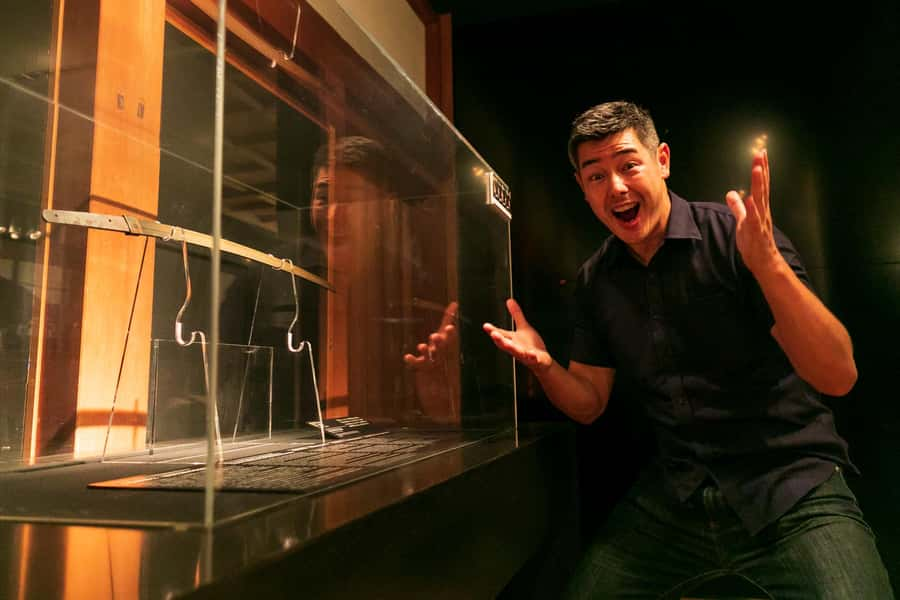
The first main stop is the Tokiwa Kimon Samurai Center, where you see authentic samurai artifacts. Armor, helmets, and swords help turn abstract talk about warriors into something you can study at close range.
I find this stop useful because it gives the tour a solid historical base. Samurai culture is often reduced to swords and dramatic battles, but the objects show the importance of status, protection, design, and ritual. Your guide explains the role of these items and places them within the wider culture of feudal Japan.
The museum visit takes about 20 minutes. That is not a long time, so expect a focused introduction rather than an exhaustive museum tour. If you have a strong interest in armor or Japanese military history, you may want extra time at another point in your trip for a larger museum visit. Here, the value comes from having a guide explain what you are seeing and connect it to the castle and ninja lesson.
The indoor museum stop also gives you a useful break if the weather is poor. One group was accommodated on a rainy day, but the tour still includes outdoor walking, so plan for weather rather than assuming the whole activity is indoors.
Odawara Castle and the Hojo clan
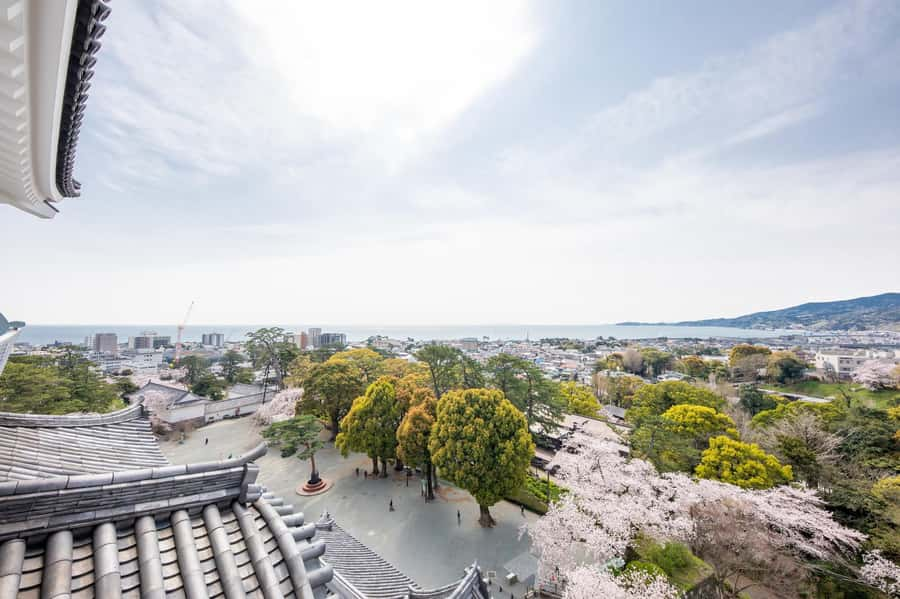
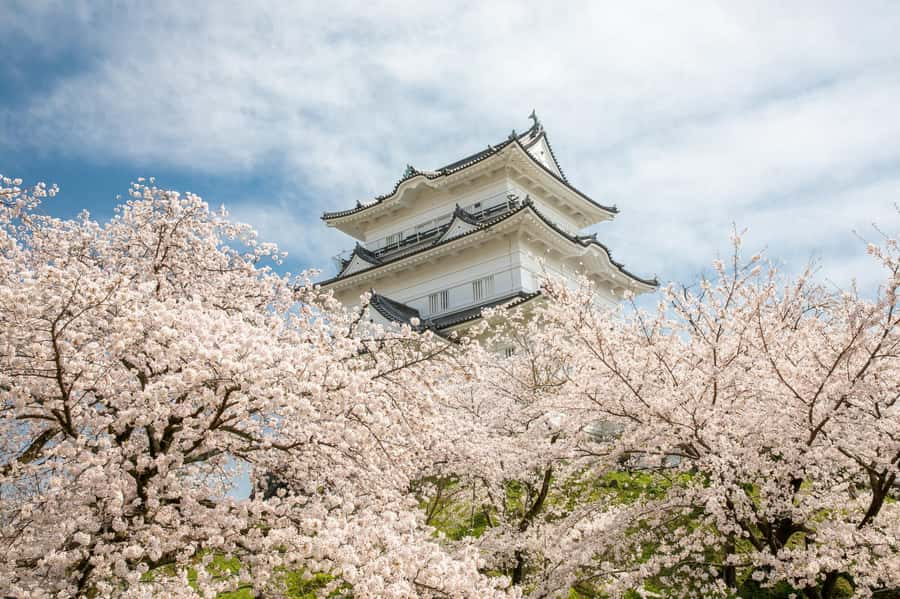
From the Samurai Center, you continue through the castle grounds and around the Main Keep. Odawara Castle was the home of the Hojo clan, which ruled the region for five generations during the Sengoku period.
This is where a guide adds real value. Without context, you might admire the white castle walls, take in the view, and move on. With an explanation of the Hojo family and the castle’s role in regional power struggles, the buildings and grounds carry more meaning.
You hear stories about ninjas and samurai in feudal Japan, including the castle’s defenses and the Hojo era. One part of the castle story is especially striking: the castle held out for three months before surrendering. That detail gives you a better sense of Odawara’s strength and importance.
The tour may include the castle tower and its views, as it did for one couple with guide Naoya. The provided schedule describes a guided walk around the Main Keep rather than promising every interior room, so the exact balance of exterior and interior time can depend on the day’s operation and timing.
The castle grounds are also attractive during seasonal blossom. If you visit when flowers are in season, the park adds a gentle scenic side to what could otherwise be a strictly military history stop. The grounds are worth noticing even when the trees are not in bloom, but blossom season can make the walk especially pleasant.
Same walls, a different way in:
- Ultimate Osaka Walking Tour: Castle, Dotonbori & Hidden Gems
★ 5.0 · 862 reviews - Tokyo Castle & Imperial PalaceーShogun Walking Tour
★ 5.0 · 724 reviews - Kyoto: Nijo Castle, Kiyomizu & Fushimi Inari Guided Tour
★ 4.7 · 700 reviews - Osaka Castle Walking Tour and Castle Tower Admission
★ 5.0 · 561 reviews
The private-feeling Ninja Museum class
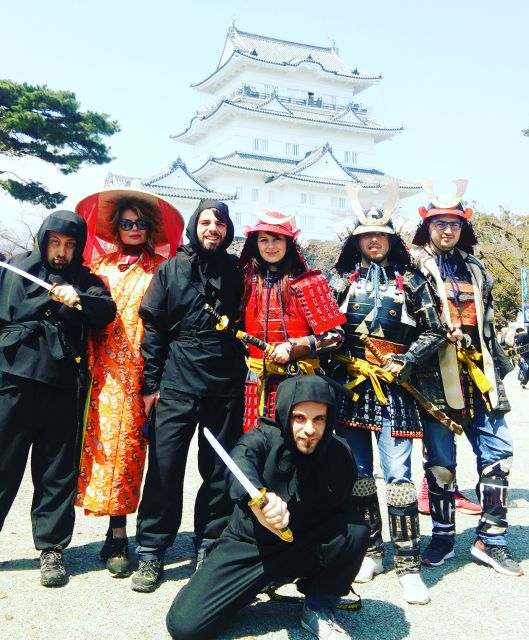
The final 90 minutes take place at the Odawara Castle Ninja Centre. The workshop is described as an exclusive session after regular hours, giving the final part of the tour a more special feel than a standard museum visit.
You begin with fundamentals. Breathing, meditation, and movement show that ninja training was not only about weapons. Focus and quiet control come first. That opening also helps you settle into the activity before trying the more theatrical skills.
Then you work with ninja tools and weapons. Shuriken throwing is one of the clear highlights, and blow darts are another unusual activity that many visitors will not get to try elsewhere. Sword practice is included as well, under the instructor’s direction.
The point is not to become a trained martial artist in 90 minutes. The class offers a safe, guided taste of the skills and rituals linked with ninja traditions. You get enough instruction to understand the basic movements, while the instructor keeps the mood light when your technique is less than perfect.
The closing hand gestures provide a memorable final touch. They are instantly recognizable, but learning them after the breathing and movement exercises makes them feel like part of a sequence rather than a random pose for a photograph.
The ninja attire is included in the price. That is useful for families and anyone who wants the full visual experience without packing or renting costumes separately. The clothing also helps children take the role seriously, at least until someone misses the target with a shuriken.
The guides make the history easier to enjoy
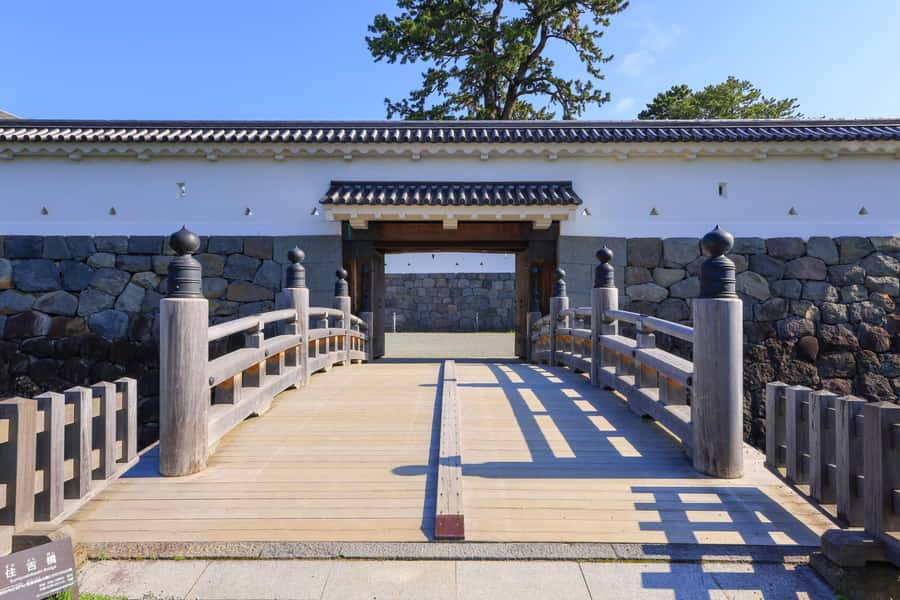
The guide is not just there to lead you from one building to the next. The strongest part of the walking tour is the connection between the places you see and the people who lived and fought there.
Jeff has been described as casual and clear, with a good grasp of Odawara’s castle, samurai culture, and ninja stories. He also takes questions and can adjust the discussion to what interests you. That flexibility is valuable because some people want more castle history, while others are eager to get to the workshop.
Naoya has also guided the tour and helped take photographs. That small detail can matter when you are wearing ninja clothing and using both hands for the training exercises. You should still ask before assuming photographs will be taken throughout, but the guide team has shown a willingness to help capture the experience.
Shidou, the ninja instructor, brings martial arts experience and a lively teaching style. The class works best when the instructor can correct beginners without making them feel self-conscious. His patience is especially useful for children, who may need several attempts before they can throw or aim properly.
The tour’s English delivery makes the stories accessible, but the exact depth will depend on your questions and the guide leading that day. If you want a very academic study of shinobi history, this is not that. It is a friendly introduction with enough substance to make the entertainment meaningful.
Is $116 a good value?
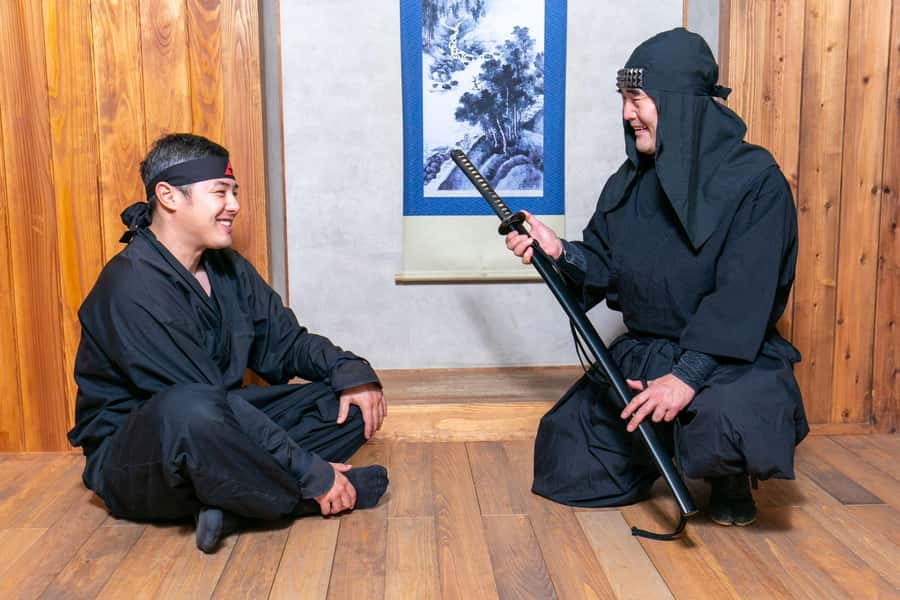
At $116 per person, this is not a cheap castle walk. The price includes the guide, entry to the Samurai Museum, entry to the Ninja Museum, and ninja attire for training. Food and drinks are not included.
I think the value is strongest for people who would otherwise pay separately for several activities. You get a guided castle park visit, a samurai museum stop, a ninja museum session, and a 90-minute practical class in a single 150-minute program. The personal instruction is the main reason to choose this over a basic admission ticket.
The price is harder to justify if you only want photographs of the castle or already plan to visit the museums independently. In that case, you are paying for the guide’s interpretation and the private-style training, not merely entry.
For a family, the calculation can work well because adults and children can share the same activity. The class has different activities for younger children, and the instructors are accustomed to helping beginners. For a couple or solo visitor, the value depends on how much you enjoy participatory activities. If you want to throw shuriken and practice blow darts, the price buys a memorable afternoon. If you prefer quiet museums, it may feel high.
Who should book this experience?
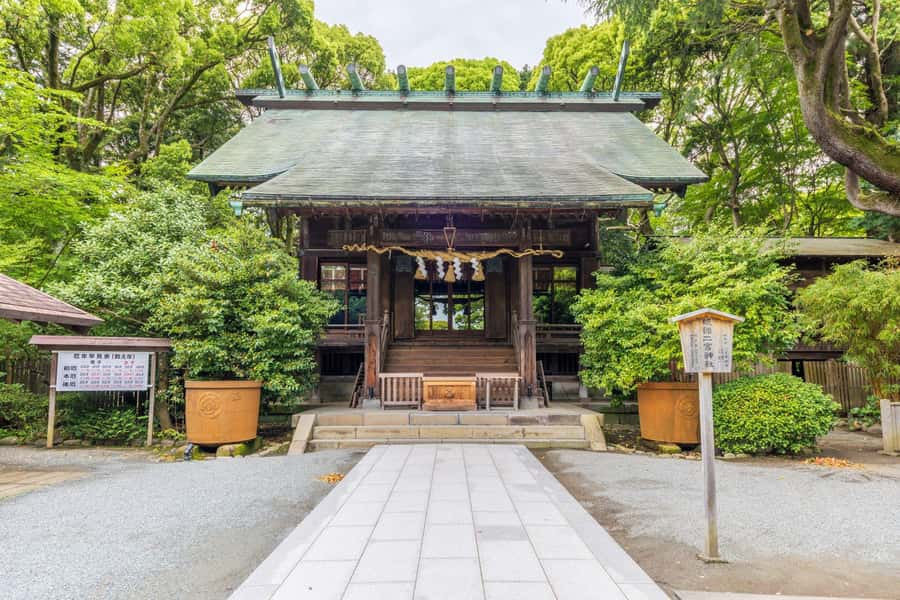
I would choose this tour if you want history with a physical activity attached. It suits families, first-time visitors to Japan, castle fans, and anyone who has always wondered what ninja training actually involves.
It is also a good choice for visitors based in Tokyo who want a change from the capital. Odawara is south of Tokyo, close to the Pacific Ocean and the mountains of Hakone, so the town can fit into a wider day of sightseeing. The tour itself lasts 150 minutes, leaving room to spend more time in Odawara if you plan ahead.
You should also consider it if you are visiting during blossom season. The castle park can be particularly attractive then, and the outdoor walk gives you more than an indoor lesson.
This may not suit you if you dislike dressing up, handling practice weapons, or taking part in group instruction. The workshop is the heart of the activity, not a minor extra. You should also remember that the castle portion includes walking outdoors, and food and drinks are not part of the program.
Cancellation is flexible: you can cancel up to 24 hours in advance for a full refund. You can also reserve now and pay later, which helps if your Japan schedule is still changing. Starting times vary, so check availability for your date.
Should you book it?
Book this tour if you want Odawara Castle to become more than a quick photo stop. The combination of Hojo history, real samurai artifacts, castle views, and hands-on ninja practice gives you a fuller sense of the place.
I especially recommend it for families and for adults who enjoy playful activities but still want a proper historical explanation. The guides add warmth, and the ninja class is the part most likely to stay with you after the castle walls and museum displays begin to blur together.
Skip it if your main goal is a low-cost independent visit or a long, detailed museum study. At $116, the tour earns its price through the guide and the extended workshop. If that sounds like your kind of afternoon, it is a strong reason to make Odawara part of your Japan plans.
FAQ
How long does the Odawara ninja and samurai tour last?
The experience lasts 150 minutes, or two and a half hours.
Where do I meet the guide?
Meet at the entrance of the Odawara Castle Ninja Centre, also known as the Ninja Museum.
What language is the tour conducted in?
The tour is conducted in English with a live English-speaking guide.
What museums are included?
Entry to the Samurai Museum and the Ninja Museum is included.
Is ninja clothing provided?
Yes. Ninja attire for the training workshop is included.
What activities are part of the ninja class?
The class covers breathing, meditation, movement, shuriken, sword practice, blow darts, ninja tools, and traditional ninja hand gestures.
Is the tour suitable for children?
Yes. The ninja workshop includes activities for younger children, and the instructors are described as patient with beginners of different ages.
Are food and drinks included?
No. Food and drinks are not included in the tour price.
Can I cancel the booking?
Yes. You can cancel up to 24 hours in advance for a full refund.
Newly walked in Japan
- Tokyo: Edo Castle and Imperial Palace Guided Walking Tour★ 5.0 · 6 reviews
- (Ticket Included) Explore Osaka Castle & Museum of History★ 4.8 · 21 reviews
- Peace Memorial Park, Hiroshima Castle, & Garden Private Tour★ 4.8 · 7 reviews
- Osaka/kyoto: Himeji Castle, Kobe. Luxury Day Trip with Guide★ 5.0 · 2 reviews
- Osaka: Osaka Castle – Tsuruhashi – Tennoji (Spanish Guide)★ 4.7 · 10 reviews
- Osaka: Osaka Castle 3 hours Historical Walking Tour★ 4.6 · 14 reviews
- Osaka: Early Morning Osaka Castle Guided Tour, Avoid Crowds★ 4.9 · 12 reviews
- Osaka: Explore Every Bit of Osaka Castle in 3 Hours★ 5.0 · 5 reviews
Japan Castle Tours, compared.
Tokyo Castle & Imperial PalaceーShogun Walking Tour
Read our review →
Nijo-jo Castle and Ninomaru Palace Guided Tour
Read our review →
Ultimate Osaka Walking Tour: Castle, Dotonbori & Hidden Gems
Read our review →Tokyo Castle & Imperial PalaceーShogun Walking Tour
Read our review →
Nijo Castle, Kiyomizu & Fushimi Inari Guided Tour
Read our review →
Osaka Castle Walking Tour and Castle Tower Admission
Read our review →
Imperial Palace East Garden and Edo Castle Walking Tour in Tokyo
Read our review →Browse the lists this tour appears in