
Review · KYOTO
Kyoto: Nijo Castle and Kyoto Imperial Palace Guided Tour
Nijo Castle gives you a sharp look at how power worked in old Japan. Built by Tokugawa Ieyasu, it was designed to impress, protect, and remind everyone who was in charge. At Kyoto Imperial Palace, the mood changes: elegant gardens and restrained buildings reflect the long ceremonial role of the emperor.
I like the small groups of no more than nine, which make it easier to ask questions, and I like the contrast between military authority and imperial tradition. Guides such as Goku, Kayo, Nene, and Taku are praised for explaining history clearly and adapting to different interests. One point to keep in mind is that parts of the Imperial Palace are viewed from outside, so anyone expecting access to every interior may find that portion limited.
Key points at a glance
- Two very different centers of power: Compare the shogun’s grand castle with the emperor’s refined palace grounds.
- A guide-led history lesson: Learn how politics, architecture, ceremony, and Japanese culture connect at both sites.
- A compact small-group format: With up to nine participants, you have a better chance to ask questions or request help with photos.
- A walk through central Kyoto: The route includes traditional townhouses, local streets, and a place known for cherry blossoms.
- Good seasonal appeal: The Imperial Palace gardens are especially attractive in spring and during other changes of season.
- Useful guide flexibility: Goku has adjusted visits for history-focused groups, families with teenagers, solo visitors, and people more interested in photos.
Why these two places work well together
Kyoto can sometimes feel like a collection of beautiful sites without an obvious storyline. This tour gives you one. Nijo Castle represents the authority of the Tokugawa shogunate, while Kyoto Imperial Palace represents the emperor and the older court tradition.
That contrast matters. If you visit the two places separately, you may admire the buildings without fully understanding why they look and feel so different. Here, your guide can explain the political climate behind the design choices, the difference between military and courtly power, and the way architecture sent a message.
The three-hour length is also sensible. You get enough time for context and conversation without committing an entire day to two sites in central Kyoto. You should still expect a substantial amount of walking, mostly outdoors, so comfortable shoes and weather protection are sensible choices.
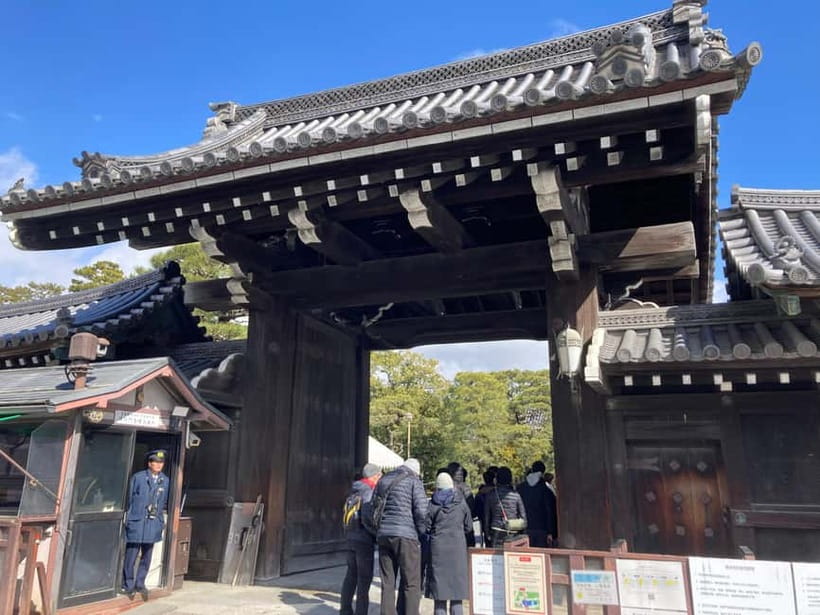
The tour begins at the Nakadachiuri Gate of the Kyoto Imperial Palace, not at Nijo Castle. Pay close attention to the meeting instructions, since the palace grounds are broad and a large complex can make a vague meeting point frustrating. You are contacted in advance with a description of the guide’s clothing and appearance, which helps at a busy starting area.
More Guided Castle Tours in Japan
- Kyoto: Nijo-jo Castle and Ninomaru Palace Guided Tour
★ 4.7 · 1,020 reviews - Kyoto: Nijo Castle, Kiyomizu & Fushimi Inari Guided Tour
★ 4.7 · 700 reviews - Kyoto: Imperial Palace & Nijo Castle Guided Walking Tour
★ 4.7 · 453 reviews
Kyoto Imperial Palace: ceremony, gardens, and open-air views
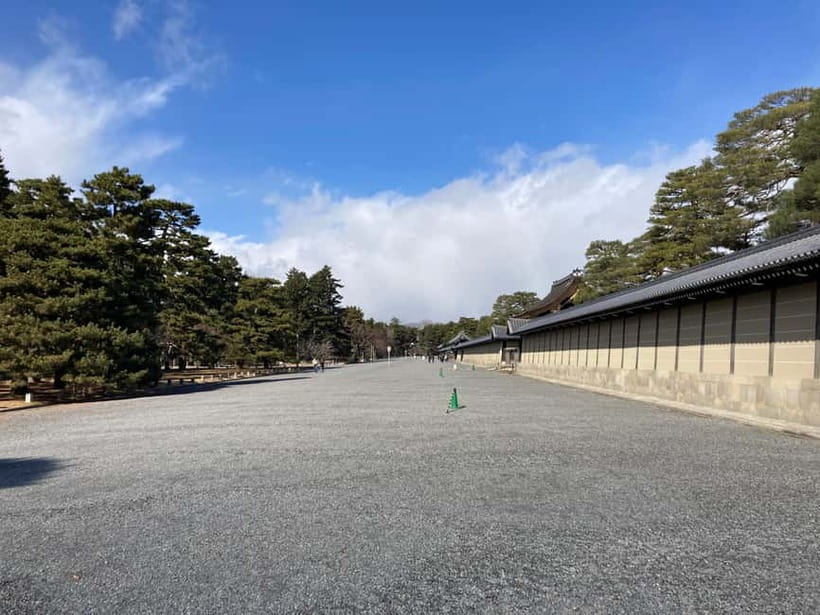
Starting at the Imperial Palace gives the tour a calm opening. The grounds are spacious, formal, and carefully arranged, with gardens that show off seasonal changes rather than relying on bright decoration all year.
Your guide can help you notice details that are easy to miss on a casual stroll. The palace reflects the refined taste of the imperial court, with architecture and gardens built around proportion, restraint, and changing views. In spring, the gardens can be particularly attractive, with cherry blossoms adding color to an otherwise controlled setting.
You should set your expectations correctly. The experience may focus mainly on exterior views of the palace buildings. One participant specifically found this part less satisfying because the interiors were not available to see. If stepping inside historic rooms is your top priority, Nijo Castle provides the stronger interior experience.
That does not make the Imperial Palace a throwaway stop. The value is in seeing the setting where Japan’s emperors lived and understanding its ceremonial role. The open spaces also provide a useful contrast with Nijo Castle’s enclosed rooms and more forceful design.
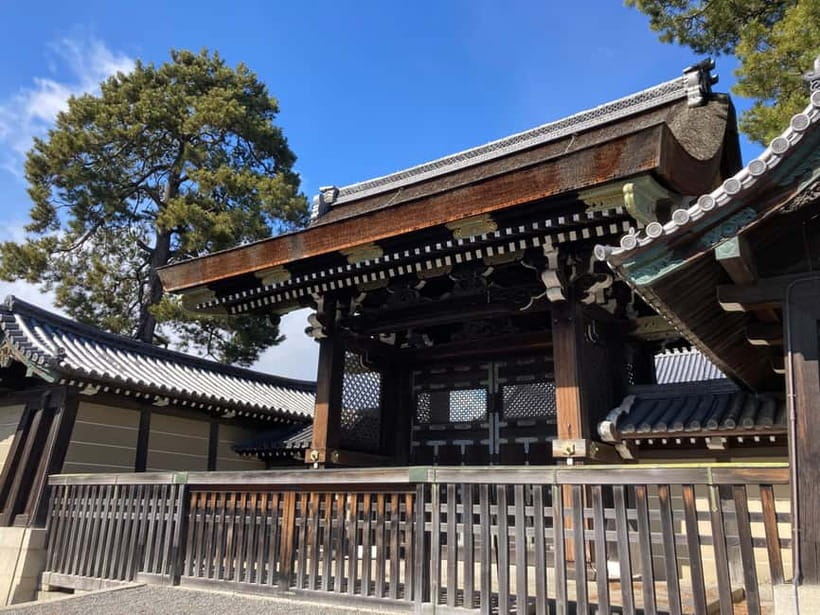
The palace grounds are one of the better parts of the tour for anyone who enjoys photography. Gardens, gates, rooflines, stone paths, and seasonal plants give you plenty to frame. Bring a camera, and allow yourself a moment to look beyond the main buildings.
The walk between the sites adds useful context
The route includes a walk through Kyoto from the Imperial Palace toward Nijo Castle. A review of the timing describes this as about 20 minutes, though the exact pace can vary with the group and stops.
This walk is not just dead time between paid attractions. Your guide may point out traditional Kyoto townhouses, explain local customs, or connect Japanese and Western culture as you move through ordinary city streets. That shift from formal palace grounds to working neighborhoods helps you see Kyoto as a living city rather than an outdoor museum.
You also pass a place known for cherry blossoms. The appeal will depend on the season, but it gives the route a local, everyday quality that a bus ride would miss. If you enjoy seeing how major landmarks fit into a city’s street pattern, this part adds real value.
The walking section can also be where the guide’s personality matters most. Goku has been praised for answering questions ranging from Japanese political history to more difficult subjects such as Japan’s relationship with the United States after World War II. Kayo has been praised for mixing history with humor and broader explanations about Japan.
Keep in mind that the walking route means weather matters. In warm weather, you may want water and sun protection. In cooler or rainy conditions, dress for several hours outside. Shorts are not allowed, so choose long trousers or another permitted option.
Nijo Castle shows power through design
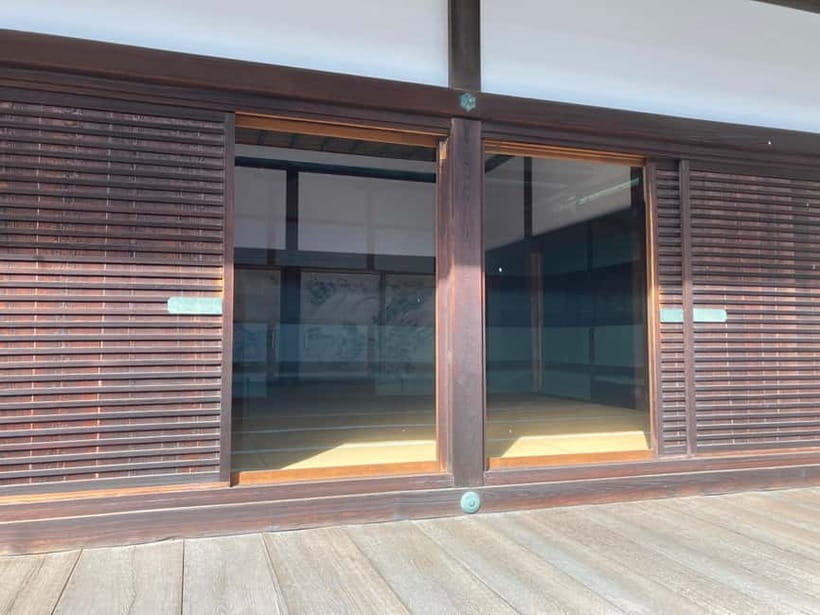
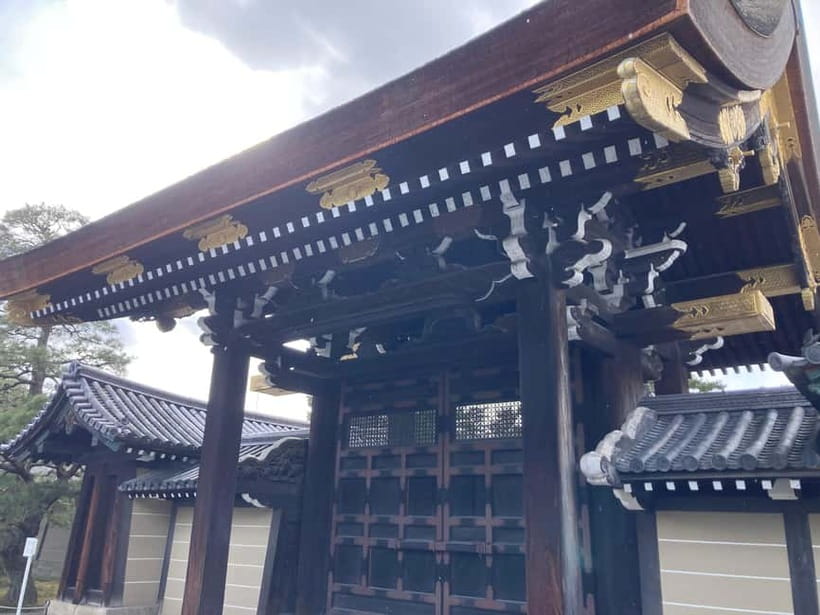
Nijo Castle is the tour’s strongest stop for understanding the shogunate. Tokugawa Ieyasu built it as a display of authority, and its scale, decoration, and layout all support that purpose.
Inside Ninomaru Palace, you can see how lavish interiors helped communicate rank. Painted panels, intricate details, and carefully planned rooms were not random decoration. They reinforced the status of the people who occupied each space and the political order of the time.
A guide makes a major difference here. Without context, you may notice beautiful rooms but miss the connection between architecture and control. Your guide can explain how a castle used art, room arrangement, and movement through the building to make power visible.
The castle also has an art gallery included in the admission. That gives the visit another layer, particularly if you want to spend more time with decorative details rather than simply walking through the main rooms. The included admission covers Nijo Castle, Ninomaru Palace, and the art gallery, which helps justify the tour price.
The atmosphere is not only stern. One description of the castle calls it powerful and serene at the same time, and that is a useful way to think about the site. The grounds can feel peaceful, while the buildings remind you that this was a place built around authority and political calculation.
Nijo Castle is also the part of the tour most likely to satisfy you if interiors matter. Compared with the Imperial Palace, it offers more to see inside. Still, the tour is not a private after-hours visit, so expect a structured public-site experience rather than complete solitude.
More Palace Tours in Japan
- Imperial Palace East Garden and Edo Castle Walking Tour in Tokyo
★ 5.0 · 510 reviews - Tokyo: Edo Castle Ruins & Imperial Palace East Garden Tour
★ 4.4 · 13 reviews - Tokyo: Edo Castle and Imperial Palace Guided Walking Tour
★ 5.0 · 6 reviews
The guides are the main reason to book
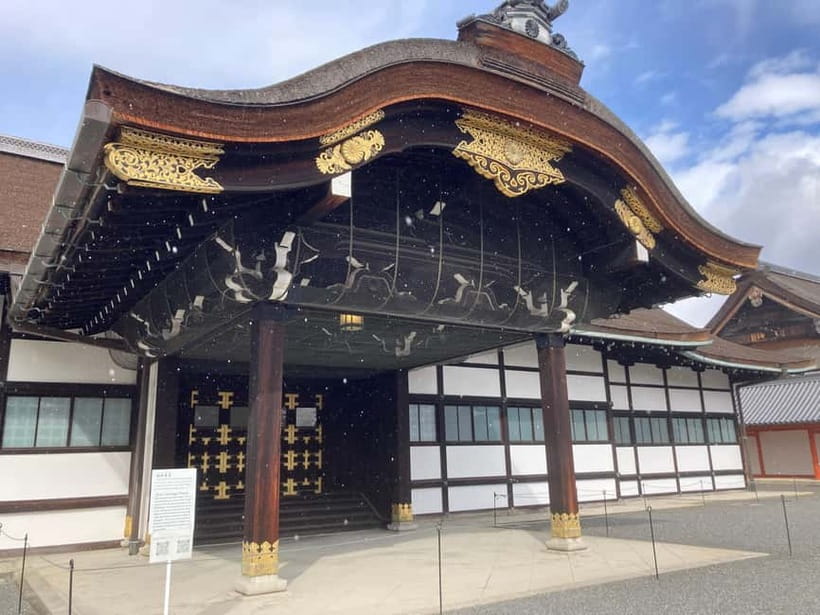
The landmarks are important, but the guide is the variable that shapes the day. The strongest guide feedback centers on clear explanations, warmth, flexibility, and the ability to answer questions without turning the tour into a lecture.
Goku receives especially strong praise for his command of Japanese history and his energy. He has adjusted the emphasis for groups that wanted detailed explanations of shoguns and emperors, while also keeping teenagers interested. He has helped solo visitors with photos and offered restaurant suggestions after the tour.
Kayo is described as engaging, humorous, and able to cover history, culture, and the two sites without making the three hours drag. Taku is praised for detailed explanations of history, architecture, art, and politics, as well as for answering questions patiently. Nene is described as kind, clear, and accommodating, including when she took over at short notice.
You cannot choose a particular guide with certainty from the information provided, but the range of praised guides is encouraging. The tour offers English, French, Spanish, Japanese, Portuguese, and Russian. Make sure the language you need is available for your selected departure.
A small group gives you a better chance to speak up. You can ask about an architectural detail, request a photo, or tell the guide that you want more political history and less time on general sightseeing. The guide may not tailor every minute, but the format is more personal than a large coach tour.
Is $63 a fair price?
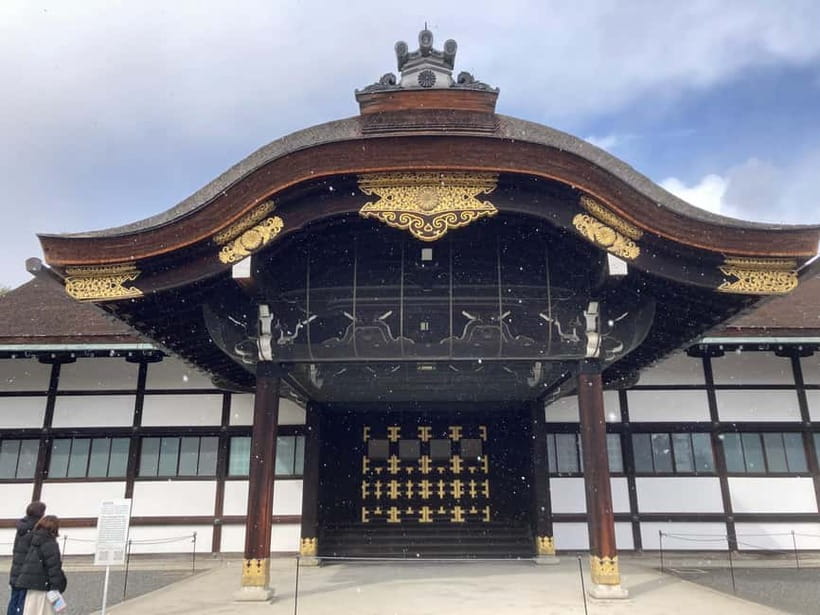
At $63 per person, this is not the cheapest way to see Kyoto’s historic center. You can visit many Japanese sites independently, and an independent visitor may prefer moving at a slower pace or spending more time in one garden.
The price becomes easier to defend if you want interpretation. Admission to Nijo Castle, Ninomaru Palace, and the art gallery is included, along with a three-hour walking tour and a professional guide. You are paying for the connection between the sites, not just entry tickets.
I would especially consider it good value if you are visiting Kyoto for the first time, have limited time, or find Japanese political history hard to organize on your own. The shogun and emperor story can become confusing quickly, and a strong guide gives you a clear framework.
Independent visitors who already know the subject may prefer to save the money. You might also want another arrangement if your priority is a long, quiet photography session, since the group keeps moving and the schedule covers two major places.
The ability to reserve now and pay later adds some planning flexibility. Cancellation is free up to 24 hours before the tour for a full refund, which is useful when your Kyoto plans are still shifting.
Who will enjoy this Kyoto tour most?
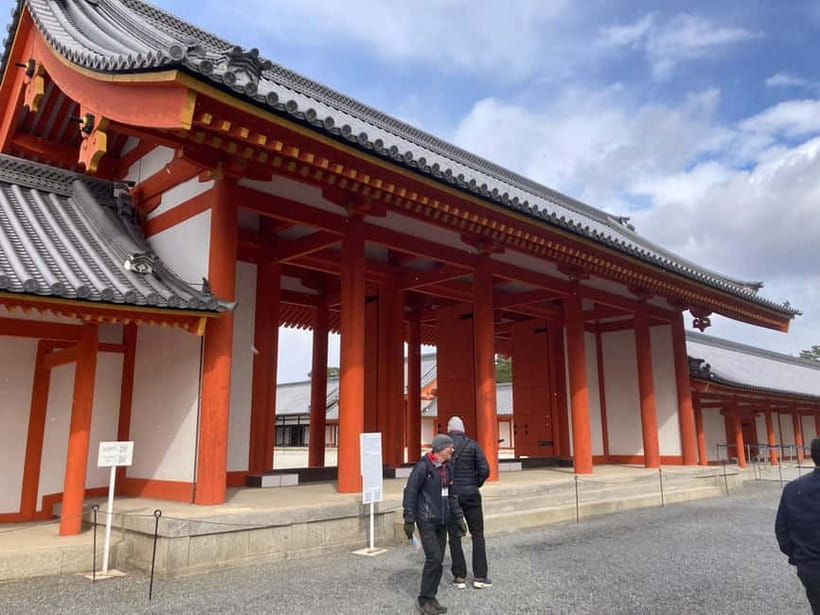
This experience suits you if you like history but want it explained in plain language. It is also a good match if you want to understand how architecture reflects politics rather than simply collect photographs of famous buildings.
Families with older children and teenagers can do well here, particularly with a guide such as Goku who can adjust the level of detail. Solo visitors may also appreciate the small group and the chance to have someone take photos.
You should book with realistic expectations if you are especially interested in palace interiors. The Imperial Palace portion may be mainly exterior, and the gardens are a major part of its appeal. Nijo Castle offers the more rewarding interior visit.
This may be less suitable if you are pregnant, since the experience involves walking through large grounds and between sites. You also need to follow the clothing rule banning shorts.
Practical tips for a smoother visit
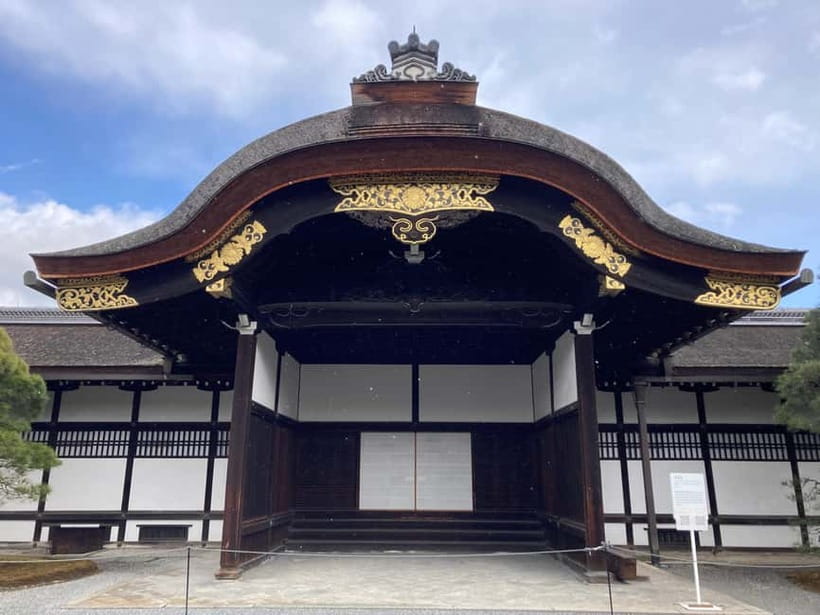
Arrive at the Nakadachiuri Gate with enough time to find the meeting point. The guide’s advance description of clothing and appearance should help, but you still need to identify the correct gate before the start.
Wear comfortable shoes and clothing suitable for outdoor walking. Bring cash and a camera, both specifically recommended for the activity. Since much of the experience takes place outside, check the weather before leaving your hotel.
Try to decide what you want from the tour before you arrive. If you care most about political history, say so early. If you prefer architecture, gardens, or photography, mention that too. The strongest guide experiences described here came from people who asked questions and let the guide adjust the conversation.
Allow for the fact that the meeting point and the final site are different. The tour begins at the Imperial Palace and continues to Nijo Castle, so plan your next activity from the end of the route rather than assuming you will finish where you started.
The overall rating is 4.6 from 98 ratings, with repeated praise for the guides’ friendliness, historical explanations, patience, and ability to make three hours pass quickly. One lower rating focused on the limited palace interiors, which is the main concern you should weigh before booking.
Should you book this tour?
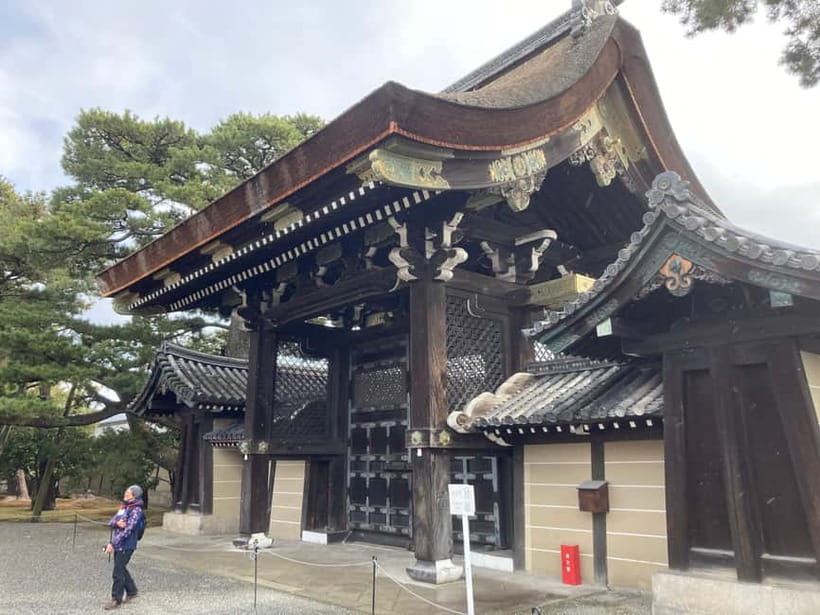
Book it if you want a clear story about Kyoto’s political past, a small group, and a guide who can connect gardens, buildings, art, and power. The contrast between Nijo Castle and Kyoto Imperial Palace is the tour’s central strength, and the walk between them adds a useful look at the city.
Skip it if you prefer exploring alone, need extensive palace interior access, or want to spend a full day at only one site. For most first-time visitors who want more than a quick look at two famous landmarks, $63 is a reasonable price for the admissions, structure, and human explanation.
FAQ
Where does the tour meet?
The meeting point is the Nakadachiuri Gate of the Kyoto Imperial Palace. You receive information in advance describing what the guide looks like and what the guide will be wearing.
How long does the tour last?
The tour lasts three hours. Starting times vary, so you need to check availability for the date you want.
Which sites are included?
The tour includes Kyoto Imperial Palace and Nijo Castle. Admission covers Nijo Castle, Ninomaru Palace, and the art gallery.
What languages are available?
Guided tours are available in English, French, Spanish, Japanese, Portuguese, and Russian.
How large is the group?
The tour is limited to nine participants, making it a small-group walking experience.
What should I bring, and what clothing is not allowed?
Bring a camera and cash. Shorts are not allowed. The activity is also listed as unsuitable for pregnant women.
More Japanese Castle Tours in Japan
- Osaka Castle: Museum and Tower Entry Ticket
★ 4.5 · 2,380 reviews - Osaka Castle Walking Tour and Castle Tower Admission
★ 5.0 · 561 reviews - From Osaka: Himeji Castle, Arima Onsen & Mt. Rokko Day Tour
★ 4.6 · 339 reviews - 5-Hour Osaka Bike Tour to the Neighborhood of Osaka Castle
★ 5.0 · 319 reviews
Newly walked in Japan
- Tokyo: Edo Castle and Imperial Palace Guided Walking Tour★ 5.0 · 6 reviews
- (Ticket Included) Explore Osaka Castle & Museum of History★ 4.8 · 21 reviews
- Peace Memorial Park, Hiroshima Castle, & Garden Private Tour★ 4.8 · 7 reviews
- Osaka: Osaka Castle – Tsuruhashi – Tennoji (Spanish Guide)★ 4.7 · 10 reviews
- Osaka/kyoto: Himeji Castle, Kobe. Luxury Day Trip with Guide★ 5.0 · 2 reviews
- Osaka: Osaka Castle 3 hours Historical Walking Tour★ 4.6 · 14 reviews
- Osaka: Early Morning Osaka Castle Guided Tour, Avoid Crowds★ 4.9 · 12 reviews
- Osaka: Explore Every Bit of Osaka Castle in 3 Hours★ 5.0 · 5 reviews
Japanese Castle Tours, compared.
Nijo-jo Castle and Ninomaru Palace Guided Tour
Read our review →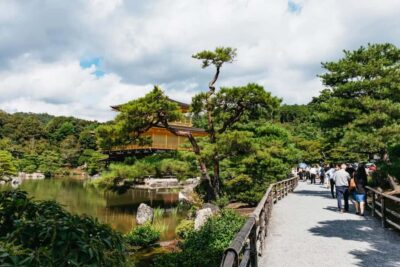
Nijo Castle, Kiyomizu & Fushimi Inari Guided Tour
Read our review →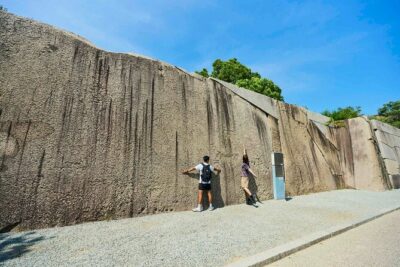
Osaka Castle Walking Tour and Castle Tower Admission
Read our review →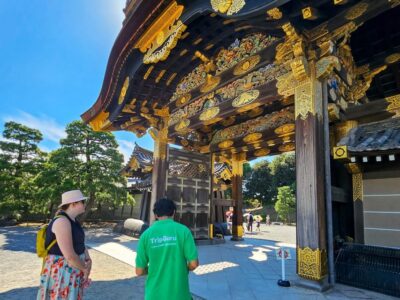
Imperial Palace & Nijo Castle Guided Walking Tour
Read our review →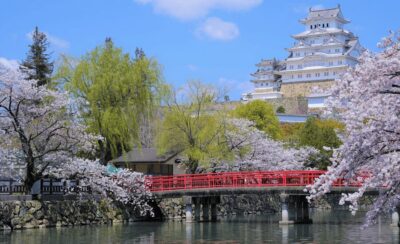
Himeji Castle, Arima Onsen & Mt. Rokko Day Tour
Read our review →
5-Hour Osaka Bike Tour to the Neighborhood of Osaka Castle
Read our review →
Browse the lists this tour appears in