
Review · JAPANESE
Kumamoto Castle, Samurai Legacy & Restoration Tour
Kumamoto Castle’s most striking feature is not simply its grand keep. It is the visible story of survival: stone walls damaged by the 2016 earthquake, repair work still under way, and a fortress being carefully brought back to life. This tour gives you that story alongside the castle’s samurai past, rather than treating the site as a quick photo stop.
I like the special route through the dual-style stone walls, and I like the visit to Wakuwakuza Museum before entering the castle. Those two stops give you the engineering and human story first. The main drawback is the walking: stairs, uneven stone paths, and changing access during restoration call for sturdy shoes and a bit of patience.
Key details to know before booking
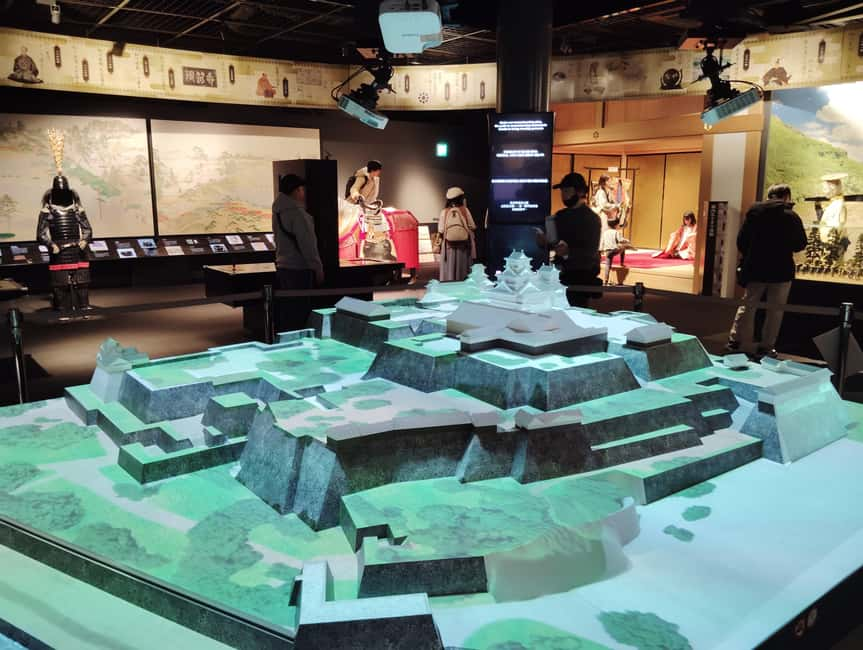
- See two generations of stonework: The Niyō-no-Ishigaki walls show different building methods layered over time.
- Start with Kato Kiyomasa’s story: Wakuwakuza Museum introduces the lord who built the castle in the early 1600s.
- Watch restoration in progress: Earthquake damage and ongoing repairs make the castle feel like a living project, not a finished monument.
- Finish with a castle view: Kato Shrine sits beside the grounds and offers one of the best viewpoints back toward the fortress.
- Choose your starting point: Join in Kumamoto, travel from Hakata by Shinkansen, or start in Hakata and finish in Kumamoto.
- Expect a private English tour: The group format allows the guide to shape explanations around your interests and pace.
Why Kumamoto Castle deserves a guided visit
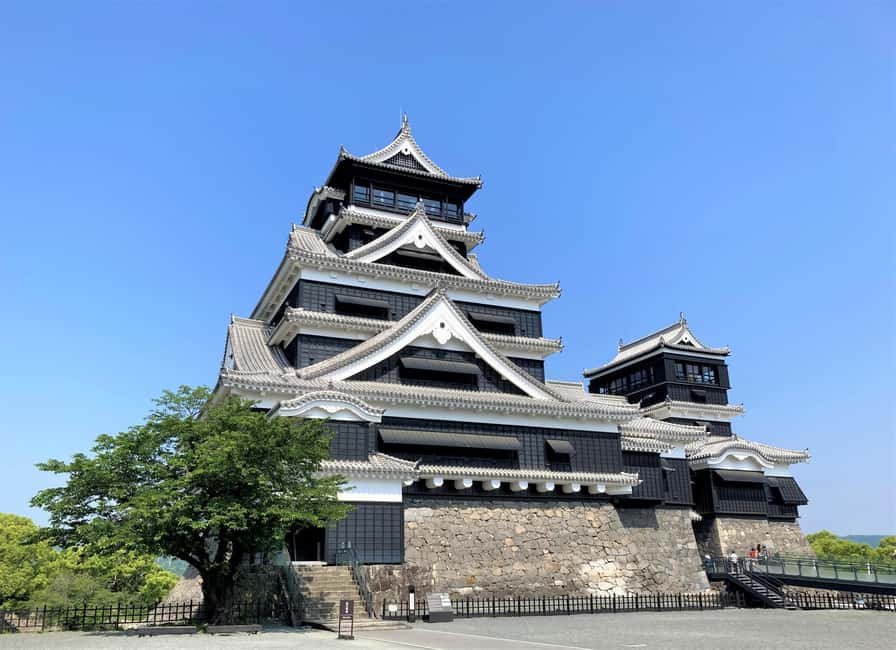
Kumamoto Castle is one of Japan’s great fortress sites, but its importance can be easy to miss if you only walk around the outer walls and take a few pictures. The castle was designed for defense, with steep stonework, confusing passageways, and routes meant to slow an attacking force.
A guide helps you read those features as military planning rather than decoration. You will hear how the castle reflects the authority of Kato Kiyomasa, the feudal lord who built it in the early 17th century, and how samurai rule shaped Kumamoto during the Edo period.
The 2016 earthquake adds another layer. Parts of the castle were damaged, and restoration continues. That means you are not seeing a perfectly polished relic. You are seeing a major historic site in the middle of careful repair, with some areas potentially closed at short notice.
I think that makes this tour more worthwhile than a basic castle visit. You can connect the original construction, later conflict, earthquake damage, and modern restoration in one compact experience.
More Japanese Castle Tours in Japan:
- Osaka Castle: Museum and Tower Entry Ticket
★ 4.5 · 2,380 reviews - Kyoto: Nijo-jo Castle and Ninomaru Palace Guided Tour
★ 4.7 · 1,020 reviews - Kyoto: Nijo Castle, Kiyomizu & Fushimi Inari Guided Tour
★ 4.7 · 700 reviews
Wakuwakuza Museum sets the stage
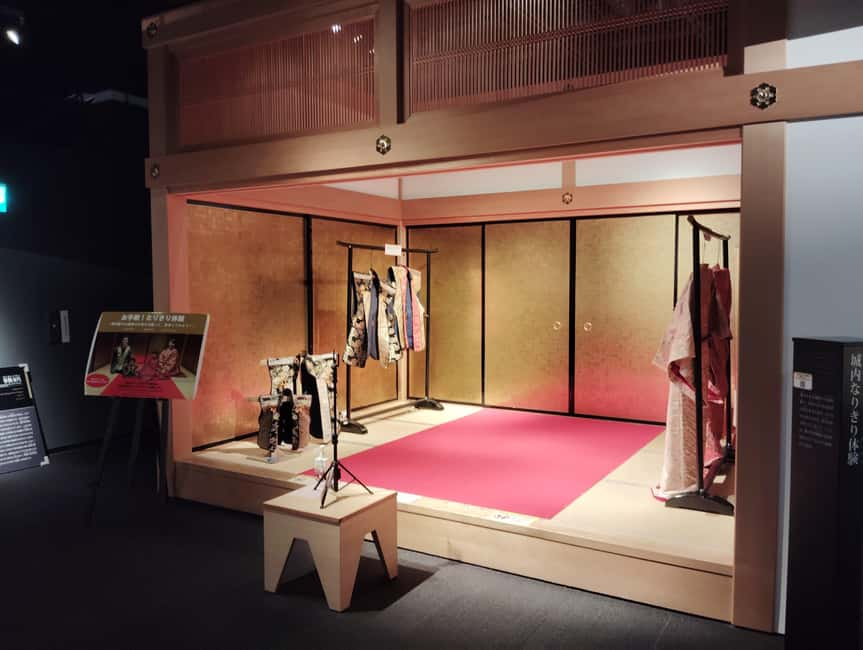
The tour begins at Kumamoto Castle Museum Wakuwakuza. This is a smart opening stop because the museum gives you names, dates, and political context before you enter the larger castle grounds.
The focus is Kato Kiyomasa, the samurai leader responsible for building Kumamoto Castle. Interactive displays present his life, leadership, and role in the region. The exhibits also explain how military engineering and political ambition worked together in the Edo period.
I prefer this order to entering the castle first. Without context, a huge wall is just a huge wall. After Wakuwakuza, you can look at the castle’s design and ask why each barrier, corridor, and elevated position was useful.
The museum is also a good place to begin if you are not already familiar with samurai government. You do not need a long background in Japanese history to follow the tour. The guide can connect the displays to the physical places you see next.
The special route and the dual-style stone walls
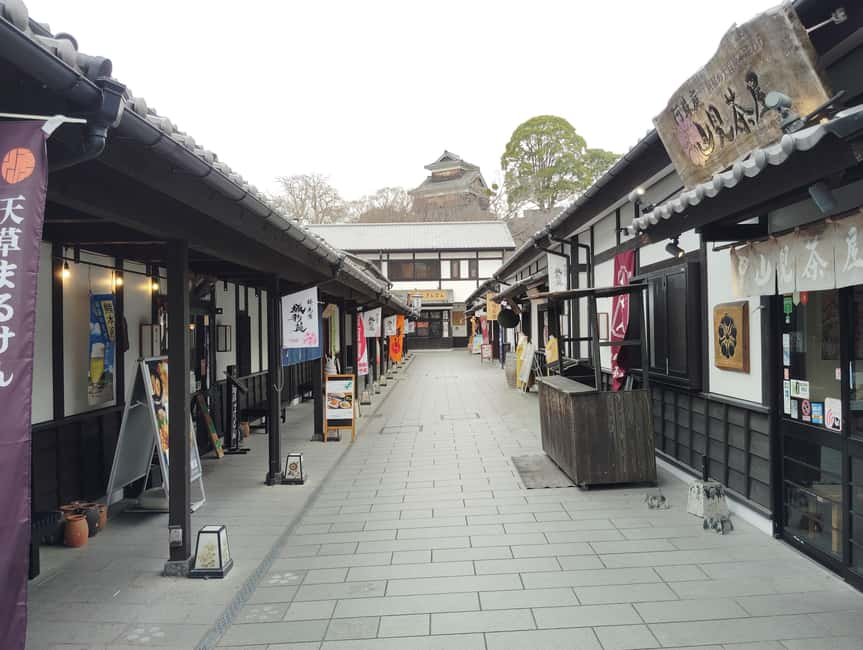
From Wakuwakuza, you enter the castle grounds by a special restoration route. One of the most interesting features is the Niyō-no-Ishigaki, or dual-style stone walls.
These walls show two different construction techniques layered across generations. That detail gives you a rare look at how a large Japanese castle changed over time. It also reminds you that historic buildings are not always created in one clean burst by one ruler. They are repaired, expanded, and adapted.
Your guide explains what you are looking at as you walk, which matters here. Stone walls can be difficult to interpret without help, especially when the important clues are differences in shape, placement, and building method.
The route also passes defensive corridors designed to slow and confuse attackers. This is where Kumamoto Castle feels less like a ceremonial residence and more like a working fortress. The layout was meant to make movement difficult and give defenders an advantage.
You should expect stairs and uneven stone paths along the way. Comfortable walking shoes are not a minor suggestion here. The tour includes a moderate amount of walking, and the restoration route may change depending on safety, weather, or castle operations.
Restoration makes the castle more than a museum
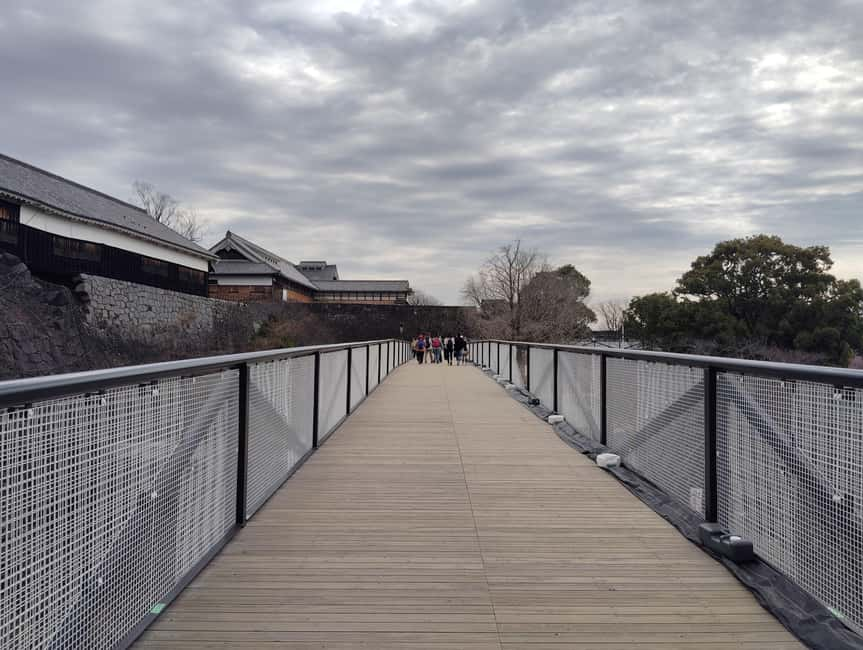
The earthquake damage is one of the most meaningful parts of this visit. You will see evidence of damage and repair, while the guide explains the work needed to recover the castle.
Many historic sites present the past as something sealed behind glass. Kumamoto offers a different experience. The castle’s past is visible, but so is the difficult work of keeping it standing for the future.
Restoration can also mean inconvenience. Some areas may be restricted without prior notice, and the exact route can change. If you need every room and viewpoint promised in a fixed order, this may frustrate you. If you are willing to see the castle as an active repair project, the unfinished sections add real value.
I would allow some flexibility in your day. The tour is listed as lasting from three hours to as much as 390 minutes, depending on the option you choose. The local Kumamoto version should be easier to fit into a sightseeing plan, while the Hakata options include train travel and take much longer.
More Castle Tours in Japan:
- Tokyo Castle & Imperial PalaceーShogun Walking Tour
★ 4.7 · 1,068 reviews - Ultimate Osaka Walking Tour: Castle, Dotonbori & Hidden Gems
★ 5.0 · 862 reviews - Tokyo Castle & Imperial PalaceーShogun Walking Tour
★ 5.0 · 724 reviews - Osaka Castle Walking Tour and Castle Tower Admission
★ 5.0 · 561 reviews
Inside the main keep
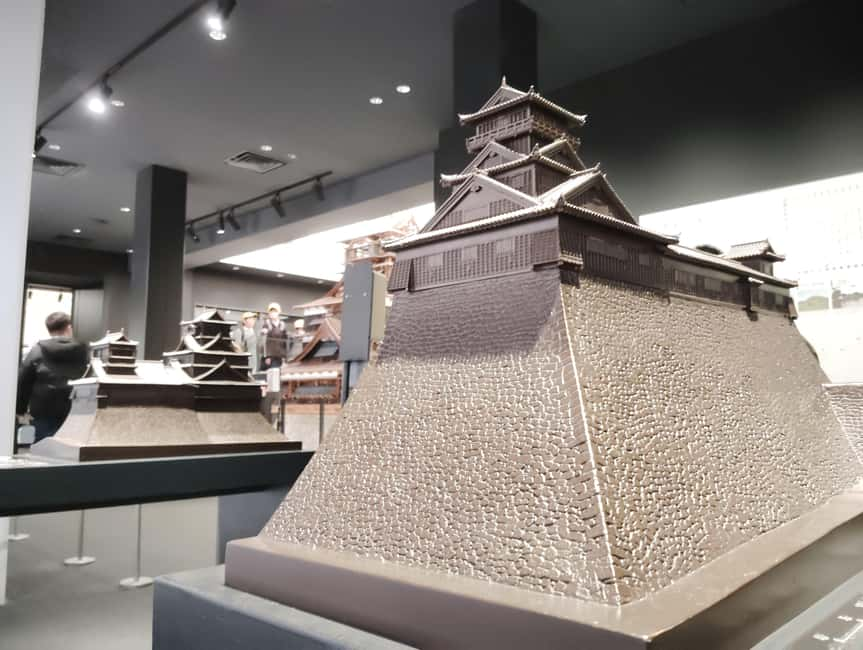
The main keep brings the story indoors. Exhibitions cover the castle’s construction, the Satsuma Rebellion, and the recovery work after the earthquake.
The Satsuma Rebellion gives the castle another important historical setting. Kumamoto was not only a symbol of early samurai power. It also played a role in the tensions and conflict of later 19th-century Japan.
The interior exhibits help tie together the parts of the tour. You begin with Kato Kiyomasa, study the fortress design, see damage and repairs, then learn how the castle fits into later regional events.
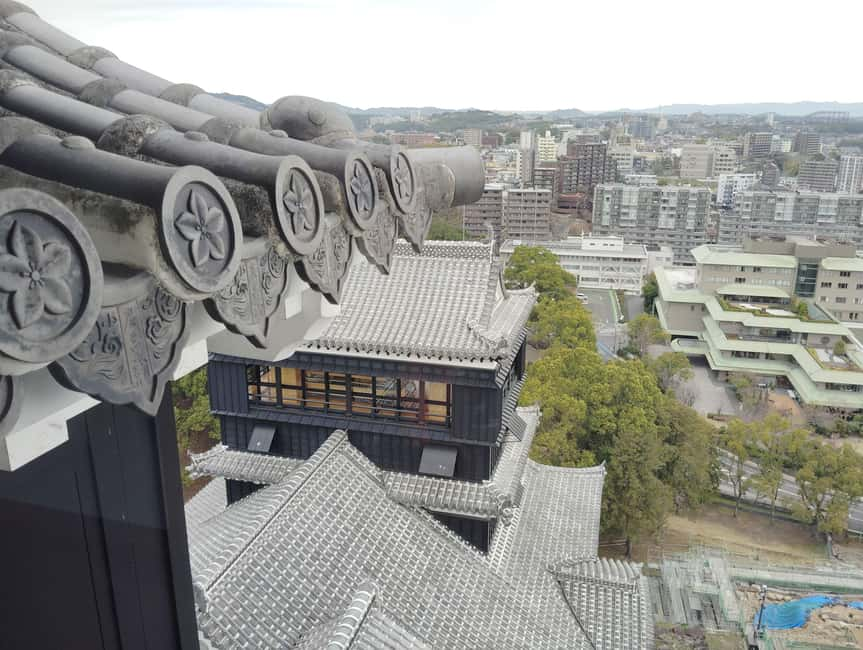
At the top floor, you get broad views over Kumamoto. The view helps explain the castle’s location and defensive value. From this hilltop position, you can better understand why control of the site mattered.
The keep is also the point where you will likely notice the difference between a guided visit and a self-guided one. A guide can point out which details connect to construction, rebellion, or restoration instead of leaving you to read every panel alone.
Kato Shrine closes the story with a strong view
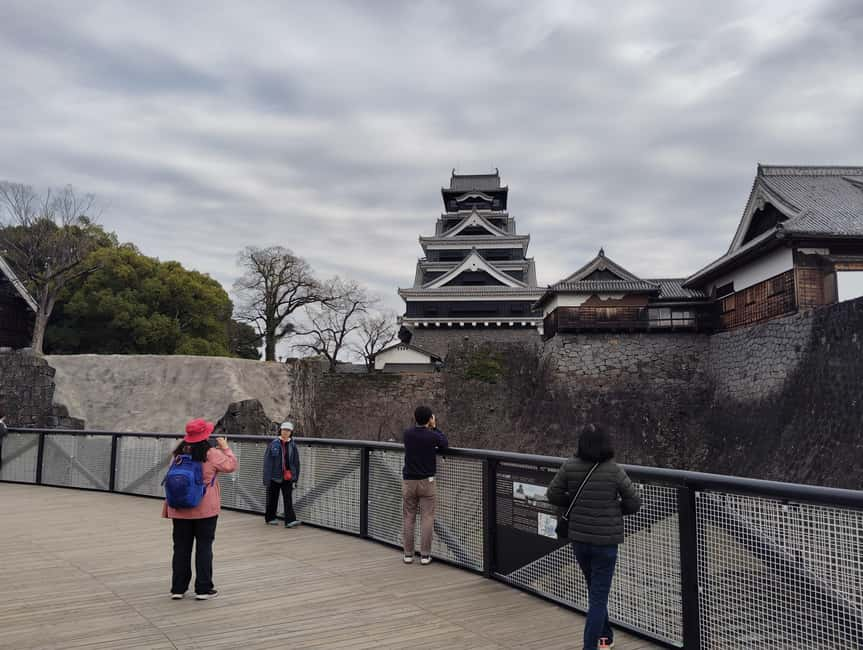
The final stop is Kato Shrine, dedicated to Kato Kiyomasa. It sits beside the castle grounds and offers one of the finest views back toward the fortress.
This is more than a final photo stop. After hearing about Kiyomasa’s leadership and seeing the castle he built, the shrine gives you a place to consider his continuing influence on Kumamoto’s culture and identity.
The stop also gives the tour a pleasing structure. Wakuwakuza introduces Kiyomasa, the castle shows his military design, and Kato Shrine shows how his memory remains part of the city.
You may appreciate the slower pace here after the stairs and stone paths. The shrine is a useful place to gather your thoughts and take in the castle from outside rather than only from within its walls.
What the $97 price includes
At $97 per person, the price is reasonable if you want a private English-speaking guide and plan to visit the castle seriously. The fee includes the guided Kumamoto Castle visit, entry to Wakuwakuza Museum, the visit to Kato Shrine, and a local guide.
That value depends on how you use the guide. If you only want to walk around, take photographs, and read a few signs, a self-guided visit will cost less. If you want the stone walls, defensive design, Kato Kiyomasa, Satsuma Rebellion, and earthquake restoration explained as one connected story, the private format earns its keep.
The Hakata packages need a closer look before you book. Shinkansen tickets are included only in the selected package, so do not assume every version includes rail transport. Lunch is not included unless specifically stated.
A private group is useful for families, couples, and small parties that prefer to ask questions or set a comfortable pace. It also means you are not sharing the guide with a large crowd. The English language option is the stated offering, so check the selected departure carefully if your group needs another language.
Kumamoto or Hakata: choosing the right option
The simplest choice is to meet in Kumamoto. This works best if you are already staying in the city or building a Kyushu trip around Kumamoto Castle.
You can also choose a round-trip departure from Hakata Station by Shinkansen. This makes the experience convenient for people based in Fukuoka, but it creates a longer day. Train schedules are fixed, and the train cannot wait for a late arrival, so arrive at the stated meeting point on time.
Another option starts in Hakata and ends in Kumamoto. This could suit a route through Kyushu if you do not need to return to Fukuoka afterward. It also avoids doubling back, but you will need to plan your onward transport from Kumamoto separately.
The meeting point depends on the option booked. Read that detail closely, especially if you are using the Hakata departure. The duration range, from three hours to 390 minutes, reflects the difference between a local castle visit and a package involving rail travel.
How much walking and flexibility should you expect?
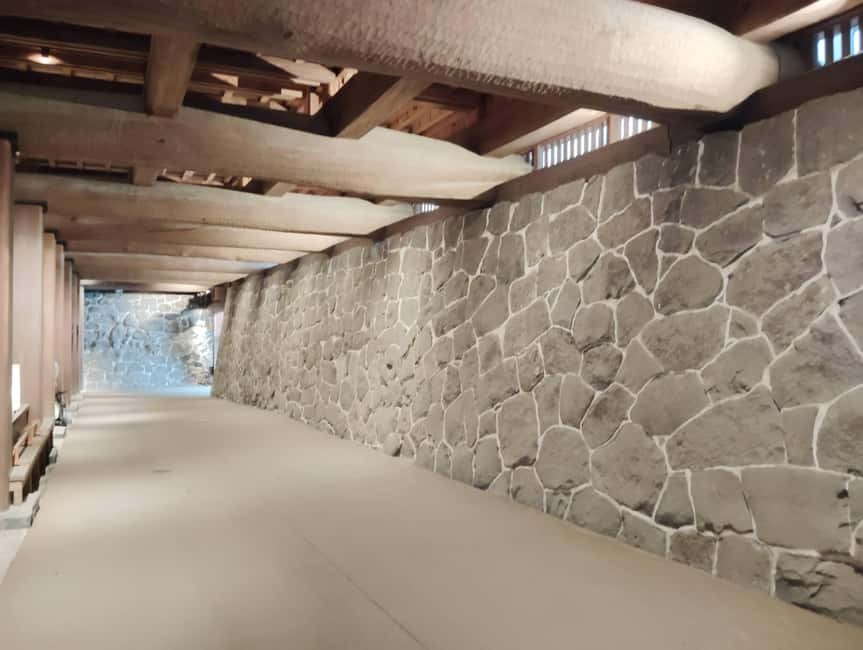
The tour requires a moderate amount of walking. You will use stairs and uneven stone paths inside the castle area, so comfortable shoes with good support are the sensible choice.
Restoration work may close certain areas without prior notice. Weather and operational conditions can also change the route. I would not book this tour if you need a completely fixed path or guaranteed access to every part of the castle.
The private group format should make it easier to ask for explanations or take a brief pause, but it does not remove the physical demands of the site. If someone in your group has trouble with stairs or uneven surfaces, check the practical details before paying.
The tour is best for people who want substance. You will spend time listening, looking closely, and connecting separate parts of Kumamoto’s past. It is less suited to anyone searching for a quick visit with minimal walking.
The guide can shape the experience
The strongest praise connected with this tour centers on the guide’s personal approach. Eiji is specifically described as leading visitors all over the castle, sharing his knowledge with good humor, and making the experience feel like being hosted by a friend.
That detail matters because the castle has several layers to explain. A guide who can move between military design, samurai leadership, earthquake repairs, and local identity will make the visit easier to follow.
Of course, you should not assume Eiji will lead every departure. Guides can vary by date and availability. Still, the experience is designed as a private English tour, so you can expect direct contact with the guide rather than a large group moving from one scripted stop to the next.
I would ask at booking if you particularly want to know the assigned guide. The important point is that the tour depends heavily on the quality of the explanation, and the available feedback gives Eiji especially strong marks for warmth and humor.
Who should book this Kumamoto Castle tour?
I would recommend it to you if Kumamoto Castle is a main reason for visiting the city. It is also a good fit if you want a clear introduction to Kato Kiyomasa, samurai government, Japanese castle defense, and the ongoing earthquake recovery.
Families and small private groups may like the format because the guide can speak directly to the group. History fans will appreciate the dual-style walls and the connection between the castle’s original design and its later restoration.
The Hakata options suit visitors based in Fukuoka who want a structured day trip without arranging the Shinkansen and castle visit separately. Just remember that the longer rail package can take most of a day, and lunch is not included.
You may want to skip it if your main goal is a short photo stop, if you dislike stairs, or if you need guaranteed access to every section. The active restoration is part of the appeal, but it also means conditions can change.
Should you book it?
Book this tour if you want Kumamoto Castle explained rather than simply photographed. The combination of Wakuwakuza Museum, the special stone wall route, the main keep, earthquake restoration, and Kato Shrine gives you a strong three-part story: who built the castle, how it worked, and why it still matters.
At $97, the value is best for visitors who want a private English guide and may use the Hakata train option. Choose the Kumamoto departure for a shorter, more focused visit. Choose the Hakata package only after checking the exact train and return arrangements.
The main caution is physical and practical. Expect stairs, uneven paths, possible route changes, and ongoing repairs. If those conditions suit you, this is a thoughtful way to see one of Kyushu’s most important sites and understand why its restoration matters.
FAQ
How long does the Kumamoto Castle tour last?
The listed duration ranges from three hours to 390 minutes. The exact length depends on the option selected, especially if you choose a package involving Shinkansen travel from Hakata.
Is the tour conducted in English?
Yes. The tour includes a live English-speaking guide.
Is this a private tour?
Yes. The experience is offered for a private group.
What is included in the price?
The price includes a guided visit to Kumamoto Castle, entry to Kumamoto Castle Museum Wakuwakuza, a visit to Kato Shrine, and a local guide. Shinkansen tickets are included only in the selected Hakata package.
Does the tour include lunch?
No. Lunch is not included unless the specific option says otherwise.
Is the tour suitable for people who do not walk easily?
The tour involves a moderate amount of walking, stairs, and uneven stone paths inside Kumamoto Castle. Comfortable walking shoes are recommended, and you should consider these conditions before booking.
Newly walked in Japan
- Tokyo: Edo Castle and Imperial Palace Guided Walking Tour★ 5.0 · 6 reviews
- (Ticket Included) Explore Osaka Castle & Museum of History★ 4.8 · 21 reviews
- Peace Memorial Park, Hiroshima Castle, & Garden Private Tour★ 4.8 · 7 reviews
- Osaka: Osaka Castle – Tsuruhashi – Tennoji (Spanish Guide)★ 4.7 · 10 reviews
- Osaka/kyoto: Himeji Castle, Kobe. Luxury Day Trip with Guide★ 5.0 · 2 reviews
- Osaka: Osaka Castle 3 hours Historical Walking Tour★ 4.6 · 14 reviews
- Osaka: Early Morning Osaka Castle Guided Tour, Avoid Crowds★ 4.9 · 12 reviews
- Osaka: Explore Every Bit of Osaka Castle in 3 Hours★ 5.0 · 5 reviews
Japanese Castle Tours, compared.
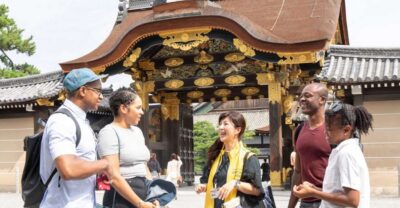
Nijo-jo Castle and Ninomaru Palace Guided Tour
Read our review →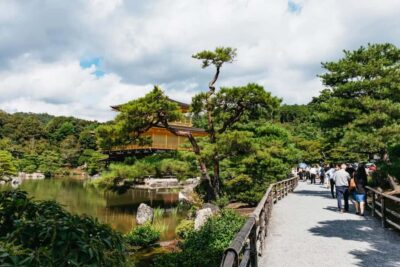
Nijo Castle, Kiyomizu & Fushimi Inari Guided Tour
Read our review →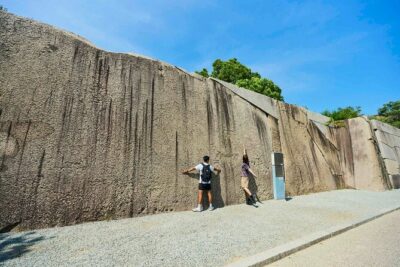
Osaka Castle Walking Tour and Castle Tower Admission
Read our review →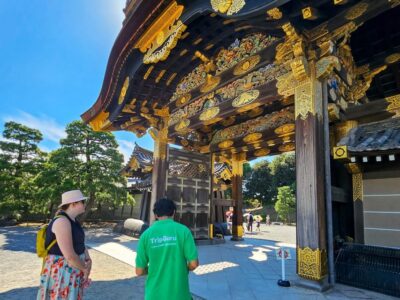
Imperial Palace & Nijo Castle Guided Walking Tour
Read our review →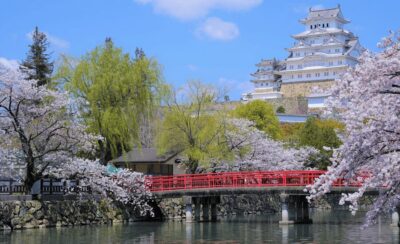
Himeji Castle, Arima Onsen & Mt. Rokko Day Tour
Read our review →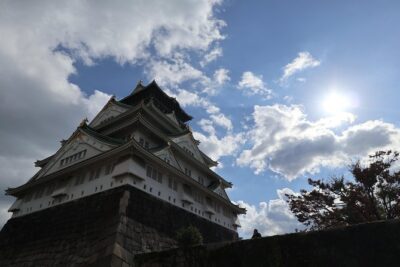
5-Hour Osaka Bike Tour to the Neighborhood of Osaka Castle
Read our review →
Browse the lists this tour appears in