
Review · KYOTO
Kyoto: Nijo-jo Castle and Ninomaru Palace Guided Tour
Nijo Castle’s greatest surprise is that it feels less like a fortress and more like a carefully staged political theater. Built in 1603 for Tokugawa Ieyasu, the shogun who began Japan’s Edo Period, it was designed to impress, protect, and control. I like that this tour makes those ideas easy to see inside the Ninomaru Palace, rather than leaving you to puzzle over empty rooms and painted screens.
I also like the chance to enter restricted areas normally unavailable to the public, along with the way guides such as Ai, Kaoru, Miki, and Don explain small details that are easy to miss. The main drawback is practical: the $16 tour price does not include castle admission, which must be paid separately in cash. You need to arrive early at the East Main Gate, too, since late arrivals cannot join.
Key points to know before you book
- The palace was a shogun’s Kyoto office and residence, not simply a military stronghold.
- A one-hour English tour covers the key buildings and garden, leaving you time to explore on your own.
- Some tour-only areas may be opened, including sections connected with the shogun’s private quarters.
- The guide brings meaning to the artwork, from painted animals and dragons to symbols of power and danger.
- Admission costs extra, with the castle entry fee paid in cash at the site.
- One child aged 0 to 12 can join free with each paying adult, but children must stay with an adult.
Why Nijo Castle matters in Kyoto
Nijo Castle gives you a close look at the world of Japan’s feudal rulers without requiring a full day or a long trip outside central Kyoto. Tokugawa Ieyasu built it in 1603 as his Kyoto base. The shogun ruled Japan from Edo, now Tokyo, but Kyoto remained the imperial capital and a place of great political importance.
That background helps explain the castle’s design. Nijo Castle had defenses, gates, and broad grounds, but its real purpose was also ceremonial and political. The shogun needed a place to receive the emperor, meet feudal lords, conduct business, and display authority.
The Tokugawa Shogunate ended in 1867. After that, the castle became an imperial palace before being given to Kyoto City and opened as a historic site. Today, it is a UNESCO World Heritage site, divided into the Honmaru, or main defensive area, the Ninomaru, or secondary area, and the gardens surrounding both.
You can walk through the grounds without a guide, but the buildings do not explain themselves easily. A painted tiger may look decorative until someone explains its political message. A reception room may appear nearly bare until you learn who sat where, who waited outside, and why the arrangement mattered.
More Guided Castle Tours in Japan
- Kyoto: Nijo Castle, Kiyomizu & Fushimi Inari Guided Tour
★ 4.7 · 700 reviews - Kyoto: Imperial Palace & Nijo Castle Guided Walking Tour
★ 4.7 · 453 reviews - Osaka Castle Guided Tour
★ 4.7 · 249 reviews
Entering through the East Main Gate
The meeting point is the Nijo Castle Tour Ticket Booth. Enter through the East Main Gate, then go to the reception area beside the General Reception on the left. You should notify the staff when you arrive.
This detail matters. The tour begins at a fixed time, and you cannot join if you arrive after the start. Give yourself enough time to find the entrance, buy the separate castle admission, and reach the reception area without rushing.
Transportation is not included, so you make your own way to Nijo Castle. Your booking confirmation provides the meeting details and coordinates. The experience itself lasts 60 minutes, which makes it easy to fit into a busy Kyoto day, but it also means the guide keeps a steady pace.
The tour is conducted only in English. Earphones are supplied to paying participants, which can help when the palace is crowded or when the group spreads out. A child joining free does not receive an earphone. If a child needs one, you must purchase an adult ticket for that child.
The gates reveal the castle’s public face
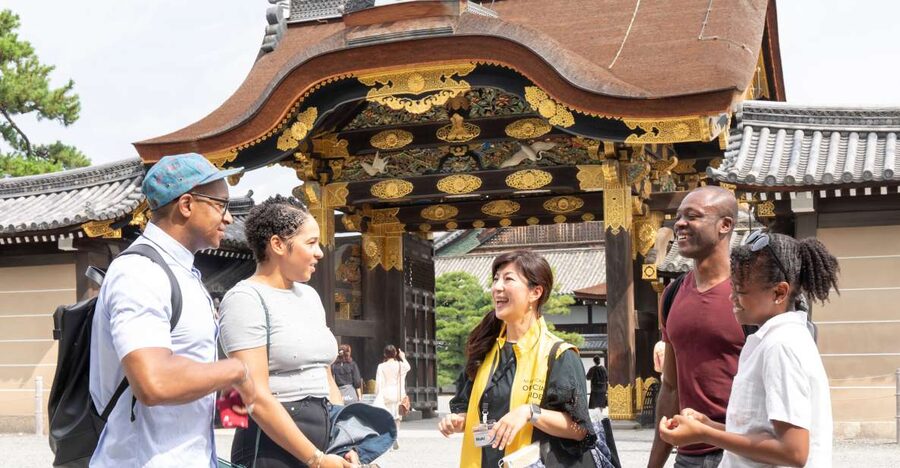
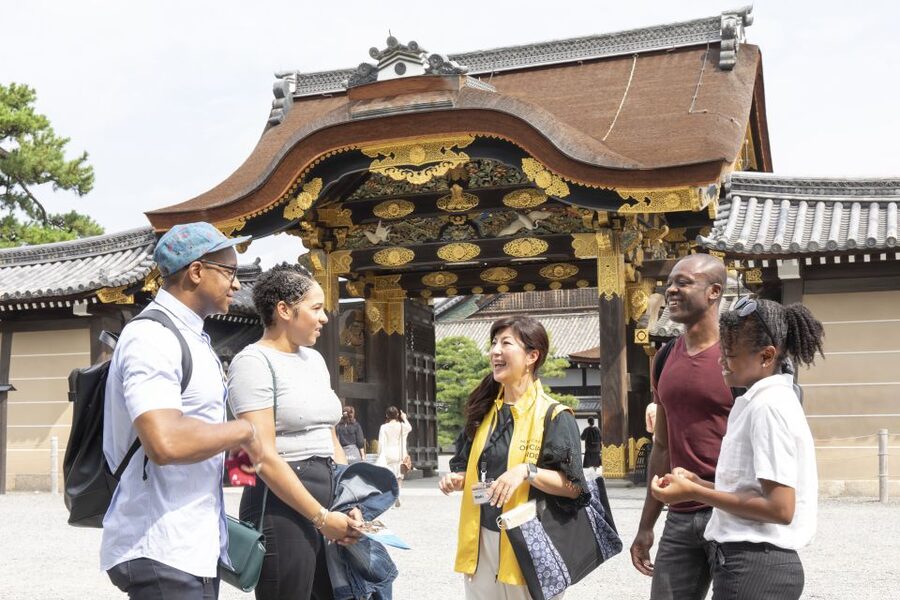
The route includes the East Main Gate and the Karamon Gate. The East Main Gate is your practical entrance, but the Karamon is the more theatrical of the two. It leads into the Ninomaru area and announces that you are moving from the outer grounds into the shogun’s formal world.
Pay attention to the decoration before entering the palace. The carved and painted details are not random decoration. Guides use them to explain status, protection, political symbolism, and the way Japanese artists represented animals and nature.
One useful thread from the tour is the contrast between military power and controlled appearance. The gate is ornate, but the display is disciplined. The castle does not need to shout. Its architecture shows that the shogun had wealth, rank, and command.
This is also where a guide can add the kind of detail you are unlikely to get from a quick solo walk. One guide has connected palace carvings with images familiar from modern Japanese pop culture, while other explanations cover fire risk, meal preparation, and the fear of poisoning. Those details bring the building down from the level of grand political history to ordinary worries inside a ruler’s household.
Ninomaru Palace is the main event
The Ninomaru Palace is the heart of the experience. It served as the shogun’s residence and office during visits to Kyoto, and the building remains remarkably intact.
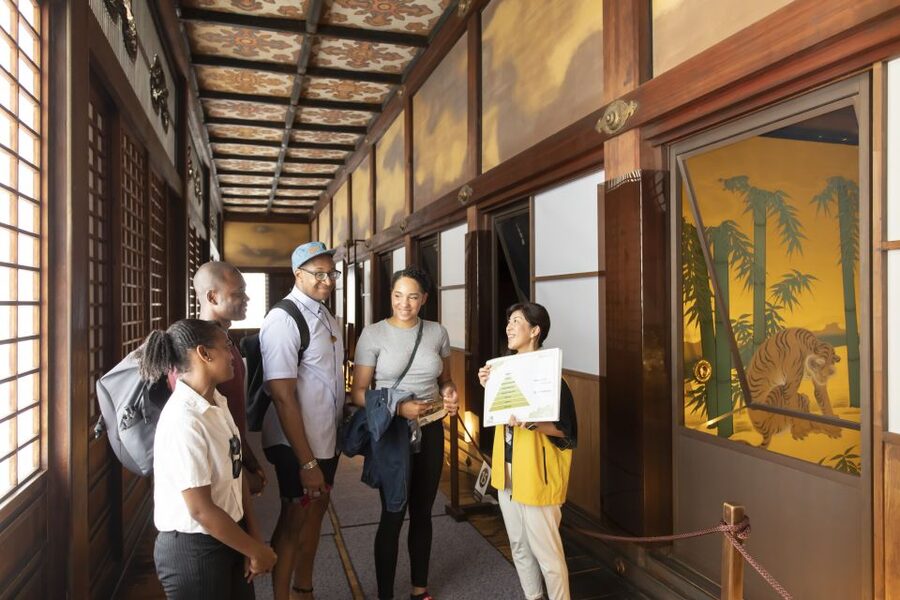
You remove your shoes before entering and follow the prescribed route through the palace. The rooms are arranged in sequence, with each space reflecting rank and purpose. Your guide explains where the shogun received officials, where people waited, and how daily business unfolded.
The palace can seem austere at first. There is no modern furniture to help you picture the rooms in use. That is exactly why the live explanation matters. A good guide turns bare floors, low thresholds, painted screens, and carefully placed doorways into a picture of court protocol.
The painted panels deserve your attention. You may see tigers, pine trees, birds, dragons, and other motifs. Their meaning changes with the room and its function. Some images suggest strength or authority. Others signal peace, longevity, or a suitable setting for a particular rank.
Guides have also explained how the artwork reflects the people who might enter each room. The decoration was part of the building’s social map. You were not simply in a beautiful room. You were being told where you belonged.
The tour can also add political context. Nijo Castle was a center of decision-making and court maneuvering, not just a place where samurai prepared for battle. The guide may discuss the power relationship between shogun and emperor, the ruling structure of the period, and the customs that shaped formal meetings.
More Palace Tours in Japan
- Imperial Palace East Garden and Edo Castle Walking Tour in Tokyo
★ 5.0 · 510 reviews - Tokyo: Edo Castle Ruins & Imperial Palace East Garden Tour
★ 4.4 · 13 reviews
Look for the small details
The best part of this tour is often the information you would otherwise walk past. The guides are especially good at explaining how architecture shaped behavior.
The palace rooms were designed around controlled movement. Screens, corridors, thresholds, and seating positions helped regulate who could approach the shogun and how they did it. A guide can point out these visual clues while you are standing in the actual space.
You may also hear about the famous nightingale floors, designed to make a chirping sound underfoot. The feature is commonly linked to security, since unwanted movement would be difficult to hide. The supplied tour details do not promise a demonstration, so treat this as a feature you may encounter rather than a guaranteed part of the guide’s talk.
Other useful explanations concern meals and poisoning risks. The shogun’s household involved elaborate food preparation, but it also required caution. A simple discussion of dinner arrangements can show how power affected the most ordinary parts of life.
Look closely at the carvings, too. A guide may point out details that connect to modern Japanese characters or familiar visual ideas. These observations are not the main reason to visit, but they make the palace more memorable, especially if you are touring with children or teenagers.
Photography is not allowed inside the palace. There is also no air conditioning or water inside, so summer visits can feel hot. Several people have found the heat difficult during August, even with a considerate guide. Bring water for use outside, dress for the weather, and take advantage of breaks after leaving the building.
The restricted areas add real value
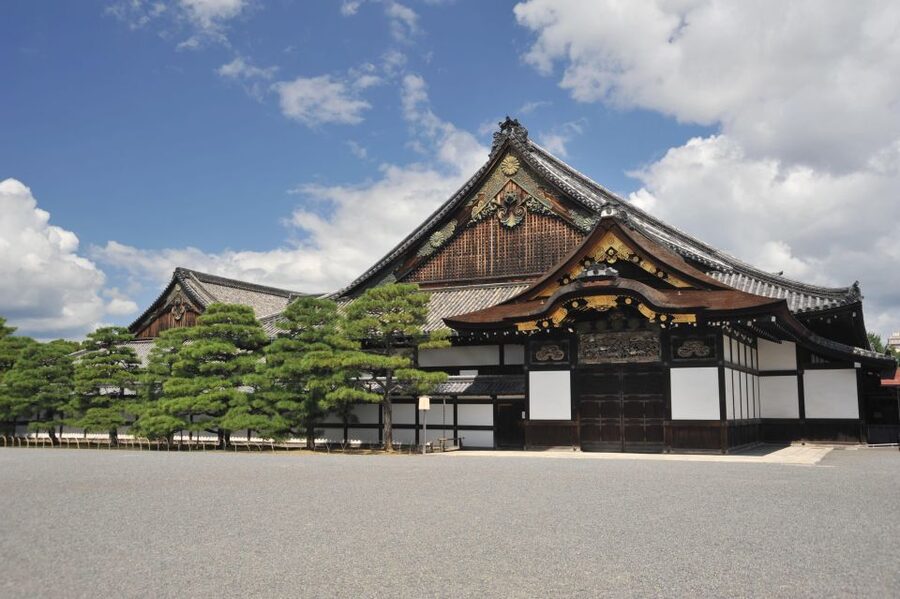
The special access is the strongest reason to choose this guided experience instead of simply buying admission and wandering alone. The exact rooms available can vary, but the tour includes access to part of the castle normally closed to the general public.
Some tours have included two additional areas connected with the shogun’s private quarters. That gives you a closer look at spaces beyond the standard visitor route and helps explain the difference between public ceremony and private life.
Do not expect a lengthy back-of-house expedition. The whole tour lasts one hour, and the access depends on current castle operations. Still, even a short glimpse beyond the regular route can make the extra tour fee worthwhile.
This access also gives the guide something concrete to explain. Instead of talking only about palace rules and political structure, you can see how the shogun’s personal spaces related to the formal rooms. That contrast makes the building easier to understand.
Ninomaru Garden gives you breathing room
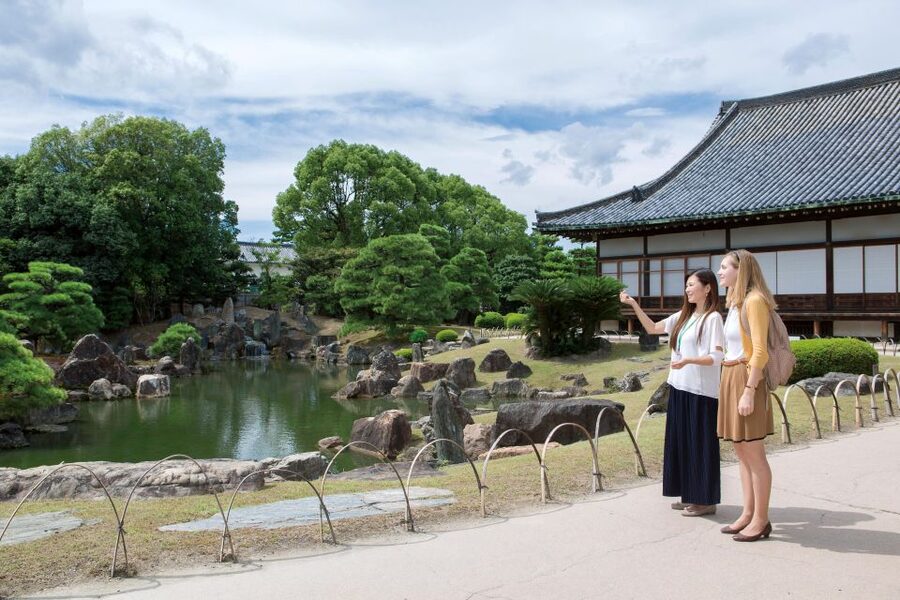
The final part includes the Ninomaru Garden. After the dimmer, more formal palace rooms, the garden offers a change of pace.
The garden is part of the castle’s design, not a separate attraction tacked onto the grounds. It helped create a suitable setting for a ruler’s residence and offered a carefully arranged view after the controlled interiors.
The guided portion does not use up your entire castle visit. Once the one-hour tour ends, you can continue exploring the gardens and grounds independently. This works well because the guide handles the historical framework while you can later move at your own speed.
One practical point: the tour itself is short enough for a morning or afternoon schedule, but Nijo Castle deserves more time than the guided hour if you want to see the larger grounds carefully. The hour gives you the essential buildings and explanations. Plan extra time if you want a relaxed walk after the tour.
The guides make or break the hour
The strongest part of the experience is the guiding. Names that have received particular praise include Ai, Kaoru, Miki, Ayu, Don, Kiku, and Kingo. The guide assigned to your group will vary, but the repeated strengths are clear: clear English, good pacing, friendly delivery, and a willingness to answer questions.
Kaoru has been praised for being funny and expressive while explaining samurai customs and the period’s political structure. Miki has been especially effective at keeping energy up in hot weather and pointing out details visitors might miss. Ai has been noted for clear explanations and a warm approach, while Don has made the history both educational and lively.
That matters because the palace can be crowded. A good guide keeps the group together, speaks clearly, and avoids turning every room into a long lecture. The best pace gives you enough information to understand the space without burying you in dates.
The group size may be small, sometimes only a handful of people, but you should not assume every departure will feel like a private tour. Busy periods can mean more people in the palace, and the guide must work around the flow of other visitors.
Price, admission, and family value
The tour costs $16 per person, but that is only the guiding fee. Nijo Castle admission is separate and must be paid in cash on site. One price reference puts the admission at 1,300 yen, though you should confirm the current amount when booking or at the entrance.
At first glance, paying for a guide after paying admission may seem unnecessary. I think the value depends on how you use historic sites. If you mainly want to photograph the exterior and stroll through a garden, admission alone may be enough. If you want to understand the rooms, symbols, political structure, and restricted areas, the $16 adds a useful layer.
The family policy is generous. Each paid participant can bring one child aged 0 to 12 free of charge. The child must stay with an adult. If you bring more than one child, each additional child needs an adult ticket.
The free cancellation policy allows a full refund when you cancel at least 24 hours before the activity. That is helpful during a Kyoto visit, where rain, heat, and changing plans can affect your day.
Who should book this tour?
I would choose this tour if you are visiting Nijo Castle for the first time, care about Japanese political history, or want more than a quick look at ornate gates and empty rooms.
It is also a good fit if you are traveling alone. A guide can take photos for you, keep you moving through a crowded palace, and give you a clearer sense of what each room was for.
Families can benefit from the stories about samurai customs, palace life, artwork, fire, and food safety. The one-hour format is manageable, although children may need help staying close to the group and listening inside the palace.
You may skip the guide if you already have detailed knowledge of Edo-period architecture or prefer to explore silently at your own pace. The castle grounds remain worth visiting independently, and the tour does not cover every part of the site.
Final verdict: pay for the story, not just the entrance
Book this tour if you want Nijo Castle to make sense. The guide connects the Karamon Gate, Ninomaru Palace, painted screens, room arrangements, garden, and restricted areas into one clear story about power and daily life.
The separate admission fee and cash requirement are minor annoyances, and the summer heat inside the palace deserves planning. But for $16, the English explanations and possible access to closed rooms give you far more than a silent walk through an impressive building.
Arrive early, bring water for outside, wear comfortable clothing, and keep the full afternoon flexible if you want time in the gardens. The tour is short, focused, and best for anyone who wants to see how a shogun’s home functioned as both residence and political stage.
FAQ
Is Nijo Castle admission included in the tour price?
No. The tour price covers the 60-minute guided experience, but castle admission is separate and must be paid in cash on site.
How long does the guided tour last?
The guided tour lasts one hour. You can continue exploring Nijo Castle and its gardens on your own afterward.
What language is the tour conducted in?
The tour is conducted only in English and includes a live English-speaking guide.
Where do I meet the guide?
Enter through Nijo Castle’s East Main Gate and go to the reception area beside the General Reception, on the left after entering. The meeting point is the Nijo Castle Tour Ticket Booth area.
Can children join the tour for free?
Each paying participant can bring one child aged 0 to 12 free of charge. The child must be accompanied by an adult. Any additional child requires an adult ticket.
Are earphones provided for children?
Earphones are provided only to paid participants. If a child needs an earphone, you must purchase an adult ticket for that child.
Can I cancel for a refund?
Yes. You can cancel up to 24 hours before the activity for a full refund.
More Japanese Castle Tours in Japan
- Osaka Castle: Museum and Tower Entry Ticket
★ 4.5 · 2,380 reviews - Osaka Castle Walking Tour and Castle Tower Admission
★ 5.0 · 561 reviews - From Osaka: Himeji Castle, Arima Onsen & Mt. Rokko Day Tour
★ 4.6 · 339 reviews - 5-Hour Osaka Bike Tour to the Neighborhood of Osaka Castle
★ 5.0 · 319 reviews
Newly walked in Japan
- From Nagoya: Samurai Swords and Inuyama Castle Private Tour★ 5.0 · 11 reviews
- Himeji: Private Guide Tour of the Castle from Osaka or Kyoto★ 4.5 · 7 reviews
- World Heritage Himeji Castle & Sake Breweries Private Tour★ 4.5 · 11 reviews
- Himeji: Himeji Castle Guided Tour – UNESCO Heritage★ 4.7 · 115 reviews
- 2.5 Hour Private History and Culture Tour in Himeji Castle★ 5.0 · 185 reviews
- Kyoto: Nijo Castle World Heritage Guided Tour with Admission★ 5.0 · 128 reviews
- Osaka: Osaka Castle & Historical Museum Guided Tour★ 4.8 · 28 reviews
- Osaka: Osaka Castle Guided Tour with Local Guide★ 4.7 · 78 reviews
Japanese Castle Tours, compared.
Nijo Castle, Kiyomizu & Fushimi Inari Guided Tour
Read our review →
Osaka Castle Walking Tour and Castle Tower Admission
Read our review →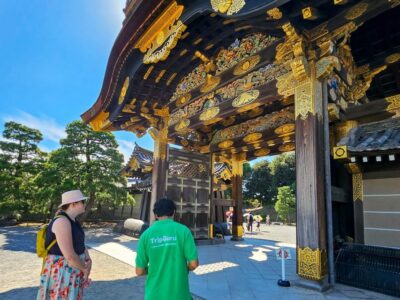
Imperial Palace & Nijo Castle Guided Walking Tour
Read our review →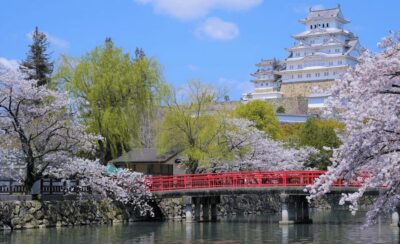
Himeji Castle, Arima Onsen & Mt. Rokko Day Tour
Read our review →
5-Hour Osaka Bike Tour to the Neighborhood of Osaka Castle
Read our review →
Best of Himeji Castle: 3hr Tour with Licensed Guide
Read our review →Browse the lists this tour appears in