
Review · HIMEJI
Himeji: Himeji Castle Guided Tour – UNESCO Heritage
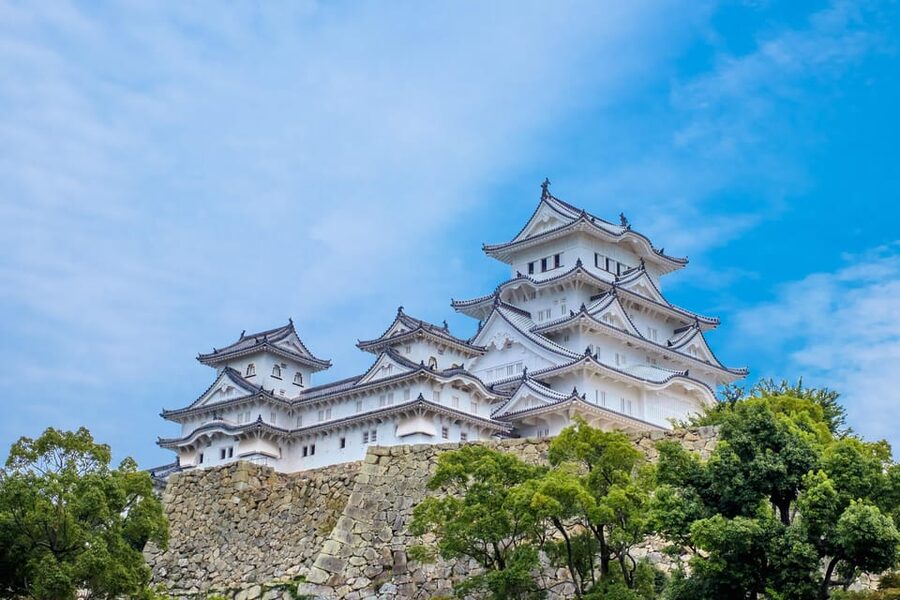
Himeji Castle is the real thing: a gleaming, six-story fortress that has survived for about four centuries without a battle, major fire, or wartime destruction. The guided visit helps you see past the white walls and sharp roofs to the castle’s defenses, political purpose, and small design tricks. I especially like the walk from JR Himeji Station, which gives you time to meet your guide and see the castle approach before entering.
I also like the choice of formats. You can book a shorter castle visit, add Kokoen Garden, or choose a longer plan that reaches Shoshazan Engyoji Temple. Guides including Junko, Chiyuki, Rie, and Kayo are praised for patient explanations and good photographs. The catch is simple: you must climb more than 100 steps inside the castle, often in socks on steep wooden stairs, so this is not a good fit if walking is difficult.
Key points to know before booking
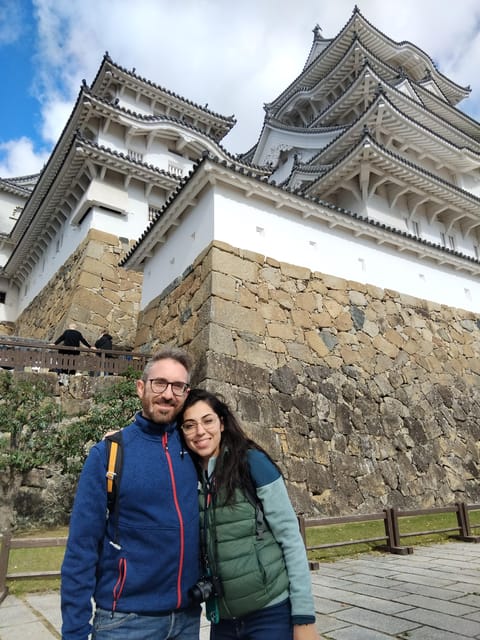
- The castle is original in a way few Japanese castles are. Its main structure has remained intact since the early 1600s.
- The six-story tower requires real climbing. Expect steep wooden stairs, narrow passages, and more than 100 steps.
- A guide reveals details you can easily miss. Look for defensive features, concealed spaces, stories, and the castle’s political role.
- Kokoen is a separate garden beside the castle. Its ponds, seasonal plants, and quiet paths make a calm counterpoint to the fortress.
- Private and small-group options are available. This matters if you want to ask many questions or set a relaxed pace.
- Early starts are smart. A 9 a.m. beginning can help you reach the castle before larger crowds gather.
Why Himeji Castle deserves a guided visit
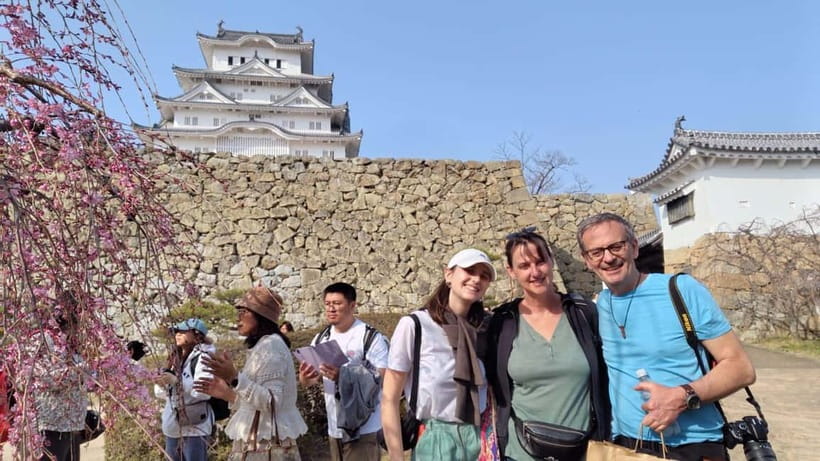
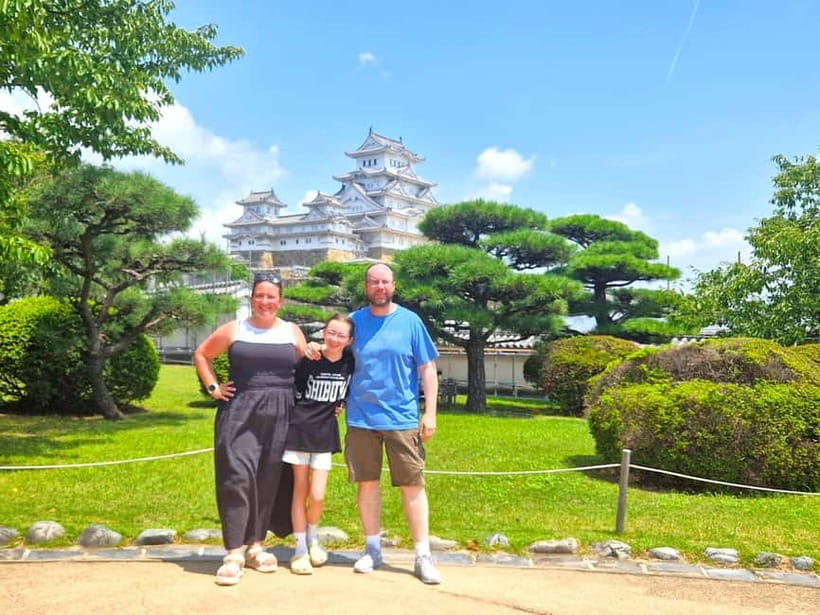
From the station, Himeji Castle is easy to recognize. Its white plastered walls and layered roofs rise at the end of the main approach, giving the building its nickname, the White Heron Castle. The name fits the clean, almost birdlike appearance, but the castle was built for defense, not decoration.
That contrast is what makes the visit rewarding. From a distance, Himeji looks graceful. Inside, you find a fortress designed to slow, confuse, and expose an attacking force. The route bends, narrows, and climbs. Walls conceal parts of the castle from view. A guide can explain why the path is arranged this way instead of leaving you with only a pretty photograph.
I would not treat this as a quick photo stop. The exterior alone is impressive, but the interior makes the castle memorable. Your guide can point out how the structure worked, explain the purpose of different spaces, and connect the building to Japan’s political past. Guides have also been praised for answering wider questions about Japanese customs and daily life, which adds value if this is your first detailed castle visit.
More Guided Castle Tours in Japan
- Kyoto: Nijo-jo Castle and Ninomaru Palace Guided Tour
★ 4.7 · 1,020 reviews - Kyoto: Nijo Castle, Kiyomizu & Fushimi Inari Guided Tour
★ 4.7 · 700 reviews - Kyoto: Imperial Palace & Nijo Castle Guided Walking Tour
★ 4.7 · 453 reviews
Meeting at JR Himeji Station
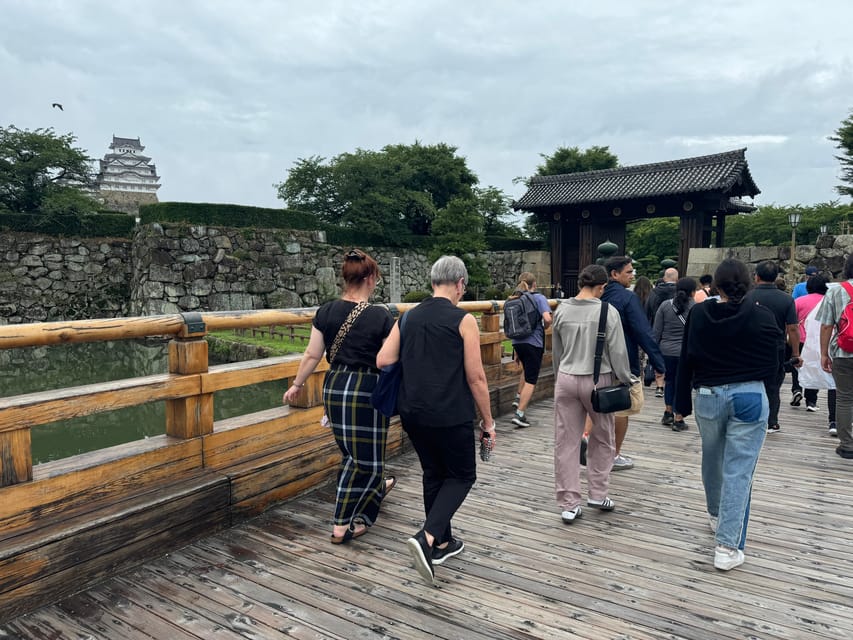
Your meeting point is in front of the central ticket gate at JR Himeji Station. Look for a guide holding a yellow sign with the DeepExperience logo. This is a useful arrangement, especially if you arrive by train and do not know Himeji well.
The walk toward the castle gives you a gentle start. Guides such as Junko have contacted participants before the visit with directions and meeting details, while others have helped with onward transport after the tour. That personal start is one reason the experience can feel less like a formal lecture and more like a local introduction.
Use this time to tell your guide what interests you. If you care most about architecture, ask for building details. If you enjoy military history, ask about defense and castle planning. If you are visiting with children, say so early. Rie has been praised for keeping a young child engaged, and several guides have adjusted their explanations to suit the group.
The meeting point is clear, but arrive with enough time to find the station gate. The tour begins at the station, not at the castle entrance, and a late start could affect the time available inside.
Inside the six-story castle tower
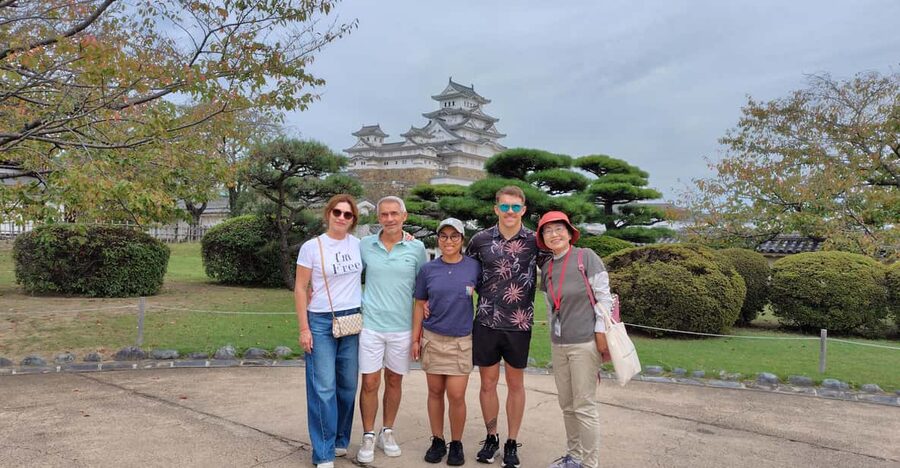
The main castle visit takes about two hours. You will move through the grounds and then tackle the interior tower, where the stairs become the main physical challenge.
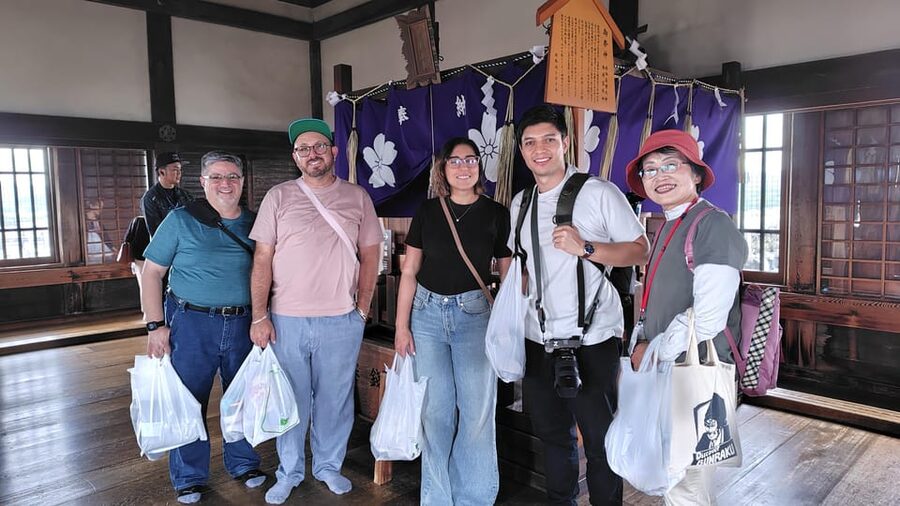
The wooden stairways are steep, narrow, and climbed without shoes. You may be asked to remove your footwear, so wear clean, comfortable socks. This is a small point, but it matters. The stairs are not a casual stroll, and you will be moving up and down through the building rather than taking one simple staircase to a viewing floor.
The tower’s rooms are largely bare. If you expect furnished chambers filled with armor, weapons, beds, and household objects, Himeji may feel spare. That is not a flaw in preservation, but it changes the experience. The building itself is the exhibit.
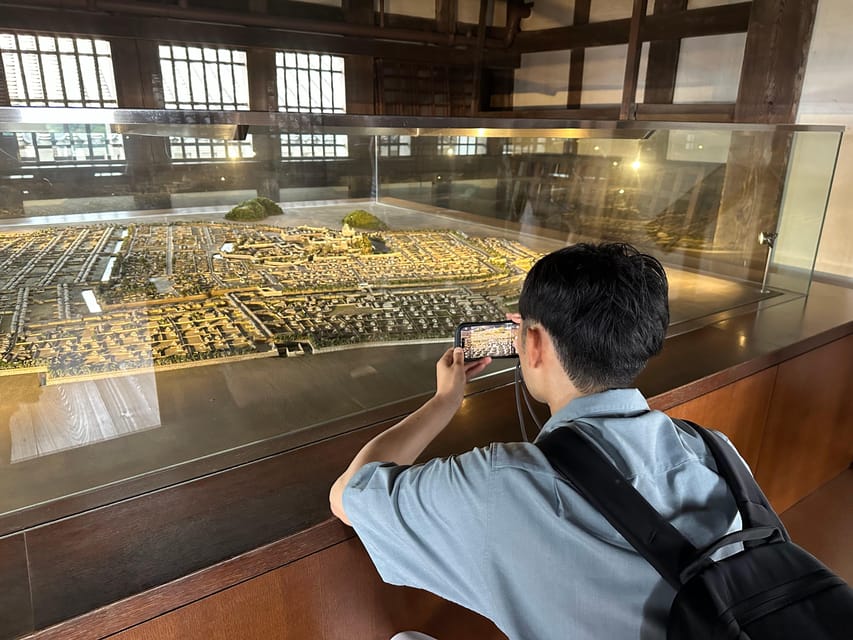
This is where a guide earns the fee. You can learn why rooms are shaped as they are, how the castle’s defensive features worked, and how the building served political as well as military purposes. Adi, for example, has been praised for explaining the castle’s political importance, the use of different spaces, and its architectural features. Other guides have used drawings and illustrations to make difficult points easier to understand.
At the top, you get broad views over Himeji. The climb takes effort, but the view gives you a clear sense of the castle’s position and scale. Allow time for photographs, though keep in mind that the interior route can be narrow and busy.
The castle famously avoided battle and survived the bombings of World War II. That survival gives the visit unusual weight. You are not looking at a modern reconstruction made from a general plan. You are seeing an exceptionally well-preserved original structure, with the wear, layout, and materials that make old buildings feel real.
Finding the small details around the grounds
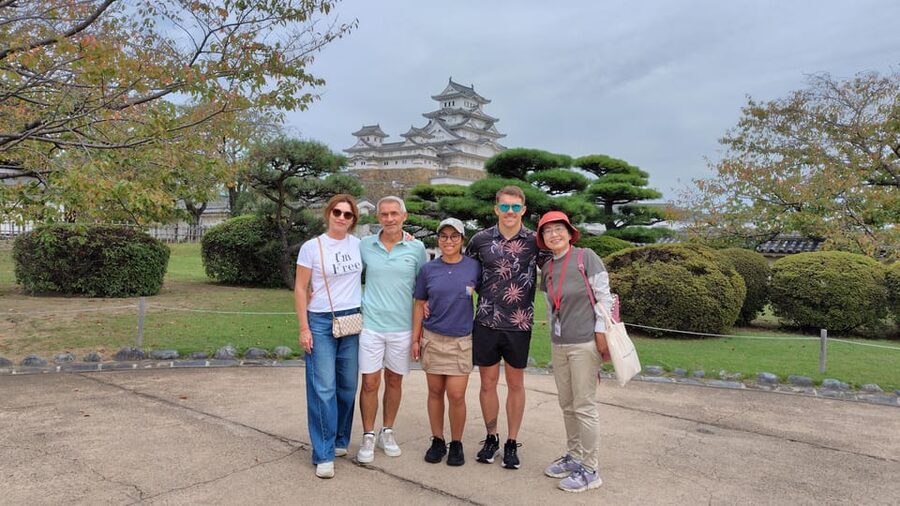
A good guide does more than recite dates. Guides including Chiyuki, Rie Ito, Kayo, and Chiyuki have been praised for showing less obvious spots, pointing out details that a self-guided visit might miss, and sharing local stories and legends.
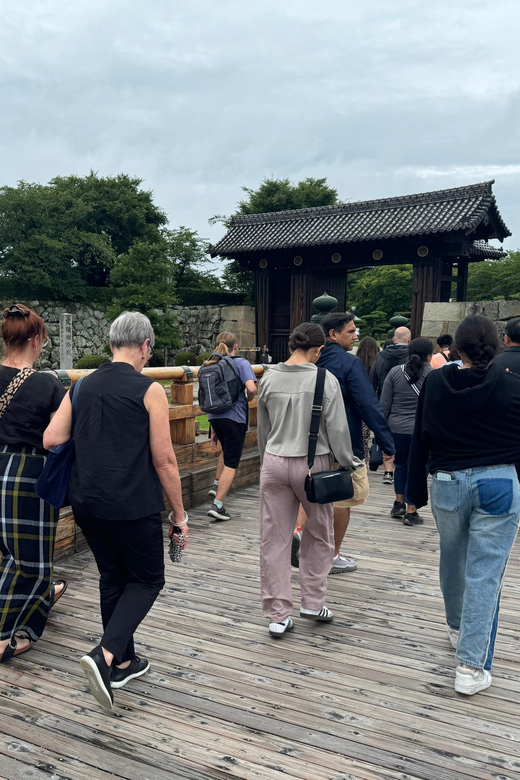
You might learn how the approach was designed to control movement, why certain views open up at particular points, or how the castle’s design reflects the power of its owners. These details turn the visit from a walk through attractive buildings into a lesson in how a Japanese castle functioned.
The photo stops are also handled well. Guides have helped with family pictures and chosen good angles for the castle tower. Ask for a photograph in front of the main tower, then take another from farther away so you can capture the full arrangement of walls, roofs, and defenses.
The castle is especially striking in different seasons, but the tour does not promise any particular bloom or weather. Rain is manageable, though wet conditions can make stone paths and wooden stairs less comfortable. One guide was specifically praised for taking care of the group during a rainy day, but you should still bring suitable footwear and weather protection.
More Japanese Castle Tours in Japan:
- Osaka Castle: Museum and Tower Entry Ticket
★ 4.5 · 2,380 reviews - Osaka Castle Walking Tour and Castle Tower Admission
★ 5.0 · 561 reviews - From Osaka: Himeji Castle, Arima Onsen & Mt. Rokko Day Tour
★ 4.6 · 339 reviews - 5-Hour Osaka Bike Tour to the Neighborhood of Osaka Castle
★ 5.0 · 319 reviews
A quieter hour at Kokoen Garden
Kokoen Garden is next to the castle, but it is a separate attraction. The garden portion takes about one hour on plans that include it.
This is a welcome change of pace after the tower. Instead of steep stairs and defensive walls, you get ponds, planted areas, bridges, and seasonal flowers. The garden gives you space to slow down and notice details that are easy to miss when you are focused on reaching the top of a castle.
The garden is not as old as Himeji Castle, so keep your expectations in the right place. You are not entering another preserved fortress compound. You are visiting a carefully designed garden that frames the castle experience with water, plants, and quiet views.
Some guided plans include the garden entry, while the basic castle-focused option may not. Check the exact plan before booking. One account also describes a short tea ceremony in the garden, including a small rice cake and an explanation of how to use the wooden utensil. Treat that as plan-dependent rather than guaranteed.
I like adding Kokoen if you have the time. The extra hour gives the day a better rhythm, and the garden offers photographs that are very different from the white castle walls. If your schedule is tight, the castle remains the priority.
The longer Shoshazan Engyoji Temple option
The longest version can include about two hours at Shoshazan Engyoji Temple. The full activity range is listed as 150 to 450 minutes, so the exact duration depends on the option you choose.
This makes the experience more than a castle visit. Shoshazan Engyoji Temple adds a religious and wooded setting to the day, giving you a second way to understand the area. The supplied plan describes a guided visit, but it does not give full transport details or a detailed temple route, so confirm the selected option carefully before paying.
Choose this longer version only if you have several hours available and want a fuller Himeji day. It is not the best choice if you need to return to the station quickly or prefer a focused castle visit. The shorter format is enough for the main attraction, while the longer version suits people who want more local culture and time outside the city center.
Drop-off points can include Himeji Castle, Kokoen, or Himeji Station. That flexibility is useful if you want to continue sightseeing instead of returning directly to the station.
How much value do you get for $83?
At $83 per person, this is not the cheapest way to enter Himeji Castle. You are paying for more than admission, though. The price includes a guide and entry to Himeji Castle, with private or small-group formats available. Some plans also include Kokoen, so check the exact package rather than assuming every option contains the garden.
The value is strongest if you care about history, architecture, or getting more from an original building. A self-guided visit can show you the same walls and stairs, but it may leave you wondering why the route twists, what the empty rooms were for, and how the castle worked as a defensive complex.
A private tour also makes sense for families, first-time visitors, and people who want to ask questions. Several guides have been praised for taking photographs, adjusting the pace, helping with transport, and explaining details in clear English. The experience becomes less worthwhile if you only want a fast exterior photograph or dislike organized sightseeing.
Small groups are a good middle ground. One four-person group found the narrow castle route comfortable, while a private booking gives you more control over questions and timing. Since the tower has tight spaces, a smaller group is preferable to a large crowd.
Practical advice for a smoother visit
Book an early start if you can. A 9 a.m. beginning has been suggested as a smart way to avoid heavier crowds later in the day. This also gives you more breathing room for photographs and questions.
Wear socks you are happy to walk in, since you will remove shoes inside the tower. Choose clothes that allow easy movement, and do not underestimate the stairs. The activity is not suitable for people with mobility impairments.
Ask your guide about the small details you care about. Guides have responded well to questions about Japanese history, architecture, culture, legends, and modern life. The more specific your interests, the more personal the visit can become.
The tour is offered in English or Japanese. English-speaking guides such as Junko, Chiyuki, Rie, Kayo, and Satoshi have received strong praise for clear communication, warmth, and patience. Guide assignment can vary, so you should not book expecting a particular person unless the provider confirms it.
Free cancellation is available up to 24 hours before the start, and you can reserve now and pay later. Those terms help if your Himeji day depends on changing train plans, but check the exact booking conditions for your selected option.
Should you book this Himeji Castle tour?
Book it if you want to understand how Himeji Castle worked, not just photograph its famous white exterior. I especially recommend it for people who enjoy architecture, Japanese history, family sightseeing, and small-group conversation. The guide adds real value inside a building whose empty rooms can otherwise be hard to interpret.
Choose the castle and Kokoen plan if you want a balanced half-day. Add Shoshazan Engyoji Temple if you have up to seven and a half hours and want a broader cultural day. Skip the tour if steep stairs are a problem or if you only need a quick view from outside.
For most visitors, the strongest choice is an early private or small-group booking with Kokoen included. You get the original castle, a calm garden afterward, useful local context, and enough time to enjoy the place rather than rush through it.
FAQ
Where does the Himeji Castle tour begin?
Meet your guide in front of the central ticket gate at JR Himeji Station. The guide will hold a yellow sign with the DeepExperience logo.
What languages are available?
The tour is available with a live guide in English or Japanese.
How long does the experience last?
Available plans range from 150 to 450 minutes. Check the selected option for the exact starting time and duration.
Is entry to Himeji Castle included?
Yes. Entry to Himeji Castle is included in the activity.
Is Kokoen Garden included in every plan?
No. Different plans are available, and some include Kokoen Garden while others focus on Himeji Castle. Check the option details before booking.
Can I visit Shoshazan Engyoji Temple?
The longest itinerary includes a guided visit to Shoshazan Engyoji Temple for about two hours. Confirm that your chosen plan includes this stop.
How difficult is the castle interior?
You will climb more than 100 steps inside the castle, including steep wooden stairs. The activity is not suitable for people with mobility impairments.
Are private tours available?
Yes. You can choose between private and small-group options, depending on availability.
Can I cancel the booking?
You can cancel up to 24 hours in advance for a full refund. Reserve now and pay later is also available.
More History Inside the Walls in Japan
- Osaka: Castle History Walking Tour / Castle Tower Admission
★ 4.9 · 230 reviews - 2.5 Hour Private History and Culture Tour in Himeji Castle
★ 5.0 · 185 reviews - Kyoto: Nijo Castle World Heritage Guided Tour with Admission
★ 5.0 · 128 reviews - Osaka: Osaka Castle & Historical Museum Guided Tour
★ 4.8 · 28 reviews
Newly walked in Japan
- Himeji: Private Guide Tour of the Castle from Osaka or Kyoto★ 4.5 · 7 reviews
- World Heritage Himeji Castle & Sake Breweries Private Tour★ 4.5 · 11 reviews
- From Nagoya: Samurai Swords and Inuyama Castle Private Tour★ 5.0 · 11 reviews
- 2.5 Hour Private History and Culture Tour in Himeji Castle★ 5.0 · 185 reviews
- Kyoto: Nijo Castle World Heritage Guided Tour with Admission★ 5.0 · 128 reviews
- Osaka: Osaka Castle Guided Tour with Local Guide★ 4.7 · 78 reviews
- Osaka: Osaka Castle & Historical Museum Guided Tour★ 4.8 · 28 reviews
- Tokyo: Edo Castle Ruins & Imperial Palace East Garden Tour★ 4.4 · 13 reviews
Japanese Castle Tours, compared.
Nijo-jo Castle and Ninomaru Palace Guided Tour
Read our review →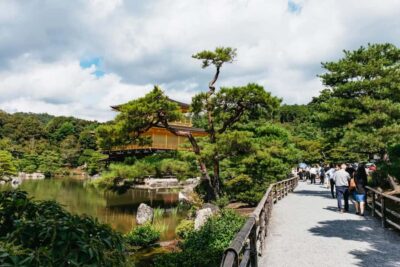
Nijo Castle, Kiyomizu & Fushimi Inari Guided Tour
Read our review →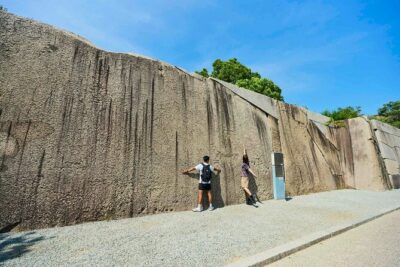
Osaka Castle Walking Tour and Castle Tower Admission
Read our review →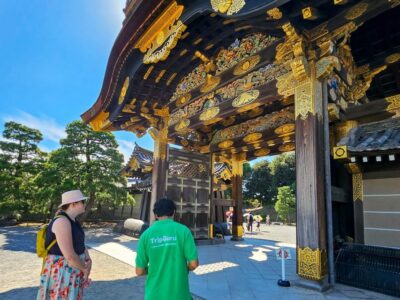
Imperial Palace & Nijo Castle Guided Walking Tour
Read our review →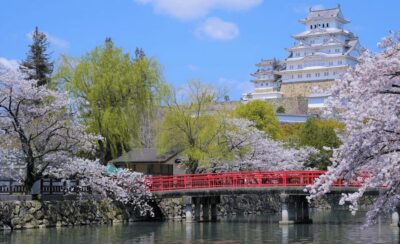
Himeji Castle, Arima Onsen & Mt. Rokko Day Tour
Read our review →
5-Hour Osaka Bike Tour to the Neighborhood of Osaka Castle
Read our review →
Browse the lists this tour appears in