
Review · JAPANESE
Kyoto: Nijo Castle World Heritage Guided Tour with Admission
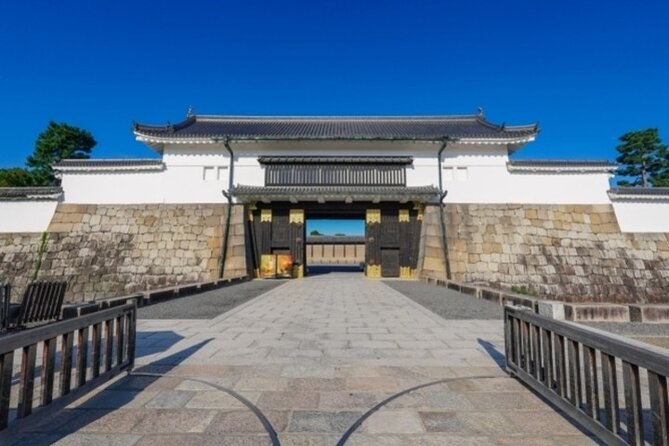
Nijo Castle was built to send a message, not to win a long siege. Inside, the Tokugawa shogun’s power is written into the floors, gates, room sizes, and painted walls, all placed just steps from the Emperor’s home. I like that this tour explains the castle as political theater rather than treating it as a pretty old building.
I also like the small group, capped at 10, and the chance to ask questions as you go. Guides such as Nao, Naoya, Benjamin, and Uta have earned praise for clear English, good storytelling, and useful Kyoto advice. The main drawback is the 90-minute limit: you get a focused introduction, not an unhurried study of every garden path and building.
- The nightingale floors chirp underfoot to warn of unwanted movement.
- Ninomaru Palace reveals social rank through room size, floor height, and decoration.
- The 1867 handover of power happened here, ending more than 260 years of shogunate rule.
- Koi-filled moats and formal gardens provide a calm counterpoint to the castle’s political purpose.
- Groups of up to 10 make it easier to hear the guide and ask questions.
- Shoes must come off inside the palace, and the route is mostly flat and wheelchair accessible.
Why Nijo Castle Is More Than a Castle
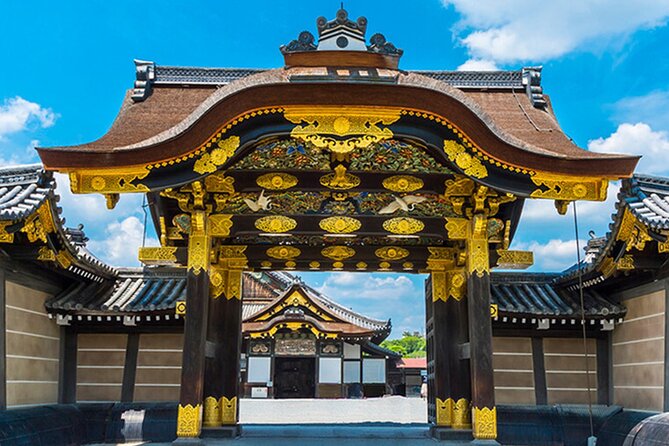
At first glance, Nijo Castle may seem like a grand residence surrounded by moats and gardens. The more useful way to read it is as a carefully planned display of authority.
The Tokugawa shoguns ruled from Edo, now Tokyo, yet they placed this lavish palace in Kyoto, close to the Emperor’s residence. That location mattered. The shogun did not need to defeat the Emperor in battle. He needed to make the balance of power plain.
I find this political angle makes the visit much more rewarding. A guide can point out how a gate, corridor, or room worked on two levels. It served a practical purpose, but it also made a visitor feel watched, ranked, and controlled.
Without that explanation, you may notice beautiful screens and polished wood but miss the quiet pressure built into the design. With it, the castle becomes a lesson in how rulers use architecture to command attention.
Meeting at Nijōjō-mae Station
The tour begins outside Exit 1 of Nijōjō-mae Station. Look for a guide holding a Local Guide Stars sign. This is a simple meeting point, and the tour returns to the same area after the castle visit.
The location is useful because you do not need to find your way through a large hotel lobby or a complicated city meeting spot. Still, give yourself enough time to reach the station and locate Exit 1 before the start. A late arrival could be difficult on a short, timed walk.
The activity is conducted in English. Guides named in the tour feedback include Nao, Naoya, Benjamin, Uta, and Alexander. The strongest pattern is not one particular scripted presentation, but the guides’ ability to explain the castle clearly and respond to questions. Nao, in particular, is repeatedly praised for detailed explanations and warm storytelling. Naoya is also noted for combining castle history with Japanese culture and for pointing out less obvious details.
The group limit of 10 is important here. Nijo Castle has large open areas, but palace interiors can feel more contained. A small group means you have a better chance of hearing the guide and stopping to ask why a certain room or passage was designed as it was.
More Guided Castle Tours in Japan
- Kyoto: Nijo-jo Castle and Ninomaru Palace Guided Tour
★ 4.7 · 1,020 reviews - Kyoto: Nijo Castle, Kiyomizu & Fushimi Inari Guided Tour
★ 4.7 · 700 reviews - Kyoto: Imperial Palace & Nijo Castle Guided Walking Tour
★ 4.7 · 453 reviews
Crossing From Moats to Palace Rooms
The visit lasts about 90 minutes, with roughly an hour devoted to walking and sightseeing inside Nijo Castle. You can expect a guided route rather than a free-form wander.
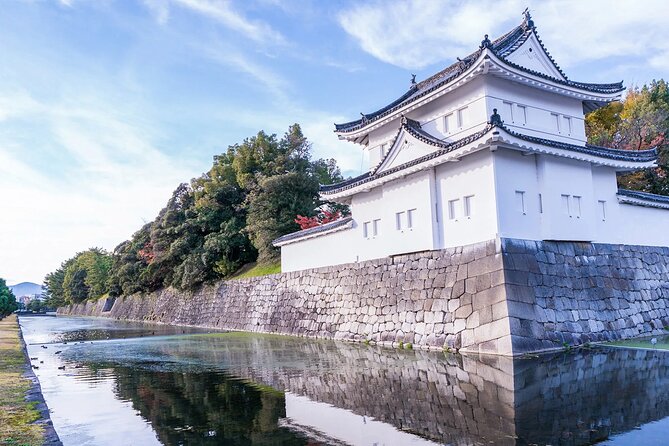
The moats and gardens provide the first visual impression. Colorful koi move through the water, and the formal planting gives you plenty of attractive views. This is the gentler side of the castle, though even the moat has a practical role. It marks a boundary between ordinary life outside and the controlled world within.
I like the contrast. You may pause to look at the koi, then hear how the palace was arranged to make a powerful visitor feel small. The setting is photogenic, but the guide helps you see beyond the photo.
The route is mostly flat, which makes the experience manageable for many people with limited mobility. The tour is listed as wheelchair accessible, though the requirement to remove shoes inside the palace is worth noting. If you use mobility equipment, check how the palace portion will work for your needs before booking.
Ninomaru Palace and the Sound of the Floors
Ninomaru Palace is the main reason to choose a guided visit. Its rooms were not laid out casually. Room size, floor height, decoration, and position in the sequence of spaces reflected strict social rank.
As you move through the palace, pay attention to how the route controls your sense of arrival. Corridors and gates do not simply lead you from one room to another. They create stages. A visitor passes through one layer, then another, with each change reinforcing the authority of the person waiting farther inside.
The famous nightingale floors are the most memorable feature for many people. Their boards chirp when stepped on, warning of movement through the building. The sound is not a modern effect. It is part of the palace’s security design, and it turns an ordinary act, walking across a floor, into a reminder that privacy was never guaranteed.
Your guide can make this feature more meaningful by explaining how it fits into the larger plan. On its own, the chirping is a clever curiosity. Within the palace, it becomes part of a system of watchfulness and control.
You must remove your shoes when entering the palace. Wear socks you are comfortable walking in, especially if you are visiting during a cool season or prefer not to go barefoot. This is a small practical point, but it affects how comfortable the palace visit feels.
The interiors also require a different pace from the gardens. You are moving through historic rooms rather than touching or examining objects at close range. Listen carefully to the guide’s explanation of the painted decoration and room hierarchy, because the meaning is often tied to where each space sits in the sequence.
The Room Where the Shogunate Ended
The historical high point comes when you stand in the room associated with Tokugawa Yoshinobu’s return of authority to the Emperor in 1867. That decision ended more than 260 years of shogunate rule and helped usher in the Meiji Restoration.
This is where the tour’s political story comes together. The castle was built to display the shogun’s control near the Imperial court. Centuries later, it became the setting for the formal return of that authority.
I appreciate that the experience connects a physical place with a major political shift. You are not just hearing that the shogunate ended. You are standing in the room tied to the moment when the old order gave way.
The guide’s role matters most here. Dates alone can be dry. A good explanation helps you understand the tension between the military government in Edo and the Emperor’s position in Kyoto. Several guides have been praised for answering questions rather than rushing through a list of facts, which is especially useful at a site with such a concentrated story.
More Japanese Castle Tours in Japan:
- Osaka Castle: Museum and Tower Entry Ticket
★ 4.5 · 2,380 reviews - Osaka Castle Walking Tour and Castle Tower Admission
★ 5.0 · 561 reviews - From Osaka: Himeji Castle, Arima Onsen & Mt. Rokko Day Tour
★ 4.6 · 339 reviews - 5-Hour Osaka Bike Tour to the Neighborhood of Osaka Castle
★ 5.0 · 319 reviews
Gardens, Moats, and a Change of Pace
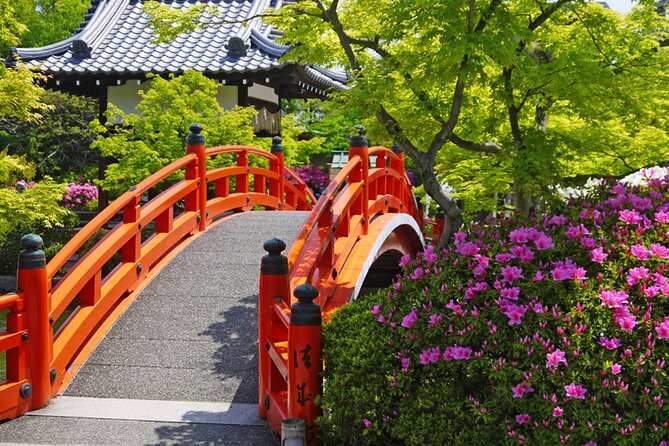
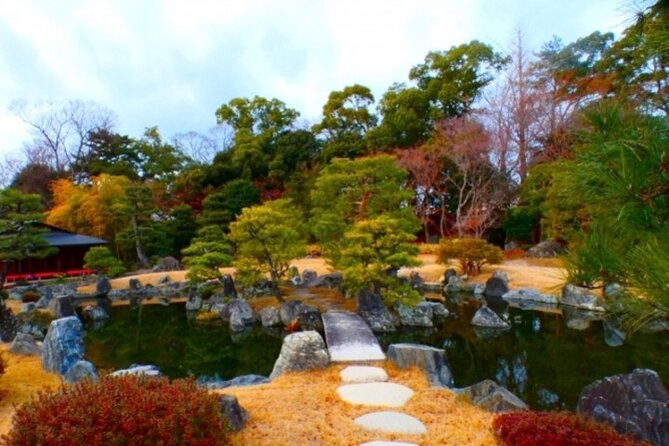
The gardens give the tour breathing room. After the formal interiors and the intense story of political power, the outdoor spaces feel open and calm.
Look toward the moats for the koi, which add color and movement to the castle grounds. These views are among the best places for photographs, especially if you want a break from the darker wood and enclosed corridors of the palace.
The garden portion is also a reminder that this was a residence and ceremonial site, not only a military compound. The design had to impress. It needed to look controlled, refined, and worthy of the ruler who used it.
Because the tour is only 90 minutes, you should not expect to explore every corner at a leisurely pace. If gardens are your main interest, you may want to allow extra time at Nijo Castle after the guided portion, if your admission arrangement and opening conditions permit. The supplied details confirm admission is included, but they do not promise additional time after the tour, so check the day’s arrangements when booking.
What the Small Group Adds
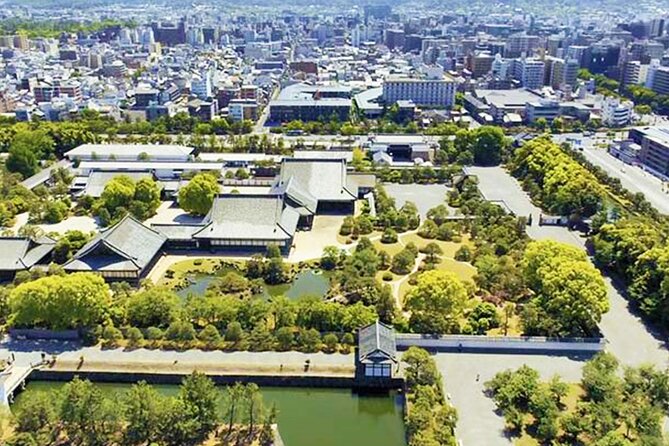
A group of 10 or fewer changes the feel of a historic-site tour. You are less likely to lose the guide in a crowd, and questions can fit naturally into the walk.
The format can be especially helpful for families and mixed-age groups. One family with children and older adults praised Naoya for adjusting the pace, answering questions, and offering further suggestions for the trip. That does not guarantee every group will move at the same speed, but it shows why a smaller format can be useful.
The tour may occasionally have only one participant. Some bookings have worked out as a private-style experience because no other participants joined. You should treat that as a possible bonus, not a promise.
A private or very small group also lets you ask practical questions about Kyoto customs and nearby places. Guides have offered local suggestions during the visit, which can be useful if this is one of your first days in the city.
Is the $40 Price Good Value?
At $40 per person, this is not the cheapest way to enter Nijo Castle. Admission is included, so you are paying for both the ticket and a 90-minute English-language explanation.
The value depends on how you like to visit historic sites. If you enjoy reading signs and building the story yourself, you can save money by visiting independently. Nijo Castle is visually rewarding even without a guide.
I think the price is easier to justify if you want context. The castle’s most interesting features are not always self-explanatory. The nightingale floors are memorable, but the reason they matter is tied to the wider system of surveillance. The palace rooms are beautiful, but their social meaning comes from rank and ceremony. The 1867 event carries more weight when someone explains why the location was politically important.
The small group also adds value compared with a large coach-style visit. You are paying for access to a guide who can respond to your questions, not just deliver a speech from a fixed position.
For a first visit to Kyoto, I would see this as a focused history tour. For a repeat visit, it works best if you want to look at Nijo Castle through politics, architecture, and the end of the shogunate rather than simply take photos.
Who Will Enjoy This Tour Most?
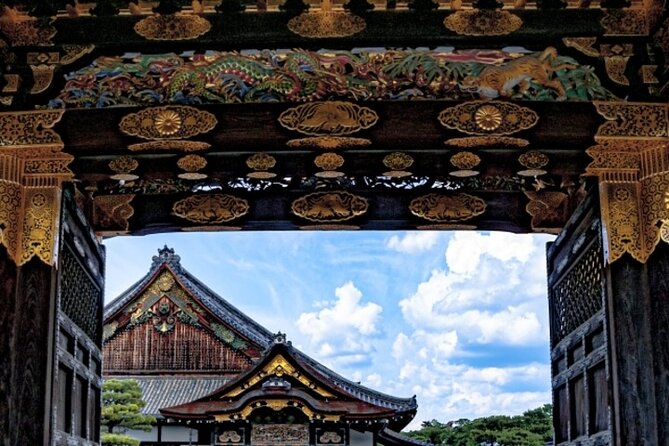
I would recommend this tour to you if you:
- Want a clear introduction to Tokugawa power and the end of the shogunate.
- Prefer a small English-speaking group to an audio guide or independent visit.
- Care about why the palace was designed as it was, not only how it looks.
- Want a manageable 90-minute activity near a subway station.
- Are visiting with family members who benefit from a slower, question-friendly format.
- Have read about the Tokugawa period and want to experience the famous nightingale floors in person.
You may want another approach if you need a long, slow garden visit or several hours for detailed photography. The short format keeps the tour focused, but it also means some areas may receive only a brief look.
This is not a hands-on activity. The palace visit follows rules, including removing shoes, and the experience centers on listening, observing, and walking.
Practical Details Before You Book
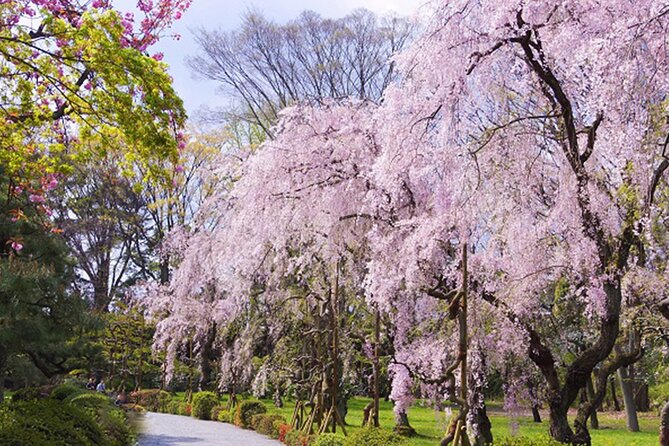
Meet outside Exit 1 of Nijōjō-mae Station and look for the Local Guide Stars sign. The tour lasts 90 minutes and returns to the station area.
Admission to Nijo Castle and the guided tour are included. The tour is offered in English, with groups limited to 10 participants.
The route is mostly flat, and the activity is listed as wheelchair accessible. Contact the provider before booking if you need specific details about navigating the palace interior, since shoes must be removed there.
You can cancel up to 24 hours before the start for a full refund. A reserve-now, pay-later option is also available, which helps if your Kyoto schedule is still shifting.
Should You Book the Nijo Castle Tour?
Book it if you want the castle’s political story explained in plain English and like the ease of a small group. The best parts are the Ninomaru Palace, the chirping floors, the carefully staged rooms, and the moment tied to the end of Tokugawa rule.
I would especially choose it for a first visit, a family group, or anyone who has read about the shogunate and wants the setting to make sense. The $40 cost is reasonable when you value a responsive guide and included admission.
Skip it if your priority is wandering alone for several hours or spending most of your time in the gardens. For everyone else, this is a compact, well-focused way to understand why Nijo Castle mattered, and why its polished beauty was also a tool of power.
FAQ
How long does the Nijo Castle tour last?
The guided experience lasts 90 minutes.
Where does the tour meet?
Meet outside Exit 1 of Nijōjō-mae Station. The guide will hold a Local Guide Stars sign.
Is admission to Nijo Castle included?
Yes. The price includes admission to Nijo Castle and the 1.5-hour guided tour.
What language is the tour offered in?
The live guided tour is offered in English.
How many people can join the tour?
The group is limited to 10 participants.
Do I need to remove my shoes?
Yes. All visitors must remove their shoes when entering the palace.
More History Inside the Walls in Japan
- Osaka: Castle History Walking Tour / Castle Tower Admission
★ 4.9 · 230 reviews - 2.5 Hour Private History and Culture Tour in Himeji Castle
★ 5.0 · 185 reviews - Kyoto: Nijo Castle World Heritage Guided Tour with Admission
★ 5.0 · 128 reviews - Himeji: Himeji Castle Guided Tour – UNESCO Heritage
★ 4.7 · 115 reviews
Newly walked in Japan
- Tokyo: Edo Castle and Imperial Palace Guided Walking Tour★ 5.0 · 6 reviews
- (Ticket Included) Explore Osaka Castle & Museum of History★ 4.8 · 21 reviews
- Peace Memorial Park, Hiroshima Castle, & Garden Private Tour★ 4.8 · 7 reviews
- Osaka: Osaka Castle – Tsuruhashi – Tennoji (Spanish Guide)★ 4.7 · 10 reviews
- Osaka/kyoto: Himeji Castle, Kobe. Luxury Day Trip with Guide★ 5.0 · 2 reviews
- Osaka: Osaka Castle 3 hours Historical Walking Tour★ 4.6 · 14 reviews
- Osaka: Early Morning Osaka Castle Guided Tour, Avoid Crowds★ 4.9 · 12 reviews
- Osaka: Explore Every Bit of Osaka Castle in 3 Hours★ 5.0 · 5 reviews
Japanese Castle Tours, compared.
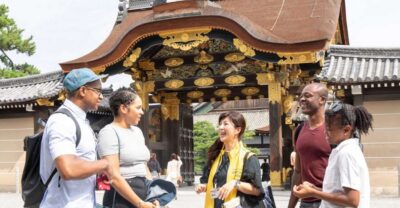
Nijo-jo Castle and Ninomaru Palace Guided Tour
Read our review →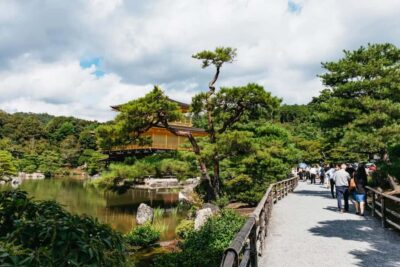
Nijo Castle, Kiyomizu & Fushimi Inari Guided Tour
Read our review →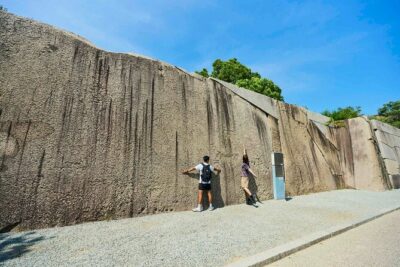
Osaka Castle Walking Tour and Castle Tower Admission
Read our review →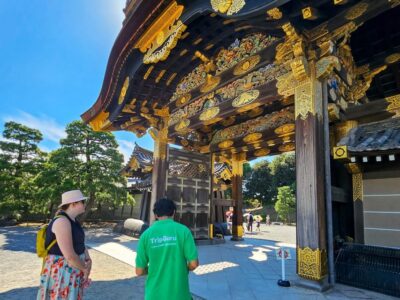
Imperial Palace & Nijo Castle Guided Walking Tour
Read our review →
Himeji Castle, Arima Onsen & Mt. Rokko Day Tour
Read our review →
5-Hour Osaka Bike Tour to the Neighborhood of Osaka Castle
Read our review →
Browse the lists this tour appears in