
Review · JAPANESE
Matsumoto Castle Tour & Samurai Experience
Matsumoto’s original feudal castle is the star here, but the one-hour samurai lesson may be the part you talk about afterward. You’ll climb the castle’s narrow wooden stairs, learn how its defenses worked, then put on samurai clothing and practice basic sword stances with a trained instructor.
I like the pairing of serious history with hands-on fun. Guides such as Shin, Matt, Naomi, and Tim have been praised for making the castle easy to understand, and instructors such as Kei, Kae, and Kai are patient with beginners. The main drawback is physical: the tower stairs are steep and narrow, the castle floors are cold because you remove your shoes, and the schedule can shift when crowds are heavy.
Key points to know before booking
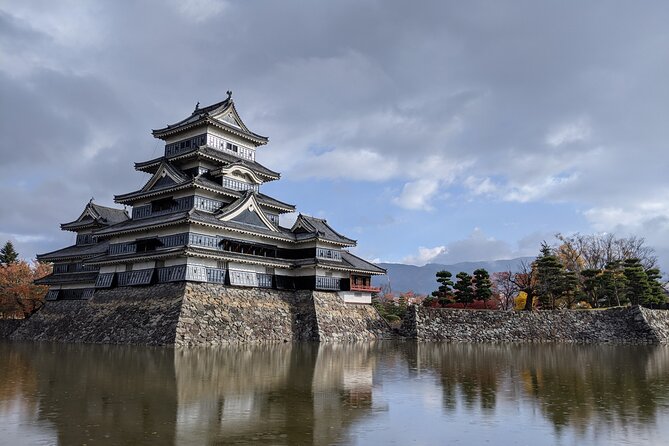
- Japan’s oldest original five-tier, six-story castle tower: Matsumoto Castle dates from 1593 to 1594 and is one of only five castles designated a National Treasure of Japan.
- Two experiences in three hours: Allow roughly two hours for the castle and one hour for the sword activity, though busy days can change the timing.
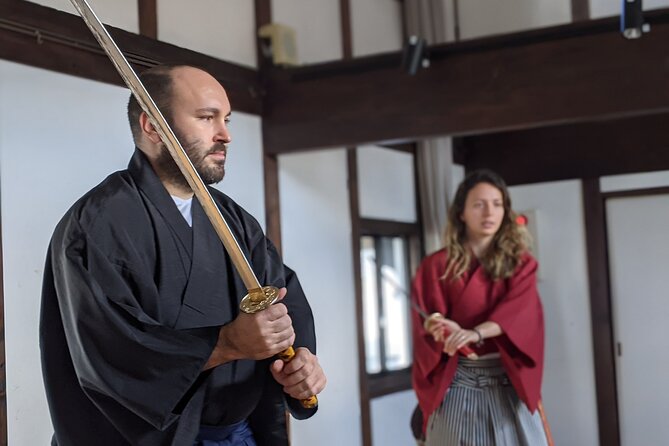
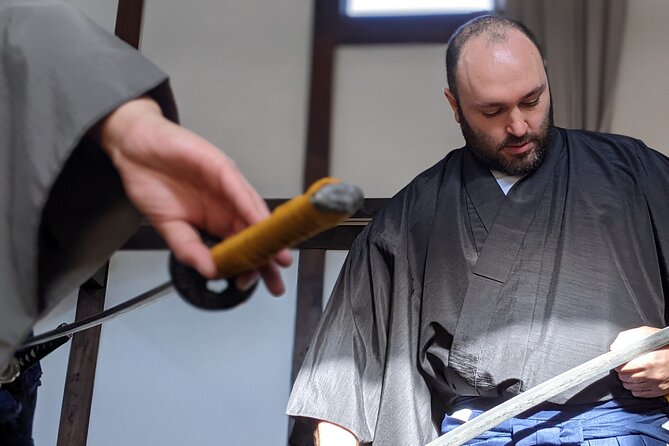
- A practical samurai lesson: You dress in samurai clothing, choose a sword, and learn basic attacking and defensive stances from an instructor.
- English guidance throughout: Your guide explains Matsumoto’s past and translates during the Japanese-led sword session when needed.
- A central meeting point: Meet at Matsumoto Station, at the front of the JR Line ticket office or Starbucks Coffee inside the station on the second floor.
- Not suited to every body: The castle is not suitable for wheelchair users or people with mobility impairments because of the stairs and historic layout.
Why Matsumoto Castle makes this tour worthwhile

Matsumoto Castle is not a modern reconstruction filled with polished displays. Its black exterior, wooden interiors, defensive design, and original tower give you a direct sense of a Japanese feudal stronghold. Construction began in 1593 and 1594, and the surviving tower is the oldest original five-tier, six-story castle tower in Japan.
That distinction matters. Many famous Japanese castles were rebuilt after fire or war, often with concrete interiors and elevators. Matsumoto’s tower keeps much of its historic character, so you see the building as a working defensive structure rather than just a handsome photo stop.
Your guide helps you read the castle properly. Instead of simply pointing out the roofline, guides explain Matsumoto’s lords, the city’s development, social classes, residential areas, and defensive plans. Guides such as Shin have answered questions about both the castle and wider Japanese culture, while Matt has been praised for explaining small details of samurai life and feudal organization.
You also get the local setting on the walk from Matsumoto Station. The route is short, but it gives your guide a chance to explain how the city developed around the castle. That context helps the building make sense. You are not just looking at a lonely monument. You are seeing the center of a former castle town.
More Japanese Castle Tours in Japan:
- Osaka Castle: Museum and Tower Entry Ticket
★ 4.5 · 2,380 reviews - Kyoto: Nijo-jo Castle and Ninomaru Palace Guided Tour
★ 4.7 · 1,020 reviews - Kyoto: Nijo Castle, Kiyomizu & Fushimi Inari Guided Tour
★ 4.7 · 700 reviews
Inside the tower, expect steep stairs and bare feet
The castle visit takes about two hours, including the walk, the grounds, the interior, and time for questions. You’ll have a chance to appreciate the exterior and surrounding views before entering the tower.
Inside, the route is slow and vertical. The stairways are steep, narrow, and uneven compared with modern stairs. On busy days, people can bunch up at the tightest points, especially when someone needs extra time to climb or descend. Take your time and keep a hand free for the rail.
You must remove your shoes inside the castle. That is part of the historic setting, but it can be uncomfortable in cold weather. One family found the floors especially chilly for children and wished they had brought extra socks. Pack them, particularly if you visit in winter or early spring.
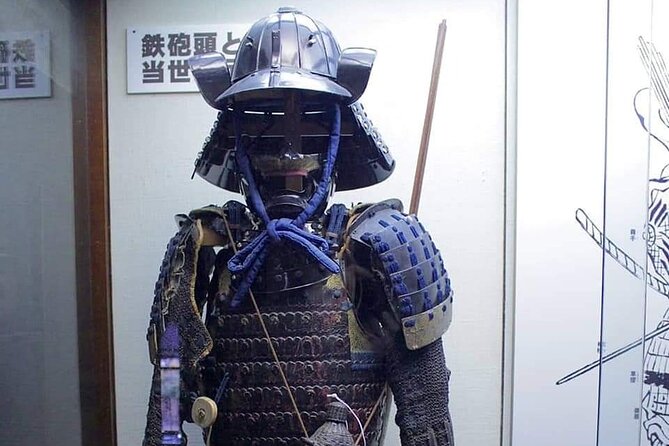
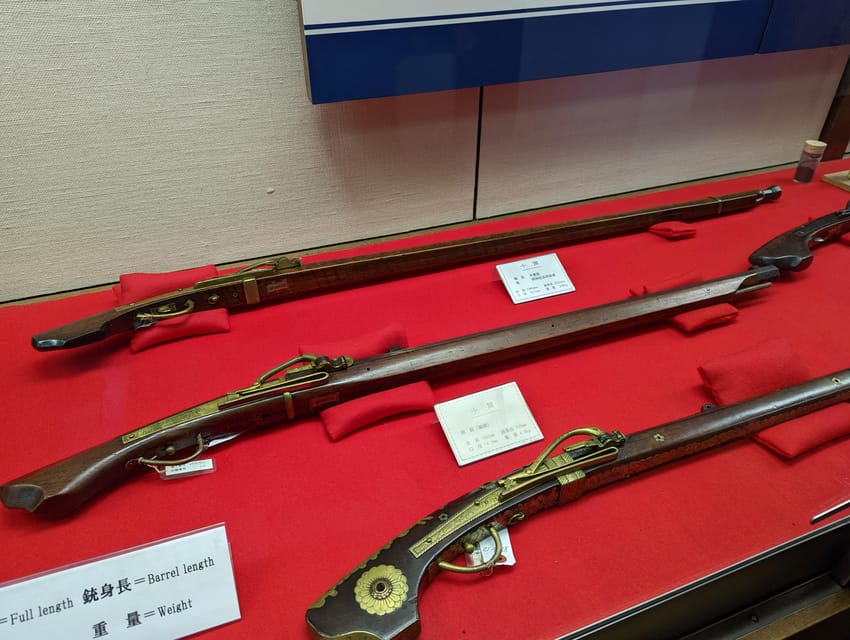
The interior is more about structure and defense than large museum displays. You’ll learn how the castle was arranged, how different classes lived, and how defenders could use the building’s design to control movement. The dark wooden beams and compact rooms show how different this is from a palace built mainly for ceremony.
At the top, you’ll earn views over Matsumoto and the surrounding area, though the climb is the main challenge. The tower is not suitable for wheelchair users, and anyone with limited mobility should think carefully before booking. The activity information specifically advises against it for people with mobility impairments.
What you learn about samurai life and castle defense
The castle tour gives the sword lesson some needed context. Without it, a katana activity could feel like a costume photo opportunity. Here, you first hear about the people who held power in Matsumoto, how the town was organized, and why a castle needed layered defenses.
The guide may explain how the castle’s design slowed attackers and protected those inside. You’ll also hear about the social divisions of feudal Japan and the residential areas connected with different groups. These details turn the sword session into a continuation of the story rather than a separate entertainment stop.
I particularly like this order: history first, activity second. You see the physical setting where samurai authority mattered, then try a simplified version of the discipline associated with it. The lesson does not turn you into a historical warrior, of course, but it gives you a better feel for the controlled movement and posture involved.
The English-speaking guide is important here. Guides including Naomi, Tim, Sayuko, Matt, and Shin have been praised for clear explanations, flexibility, and the ability to answer questions beyond the castle itself. The exact guide varies, but the experience depends heavily on that person’s pacing and translation.
The one-hour katana class is the tour’s playful payoff
After the castle, you move to the samurai activity, which lasts about one hour. The setting has been described as a separate venue, possibly an old brewing house, but the precise venue can vary. The main event is the lesson itself.
You begin by putting on a samurai outfit and selecting a sword. The instructor then teaches basic attacking and defensive stances, along with simple ways to hold and use the sword. This is an introductory class, not a full martial arts course, so you can join without prior experience.
The instructors are a major strength. Kei, Kae, Kai, and other sword teachers have been praised for patience, humor, and enthusiasm. Some participants have noted that the Japanese instructor’s English can be limited, but the main guide translates when needed. Clear demonstrations and repetition make the lesson accessible.
You should expect to look awkward at first. That is part of the fun. The class gives you a few controlled movements to practice, and the instructor adjusts to your pace. Several families and mixed-age groups found it especially enjoyable, including children and teenagers. The activity is active enough to feel engaging, but the supplied information does not describe it as a demanding workout.
Bring a willingness to play along. The best part is not perfect technique. It is stepping into the outfit, trying the movements, and seeing how much skill a simple-looking action actually requires. The sword master’s calm coaching helps you appreciate the discipline behind the performance.
Photos and videos are another useful touch. Guides have taken pictures for participants during the activity, so you may leave with more than a quick snapshot at the castle. Confirm the exact photography arrangements with your guide on the day, but several people found the photo help valuable.
More Castle Tours in Japan:
- Tokyo Castle & Imperial PalaceーShogun Walking Tour
★ 4.7 · 1,068 reviews - Ultimate Osaka Walking Tour: Castle, Dotonbori & Hidden Gems
★ 5.0 · 862 reviews - Tokyo Castle & Imperial PalaceーShogun Walking Tour
★ 5.0 · 724 reviews - Osaka Castle Walking Tour and Castle Tower Admission
★ 5.0 · 561 reviews
Timing, crowds, and the value of a three-hour visit
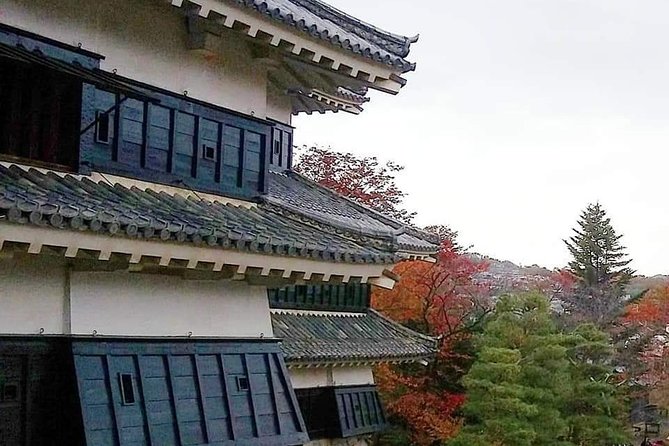
The advertised duration is three hours, with about two hours at Matsumoto Castle and one hour for the samurai class. Treat that as an estimate, not a train timetable. Castle queues and interior congestion can slow the group, especially on weekends and holidays.
That flexible timing is worth remembering if you are connecting to a train afterward. Leave some breathing room after the tour rather than planning an immediate departure. A small group can move efficiently, and one person described a group of only three, but group size is not guaranteed.
The schedule does not feel rushed when the castle is manageable. You should have time to listen, ask questions, take photos, and possibly browse castle souvenirs. On a crowded day, the guide may need to keep the group moving so everyone reaches the sword class.
The tour begins at Matsumoto Station, at the front of the JR Line ticket office or the Starbucks Coffee inside the station on the second floor. Arrive early enough to find the meeting point without stress. The station location is practical, especially if Matsumoto is a day trip or a stop between other destinations.
At $88 per person, this is not the cheapest way to see Matsumoto Castle. You are paying for admission, an English-speaking guide, a substantial castle visit, the guided walk, samurai clothing, sword rental, and a separate one-hour activity. The price makes more sense if you want interpretation and the sword class. If you only want to enter the castle and walk through it at your own pace, independent admission will likely be better value.
For families, couples, and first-time visitors to Japan, the combination is easier to justify. You get a major cultural site plus an activity that keeps the day from becoming a sequence of observation-only stops. The small-group feel reported by some participants can also make the experience feel more personal, though you should not assume a private tour.
The guides shape the day
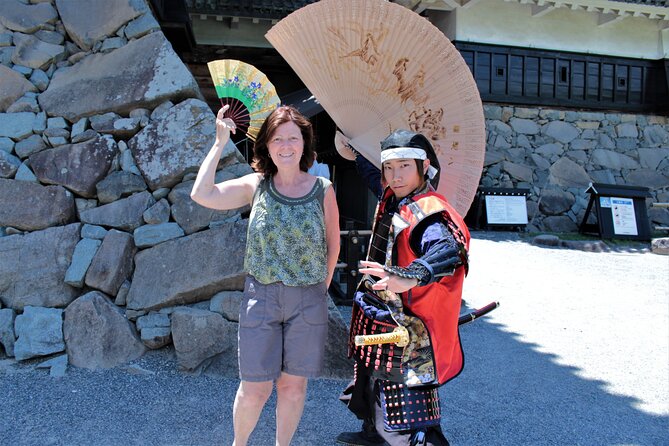
The castle is fixed, but the guide shapes how much you take from it. Names that have received repeated praise include Shin, Matt, Naomi, Tim, Sayuko, and Colin. Their strengths include clear English, local context, good pacing, and the ability to answer questions about Japan beyond Matsumoto.
Tim, in particular, has been praised for reading the group and adjusting the pace and subject matter. Shin has been noted for detailed explanations and a friendly manner. Naomi has been praised for patience and care, including helping a pregnant participant find seats and manage the pace.
These details matter because the castle is not self-explanatory. You can walk through important rooms and defensive areas without understanding why they matter. A guide points out the meaning behind what you are seeing.
The sword instructor brings a different kind of skill. Kei, Kae, Kai, and other teachers have been described as encouraging, funny, and committed to the craft. If the instructor speaks limited English, the guide’s translation becomes part of the experience. The lesson still works because the movements are demonstrated, but questions may take extra time.
Who should book this Matsumoto experience?
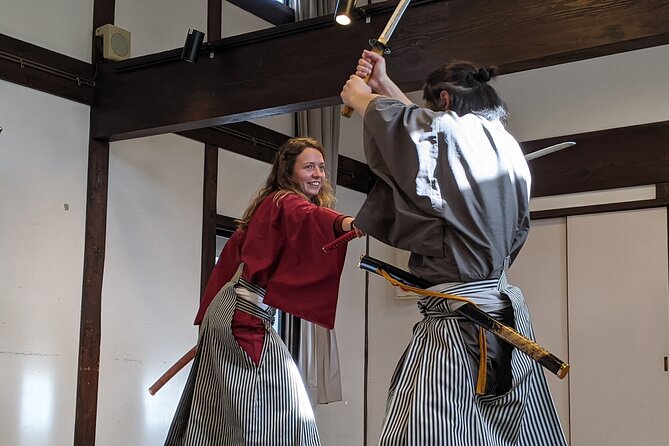
I would choose this tour if you want more than a quick castle photograph. It suits you if you like Japanese history, prefer a guide to explain what you are seeing, or want an activity that works for adults and older children.
It is also a good choice if you are interested in samurai culture but do not want a formal martial arts course. The class is introductory, social, and built around basic technique. You do not need previous sword training.
Families should plan for the stairs and cold floors. Children may love the clothing and sword lesson, but younger children or anyone uncomfortable with steep climbs could struggle inside the tower. Extra socks are a smart addition in cold weather.
You may want to skip it if you dislike group schedules, have mobility limitations, or mainly want a quiet, self-guided castle visit. The narrow stairs can be crowded, and the total timing may shift. The castle is the central historical experience, but the sword class is what gives the $88 price its strongest argument.
Cancellation is flexible up to 24 hours before the activity for a full refund, and you can reserve now and pay later. Insurance, food, snacks, souvenirs, and other personal costs are not included.
Should you book the castle and samurai combination?
Book it if you want Matsumoto Castle explained properly and like the idea of trying a hands-on samurai activity afterward. The castle provides the substance, while the katana lesson adds energy and gives you a memorable way to connect with the setting.
I would be especially inclined to book it for a first visit to Matsumoto, a family trip, or a Japan itinerary heavy on temples and museums. You get history, local stories, a National Treasure castle, costumes, basic sword work, and help from an English-speaking guide in one compact morning or afternoon.
Skip it if the steep tower stairs are a serious concern or if you prefer to explore independently. For everyone else, the combination offers good value because the samurai lesson is difficult to arrange as casually on your own. It is a practical way to see Matsumoto’s most important sight and have some fun with its feudal past.
FAQ
How long does the Matsumoto Castle and samurai experience take?
The activity lasts about three hours. The castle portion is estimated at two hours, followed by about one hour for the samurai experience. The end time can change when the castle is crowded, especially on weekends and holidays.
Where is the meeting point?
Meet at Matsumoto Station, at the front of the JR Line ticket office or Starbucks Coffee inside the station on the second floor.
Is the tour conducted in English?
Yes. The tour includes an English-speaking live guide. The guide can also translate during the Japanese-led sword lesson when needed.
What is included in the price?
The price includes an English-speaking guide, admission to Matsumoto Castle, admission to the samurai activity, and rental of samurai clothing and swords during the lesson.
Do I need prior sword training?
No prior training is stated as necessary. The instructor teaches basic attacking and defensive stances and explains how to handle the sword during the introductory activity.
Are the castle stairs difficult?
Yes. The tower stairs are steep and narrow. You also remove your shoes inside, and the floors can feel very cold in winter. The activity is not suitable for wheelchair users or people with mobility impairments.
Can I cancel for a full refund?
Yes. You can cancel up to 24 hours before the activity for a full refund. The reserve-now, pay-later option also allows you to hold a place without paying immediately.
Newly walked in Japan
- Tokyo: Edo Castle and Imperial Palace Guided Walking Tour★ 5.0 · 6 reviews
- (Ticket Included) Explore Osaka Castle & Museum of History★ 4.8 · 21 reviews
- Peace Memorial Park, Hiroshima Castle, & Garden Private Tour★ 4.8 · 7 reviews
- Osaka: Osaka Castle – Tsuruhashi – Tennoji (Spanish Guide)★ 4.7 · 10 reviews
- Osaka/kyoto: Himeji Castle, Kobe. Luxury Day Trip with Guide★ 5.0 · 2 reviews
- Osaka: Osaka Castle 3 hours Historical Walking Tour★ 4.6 · 14 reviews
- Osaka: Early Morning Osaka Castle Guided Tour, Avoid Crowds★ 4.9 · 12 reviews
- Osaka: Explore Every Bit of Osaka Castle in 3 Hours★ 5.0 · 5 reviews
Japanese Castle Tours, compared.
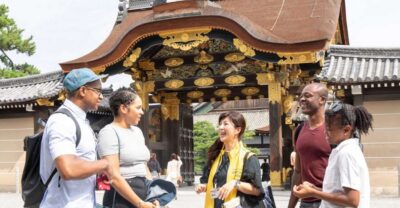
Nijo-jo Castle and Ninomaru Palace Guided Tour
Read our review →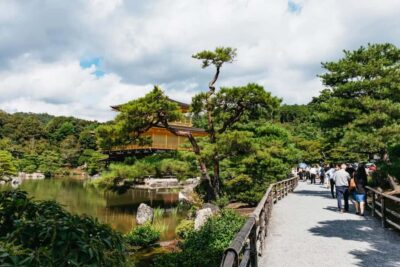
Nijo Castle, Kiyomizu & Fushimi Inari Guided Tour
Read our review →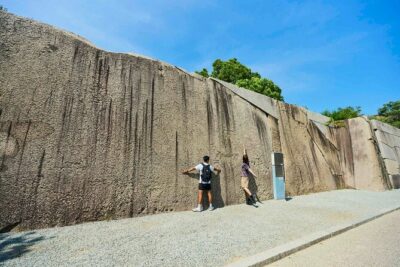
Osaka Castle Walking Tour and Castle Tower Admission
Read our review →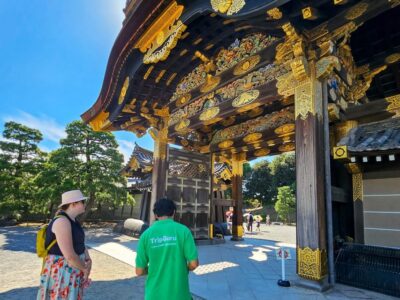
Imperial Palace & Nijo Castle Guided Walking Tour
Read our review →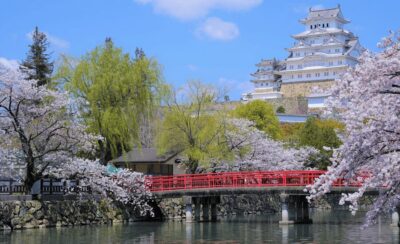
Himeji Castle, Arima Onsen & Mt. Rokko Day Tour
Read our review →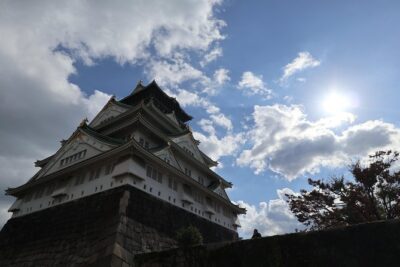
5-Hour Osaka Bike Tour to the Neighborhood of Osaka Castle
Read our review →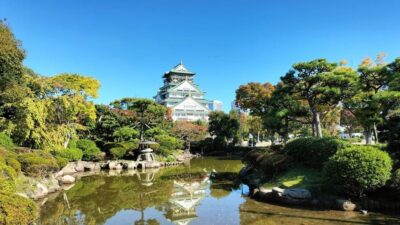
Browse the lists this tour appears in